Bookbot

Ivar Jacobson

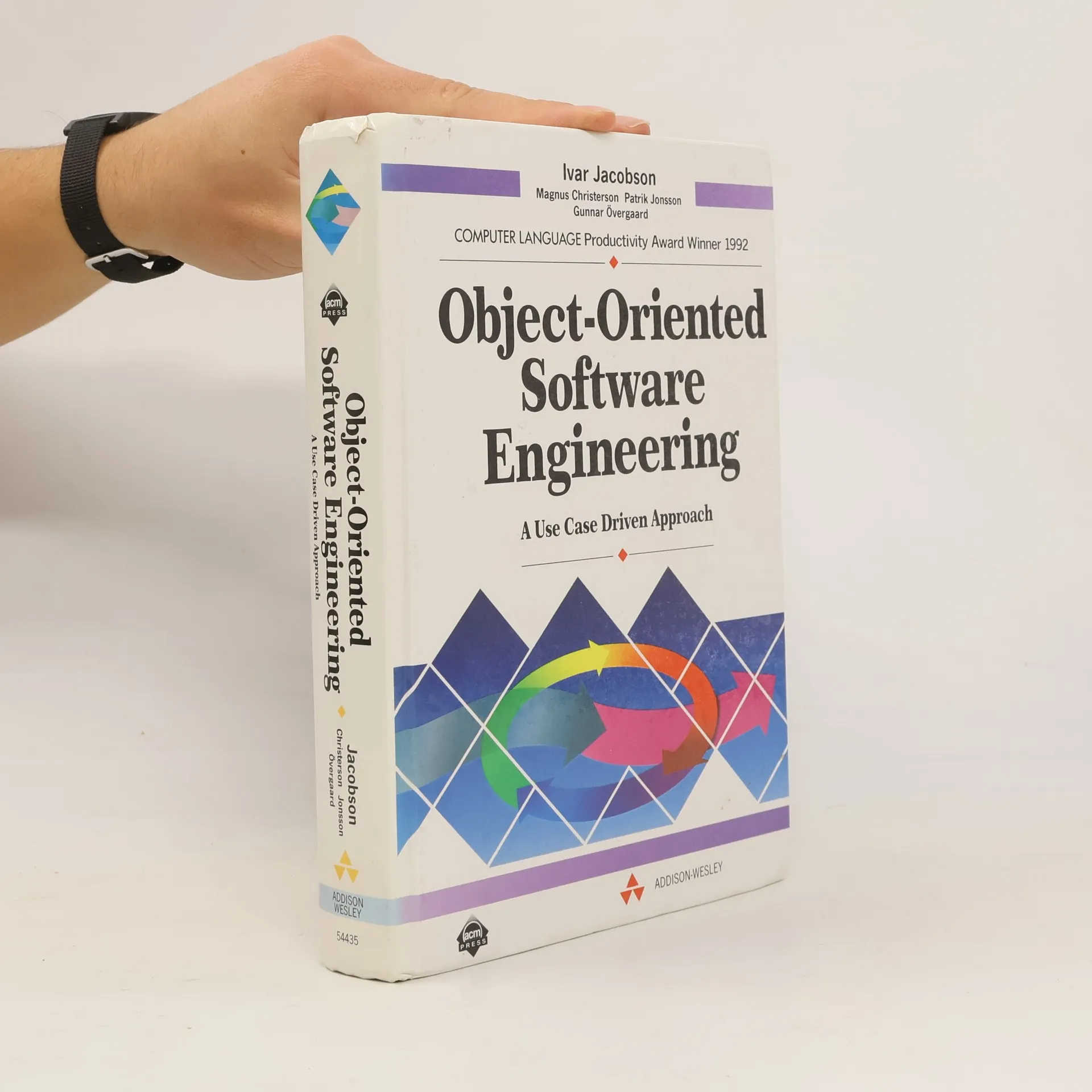
    Object-oriented software engineering : a use case driven approach
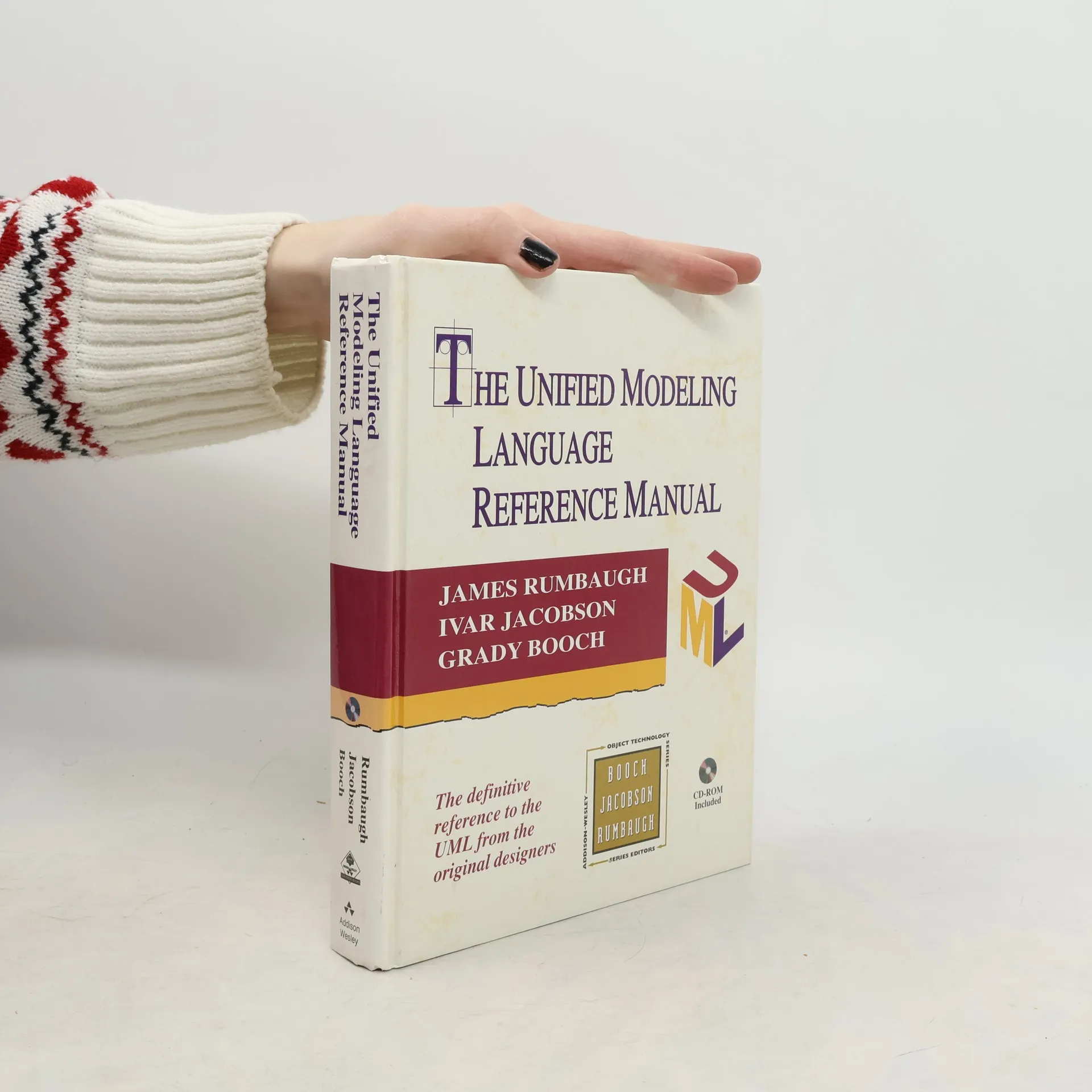
    The Unified Modeling Language Reference Manual
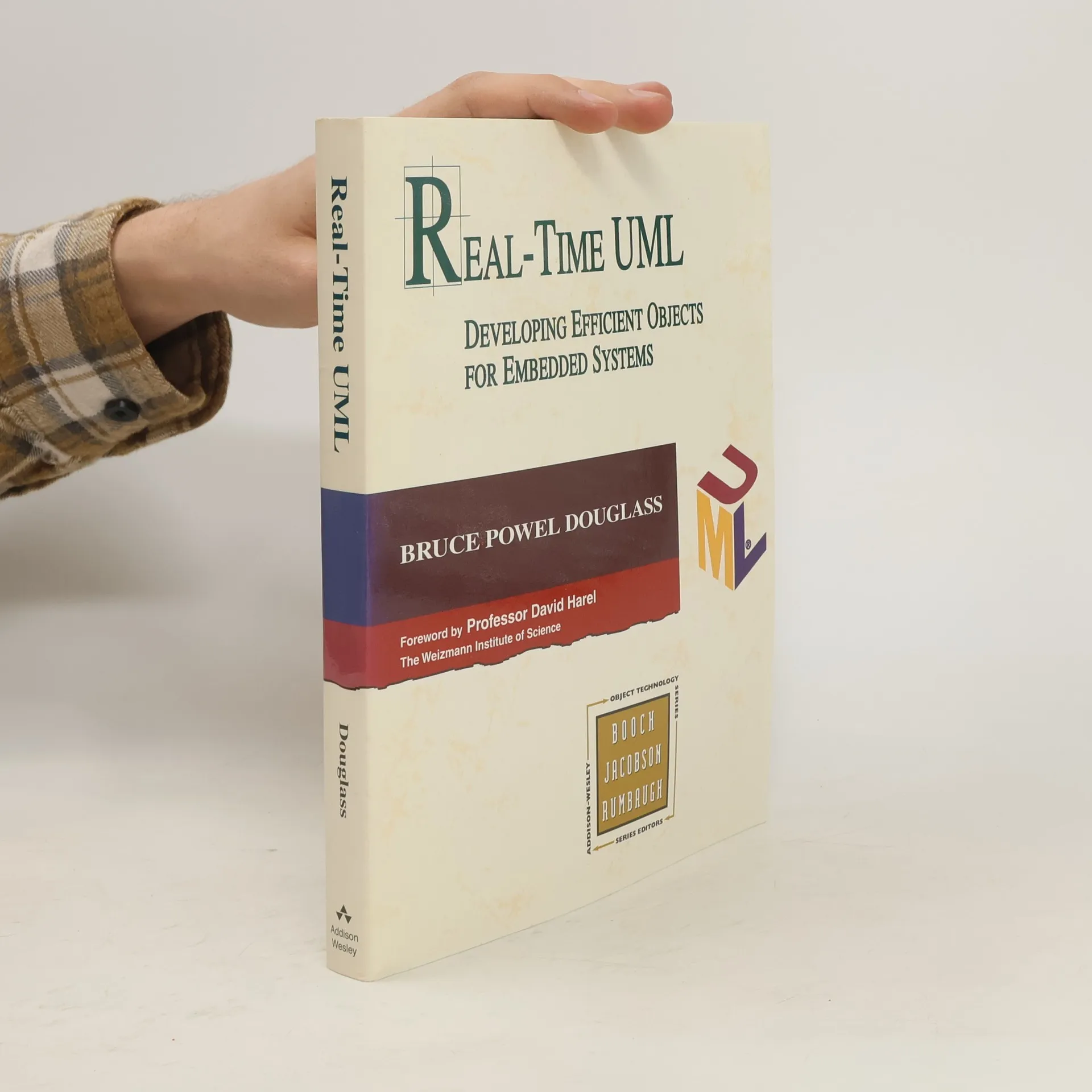
    Real- Time UML. Developing Efficient Objects for Embedded Systems
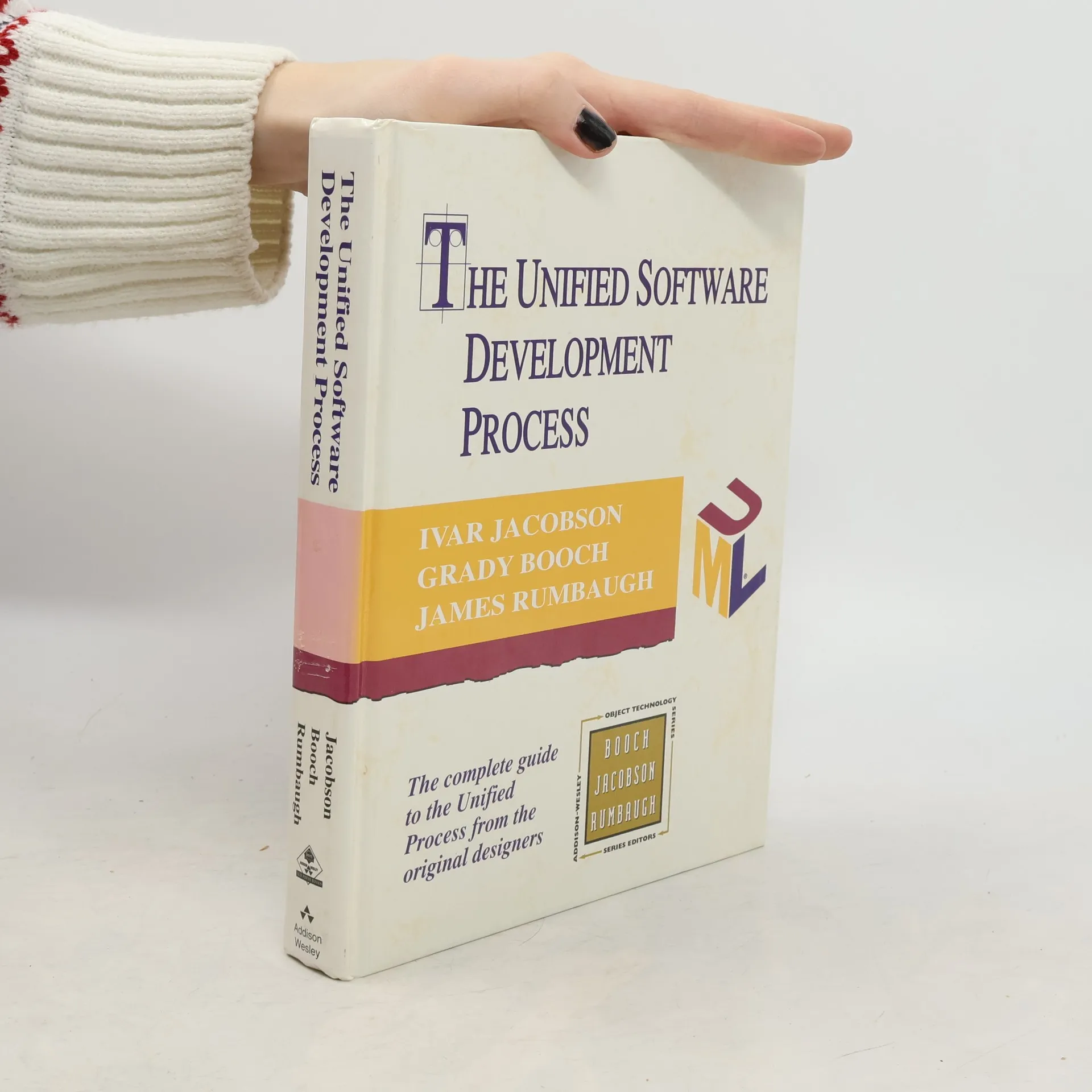
    Addison-Wesley Object Technology Series: The Unified Software Development Process
    Objects, Components, and Frameworks with UML
    Das UML-Benutzerhandbuch
    • Das UML-Benutzerhandbuch

      Aktuell zur Version 2.0

      • 560 Seiten
      • 20 Lesestunden

      In dieser - lang erwarteten - Überarbeitung zur Version 2.0 der umfassenden Einführung in UML bieten die Entwickler der Sprache - Grady Brooch, James Rumbaugh, Ivar Jacobsen - eine Einführung, die sich mit den Kernpunkten befasst. Ausgehend von einer Übersicht über UML wird die Sprache anhand der Vorstellung bestimmter Konzepte und Schreibweisen in jedem Kapitel Schritt für Schritt erläutert. Das Buch sorgt einerseits für einen umfassenden Überblick über alle Diagrammtypen sowie Elemente von UML in der zweiten Version und stellt andererseits den nötigen Praxisbezug her, um UML 2.0 effektiv für eigene Projekte einzusetzen. Die tief greifenden Erläuterungen und die an Beispielen orientierte Herangehensweise der Autoren, sorgen für ein schnelles Verständnis des komplexen Themas.

      Das UML-Benutzerhandbuch2005
      3,6
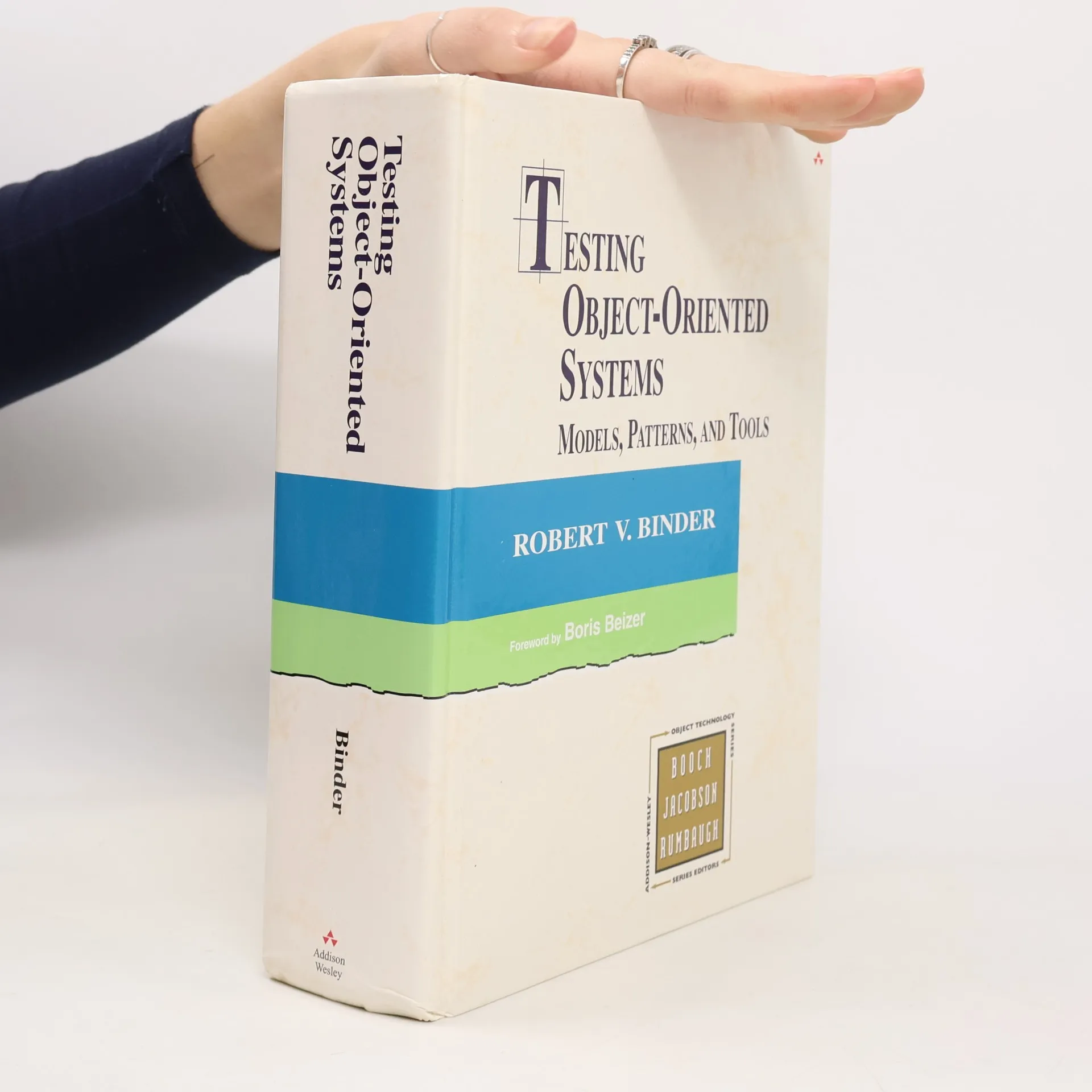
    • The Addison-Wesley Object Technology Series: Testing Object-Oriented Systems

      Models, Patterns, and Tools

      • 1191 Seiten
      • 42 Lesestunden

      Mission-critical and business-critical applications increasingly rely on object-oriented (OO) software, necessitating tailored testing techniques for high reliability and quality. This authoritative guide focuses on designing and automating test suites for OO applications, emphasizing the importance of model-based testing. It details techniques for developing testable models using state machines, combinational logic, and the Unified Modeling Language (UML). The book introduces the test design pattern and presents 37 patterns that guide the creation of responsibility-based test suites, integration, and regression testing for OO code, as well as effective testing of reusable components and frameworks. Automation is crucial, and the author explains how to design specification-based assertions to mitigate testability issues arising from inheritance and polymorphism. Fifteen micro-patterns offer practical oracle strategies for test design challenges, while seventeen design patterns illustrate how to automate test suites within a coherent OO test harness framework. Key topics include OO programming bug hazards, designing tests for classes and subsystems, supporting reuse through effective testing, integration strategies for iterative development, comprehensive system testing with use cases, regression test approaches, and automating testing with assertions and test frameworks. Real-world examples cover test design and automation for

      The Addison-Wesley Object Technology Series: Testing Object-Oriented Systems1999
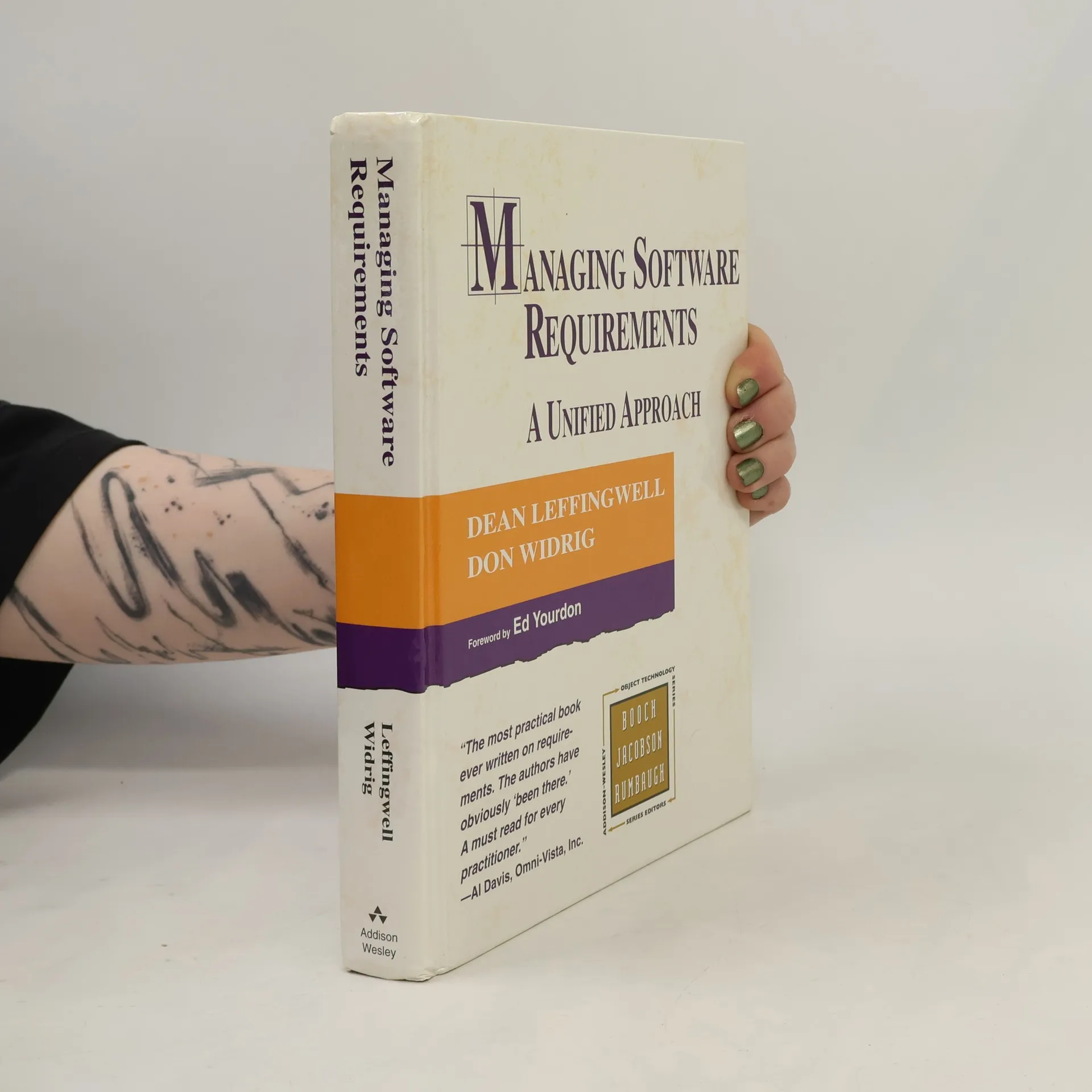
    • Managing Software Requirements

      A Unified Approach

      • 491 Seiten
      • 18 Lesestunden

      Two leading experts on requirements management demonstrate how to define exactly what software systems should do in terms that can be implemented and won't have to be redone later. Coverage includes: analyzing problems, defining systems, building and validating systems, and more.

      Managing Software Requirements1999
      3,5
    • This book is the concise, 'distilled' introduction that developers of real-time systems need to begin the transition to object-oriented analysis and design and modeling with UML. The book includes special in-depth discussions of finite state machines, object identification strategies, and real-time design patterns to help beginning and experienced developers alike.

      Real- Time UML. Developing Efficient Objects for Embedded Systems1999
      3,2
    • Provides an overview of the Unified Process for software development, with a practical focus on modeling using the Unified Modeling Language (UML). This book demonstrates how the notation and process complement one another, using UML models to illustrate the new process in action. It describes the constructs such as use cases, actors, and more.

      Addison-Wesley Object Technology Series: The Unified Software Development Process1998
      3,9
    • Objects, Components, and Frameworks with UML

      The Catalysis™ Approach

      • 785 Seiten
      • 28 Lesestunden

      Here is the first book to introduce Catalysis, a next-generation method for constructing open component systems from frameworks, based on UML and OMG standards. Using Catalysis, programmers have the ability to describe a complex system based on content perspectives or views. Each view defines a pattern with supporting models. Catalysis provides well-defined consistency rules across models and the mechanisms for composing views. .

      Objects, Components, and Frameworks with UML1998
      3,9
    • The Unified Modeling Language (UML) has rapidly become the standard notation for modeling software-intensive systems. This book provides the definitive description of UML from its original developers - James Rumbaugh, Ivar Jacobson, and Grady Booch. Whether you are capturing requirements, developing a software architecture, designing the implementation, or trying to understand an existing system, this is the book for you.

      The Unified Modeling Language Reference Manual1998
      3,8
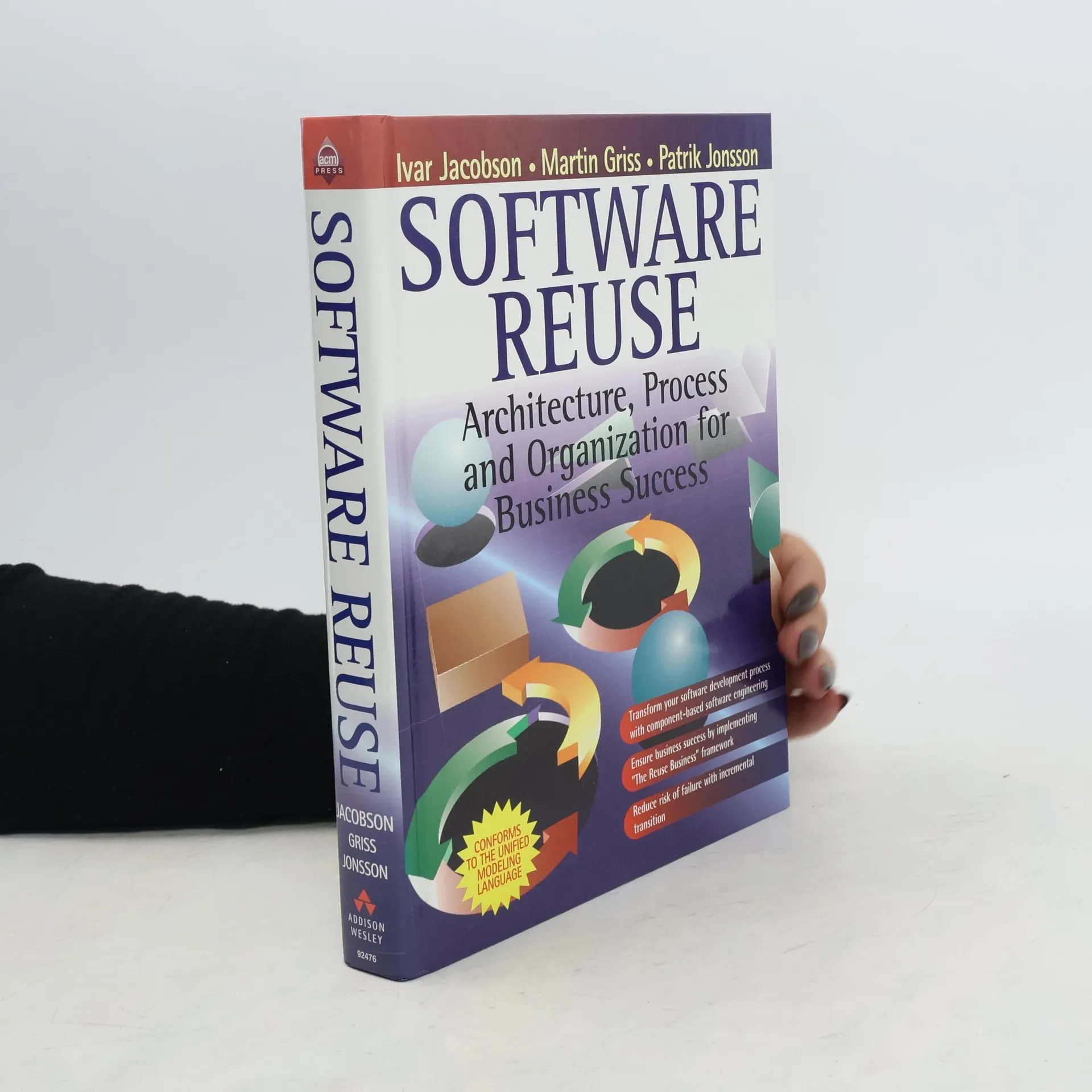
    • Software Reuse

      Architecture Process and Organization for Business Success

      • 536 Seiten
      • 19 Lesestunden

      Introducing the reuse-driven software engineering business; Architectural style; Processes; Organizing a reuse business.

      Software Reuse1997
    • Über 300.000 Entwickler haben von früheren Ausgaben von UML Distilled profitiert. Diese Ausgabe ist eine wertvolle Ressource für schnelle, prägnante Einblicke in das Verständnis und die Anwendung von UML 2.0 sowie früheren Versionen. Einige Leser möchten sich schnell mit UML 2.0 vertraut machen und die wesentlichen Aspekte der UML erlernen. Andere nutzen dieses Buch als praktisches Nachschlagewerk für die häufigsten Teile der UML. Der Autor bietet eine kurze, prägnante und fokussierte Präsentation. Das Buch beschreibt alle wichtigen UML-Diagrammtypen, deren Verwendungszweck und die grundlegende Notation zur Erstellung und Entschlüsselung. Dazu gehören Klassendiagramme, Sequenzdiagramme, Objektdiagramme, Paketdiagramme, Bereitstellungsdiagramme, Anwendungsfalldiagramme, Zustandsmaschinen, Aktivitätsdiagramme, Kommunikationsdiagramme, Kompositionsstrukturdiagramme, Komponentendiagramme, Interaktionsübersicht und Timing-Diagramme. Die Beispiele sind klar und die Erklärungen konzentrieren sich auf die grundlegende Entwurfslogik. Es enthält ein schnelles Nachschlagewerk zu den nützlichsten Teilen der UML-Notation und eine nützliche Zusammenfassung der Diagrammtypen, die zur UML 2.0 hinzugefügt wurden.

      UML - konzentriert1997
      3,8
    • The Object Advantage

      Business Process Reengineering With Object Technology

      • 347 Seiten
      • 13 Lesestunden

      From the author of the bestselling Object-Oriented Software Engineering, this is the first book to combine object-oriented technology and business process engineering. Jacobson demonstrates how object technology can be used in the BPR model, how the requirements of a new software system can be captured as a result of business engineering, and much more.

      The Object Advantage1994
    • How can software developers, programmers and managers meet the challenges of the 90s and begin to resolve the software crisis? This book is based on Objectory which is the first commercially available comprehensive object-oriented process for developing large-scale industrial systems. Ivar Jacobson developed Objectory as a result of 20 years of experience building real software-based products. The approach takes a global view of system development and focuses on minimizing the system's life cycle cost. Objectory is an extensible industrial process that provides a method for building large industrial systems. This revised printing has been completely updated to make it as accessible and complete as possible. New material includes the revised Testing chapter, in which new product developments are discussed.

      Object-oriented software engineering : a use case driven approach1994
      3,9