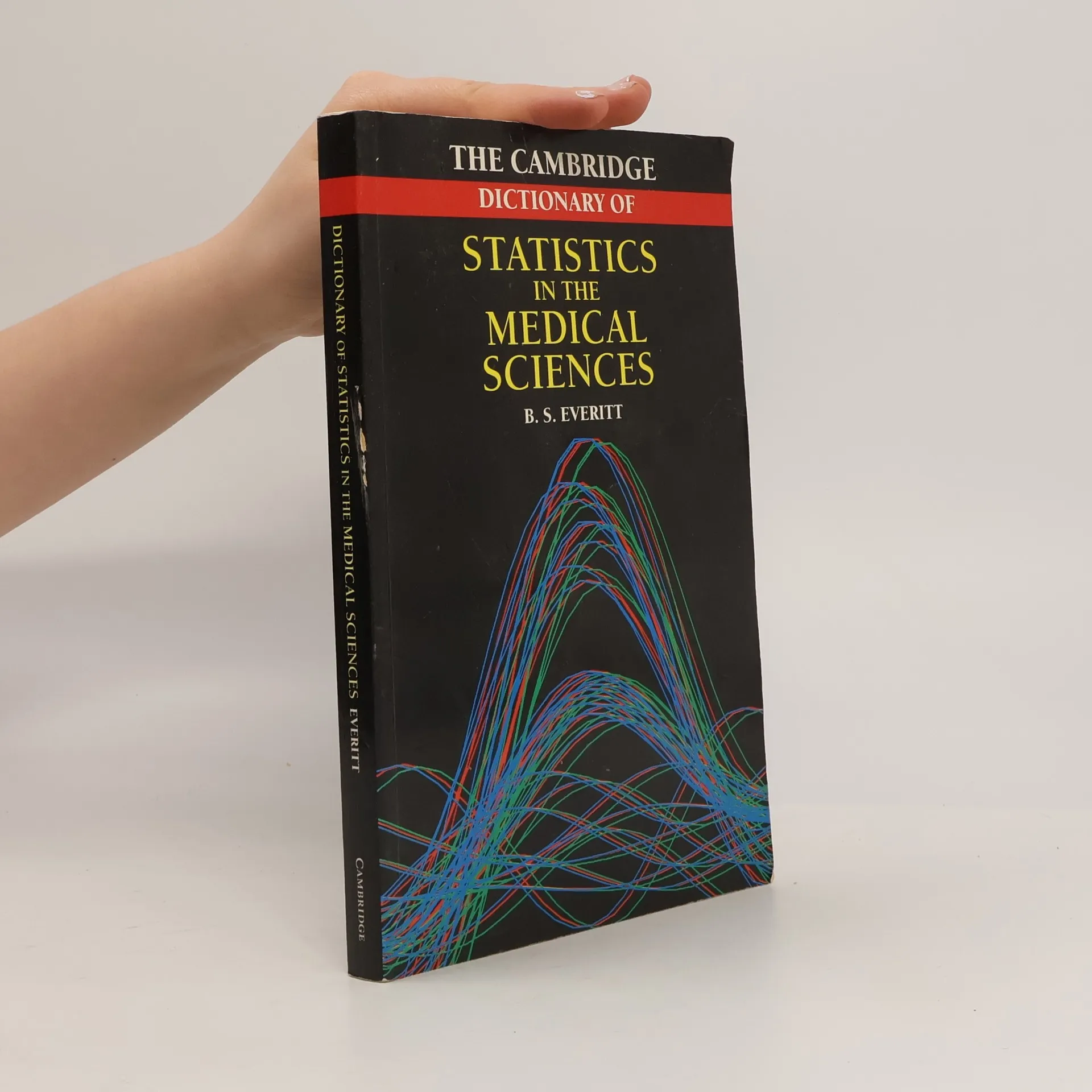
This dictionary provides over 2,000 brief but useful definitions of statistical terms frequently found in the medical and medical statistics literature. Where appropriate, the author illustrates terms with pictures or numerical examples, and minimizes the use of mathematical formulas. This book will be an essential reference for workers in all branches of medicine, applied statistics and biostatistics.
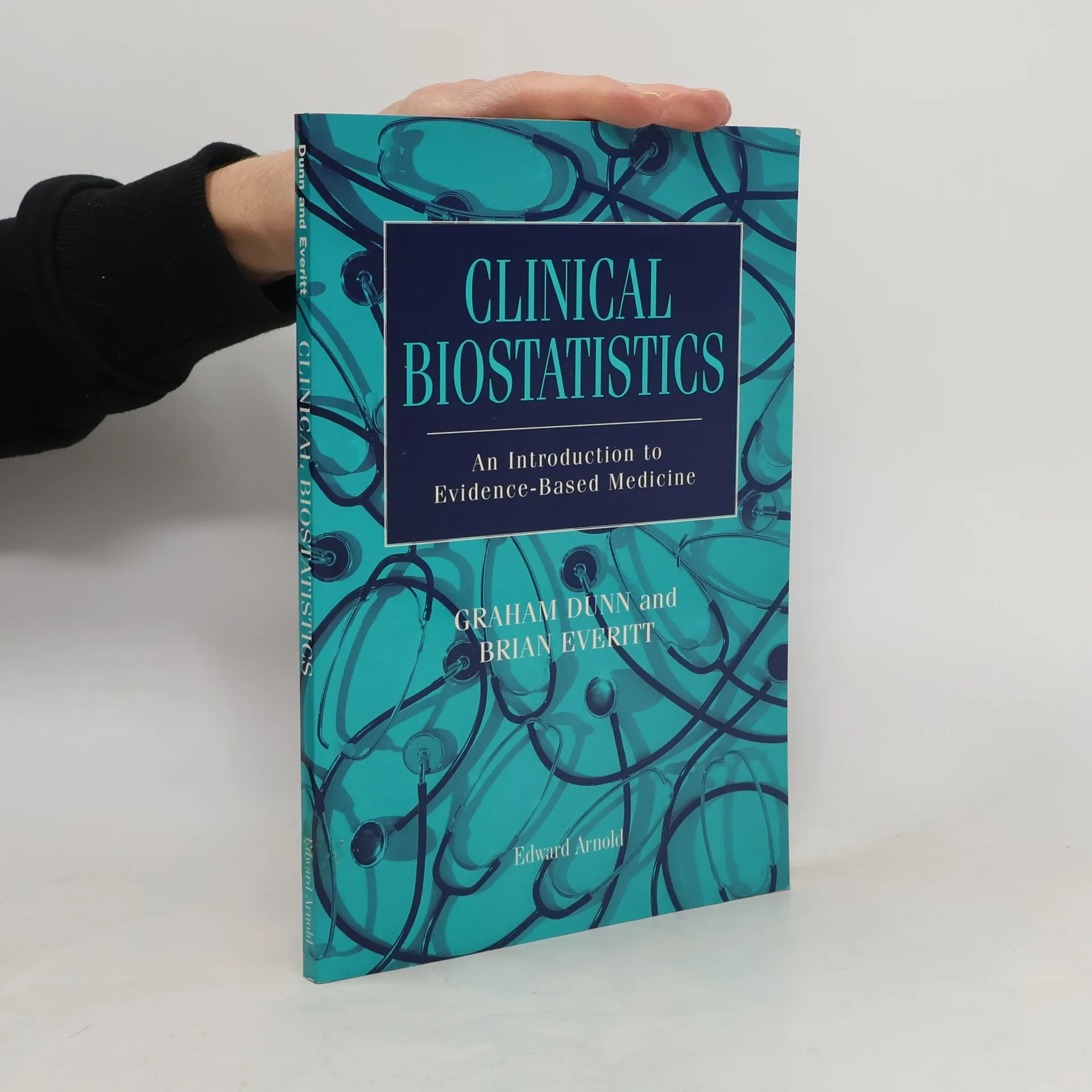
A biostatistics text which is also motivated by clinical problems. It is written in reponse to the increasing number of medical schools moving over to a problem-based curriculum in which clinical skills and basic science are learnt in an integrated manner.
Focused on multivariate analysis techniques, this book offers a thorough exploration of various methods applicable across research disciplines. It emphasizes practical application by providing extensive examples of R code, enabling readers to implement these techniques effectively. The content is designed to enhance understanding and skills in handling complex data sets using R, making it a valuable resource for researchers and data analysts alike.
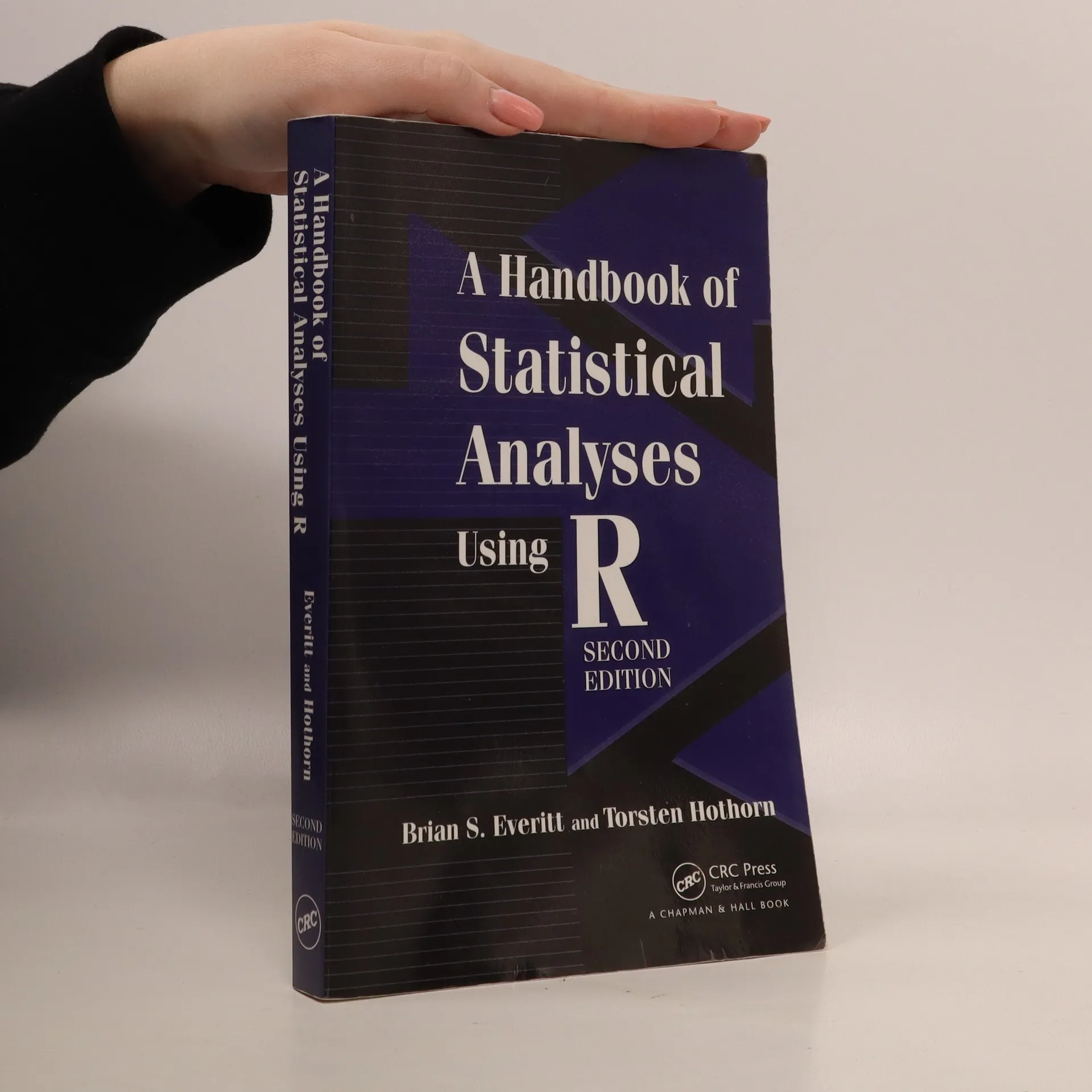
A Proven Guide for Easily Using R to Effectively Analyze Data Like its bestselling predecessor, A Handbook of Statistical Analyses Using R, Second Edition provides a guide to data analysis using the R system for statistical computing. Each chapter includes a brief account of the relevant statistical background, along with appropriate references. New to the Second Edition New chapters on graphical displays, generalized additive models, and simultaneous inference A new section on generalized linear mixed models that completes the discussion on the analysis of longitudinal data where the response variable does not have a normal distribution New examples and additional exercises in several chapters A new version of the HSAUR package (HSAUR2), which is available from CRAN This edition continues to offer straightforward descriptions of how to conduct a range of statistical analyses using R, from simple inference to recursive partitioning to cluster analysis. Focusing on how to use R and interpret the results, it provides students and researchers in many disciplines with a self-contained means of using R to analyze their data.
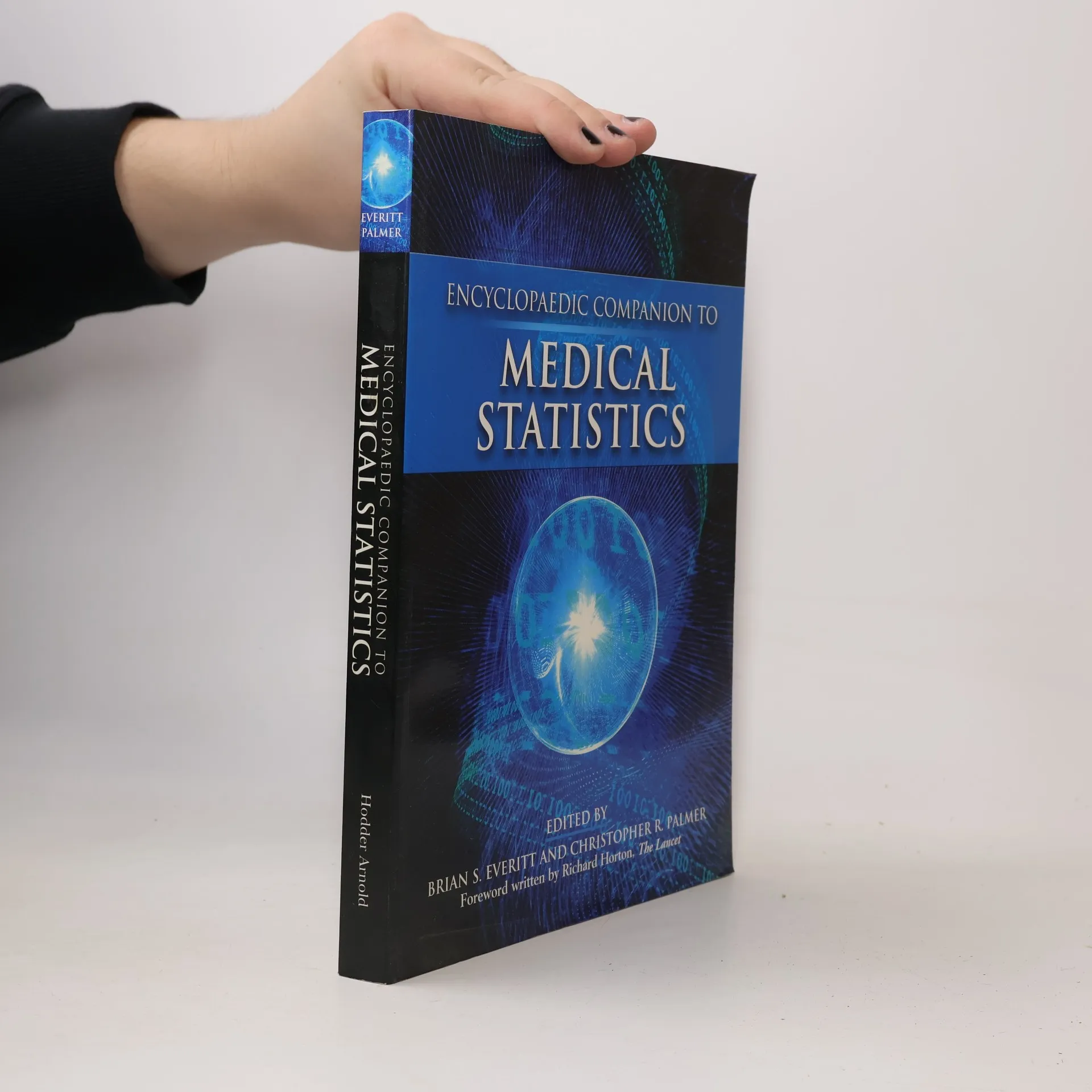
During the last twenty years statistical methodology has become of central importance in research studies in medicine and also in day-to-day clinical practice. The medical literature is now liberally punctuated not only with relatively routine statistical terms such as p-value, t-test, confidence interval, and correlation, but also with more esoteric items such as hazard function, multilevel model, generalized estimating equations and crossover design. Consequently researchers in medicine and clinicians who are not primarily statisticians need to have a source that provides readable accounts of these terms so that they can understand at least the essence of the statistical aspects of both the design and analysis of a reported investigation. The Encyclopedic Companion to Medical Statistics is that source, containing readable accounts of over 500 statistical topics central to current medical research, with each entry being written by an expert in the field. Examples and graphical material supplement the written material in many entries, and extensive cross-referencing sign posts the reader to other entries that are likely to be relevant.
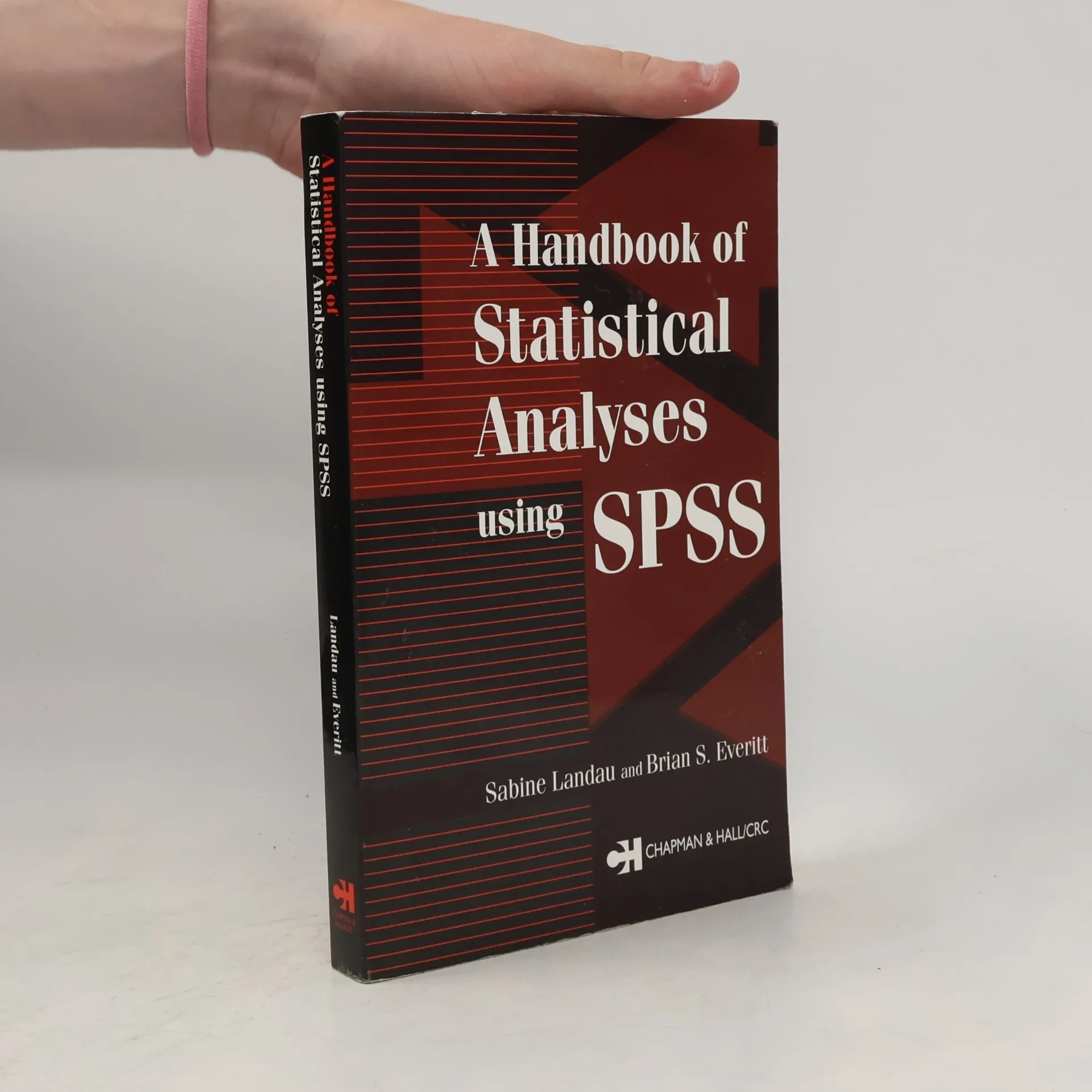
A Handbook of Statistical Analyses Using SPSS clearly describes how to conduct a range of univariate and multivariate statistical analyses using the latest version of the Statistical Package for the Social Sciences, SPSS 11. Each chapter addresses a different type of analytical procedure applied to one or more data sets, primarily from the social and behavioral sciences areas. Each chapter also contains exercises relating to the data sets introduced, providing readers with a means to develop both their SPSS and statistical skills. Model answers to the exercises are also provided. Readers can download all of the data sets from a companion Web site furnished by the authors.