
Bookbot

James J. O. Donnell

    James Joseph O'Donnell ist ein führender Klassischer Gelehrter, dessen Werk sich mit dem späten Römischen Reich und den Schriften des Augustinus von Hippo befasst. Als Universitätsbibliothekar und ehemaliger Universitätsprofessor erforscht er intensiv die Schnittstelle zwischen klassischer Gelehrsamkeit und moderner Informationstechnologie. Seine frühe Nutzung des World Wide Web für die akademische Zusammenarbeit in den Geisteswissenschaften unterstreicht seinen innovativen Ansatz zur Wissensvermittlung. O'Donnell bringt eine einzigartige Perspektive in seine Arbeit ein, die historische Tiefe mit einem zukunftsorientierten Blick auf die akademische Landschaft verbindet.

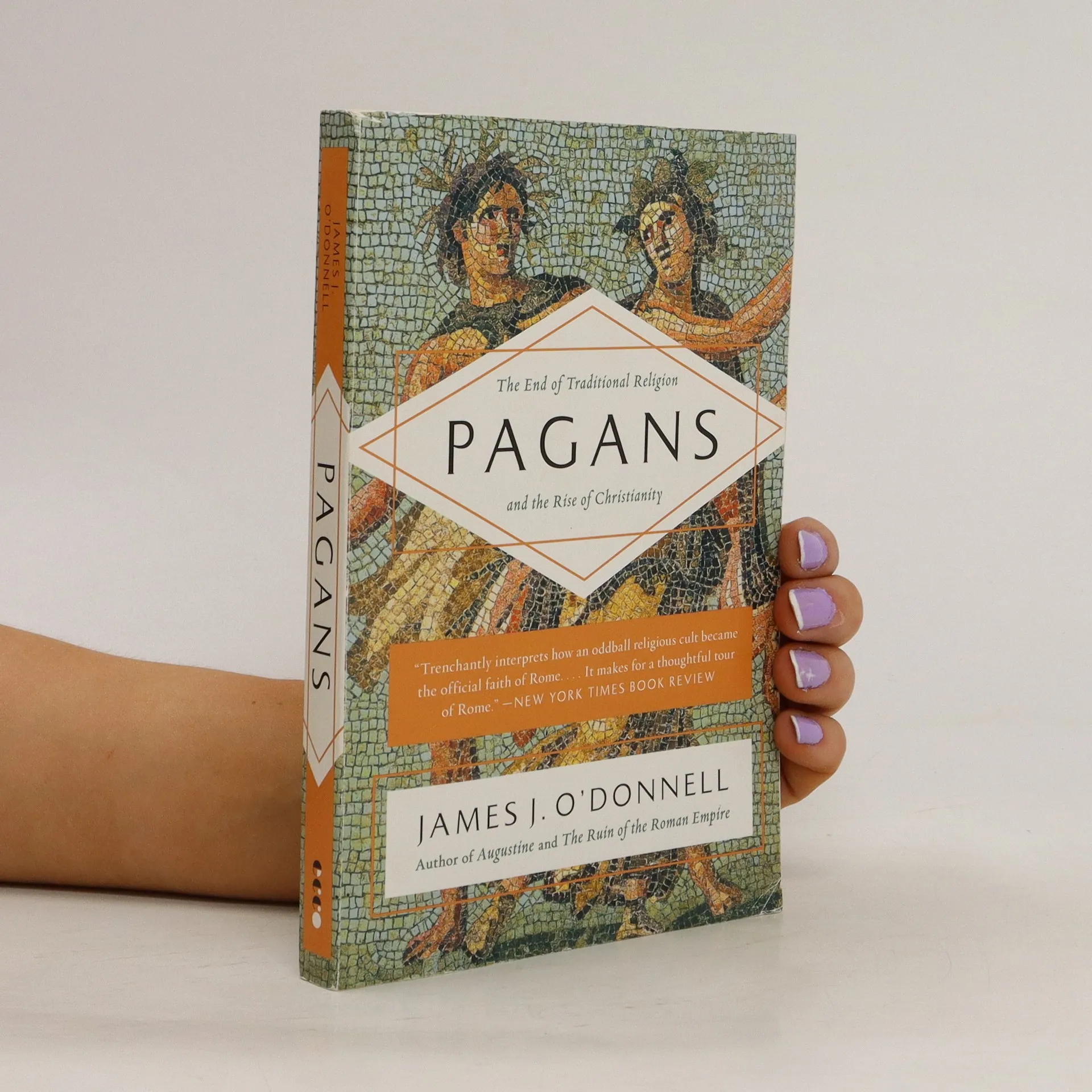
    Pagans: the end of traditional religion and the rise of Christianity
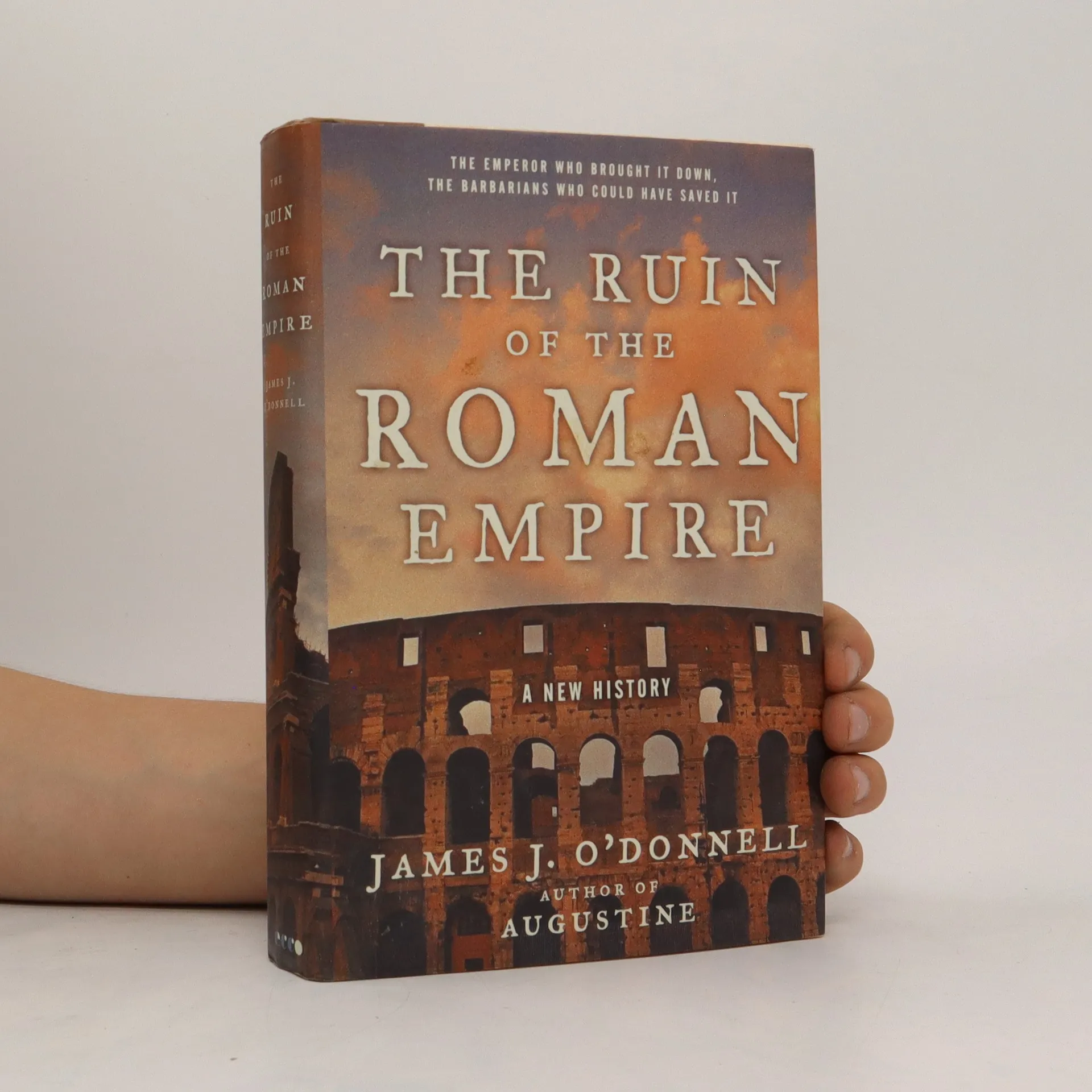
    The Ruin of the Roman Empire
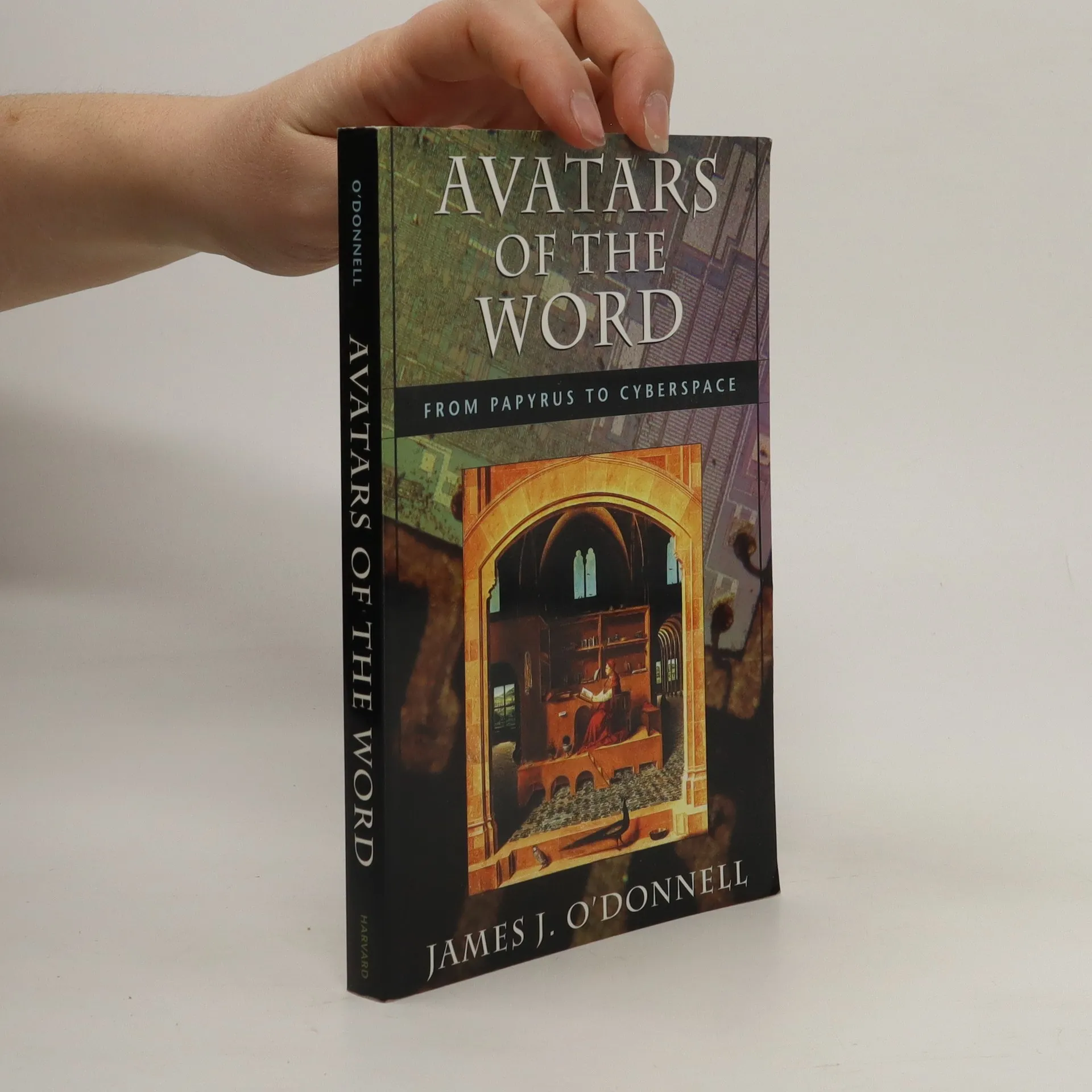
    Avatars of the word: from papyrus to cyberspace
    • The written word has been a central bearer of culture since antiquity. But its position is now being challenged by the powerful media of electronic communication. In this penetrating and witty book James O'Donnell takes a reading on the promise and the threat of electronic technology for our literate future. In Avatars of the Word O'Donnell reinterprets today's communication revolution through a series of refracted comparisons with earlier revolutionary periods: the transition from oral to written culture, from the papyrus scroll to the codex, from copied manuscript to print. His engaging portrayals of these analogous epochal moments suggest that our steps into cyberspace are not as radical as we might think. Observing how technologies of the word have affected the shaping of culture in the past, and how technological transformation has been managed, we regain models that can help us navigate the electronic transformation now underway. Concluding with a focus on the need to rethink the modern university, O'Donnell specifically addresses learning and teaching in the humanities, proposing ways to seek the greatest benefit from electronic technologies while steering clear of their potential pitfalls.

      Avatars of the word: from papyrus to cyberspace
      3,8
    • The Ruin of the Roman Empire

      • 436 Seiten
      • 16 Lesestunden

      Recounts the sixth-century events and circumstances that led to the fall of the Roman Empire.

      The Ruin of the Roman Empire
      3,6
    • This provocative religious history examines the rise of Christianity through the lens of traditional religions, highlighting the perspectives of those whose lives were upended by what they perceived as a powerful cult. The "pagans" in question were devout Greeks, Romans, Syrians, and Gauls who adhered to their ancestral traditions. To these polytheists, the Christians, who worshipped a single deity, appeared as immoral atheists, believing that a mere splash of water at death could absolve a lifetime of sins. The author takes readers on an engaging journey through the Ancient Roman world up to the fourth century CE, a time when individuals from various backgrounds faced the imposition of a new faith by rulers favoring this unfamiliar god. Some embraced the new religion, while others dismissed it as a fleeting trend. The narrative vividly brings to life pagan rituals and essential aspects of Roman religion and society, presenting fresh insights into historical figures like Constantine, Julian, and Augustine. It explores significant themes such as the tension between Rome and the East, civilization versus barbarism, plurality versus unity, and the dichotomy of rich versus poor, all within this compelling account.

      Pagans: the end of traditional religion and the rise of Christianity
      3,4