Mark Lilla ist ein amerikanischer Politikwissenschaftler und Ideenhistoriker, dessen Werk sich mit politischer Philosophie und der Geschichte des Liberalismus beschäftigt. Er untersucht die Entwicklung politischer Gedanken und ihre Auswirkungen auf die heutige Gesellschaft mit dem Ziel, das Wesen des liberalen Denkens und seine Zukunft zu verstehen. In seinen Essays und Büchern bietet Lilla aufschlussreiche Perspektiven auf die komplexen politischen und intellektuellen Herausforderungen unserer Zeit.
Im 20. Jahrhundert unterstützten zahlreiche Intellektuelle totalitäre Regime. Wie aber konnten Schriftsteller und Philosophen die Hitlers und Stalins fördern und menschliches Leid billigen? Mark Lillas Fallanalysen von Heidegger, Foucault, Derrida u. a. gehen der Frage nach, wie große Denker zu Philotyrannen werden und finden die Ursache in einer allzumenschlichen Passion: der Faszination der Stärke.
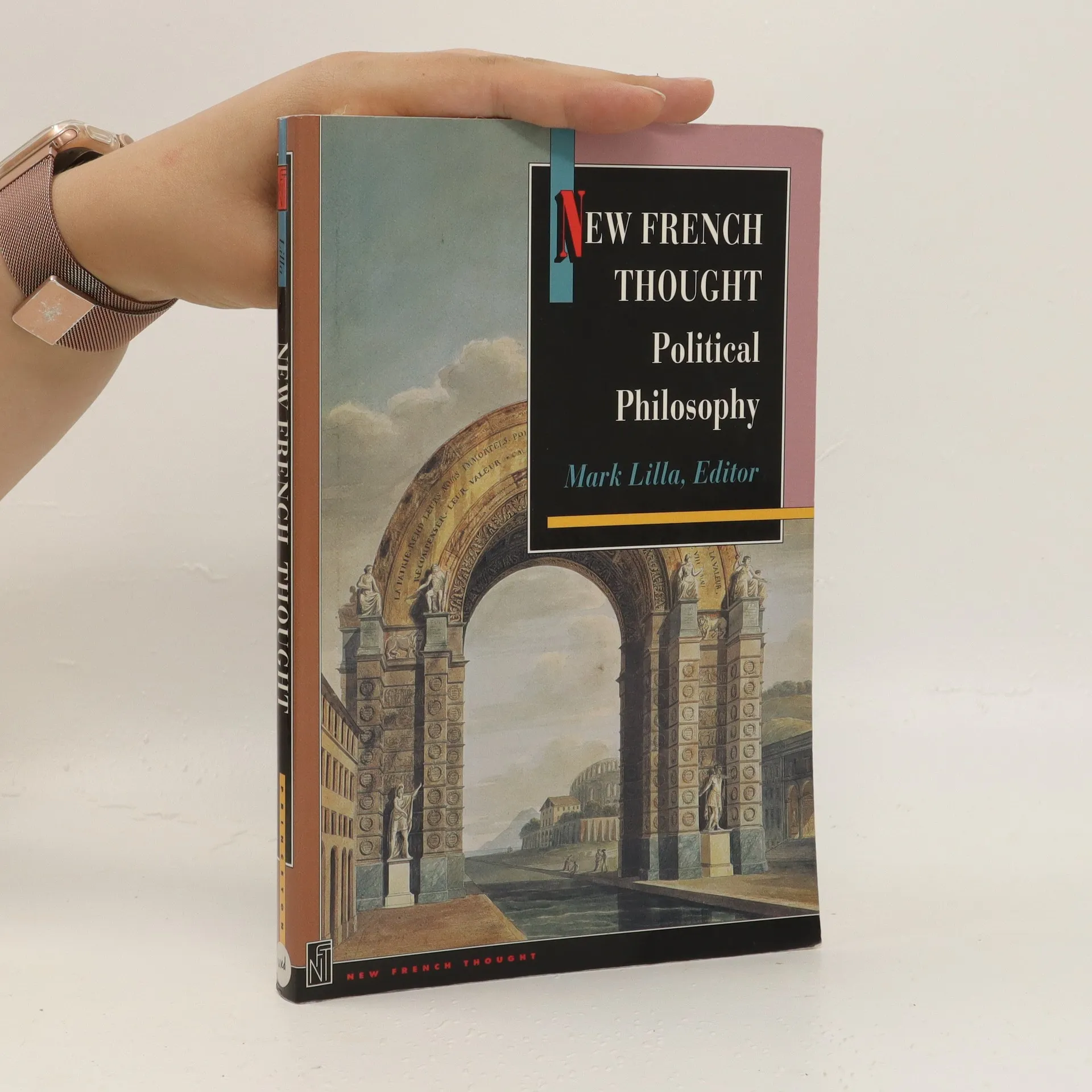
This is a collection of essays by young French political thinkers writing in the 1990s. The central theme of the essays is liberal democracy: its nature, its development, its problems and its fundamental legitimacy. French critics of liberal society are also reconsidered.
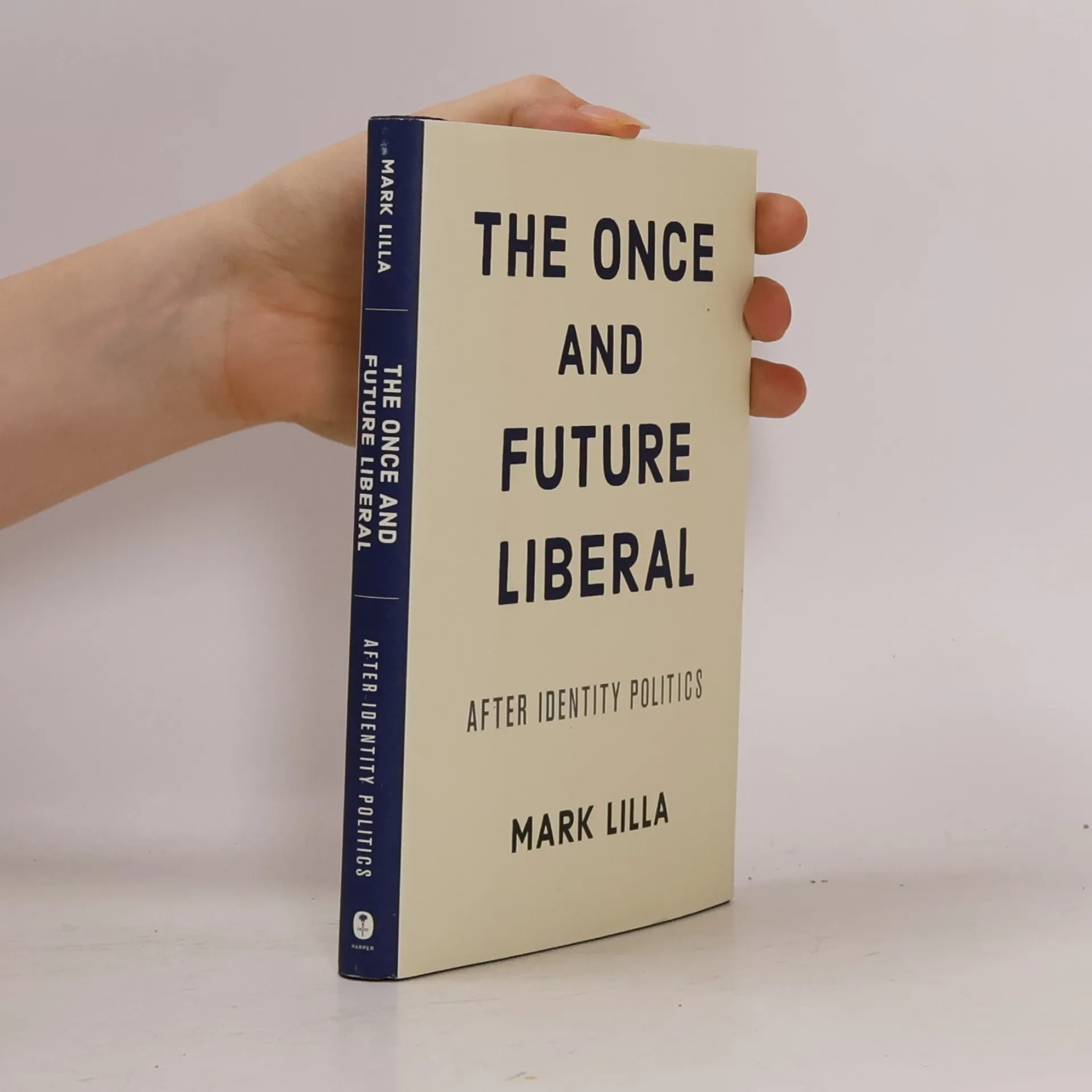
From one of the country’s most respected political thinkers comes an urgent call for American liberals to shift away from divisive identity politics and craft a unifying vision for the future. Mark Lilla provides a critical examination of the failures of American liberalism over the past two generations. Despite having Democrats in the White House and some policy successes, the dominant ideology of small government and self-reliance, championed by Ronald Reagan, has persisted for nearly 40 years. Lilla argues that the embrace of identity politics has led to disastrous outcomes, balkanizing the electorate and fostering self-absorption instead of solidarity. This focus on individualism has combined with the right's economic individualism, resulting in an electorate disconnected from a shared future and dismissive of the common good. In this context, liberals have lost the battle for the American imagination but now have a chance to reset. With the Republican Party in disarray, Lilla urges liberals to focus on winning elections and reclaiming institutions. The time for lecturing is over; reaching out and persuading people from diverse backgrounds is essential. A renewed sense of common purpose and duty among Americans is crucial. Lilla’s incisive and witty analysis makes this work vital for understanding our current political landscape.
We struggle to comprehend the reactionary mind, which shapes today’s political landscape. Mark Lilla argues that the reactionary is not merely a conservative; rather, he is a radical figure, disoriented by rapid change and yearning for an idealized past, while fearing an impending catastrophe. The motivations behind reactionary politics are rooted in sophisticated ideas. Lilla explores the foundations of reactionary thought through three twentieth-century philosophers—Franz Rosenzweig, Eric Voegelin, and Leo Strauss—who linked modern societal issues to a rupture in the history of ideas and advocated for a return to earlier philosophies. He also delves into the lasting influence of grand historical narratives of betrayal that have shaped political perspectives since the French Revolution. These narratives serve various, often opposing, purposes and appear in the works of right-wing cultural pessimists, Maoist neocommunists, American theoconservatives, and radical Islamists. While the revolutionary fervor that fueled global movements may have waned, the spirit of reaction remains a powerful historical force. In our current age, the tragicomic nostalgia reminiscent of Don Quixote has morphed into a potent, sometimes dangerous weapon. Lilla illuminates the reasons behind this phenomenon.
Delving into the complexities of human desires, this work examines the yearning for innocence and the allure of ignorance, revealing the profound consequences that accompany these wishes. Through a thoughtful narrative, it challenges readers to reflect on the balance between knowledge and naivety, ultimately inviting a deeper understanding of the human experience.
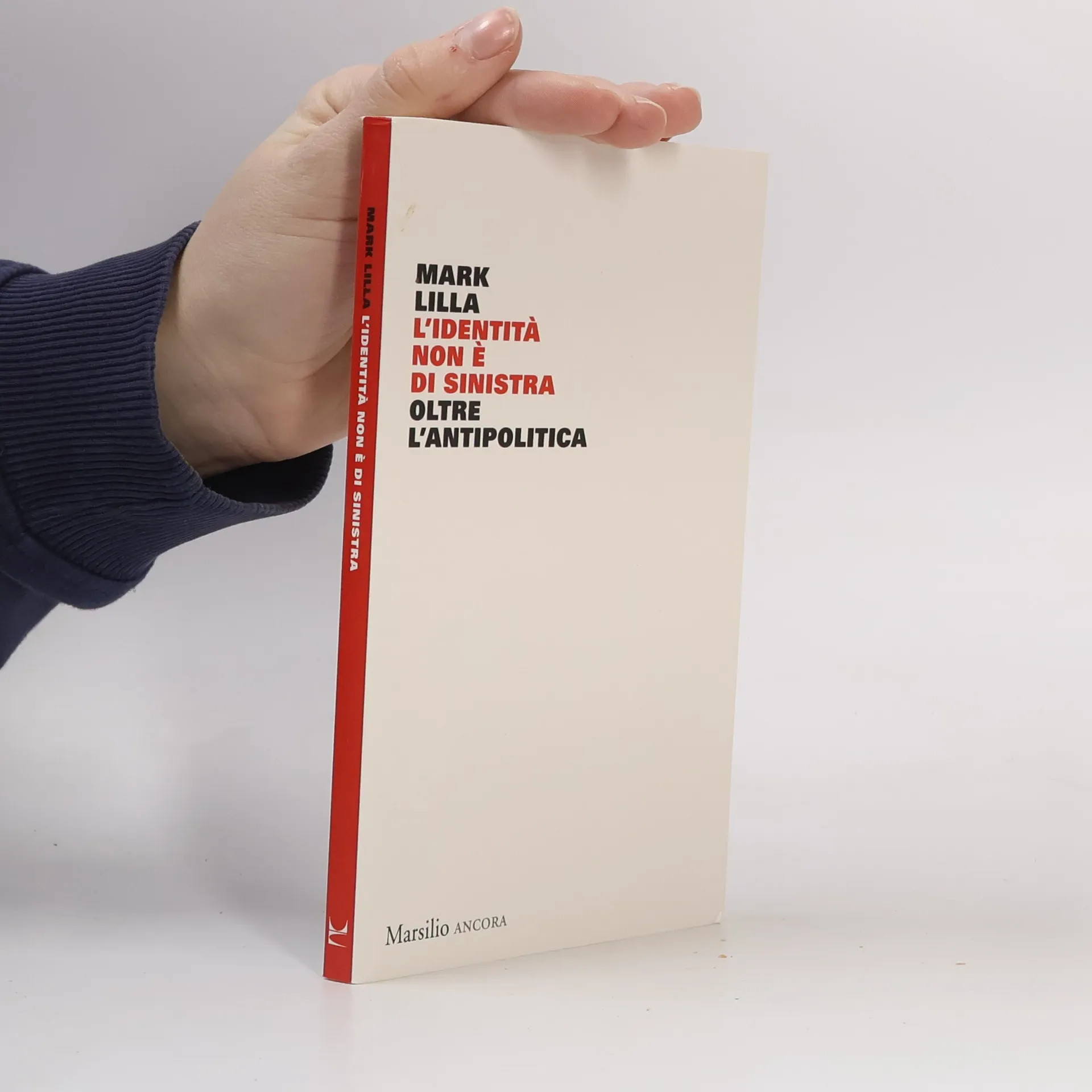
Negli ultimi decenni, l'identità è diventata un campo di scontro politico cruciale, con i diritti delle donne, della comunità gay e di altre minoranze al centro dell'agenda dei partiti di sinistra. Tuttavia, le vittorie di populisti e demagoghi nelle democrazie avanzate mettono in discussione diritti civili considerati scontati. In questo contesto, Mark Lilla sostiene che la sinistra liberale, abbracciando battaglie politiche basate sull'identità, ha abdicato al suo ruolo. Accettando l'individualismo promosso da Reagan e Thatcher negli anni '80, i liberali hanno alimentato un sistema di valori antipolitico, rinunciando al consenso degli elettori per un attivismo frammentario. Questo approccio, pur animato da buone intenzioni, è incapace di affrontare la realtà, essendo allergico ai compromessi necessari nella rappresentanza. Con questa critica, Lilla riapre il dibattito sul futuro della sinistra americana dopo la vittoria di Trump, sfidando i progressisti a superare l'ossessione per l'individualità e a concentrarsi su ciò che ci unisce come cittadini. Invita a immaginare un futuro inclusivo, soprattutto per i più vulnerabili.