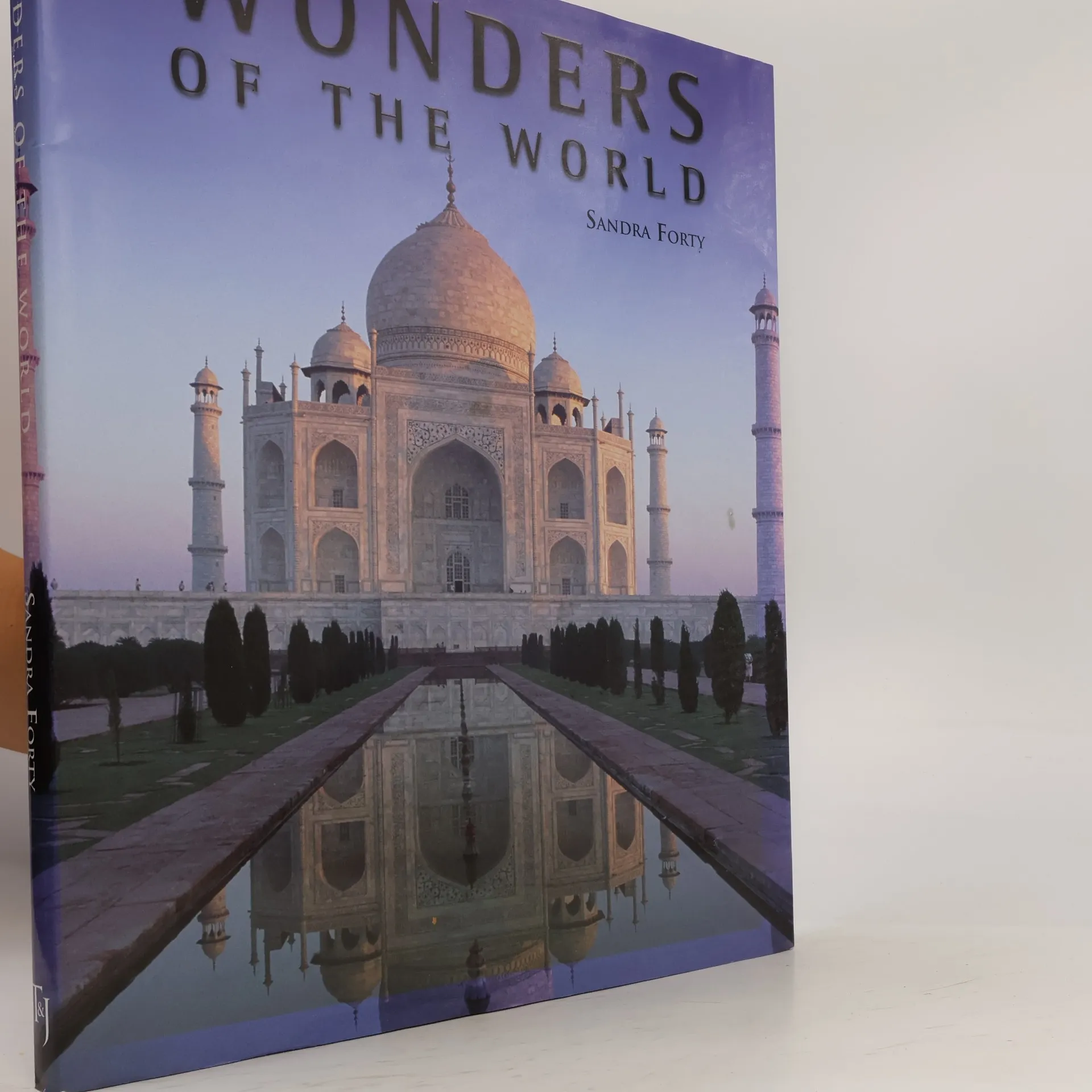
Sandra Forty schöpft aus ihrem Hintergrund in mittelalterlicher und frühneuzeitlicher Geschichte und Kunst, um fesselnde Werke zu schaffen. Ihre Schriften, die sich oft auf Kunst und Architektur konzentrieren, zeugen von einem tiefen Verständnis des historischen Kontexts. Als ehemalige Journalistin und Redakteurin bringt sie Klarheit und ein erzählerisches Gespür in ihre Prosa ein. Ihr Ansatz verbindet wissenschaftliche Strenge mit einem zugänglichen und ansprechenden Stil, der Kunst- und Geschichtsinteressierte gleichermaßen anspricht.
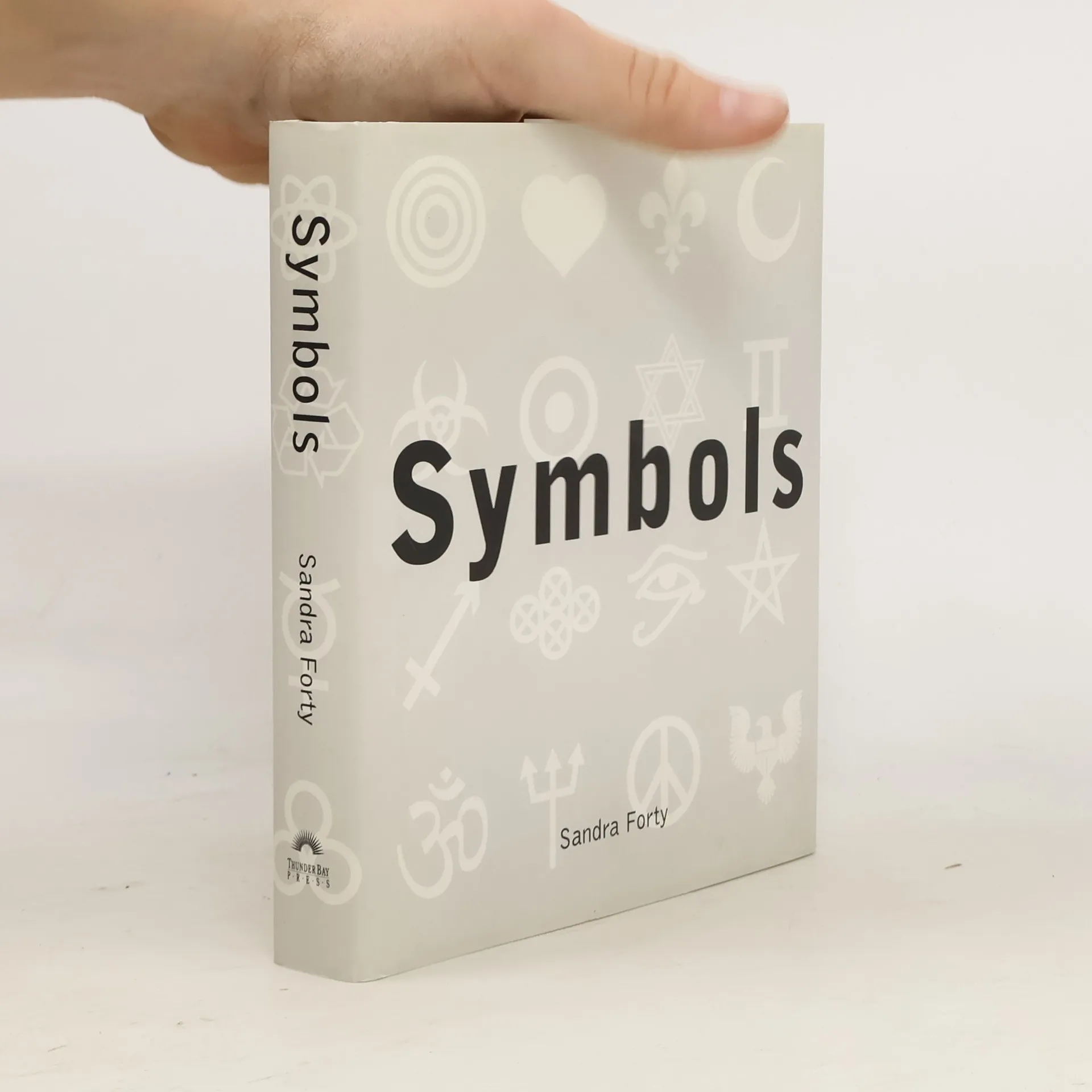
Symbole sind überall präsent in unserem Leben, ohne dass wir sie immer wahrnehmen würden. Sie lotsen uns durch den Verkehr, sie warnen uns, sie begegnen uns in Werbung, Politik, Religion, Musik, Mathematik oder Astrologie. Uralt ist ihre Tradition in allen Kulturen dieser Erde, und sie üben oft eine geradezu mystische Faszination aus.§§In diesem Handbuch finden Sie eine umfassende Übersicht über mehr als 700 wichtige Symbole aus verschiedenen Kulturkreisen wie dem Nahen und Fernen Osten, aus Afrika, Amerika und der westlichen Welt. Auch die Symbole früher Kulturen unserer Erde werden in einem Kapitel vorgestellt.
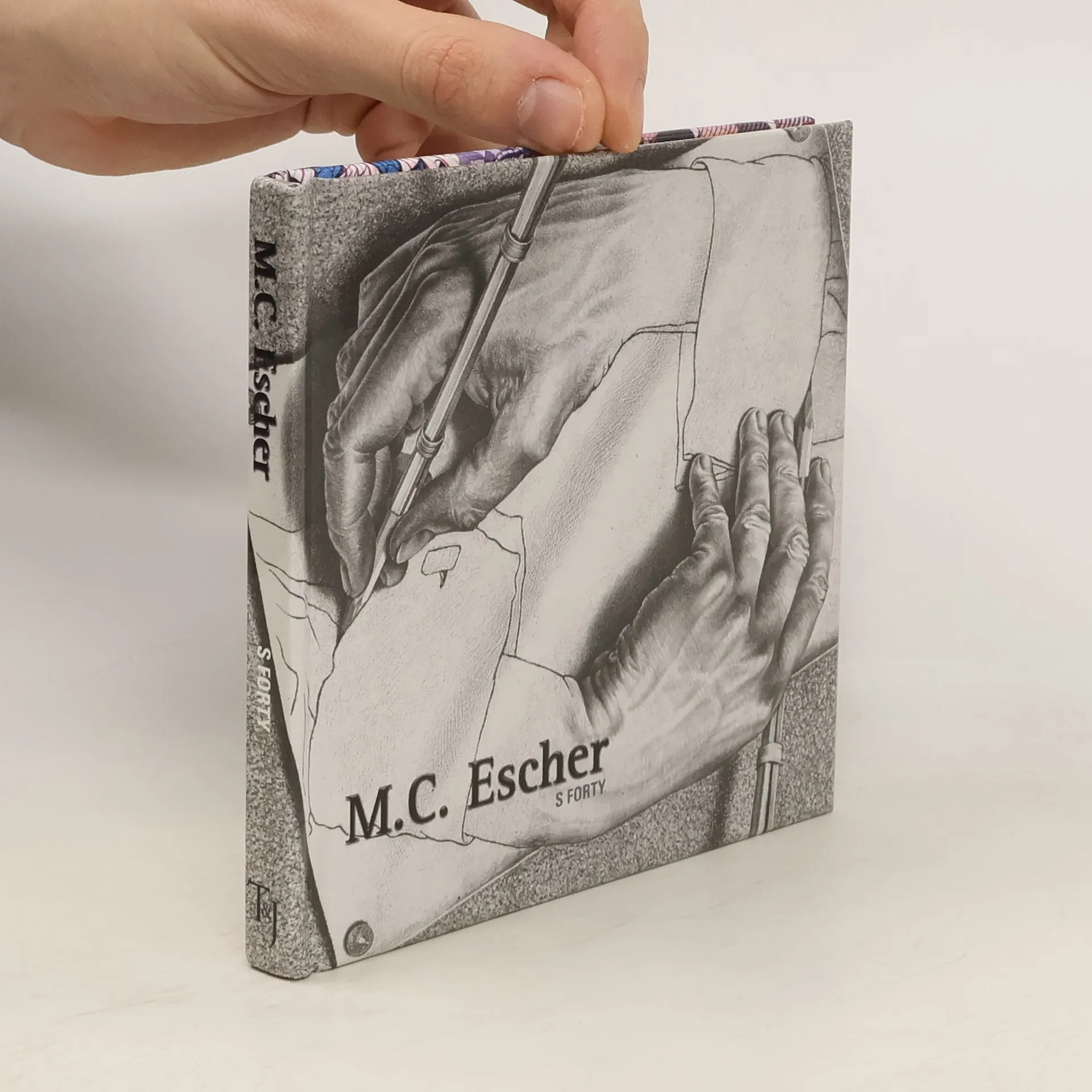
Maurits Cornelis Escher (Leeuwarden, June 17, 1898--March 27, 1972 in Laren) was a Dutch mathematical artist known for his woodcuts, lithographs and mezzotints which feature impossible constructions, explorations of infinity, and tessellations. This book has numerous examples of how his extraordinary pictures of logic fool the brain into believing the impossible--water can run uphill and steps that go upwards.
The word symbol is derived from the Greek, symbolon, and is a graphic sign for an idea, concept, or object. The oldest were of the five basic elements: fire, water, earth, sun, and wind, which evolved into elaborate Egyptian hieroglyphics. Despite alphabets and languages, symbols continue to develop and evolve in every culture. Featuring over 300 color photographs, Symbols looks at the meaning of over 1,000 signs, categorized into esoteric, ideology, philosophy, religion, and science.
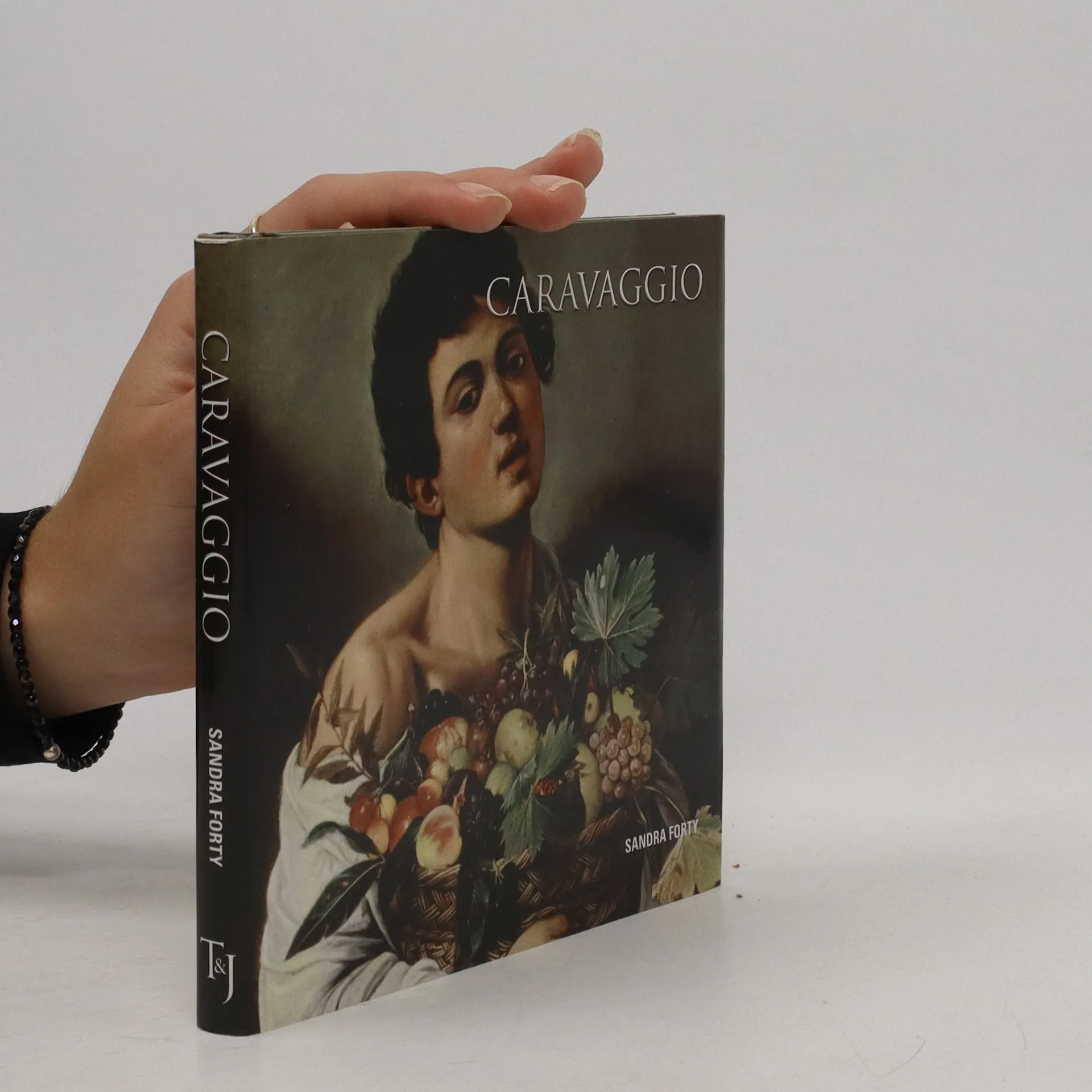
Caravaggio is variously labeled a uniquely gifted artist and an arrogant, rebellious, and dangerously violent murderer. But for all his wild behavior, he was a profoundly religious man. Caravaggio, the first artist to bring realism to painting, is considered by many to be the greatest Baroque painter of all. The Old and New Testaments are brought vividly to light by Caravaggio’s talent. Many of his paintings depict the grace of God as a shaft of light pouring from above to annoint his subject. By keeping his backgrounds very dark, if not completely black, Caravaggio further spotlighted the figures in the foreground that told the story. Many modern art historians consider Caravaggio to have been mentally ill, and he was described even by his admirers as being uno cervello stravagantissimo, or an exceptionally odd man. Nevertheless, Caravaggio gained a significant reputation at an early age. His achievements did not protect him from a murder charge, however, and he fled first to Naples and then to Malta. Tragically, his life ended at the age of 38 on a Tuscan beach, just three days before receiving a pardon on this murder charge.
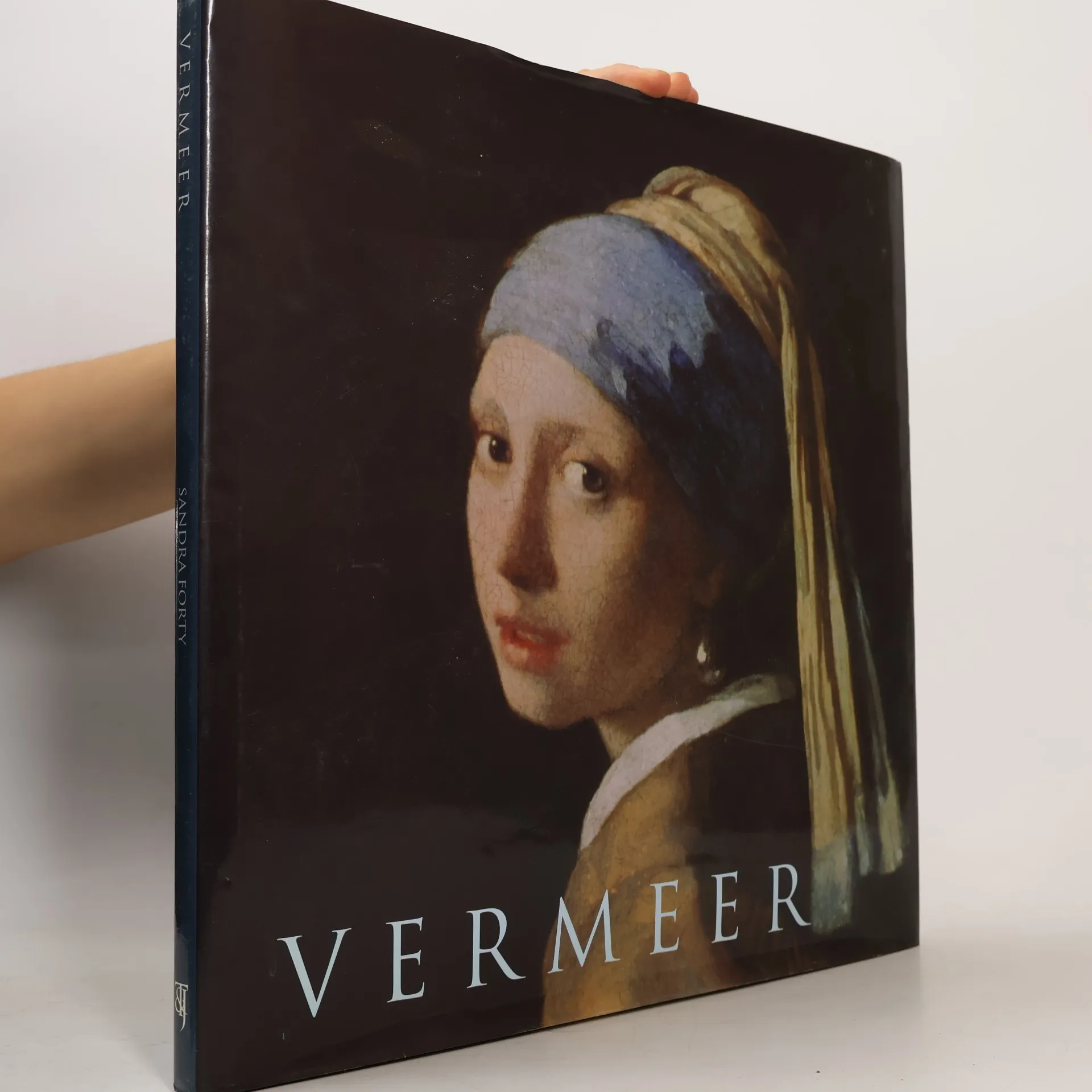
The late-Renaissance Dutch painter created some of the most exquisite paintings in the history of Western art. He captured men and women transfixed in quiet meditative moments, using dramatic lighting and perspective to effect a moody and poetic ambiance. This book shows all his paintings in full-color and explains some of the techniques and meanings of these apparently innocent paintings of Dutch small town life.
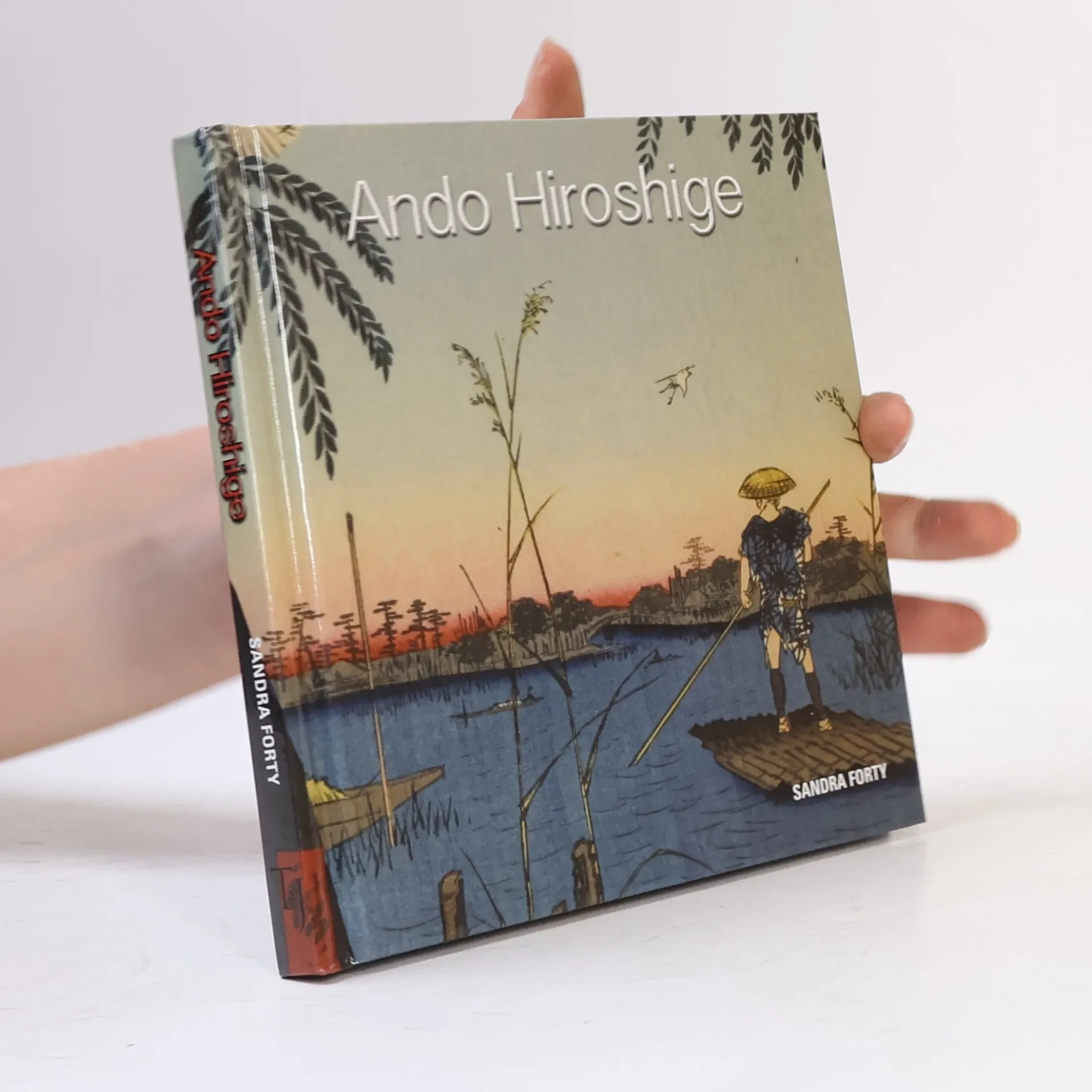
This book is a selecter collection of Hiroshige's paintings in the series 100 Famous Views of Edo. He completed all but a handful of the scenes before his death. His son finished the series. The Series is divided intro de four seasons of spring, summer, autumn and winter.
England, Scotland, Wales, and Northern Ireland have been united since the early 19th century, but their leaders have struggled for power since the Romans abandoned Britannia in the fifth century A.D. As the Romans departed, Celtic Britain began to see an influx of Angles, Jutes, and Saxons, laying the foundation for English culture. By the ninth century, Anglo-Saxon monarchs like Alfred the Great faced Viking invasions. In the 11th century, Danish King Canute ruled both England and Denmark. Soon after the Anglo-Saxon monarchy was restored, the Normans invaded, with William the Bastard conquering England and his successors, like Edward I, taking Wales and Ireland. For centuries, Britain was intertwined with the continent through land, allegiance, and ambition. English kings claimed the French throne, leading to the Hundred Years' War. By Queen Mary's reign, only Calais remained in English possession, which was lost in 1558. Her successor, Elizabeth, had to defend against Catholic powers, particularly Spain. The 17th and 18th centuries saw Britain build an expansive empire, even after losing the American colonies. Over the past two centuries, the crown transitioned to a constitutional monarchy. This narrative unfolds through the lives of its significant monarchs, chronicling over a thousand years of history.
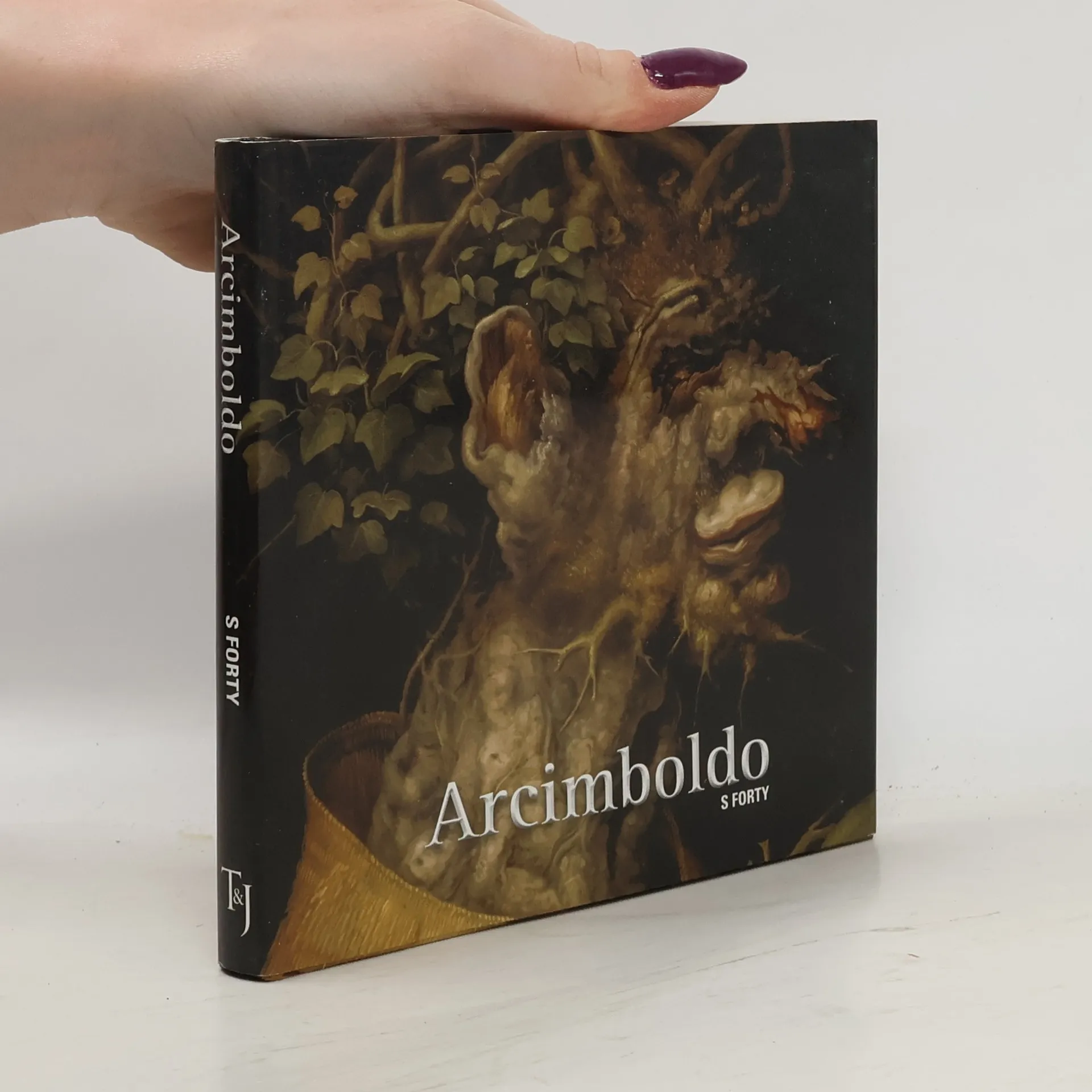
Guiseppe Arcimboldo became celebrated for his wonderfully eccentric and truly extraordinary portraits of fruits and vegetables, roots and animals which he composed into witty portraits and teasing allegorical allusions. Sadly many of his paintings have completely disappeared and only about twenty are known to survive and this is a beautiful tribute.