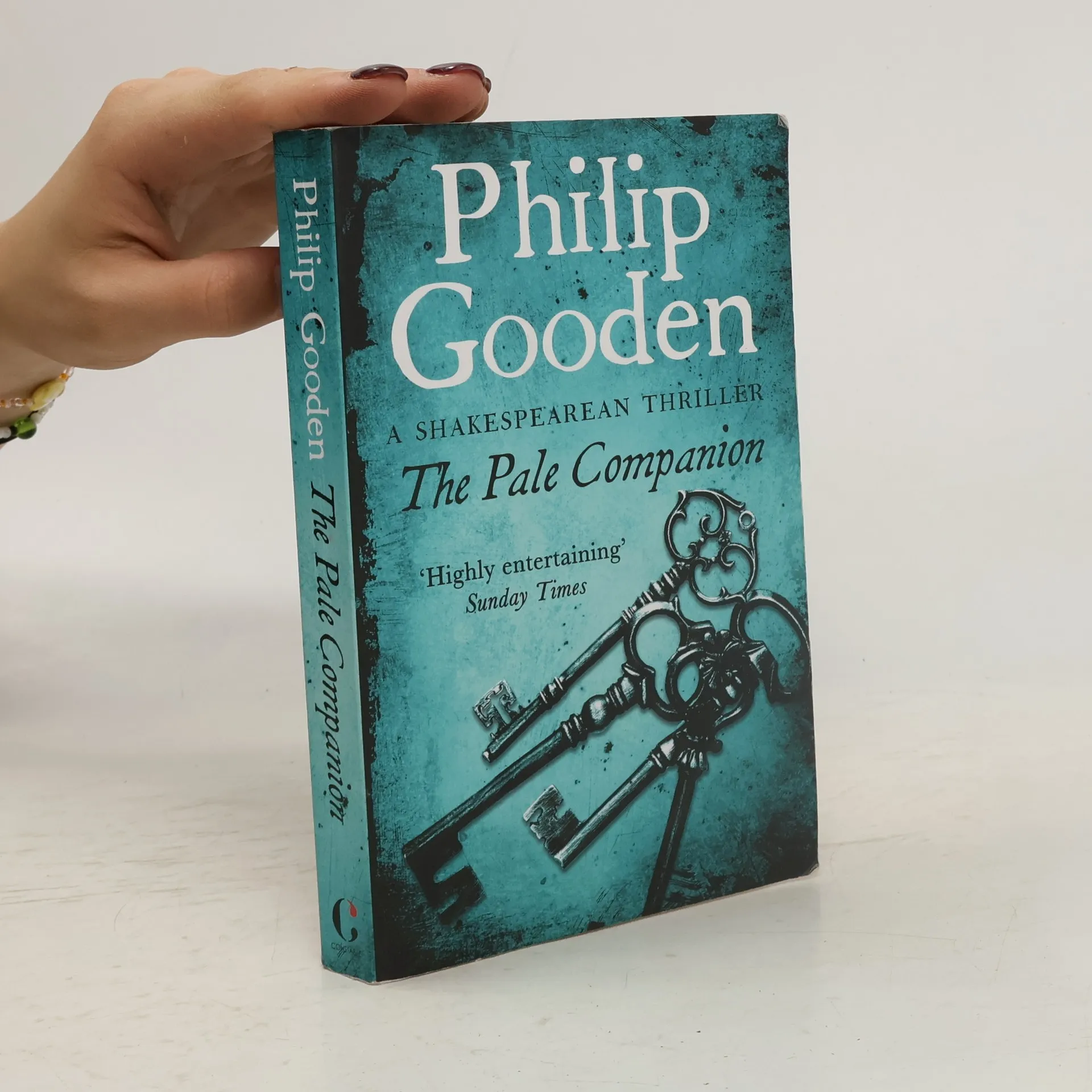
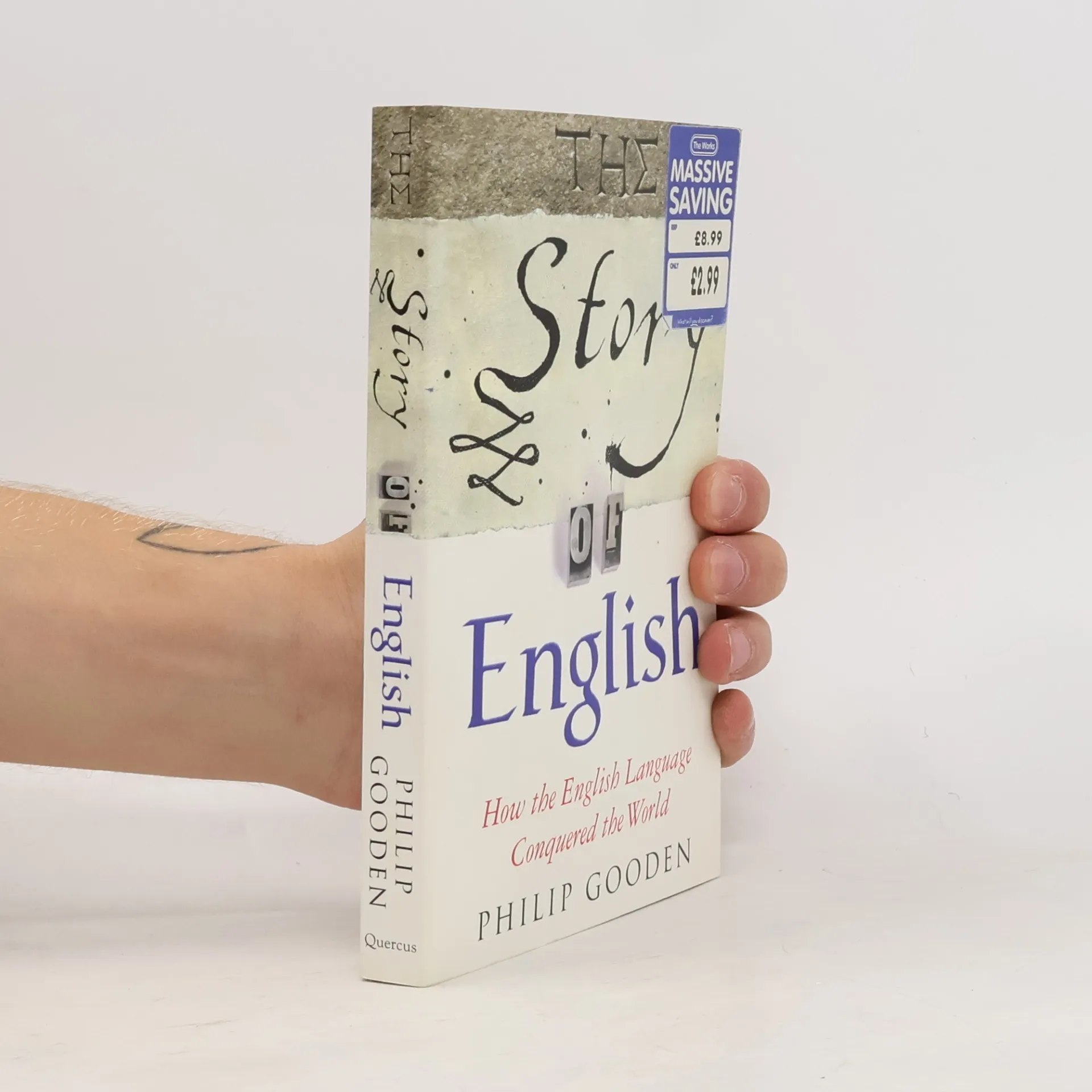
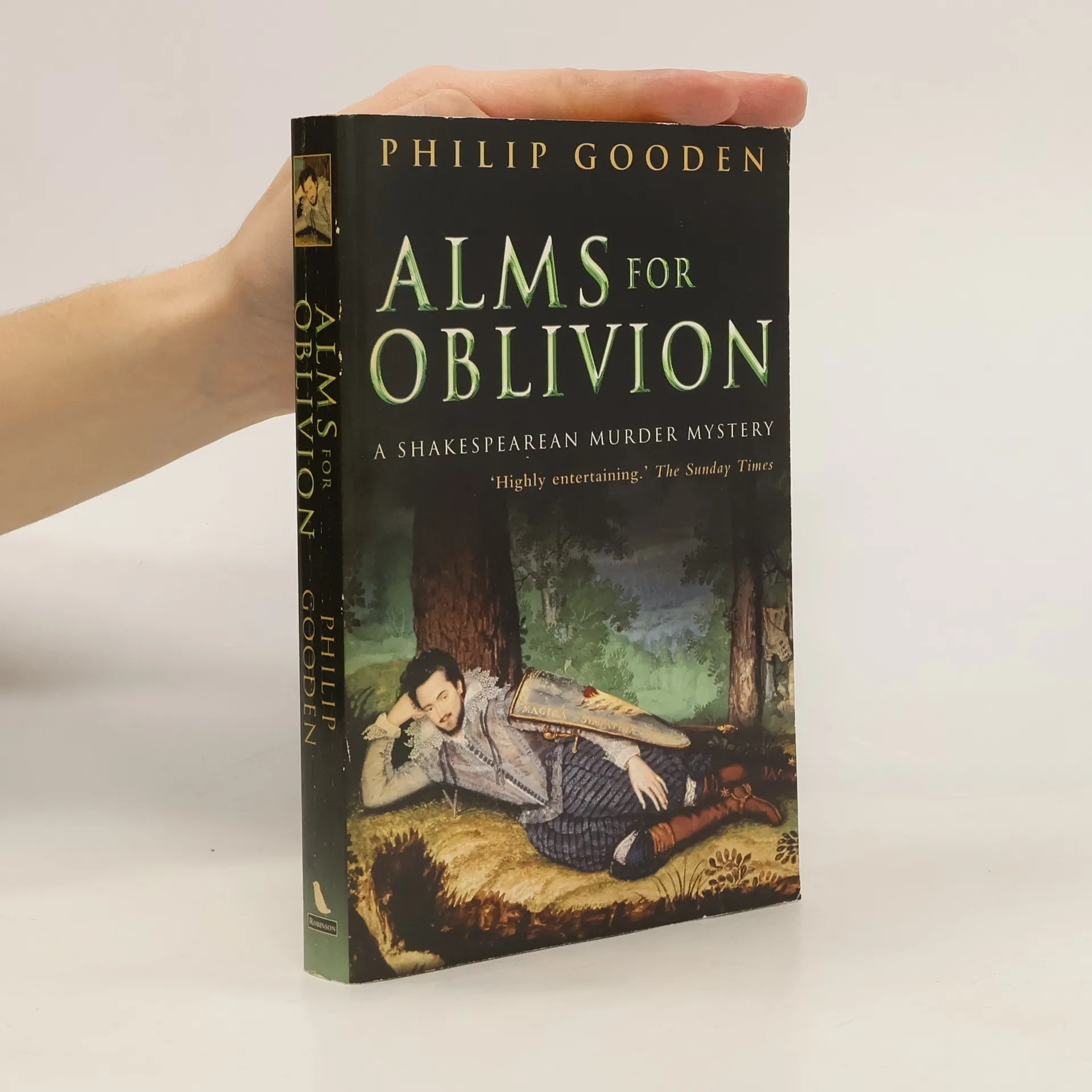
May We Borrow Your Language?
How English Steals Words from All over the World
- 336 Seiten
- 12 Lesestunden
A richly entertaining exploration of the origins of the words that English has borrowed from other languages over its 1500-year history.


Philip Gooden verfasst fesselnde Kriminalromane, die kunstvoll in das Gewebe von Shakespeares Theaterstücke eingewoben sind, wobei das Drama auf der Bühne die sich entfaltende Handlung widerspiegelt. Seine Prosa verbindet meisterhaft historische Details mit packenden Handlungssträngen und entführt die Leser in das Herz der elisabethanischen Intrigen. In seinen Werken erforscht er zeitlose Themen wie Schicksal, Liebe und Verrat, die über die Jahrhunderte hinweg nachhallen. Seine Romane bieten eine einzigartige literarische Reise, die sowohl die Vergangenheit als auch die beständigen Komplexitäten der menschlichen Natur beleuchtet.

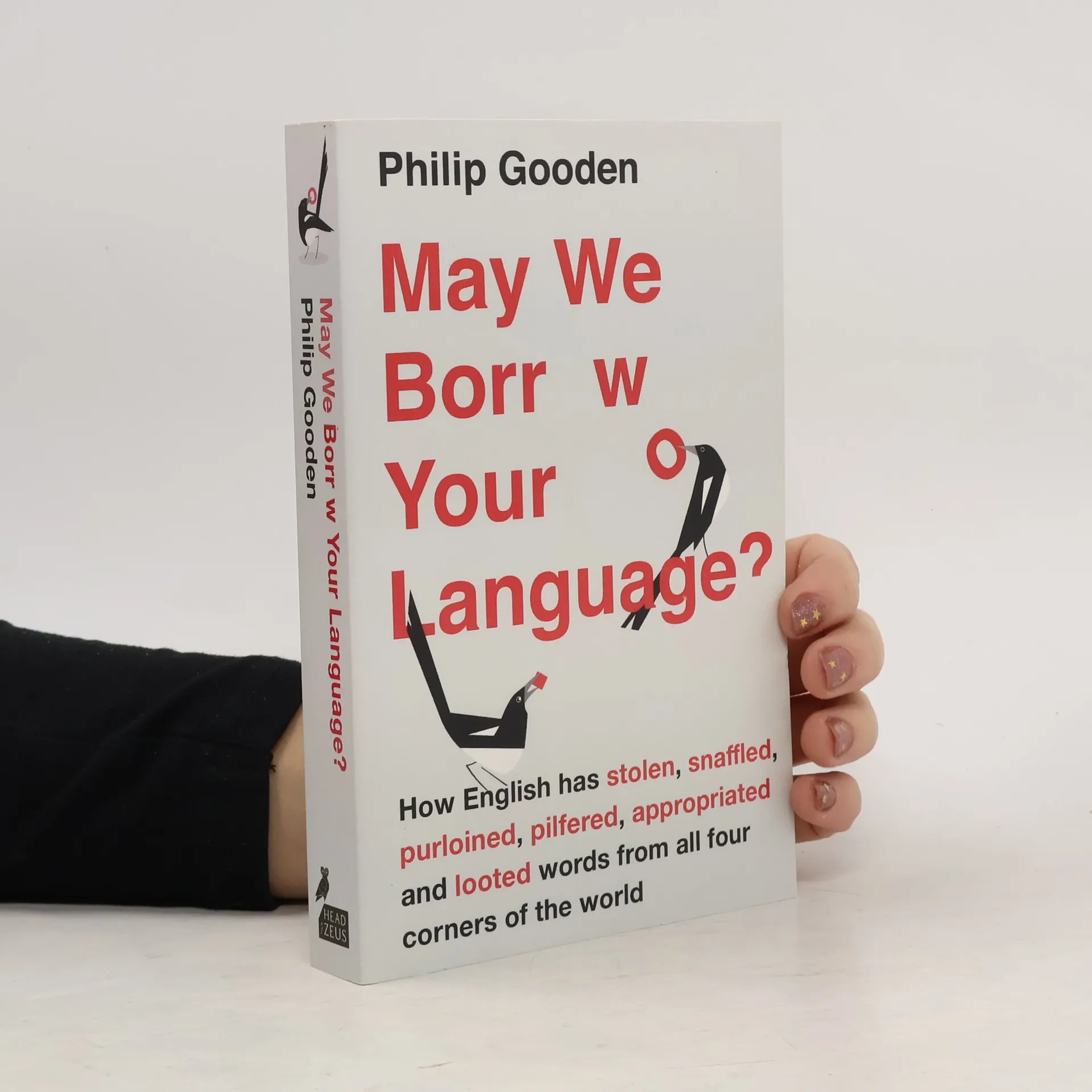


How English Steals Words from All over the World
A richly entertaining exploration of the origins of the words that English has borrowed from other languages over its 1500-year history.
History meets mystery with a new twist in this raucous, colourful novel set in the bustling theatrical world of Shakespeare and Marlowe during the reign of the formidable Elizabeth I.
History meets mystery with a new twist in this raucous, colourful novel set in the bustling theatrical world of Shakespeare and Marlowe during the reign of the formidable Elizabeth I.
The latest witty, colourful Shakespearean murder mystery in the Nick Revill series
Idiomantics is a unique exploration of the world of idiomatic phrases. To cite three examples - from American English, Dutch and Italian - what on Earth are a snow job, a monkey sandwich story, and Mr Punch's secret? Idiomantics explains all...
The extraordinary story of the development and spread of the English language, from Dark Age Britain to the age of the Internet.
Darwinian Struggles, Oedipal Feelings, and Kafkaesque Ordeals---An A to Z Guide to the Use of Names in Everyday Language
Have you ever had a Hitchcockian experience (in the shower, perhaps?) or met someone with a distinctly Ortonesque outlook on life? What exactly do we mean when we describe a scene as Dickensian, or when we call a politician’s style Churchillian or Thatcherite? What would you call a romantic, brooding, dangerous, and untamed person? Heathcliffian? Byronesque? How about a situation that is nightmarish, torturously bureaucratic, and impossible to escape from? Kafkaesque, maybe? Is Nixonian or Gandalf-like part of your vocabulary? There are hundreds of words derived from real people who are famous---or infamous---enough to give their stamp to a movement, a way of thinking or acting, a style or even a mood. Name Dropping is the essential guide to the better known or more intriguing of these terms from figures in politics, sports, and the arts, as well as history and the classics. It is both for those readers looking for definitions or simply browsing for pleasure. Entries are alphabetically listed with full explanations, examples from the press, guidance on usage, and a Pretentiousness Index that ranks items on the spectrum from familiarity to obscurity.
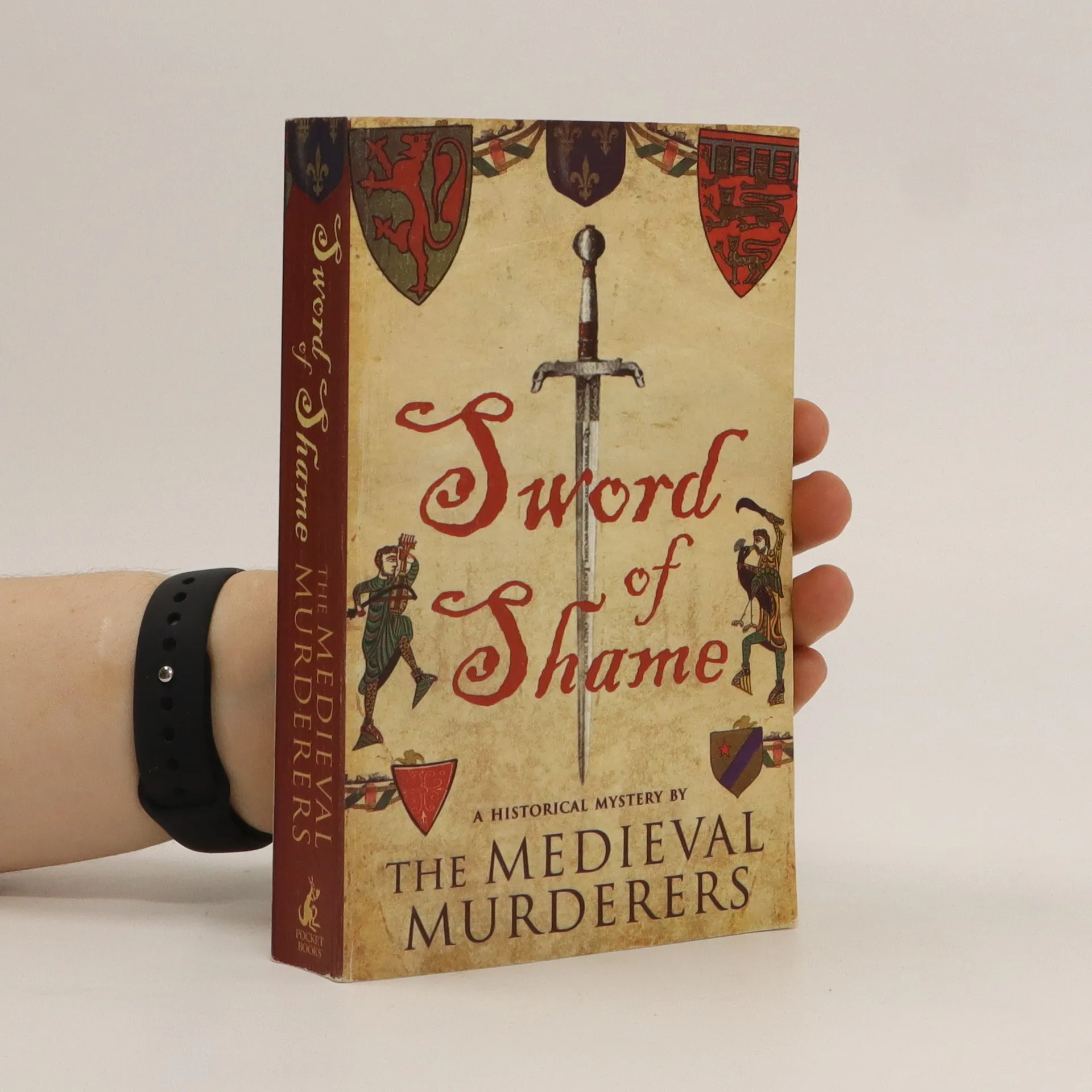
From its first arrival in Britain with the Norman forces of William the Conqueror, violence and revenge are the cursed sword's constant companions. From an election-rigging scandal in 13th century Venice to the battlefield of Poitiers in 1356, as the Sword of Shame passes from owner to owner in this compelling collection of interlinked mysteries, it brings nothing but bad luck and disgrace to all who possess it.
A No-Nosense Guide to Easily Confused Words
Lists in alphabetical order some of the more commonly confused English words with definitions, examples of proper and improper usage, and how to avoid typical mistakes.
Five intriguing, interlinked novella-length mysteries from the Medieval Murderers Group.
Nick Revill's friend Peter arrives in London hoping to tread the stage. Nick is happy to help him but within a few days of his arrival he is found dead in Nick's cheap lodgings. Nick is forced to prove his innocence and sets off on a quest.