

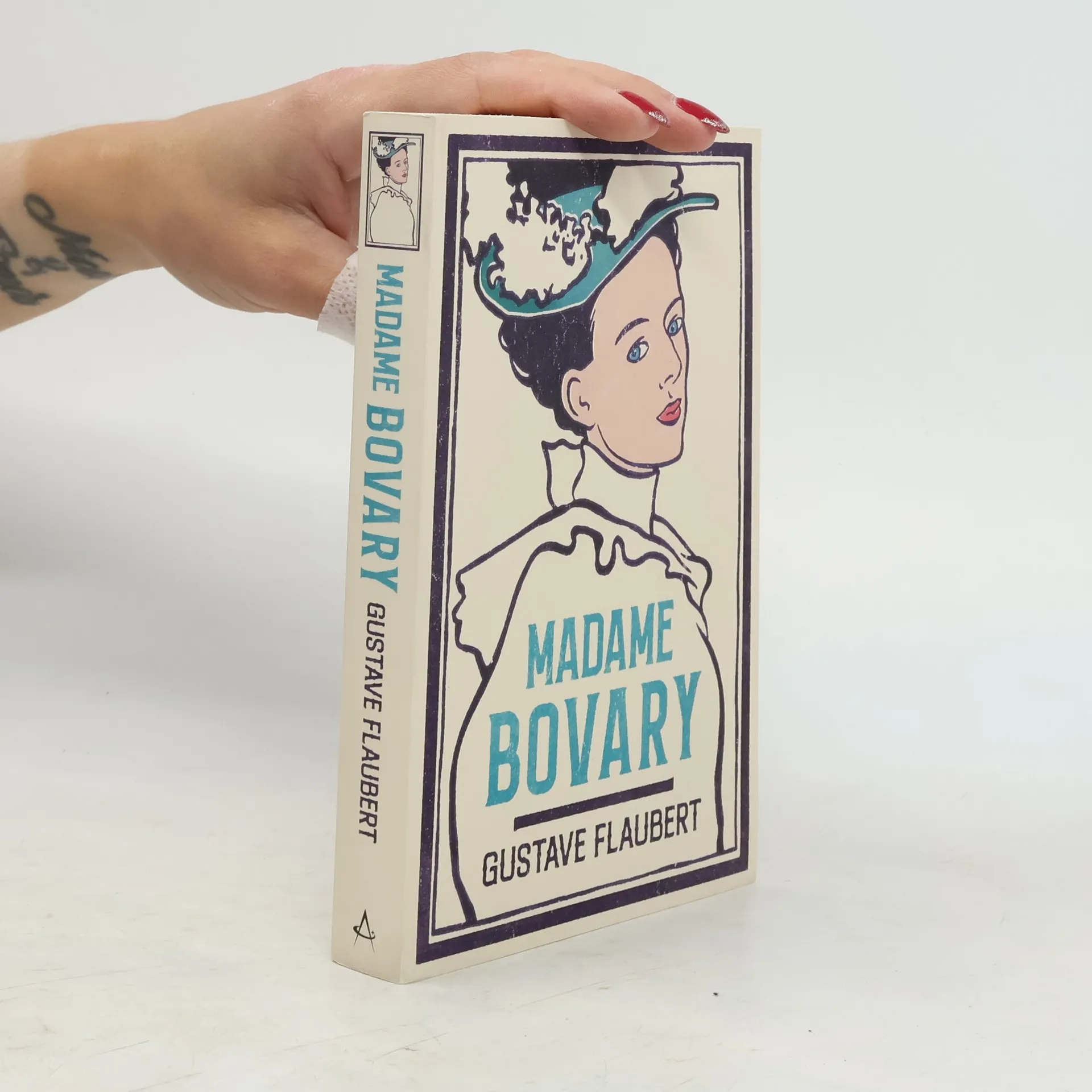
Beautiful Emma Rouault yearns for the life of wealth, passion and romance she has encountered in popular sentimental fiction, and when her doctor, the well-meaning but awkward and unremarkable Charles Bovary, begins to pay her attention, she imagines that she may be granted her wish. However, after their marriage, Emma soon becomes frustrated with the boredom of provincial life and finds herself seeking escape and contemplating adultery. As Emma’s efforts to make a reality of her fantasies become more dangerous, both she and those around her must face the shattering consequences of her actions. Causing widespread scandal when it was published in 1857, Madame Bovary is Gustave Flaubert’s masterpiece and one of the landmark works of nineteenth-century realist fiction.
Christopher Moncrieff Reihenfolge der Bücher (Chronologisch)
The Metamorphosis / Die Verwandlung
- 103 Seiten
- 4 Lesestunden
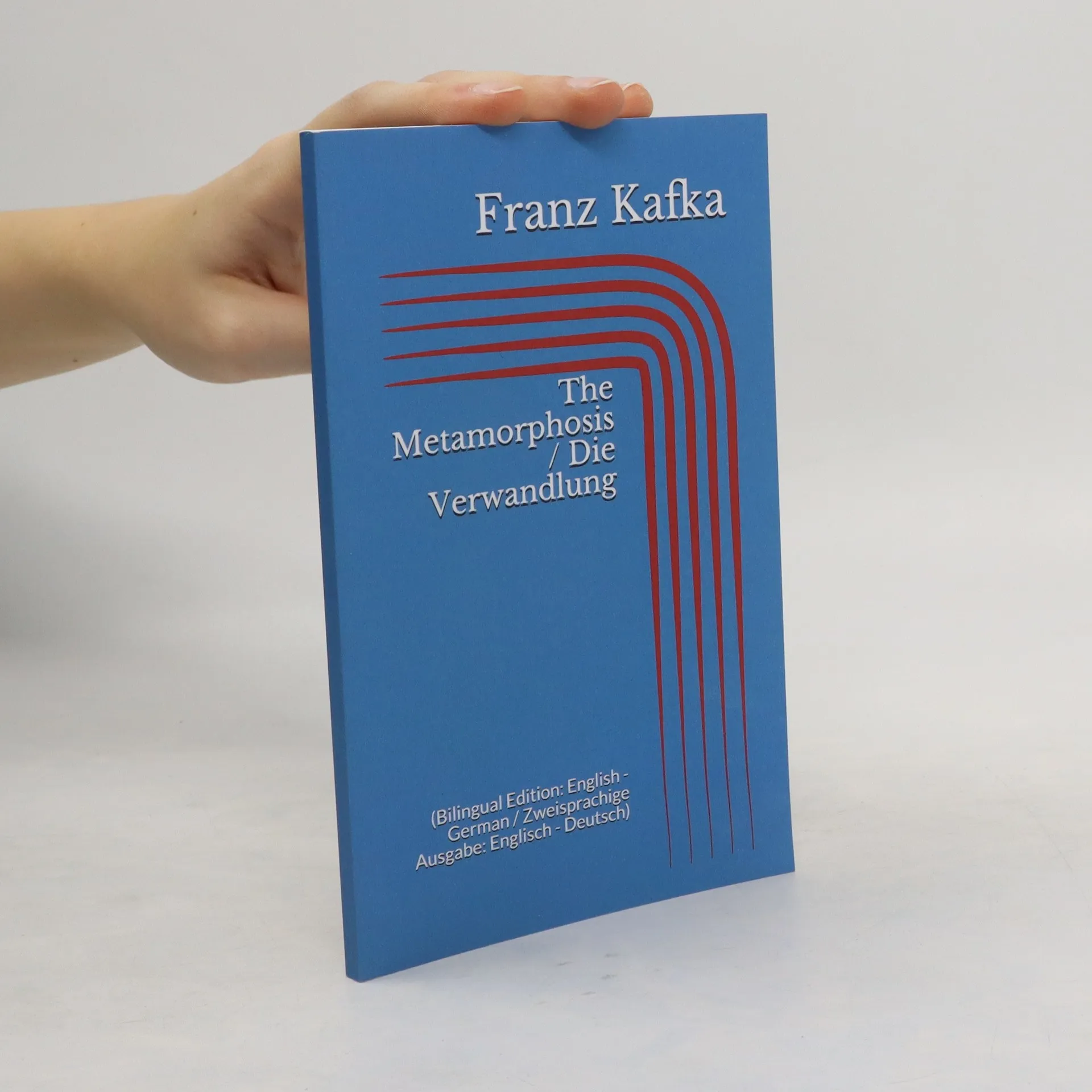
Described by Nobel laureate Elias Canetti as, "one of the few great and perfect works of the poetic imagination," this short fable about a man who wakes up one morning transformed into a giant insect is deeply funny in its tragedy and heartbreaking in its humor.
Madame Bovary
- 320 Seiten
- 12 Lesestunden
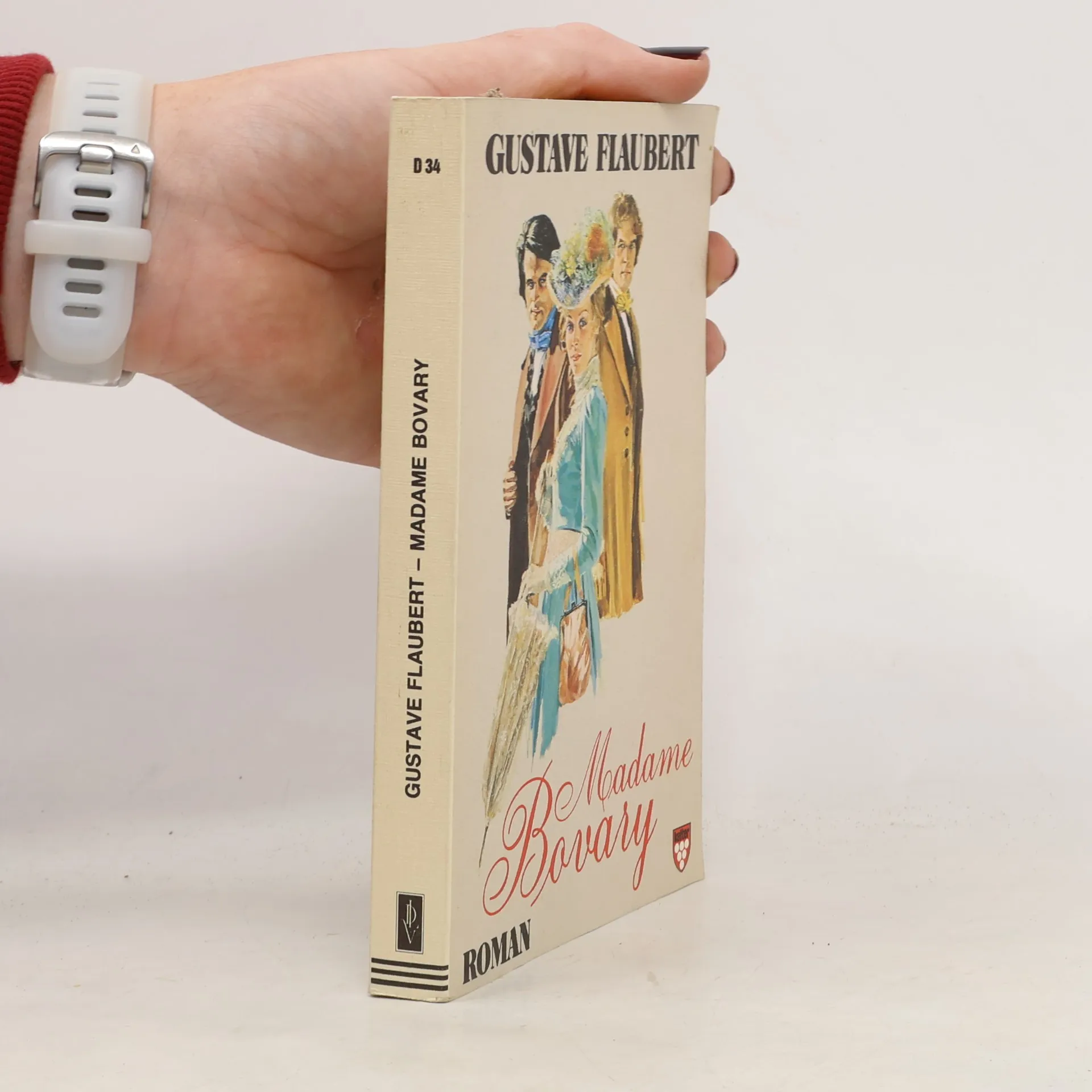
Über eine Ehebrecherin und Selbstmörderin »Das Erscheinen von ›Madame Bovary‹ war eine Umwälzung für die gesamte Literatur. Die neue Kunst hatte ihre Grammatik gefunden.« Emile Zola Die reiche Bauerntochter Emma Rouault – schön, jung und von romantischer Sinnlichkeit – heiratet den biederen Landarzt Charles Bovary und geht mit ihm in ein armseliges Nest. Vor der Monotonie des Alltags und der dumpfen Betriebsamkeit ihres Mannes flieht sie in die Scheinwelt der Bücher und Tagträume, die bald zum Lebensersatz wird. Die erste reale Berührung mit der vermeintlich schöneren Welt bei einem festlichen Diner löst denn auch eine Nervenkrise aus. Damit beginnt eine Entwicklung, die Emma in amouröse Abenteuer und zum Ehebruch treibt und vom nur geträumten zum wirklichen Doppelleben führt: Unlösbar in Schuld und Schulden verstrickt, vergiftet sie sich. Mit ›Madame Bovary‹ schuf Flaubert den modernen realistischen Roman, der bei seinem Erscheinen 1856 den Staatsanwalt auf den Plan rief und noch heute durch seine Radikalität herausfordert.