On Disinformation
- 184 Seiten
- 7 Lesestunden


Als Philosoph ist es mein Ziel, Bücher zu schreiben, die unseren Geist anregen und sich mit Themen verbinden, die uns allen am Herzen liegen. In meiner Sachliteratur widme ich mich insbesondere der Verteidigung der Wissenschaft gegen jegliche Form von Wissenschaftsleugnung und Postfaktizität. In meiner Belletristik versuche ich, moralische Fragen aufzuwerfen, die uns an die Grenzen dessen führen, was wir tun würden, um die Menschen zu schützen, die wir lieben. Es bereitet mir große Freude, ein Publikum zu erreichen, das vielleicht nie gedacht hätte, dass es Philosophie mag, aber dennoch davon angesprochen wird. Heutzutage beschäftige ich mich immer noch mit philosophischer Forschung und lehre Ethik, aber die meiste Zeit verbringe ich schreibend an meinem Schreibtisch, während zwei große Deutsche Schäferhunde zu meinen Füßen schnarchen.

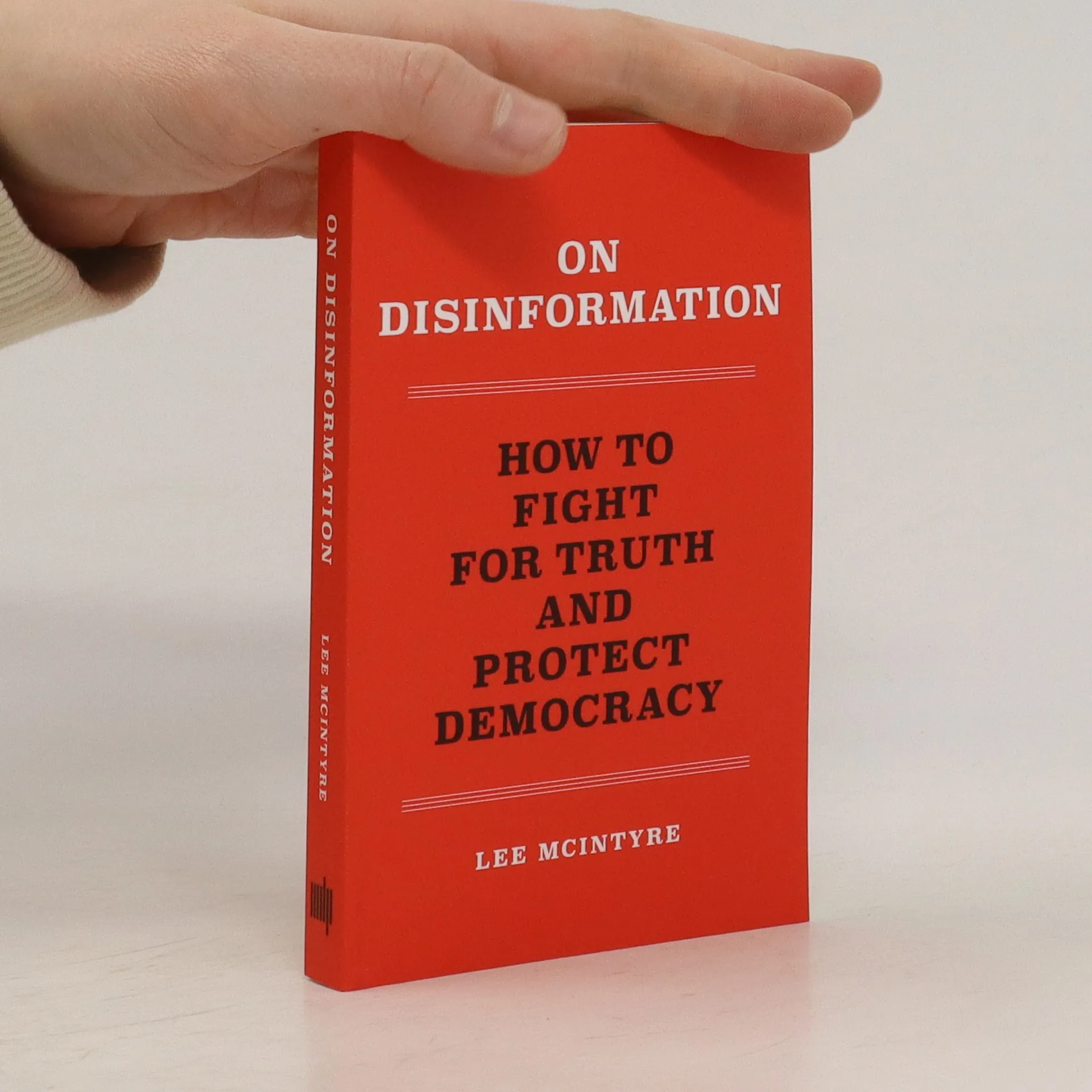
Can we change the minds of science deniers? Encounters with flat earthers, anti-vaxxers, and coronavirus truthers reveal a troubling trend: many reject scientific expertise in favor of ideology. They are not just uninformed but misinformed, often citing cherry-picked evidence and conspiracy theories. This raises the question of how to convince such individuals to accept facts when they don't believe in them. The author argues that fighting back against science denial is crucial, as it can have deadly consequences. Drawing from personal experiences, including attending a Flat Earth convention, and academic research, he identifies common themes in science denialism, from historical tobacco industry tactics to contemporary anti-vaccine movements. He shares his attempts to persuade Flat Earthers, engaging discussions with coal miners, and conversations about genetically modified organisms. The author emphasizes the importance of calm and respectful communication as a strategy for reaching science deniers, advocating for face-to-face interactions to effectively convey the truth and values of science.
Situates warfare in its broader political, social and economic context in the Roman world, and is distinctive in integrating consideration of developments during Late Antiquity alongside those during earlier periods of Roman history. Important for all students, instructors and scholars of ancient and military history.
Mit einer wissenschaftlichen Grundhaltung gegen Betrug, Leugnung und Pseudowissenschaft
Angriffe auf die Wissenschaft sind alltäglich geworden: Die Erforschung des Klimawandels sei keine „anständige“ Wissenschaft, die Evolution „nur eine Theorie“, die „Wahrheit“ über Impfstoffe werde vertuscht. In diesem Buch diskutiert Lee McIntyre, was Wissenschaft von Nicht-Wissenschaft unterscheidet: der Stellenwert der Evidenz und die Bereitschaft, Theorien auf Basis neuer Evidenz zu verwerfen. Diese beiden wesentlichen Eigenschaften nennt er die „wissenschaftliche Grundhaltung“. McIntyre führt Beispiele an, die sowohl den wissenschaftlichen Erfolg (eine Verringerung des Kindbettfiebers im 19. Jahrhundert) als auch das Scheitern (die fehlerhafte „Entdeckung“ der kalten Fusion im 20. Jahrhundert) veranschaulichen. Er beschreibt den Wandel der Medizin von einer weitgehend auf Vermutungen beruhenden Praxis zu einer Wissenschaft, die sich auf Beweise stützt; er betrachtet wissenschaftlichen Betrug und untersucht die Positionen von ideologiegetriebenen Leugnern, Pseudowissenschaftlern und „Skeptikern“, die wissenschaftliche Erkenntnisse ablehnen. Das Buch macht in einer Welt der „alternativen Fakten“ klar, dass die Beachtung von Fakten ein einzigartig wirkungsvolles Instrument zur Verteidigung der Wissenschaft selbst ist.
An argument that what makes science distinctive is its emphasis on evidence and scientists' willingness to change theories on the basis of new evidence.
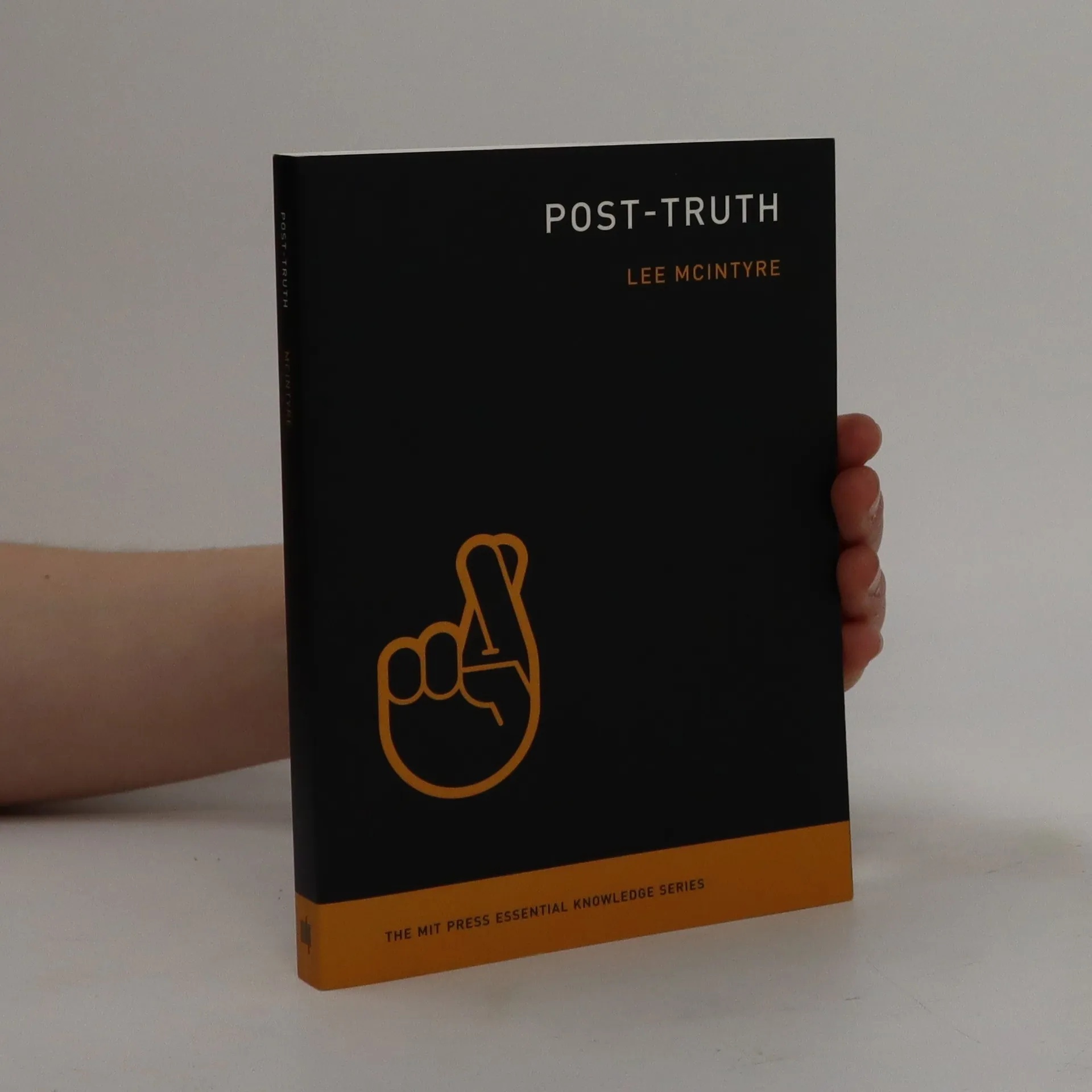
Are we in a post-truth world where "alternative facts" overshadow actual evidence? In this volume, Lee McIntyre explores the emergence of the post-truth phenomenon, tracing its roots from science denial to the rise of "fake news." He examines our psychological blind spots and the public's retreat into information silos. What defines post-truth? Is it wishful thinking, political spin, or outright lying? McIntyre analyzes recent examples, such as claims about inauguration crowd sizes and crime statistics, revealing post-truth as a tool for asserting ideological dominance, compelling belief regardless of evidence. This trend predates the 2016 election, with historical denials of scientific facts about smoking, evolution, vaccines, and climate change providing a blueprint for broader fact denial. Coupled with cognitive biases that distort our reasoning, the decline of traditional media, and the rise of social media, the conditions for post-truth flourish. McIntyre provocatively suggests that the right has appropriated postmodernism's rejection of objective truth in its attacks on science. He asserts that understanding post-truth is the first step in combating it, emphasizing the importance of addressing this phenomenon to reclaim factual discourse.