John M. MacKenzieReihenfolge der Bücher (Chronologisch)
John M. MacKenzie ist emeritierter Professor für Geschichte des britischen Empire, dessen Werk sich mit der komplexen Beziehung zwischen dem britischen Empire und der natürlichen Welt befasst. Er untersucht akribisch die kulturellen und ökologischen Dimensionen der imperialen Expansion und deckt auf, wie Landschaften durch imperiale Bestrebungen geformt wurden und diese wiederum prägten. Durch seine umfangreiche redaktionelle Tätigkeit, einschließlich einer bedeutenden Rolle in der Reihe 'Studies in Imperialism' und der 'Encyclopaedia of Empire', hat er den Diskurs über die imperiale Geschichte maßgeblich beeinflusst. Seine Forschung bietet entscheidende Einblicke in die Vernetzung von Macht, Kultur und Umwelt in riesigen imperialen Territorien.
Before he was sacked as head of the unit, Reuben Maitland developed a system
to predict latent homicidal behaviour from people's DNA. Now rogue elements in
the police, believing that prevention is better than cure, are using Reuben's
research to hunt down and incite latent psychopaths beyond their breaking
point.
The Penguin Historical Atlas of the British Empire traces the emergence of the world's greatest empire from its earliest beginnings in the British Isles, through its ascendancy in Victorian times, to its ultimate collapse in the mid-20th century. It examines the impact of British dominance in America, India and Africa, and the enormous changes brought by Britain's settlement of Australasia. Coverage of major events - the colonization of Ireland, the American Revolution, the South African wars - is complemented by discussion of themes such as Imperial exploitation and trade, hunting for plants and animals, the Imperial exhibitions and the importance of British naval power. Also assessed are the impact of the Empire on different areas of the world and the legacy it has bestowed. Richly illustrated with photographs and full-colour maps, this is an illuminating and multi-faceted one-volume introduction to the rise and fall of the British Empire.
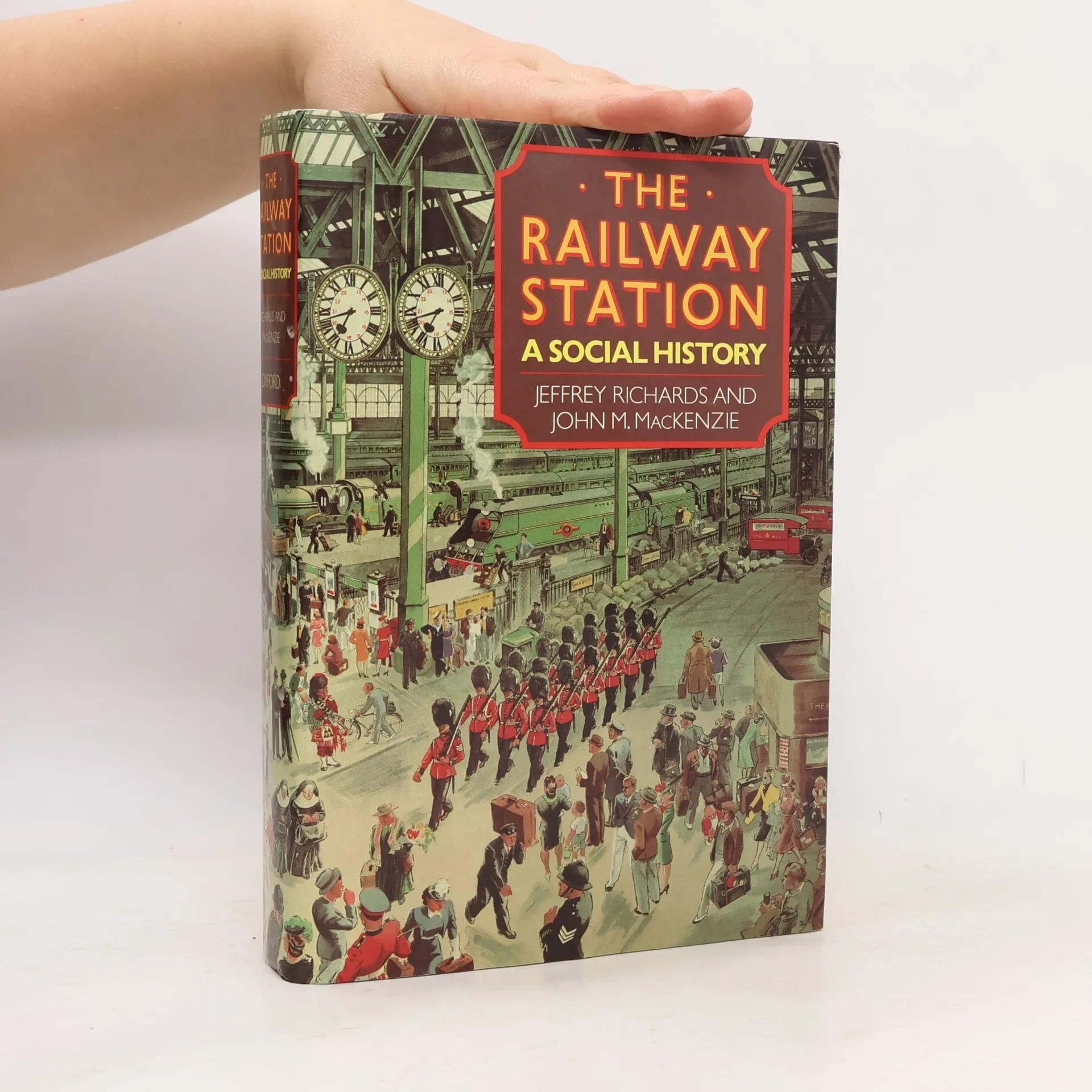
For the Victorians, the arrival of railways marked a new era of progress and civilization. Industrialization has proven to be a mixed blessing, yet the significance and romantic allure of railways endure. This engaging exploration delves into the role of railway stations worldwide, revealing a complexity that surpasses the imaginations of the nineteenth century. The authors trace the evolution of station architecture and design, from the imposing St. Pancras in London to the charming simplicity of rural stations in the American Midwest. The facilities within stations, such as ticket offices and waiting rooms, have gained equal importance to the structures themselves. Additionally, the book examines how stations have been portrayed in art and literature as sites of emotional farewells and joyful reunions, with films like Brief Encounter highlighting their cinematic significance. Furthermore, the strategic role of stations in politics and the economy, particularly during wartime, is discussed, emphasizing their importance recognized by governments globally. This captivating volume weaves together history, literature, art, and architecture, offering a unique and comprehensive survey of the railway station's allure and impact.