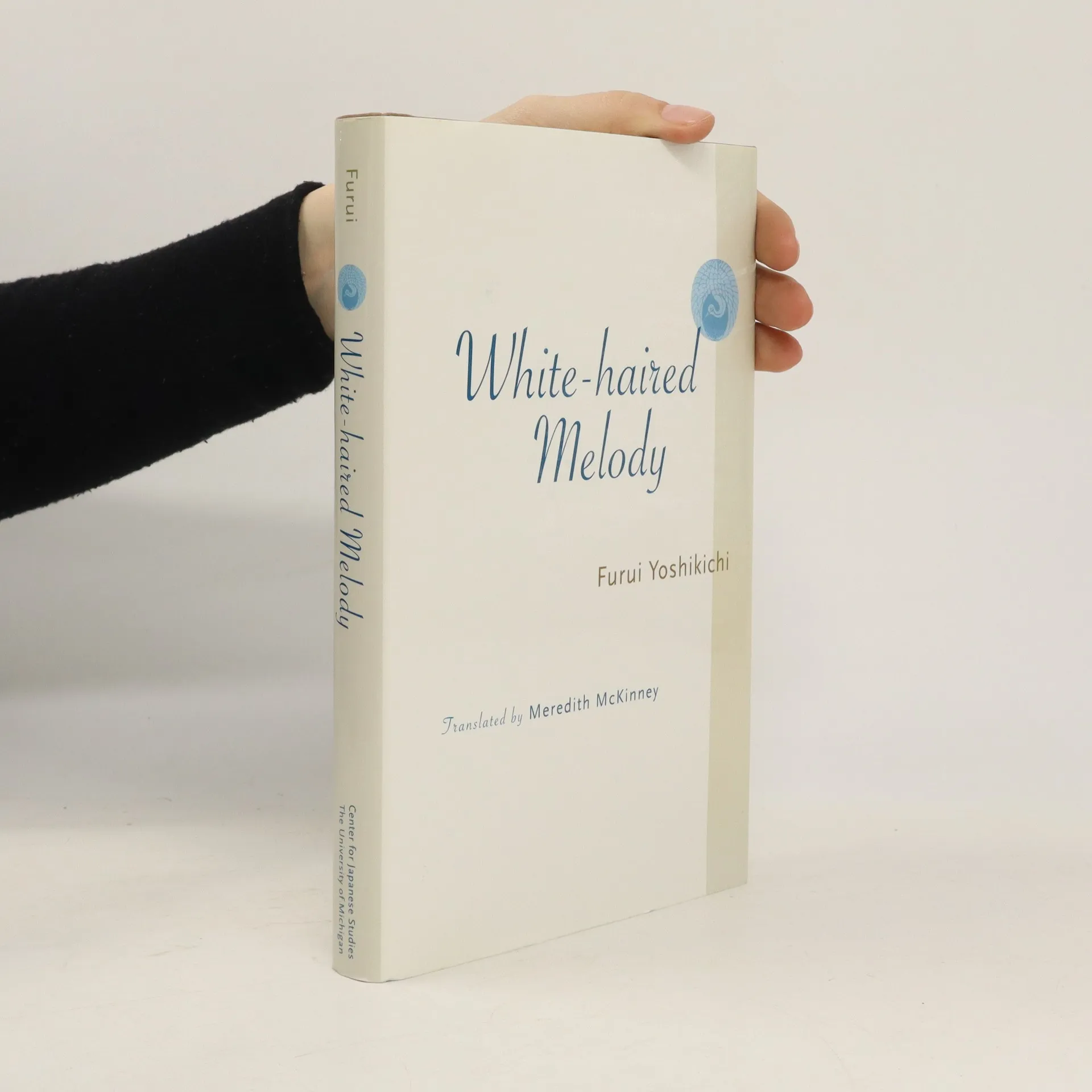
A novel serialized between 1994 and 1996 that evokes Japan in the 1990s. The narrator and two men in their fifties share their experiences of war and its aftermath. A fourth character enters the narrative, whose memories are marked by collective and familial catastrophes: the deaths of loved ones, railway and aviation accidents.
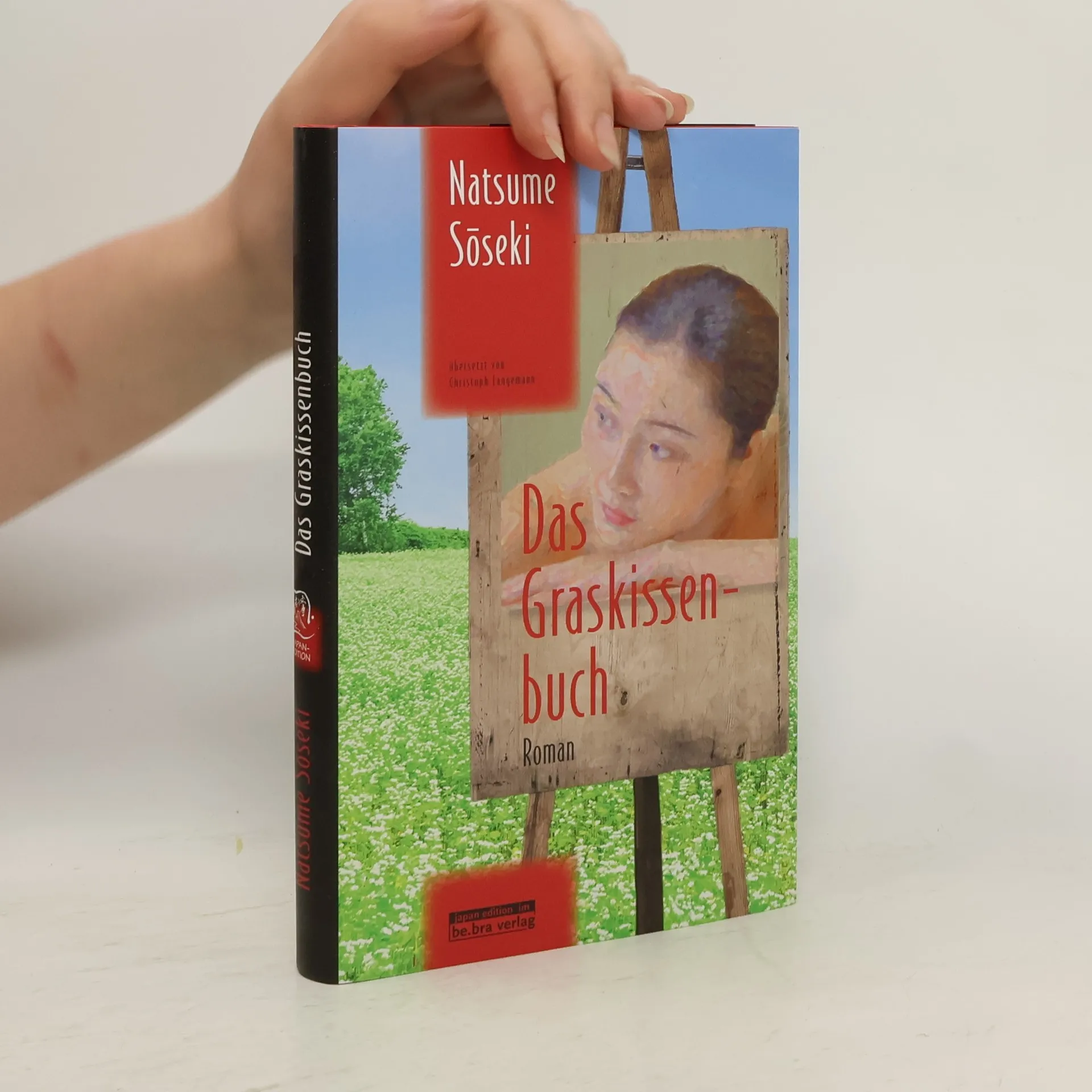
Kunstvolle Gedichte und tiefsinnige Gedanken über das Wesen der Kunst und der Natur sind das einzige, was der junge Protagonist dieses Romans, ein junger Maler, auf seiner ziellosen Wanderung durch die Berge zustande bringt. Als er unterwegs die Tochter eines Gastwirts kennenlernt, ist er auf Anhieb fasziniert von ihr. Langsam kommen die beiden sich näher, und die emotionale Distanz, mit der er sich bislang vor den Zumutungen der Welt zu schützen versuchte, gerät ins Wanken. Natsume Sōsekis 1906 erschienener Künstlerroman verknüpft meisterhaft Motive westlicher und östlicher Literatur und besticht durch die Poesie seiner Sprache. »Es lohnt sich unbedingt, diesen Sōseki anhand des Graskissenbuchs, das übrigens auch die Lieblingslektüre des Pianisten Glenn Gould gewesen sein soll, kennenzulernen.« FAZ
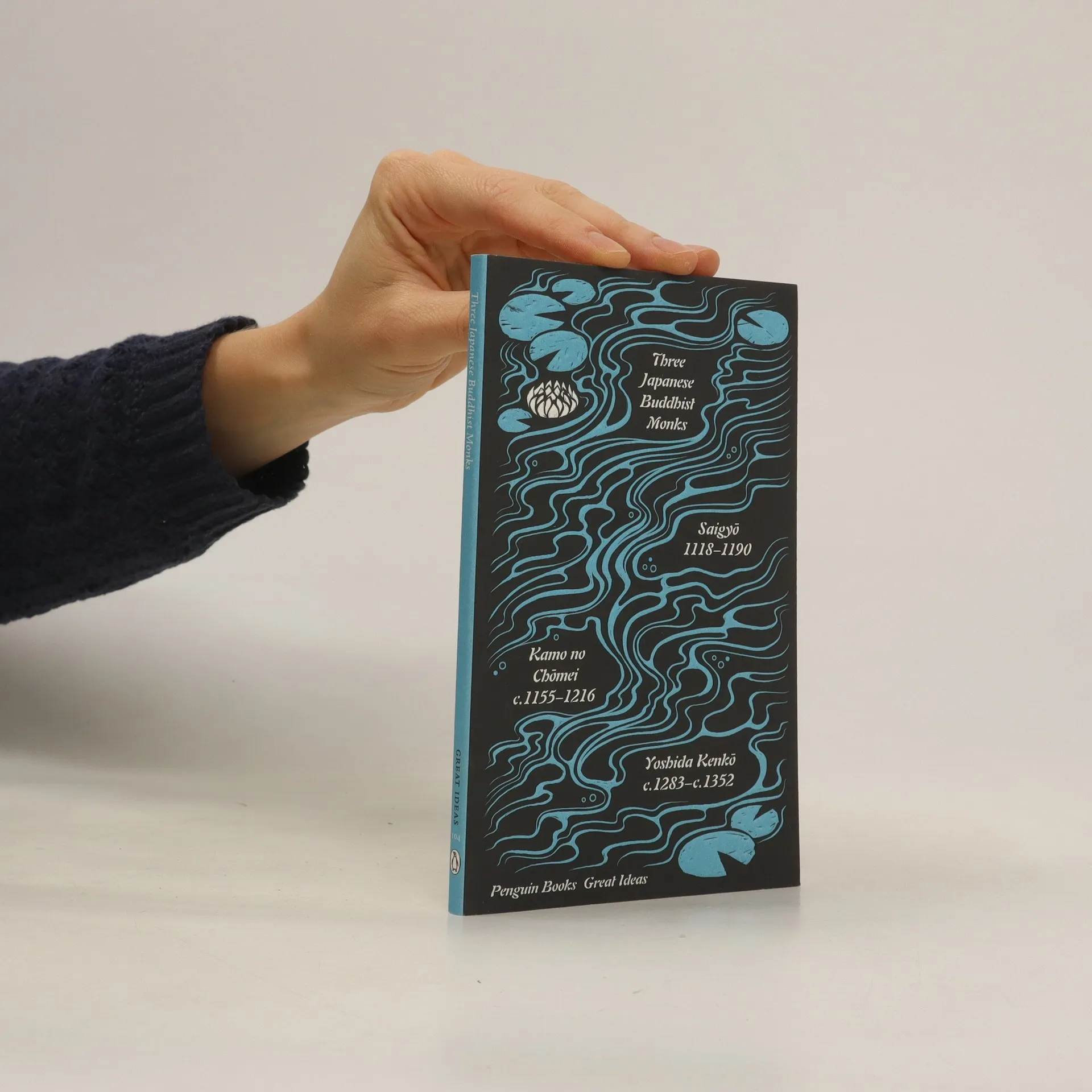
A guiding light amid the world's chaos and a manual for rejecting materialism, in the form of writings by Japanese Buddhist monks These simple, inspiring writings by three medieval Buddhist monks offer peace and wisdom amid the world's uncertainties, and are an invitation to relinquish earthly desires and instead taste life in the moment. Throughout history, some books have changed the world. They have transformed the way we see ourselves - and each other. They have inspired debate, dissent, war and revolution. They have enlightened, outraged, provoked and comforted. They have enriched lives--and upended them. Now Penguin brings you a new set of the acclaimed Great Ideas, a curated library of selections from the works of the great thinkers, pioneers, radicals and visionaries whose ideas shook civilization and helped make us who we are.
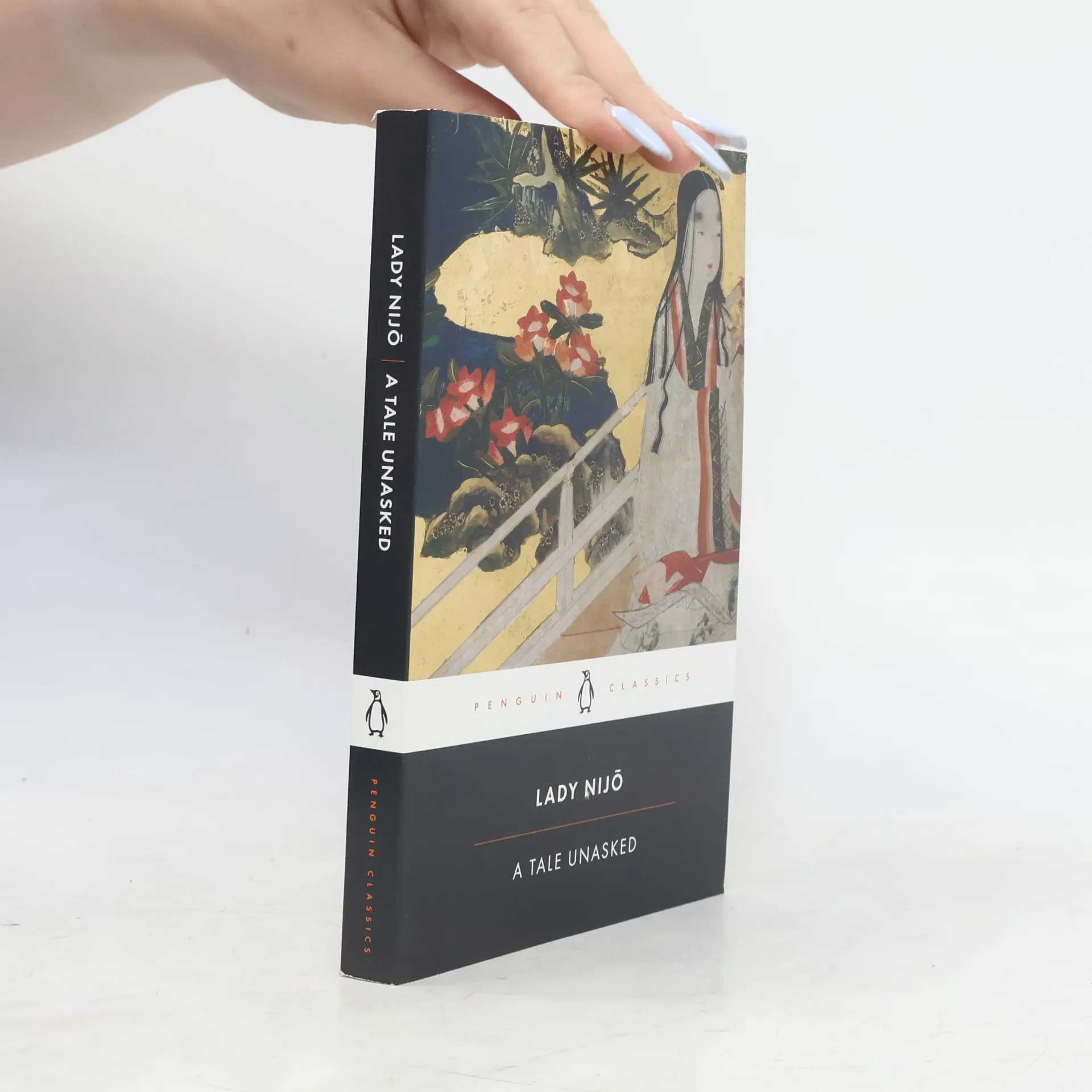
A new translation of Lady Nijo’s diary—one of classical Japan’s greatest literary works A Penguin Classic Lady Nijo’s A Tale Unasked (Towazugatari) is the last, and arguably the finest, among classical Japanese literature’s famous "women’s diaries." Thought to have been completed around 1307, when the author was in her late forties, the first two-thirds of this autobiographical work document in rich and compelling detail the experiences of an imperial concubine whose time at court was ruled and finally ruined by her passionate and complicated love life. The final third of the work equally memorably describes her peripatetic life after the emperor expelled her from the court in her mid-twenties and she became a nun, wandering the roads of Japan as a form of Buddhist austerity. Meredith McKinney's superb translation breathes new life into Lady Nijo's fascinating diaries, which survived her era in a single copy and were rediscovered only in the 1940s.