
Bookbot

Howard V. Howard Vincent Hong

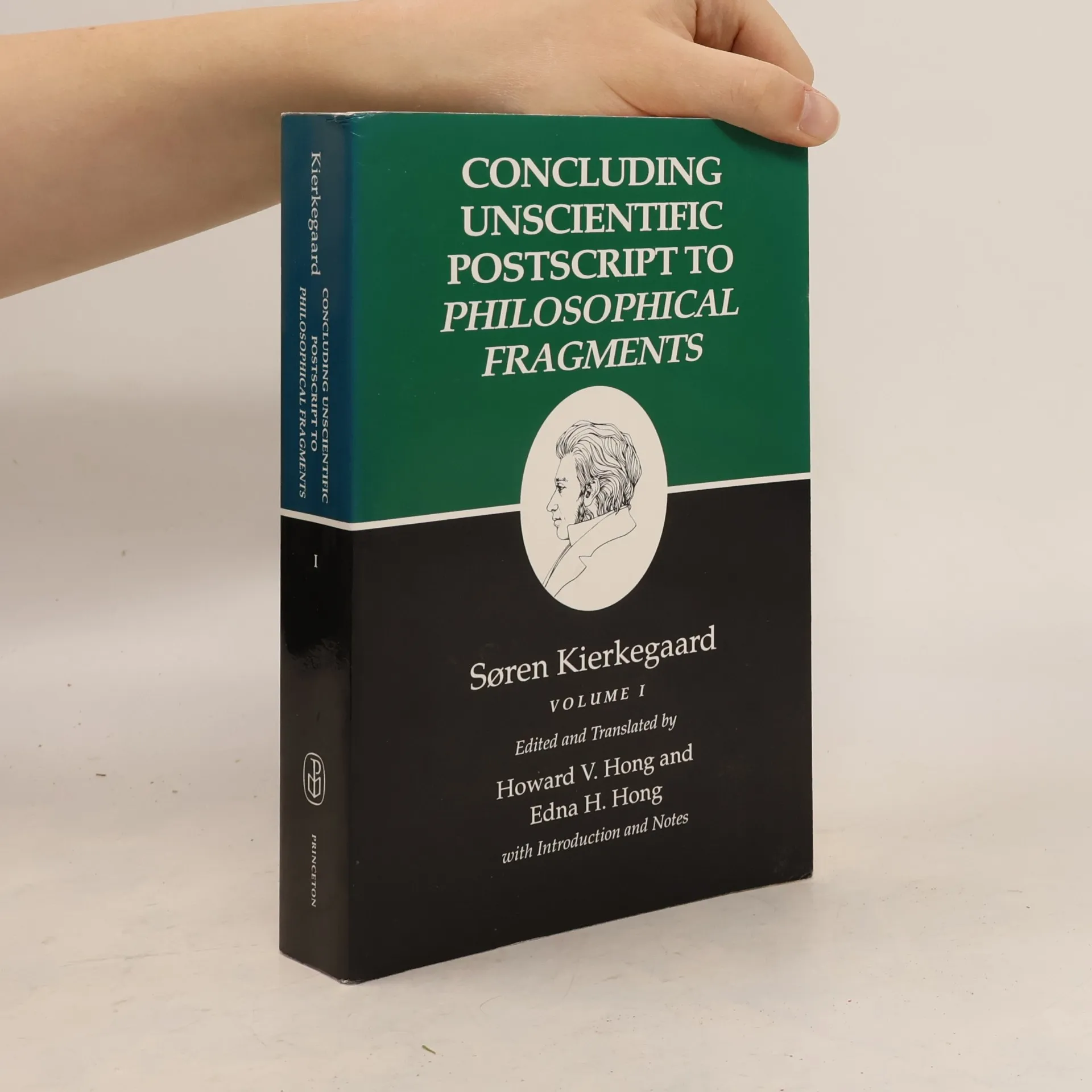
    Concluding Unscientific Postscript to Philosophical Fragments, Volume 1
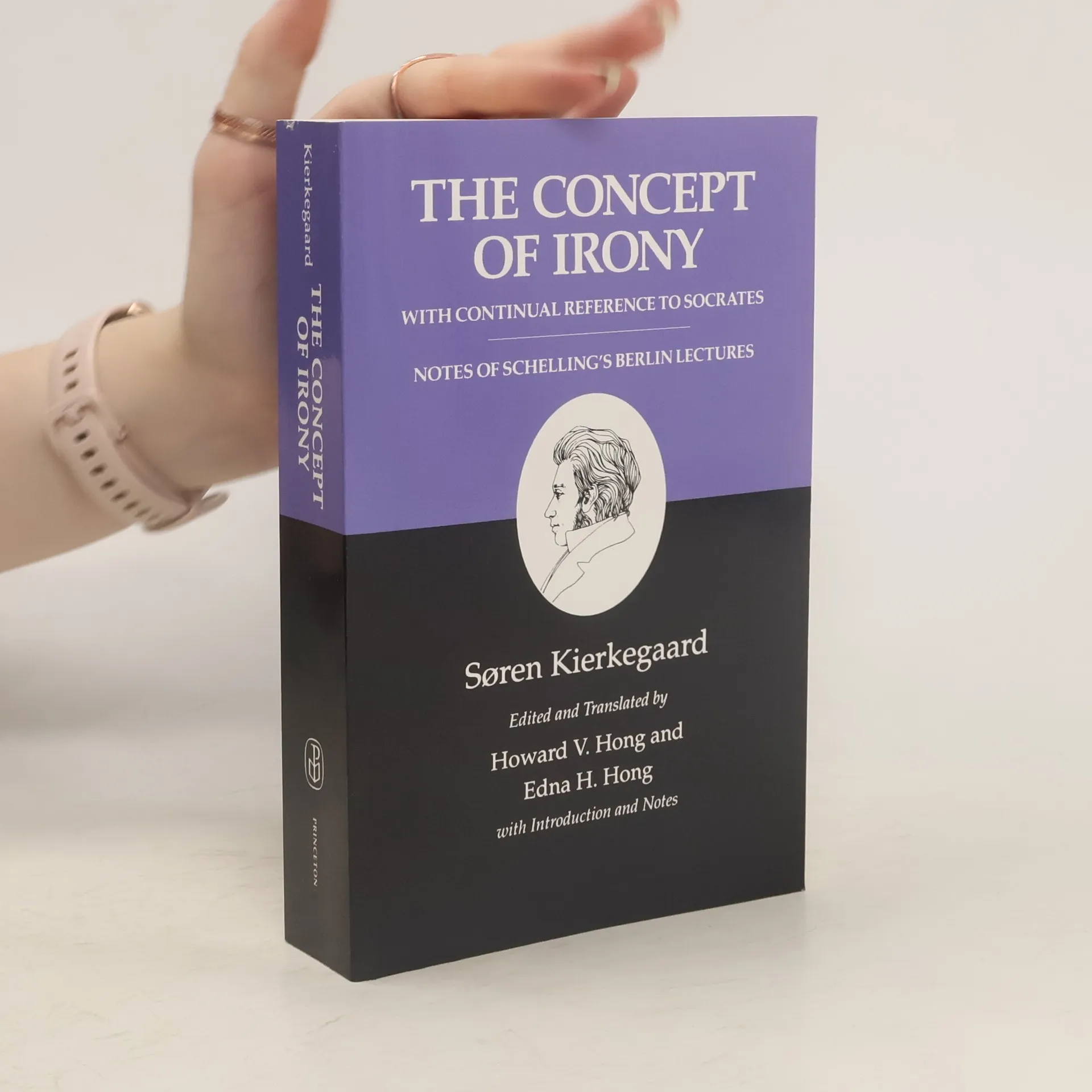
    The Concept of Irony
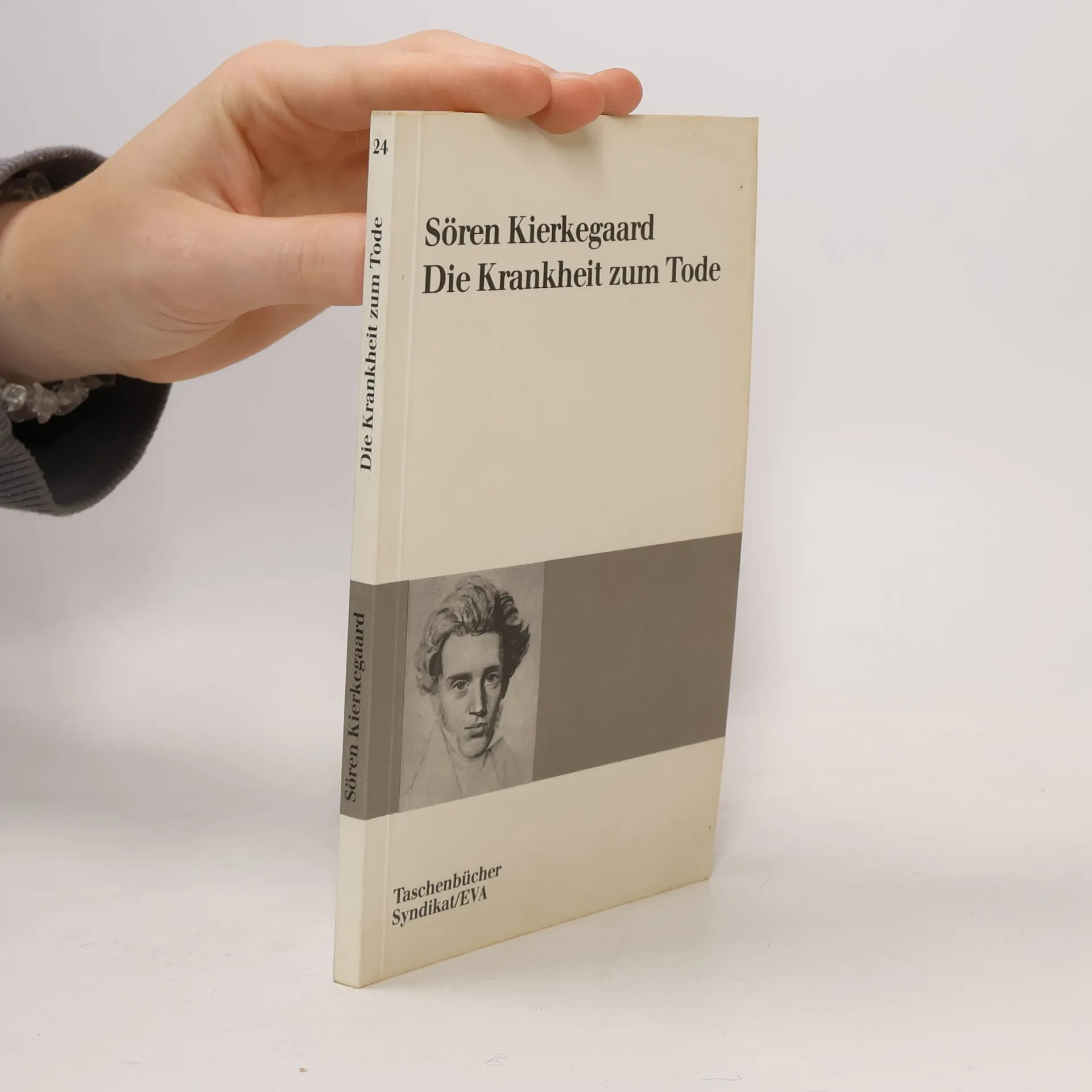
    Die Krankheit zum Tode
    • Die Krankheit zum Tode

      • 167 Seiten
      • 6 Lesestunden

      Kierkegaards 1849 unter Pseudonym erschienenes Spätwerk beschäftigt sich als eine »christlich-psychologische Darlegung zur Erbauung und Erweckung«, wie der Untertitel lautet, mit der Verzweiflung als Grundbestimmung menschlicher Existenz und mit der Sünde: Sünde ist Verzweiflung trotz des Wissens um die Offenbarung Christi. Und das Gegenteil von Sünde ist der christliche Glaube. Kierkegaards Einfluss auf die Existenzphilosophie oder die sog. Dialektische Theologie kann nicht unterschätzt werden.

      Die Krankheit zum Tode
      4,1
    • Kierkegaard concluded his studies in theology and philosophy with a dissertation on irony, which became the foundation of his thought and writing. He focused on Socratic irony, analyzed through Xenophon, Plato, and Aristophanes. He views Socrates as an independent figure, distinct from Plato's dialogues, and defends Aristophanes' non-philosophical approach, which better captures Socrates' sense of irony. Aristophanes' negative portrayal of Socrates paradoxically reveals what Socrates aimed to achieve through irony—questioning the presumed ownership of truth and knowledge. Ironical questioning leads to introspection and the search for personal existential answers. Kierkegaard learns the mastery of irony from Socrates and seeks to disrupt the contemporary leveling and faith in science and progress that suppress individuality. He believes people suffer from an excess of knowledge that obscures their personal existence. This work serves as the starting point for Kierkegaard's oeuvre and contains the seeds of existentialism. Irony liberates but does not provide a positive guide; it represents "absolute negativity" and the first step toward self-discovery. Kierkegaard adhered to the maxim "know thyself" throughout his work, with irony as his constant companion. He further reflects on the irony of romantic authors and praises Shakespeare's controlled irony, which allows characters to remain "their own artists."

      The Concept of Irony
    • Concluding Unscientific Postscript to Philosophical Fragments, Volume 1

      Kierkegaard's Writings, Vol 12.1

      • 650 Seiten
      • 23 Lesestunden

      In Philosophical Fragments the pseudonymous author Johannes Climacus explored the question: What is required in order to go beyond Socratic recollection of eternal ideas already possessed by the learner? Written as an afterword to this work, Concluding Unscientific Postscript is on one level a philosophical jest, yet on another it is Climacus's characterization of the subjective thinker's relation to the truth of Christianity. At once ironic, humorous, and polemical, this work takes on the "unscientific" form of a mimical-pathetical-dialectical compilation of ideas. Whereas the movement in the earlier pseudonymous writings is away from the aesthetic, the movement in Postscript is away from speculative thought. Kierkegaard intended Postscript to be his concluding work as an author. The subsequent "second authorship" after The Corsair Affair made Postscript the turning point in the entire authorship. Part One of the text volume examines the truth of Christianity as an objective issue, Part Two the subjective issue of what is involved for the individual in becoming a Christian, and the volume ends with an addendum in which Kierkegaard acknowledges and explains his relation to the pseudonymous authors and their writings. The second volume contains the scholarly apparatus, including a key to references and selected entries from Kierkegaard's journals and papers.

      Concluding Unscientific Postscript to Philosophical Fragments, Volume 1