
Dokumentarfilme drehen
- 671 Seiten
- 24 Lesestunden


Film Techniques and Aesthetics is a comprehensive manual that teaches the essentials of filmmaking from the perspective of the director. Ideal for film production and directing classes, as well as for aspiring and current directors, Directing covers all phases of preproduction and production, from idea development to final cut. Thoroughly covering the basics, Directing guides the reader to professional standards of expression and control, and goes to the heart of what makes a director. The book outlines a great deal of practical work to meet this goal, with projects, exercises.The third edition emphasizes the connection between knowing and doing, with every principle realizable through projects and exercises. Much has been enhanced and expanded, aspects of dramaturgy; beats and dramatic units; pitching stories and selling one's work; the role of the entrepreneurial producer; and the dangers of embedded moral values. Checklists are loaded with practical recommendations for action, and outcomes assessment tables help the reader honestly gauge his or her progress. Entirely new chapters preproduction procedures; production design; script breakdown; procedures and etiquette on the set; shooting location sound; continuity; and working with a composer. The entire book is revised to capitalize on the advantages offered by the revolutionary shift to digital filmmaking.
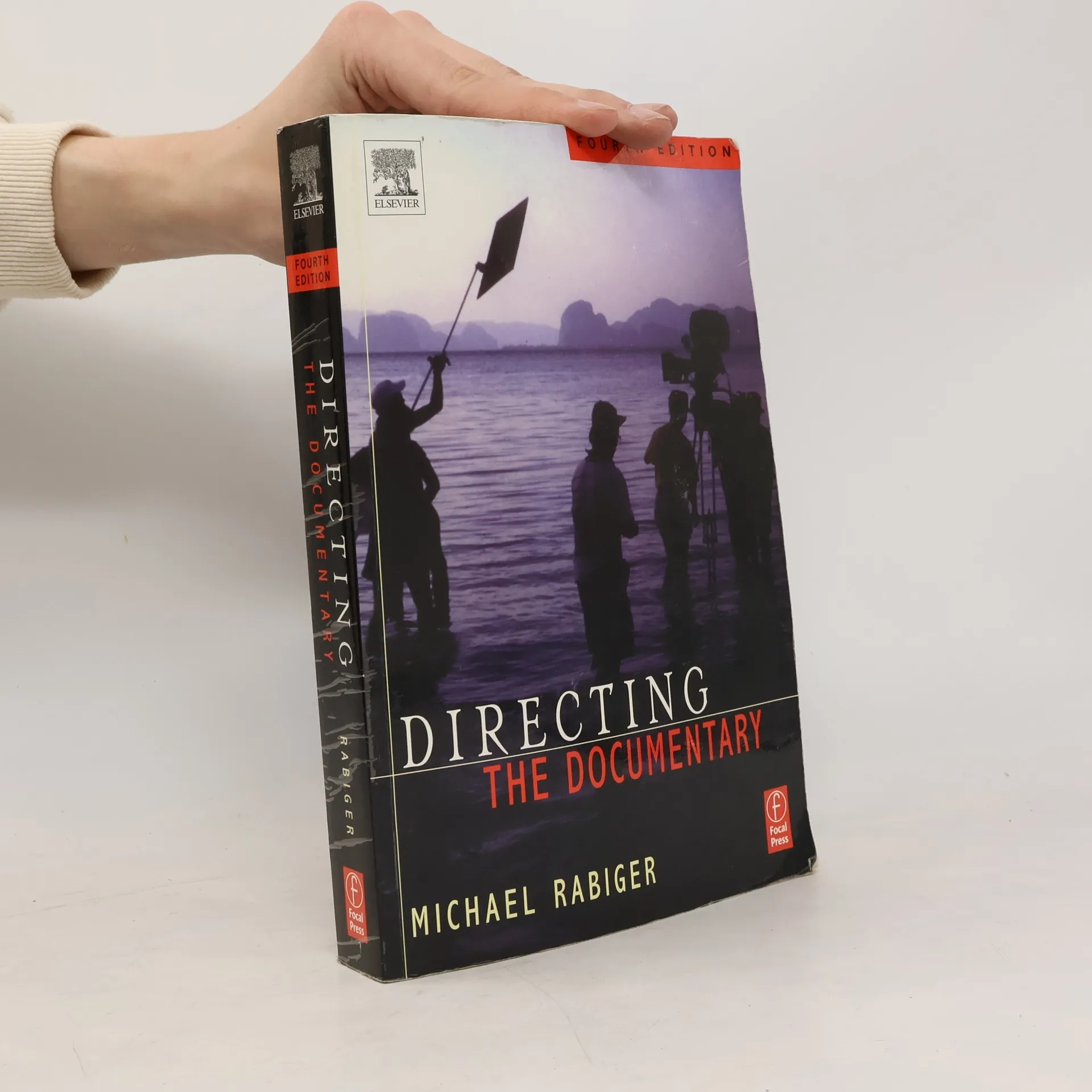
Michael Rabiger's Directing the Documentary is the established guidebook to the process of making a documentary work for the screen. This includes the real problems of researching and focusing a documentary film or video idea, developing a crew, directing the crew and participants, and maintaining control during shooting. Rabiger also leads the reader through the complex evolutionary process of postproduction, where the film's true characteristics can really begin to emerge and assert themselves.
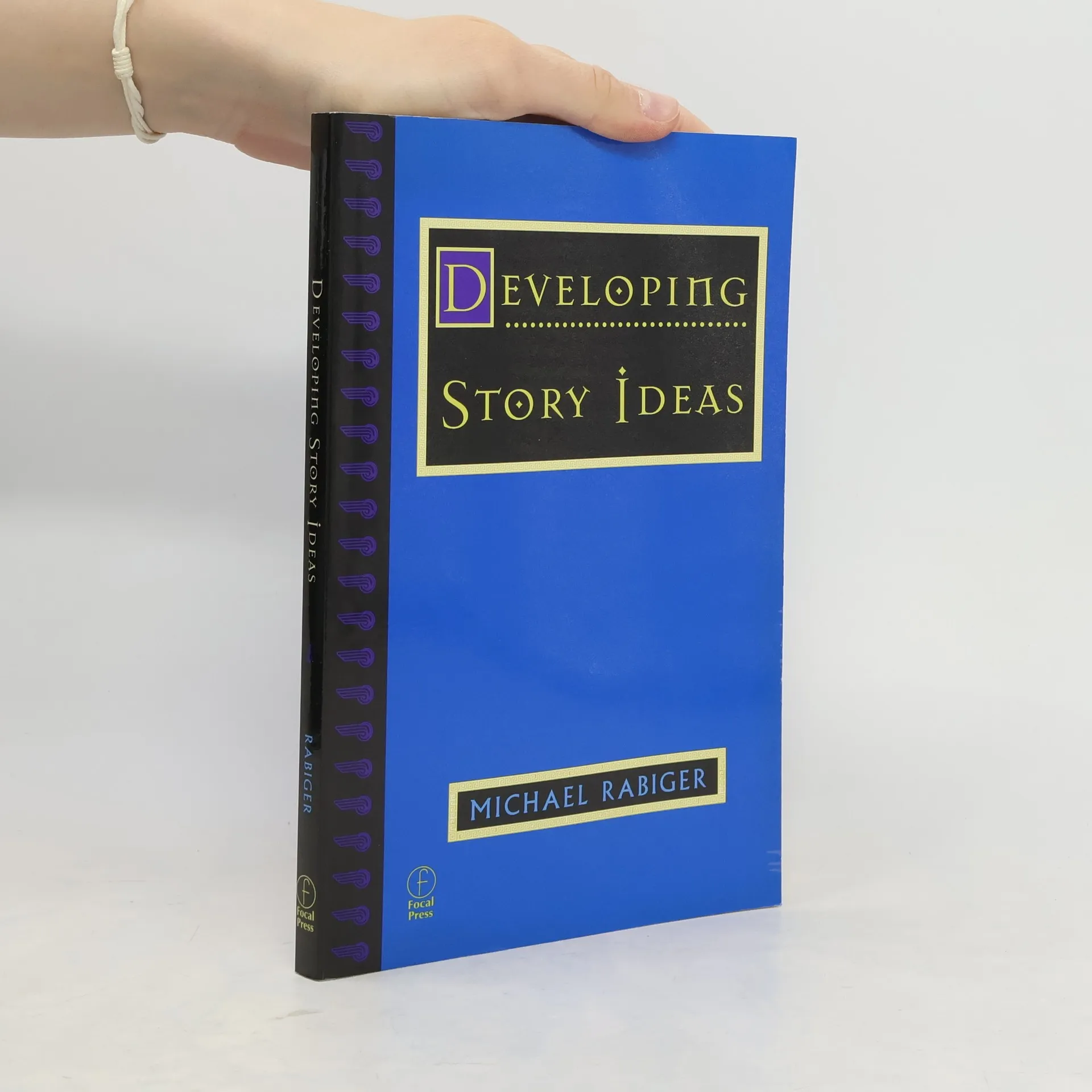
This volume provides exercises and projects to help the reader draw an artistic self-profile to summarize what he or she needs to investigate in creative work. It teaches narrative structure and critical language.
* A practical and comprehensive manual that dissolves the barriers between the aesthetic and the technical * Common sense theory of film derived from everyday perceptual experience. Directing: Film Techniques and Aesthetics, Second Edition is a comprehensive manual that teaches the essentials of filmmaking from the perspective of the director. Ideal for film production and directing classes, as well as for professionals with sights on the director's chair, Directing covers all stages of production, from idea development to final cut. Thoroughly covering the basics, Directing guides the reader to professional standards of control and goes to the heart of what makes a great director. All the 'how-to' information is unified by a theory that naturally links personal experience and vision to the director's decision making and stresses that understanding one's own emotional and perceptual processes is the key to individuality on the screen and to success with audiences.