Bhikshu SangharakshitaReihenfolge der Bücher (Chronologisch)
Sangharakshita schuf ein tiefgründiges Werk, das sich mit dem spirituellen Leben und östlichen Philosophien auseinandersetzt. Sein Schreiben betont durchweg die entscheidende Bedeutung der Hingabe auf dem spirituellen Weg und den höchsten Wert von spiritueller Freundschaft und Gemeinschaft. Er erforschte die Verbindung zwischen Religion und Kunst und setzte sich für eine 'neue Gesellschaft' ein, die spirituelle Bestrebungen fördert. Seine umfangreichen Schriften bieten den Lesern tiefe Einblicke in den Weg zur Erleuchtung und verbinden östliche Traditionen mit westlichem Denken.
The Noble Eightfold Path, the Buddha's first teaching is a timeless truth. One
starts with a vision, a moment of insight and then transformation of thoughts
and acts follows in the light of that truth. This book explores it in relation
to various aspects of life.
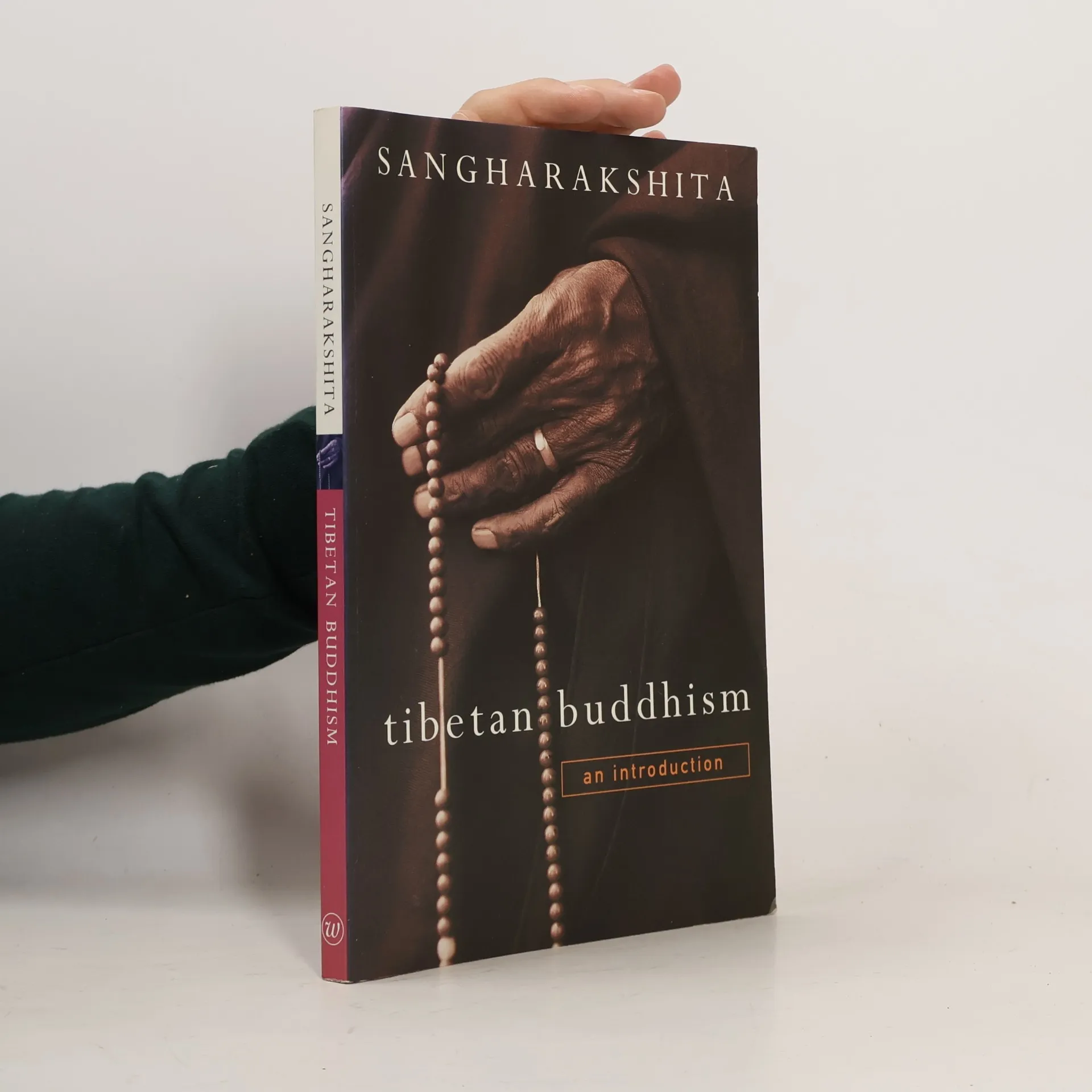
'Karma', 'Nirvana', 'Dalai Lama' ...Tibetan Buddhism is becoming increasingly common and fashionable in Western media - but this familiarity can cause its teachings and message to be misunderstood. If we are to truly learn from the rich and noble Tibetan tradition we must look beyond adverts and lifestyle magazines, exotic artifacts and spiritual sound-bites. Sangharakshita is ideally suited as our guide through the vast realm of Tibetan Buddhism, having spent many years in contact with Tibetan lamas of all schools, from whom he received several initiations. This down-to-earth account of the origin and history of Buddhism in Tibet explains the essentials of the tradition and can act as the starting point for our own noble journey.
What is the meaning of life? How can we be truly happy? Buddhism answers these
questions through the Dharma, which is a traditional term meaning both the
truth and the path, and is the subject of this book, which offers a starter-
kit of Buddhist teachings and practices.
The image of Buddha, cross-legged and meditating, is a familiar one in the West. But who was the Buddha? In this book, Buddha is presented as a historical figures and as an archetype. The author places him in the context of time and eternity.
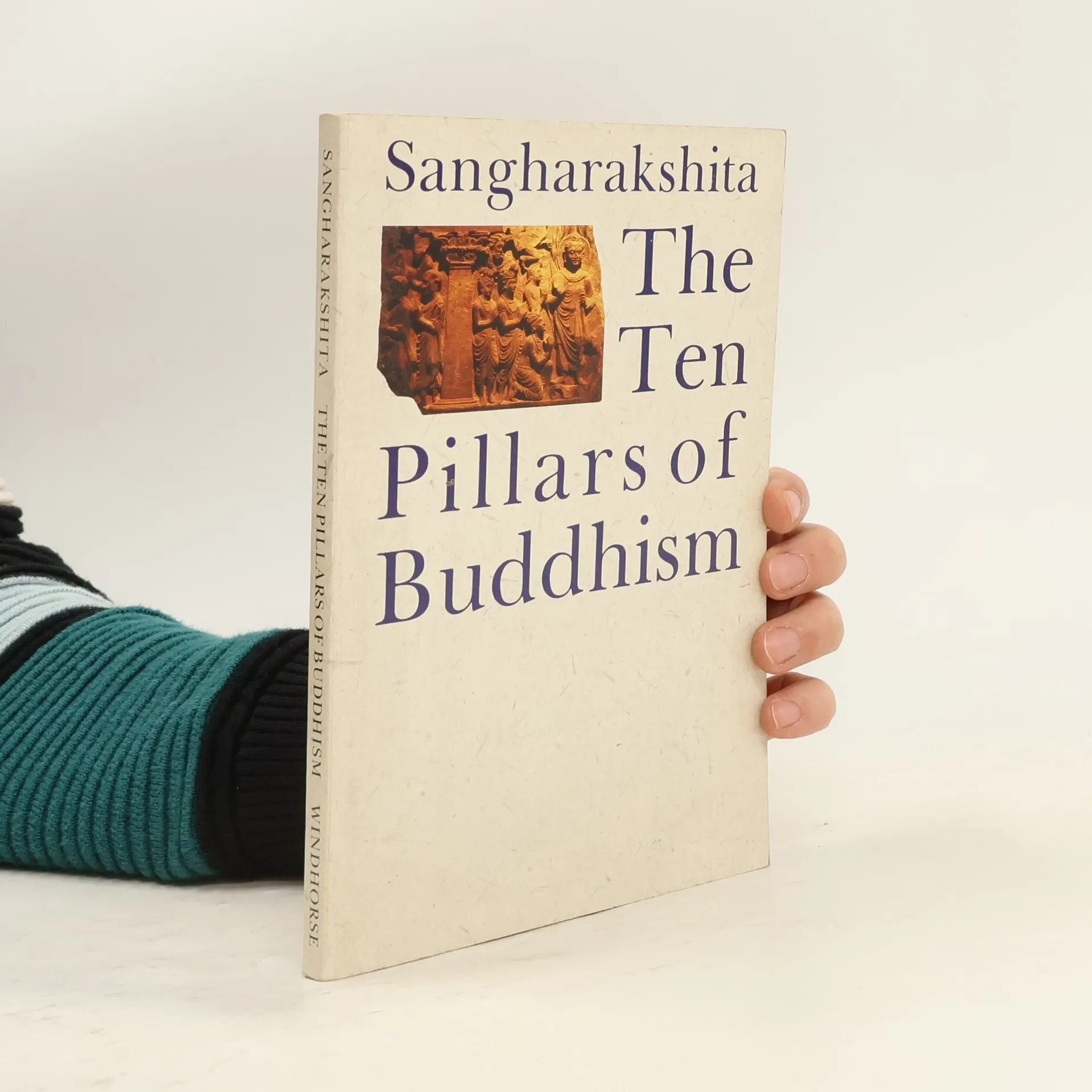
"A handy and easily-readable introduction to Buddhist ethics"--Damien Keown, "Buddhist Studies Review" In a world marked by rapid changes, shifting lifestyles and values, how can we be sure that we are making the best choices for ourselves, others and the world? This small book explores ten basic Buddhist ethical principles and the liberating view of ourselves contained within them. Buddhist ethics are not a list of laws imposed from outside, but guiding principles we can apply to everyday situations. Emphasising personal responsibility and choice, not blind obedience, the Buddhist path of ethics leads us into a deeper understanding of ourselves and the world around us. To apply them is to put to the test the promise of the Buddha: that by our own efforts we can transform our actions, emotions and thoughts to allow our compassion and wisdom to shine through all that we do.