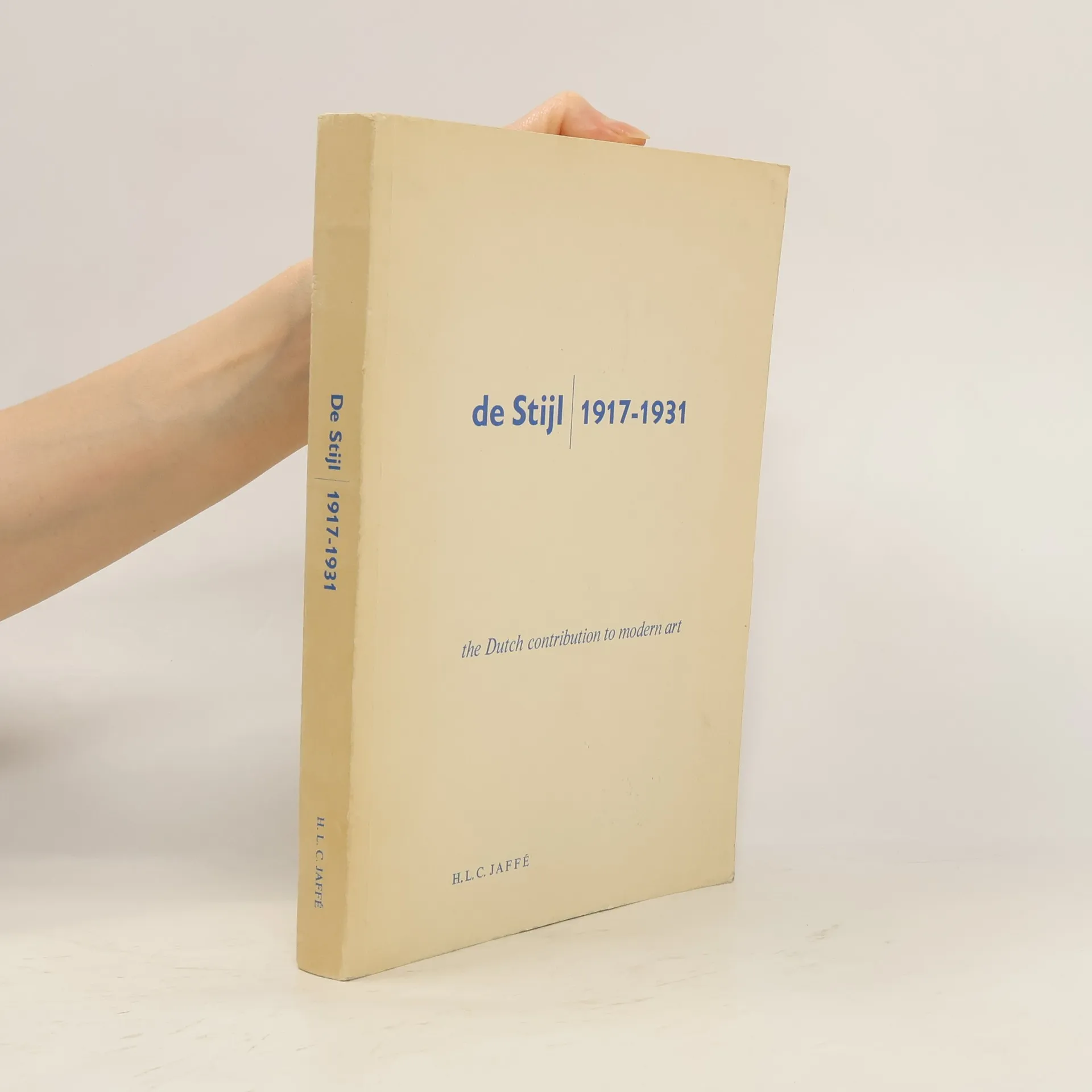
Picasso
- 152 Seiten
- 6 Lesestunden
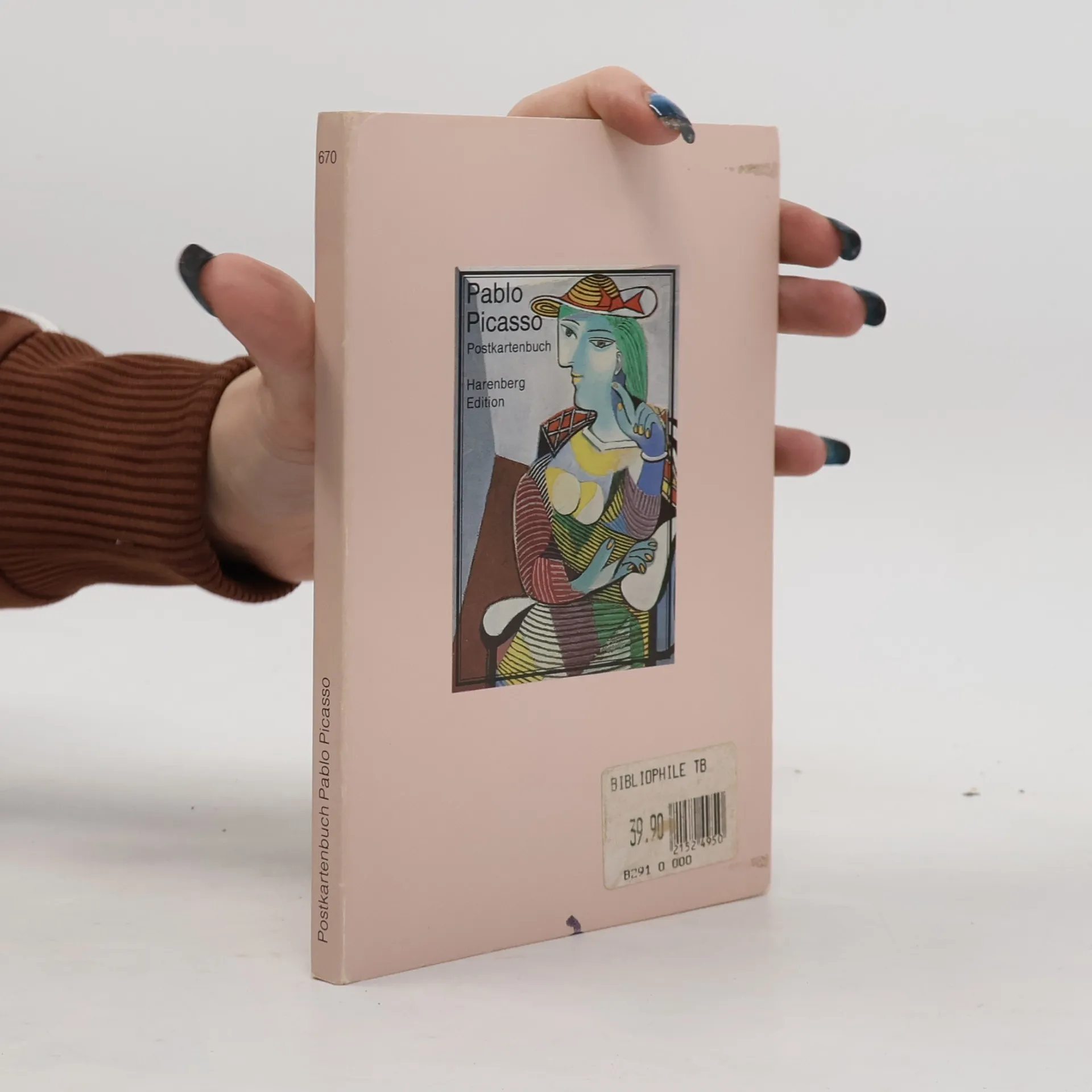
Eine Biografie des Künstlers wird von Kommentaren zu seinem Werk begleitet sowie einer repräsentativen Auswahl seiner Gemälde, Skulpturen und Keramiken.
5,0


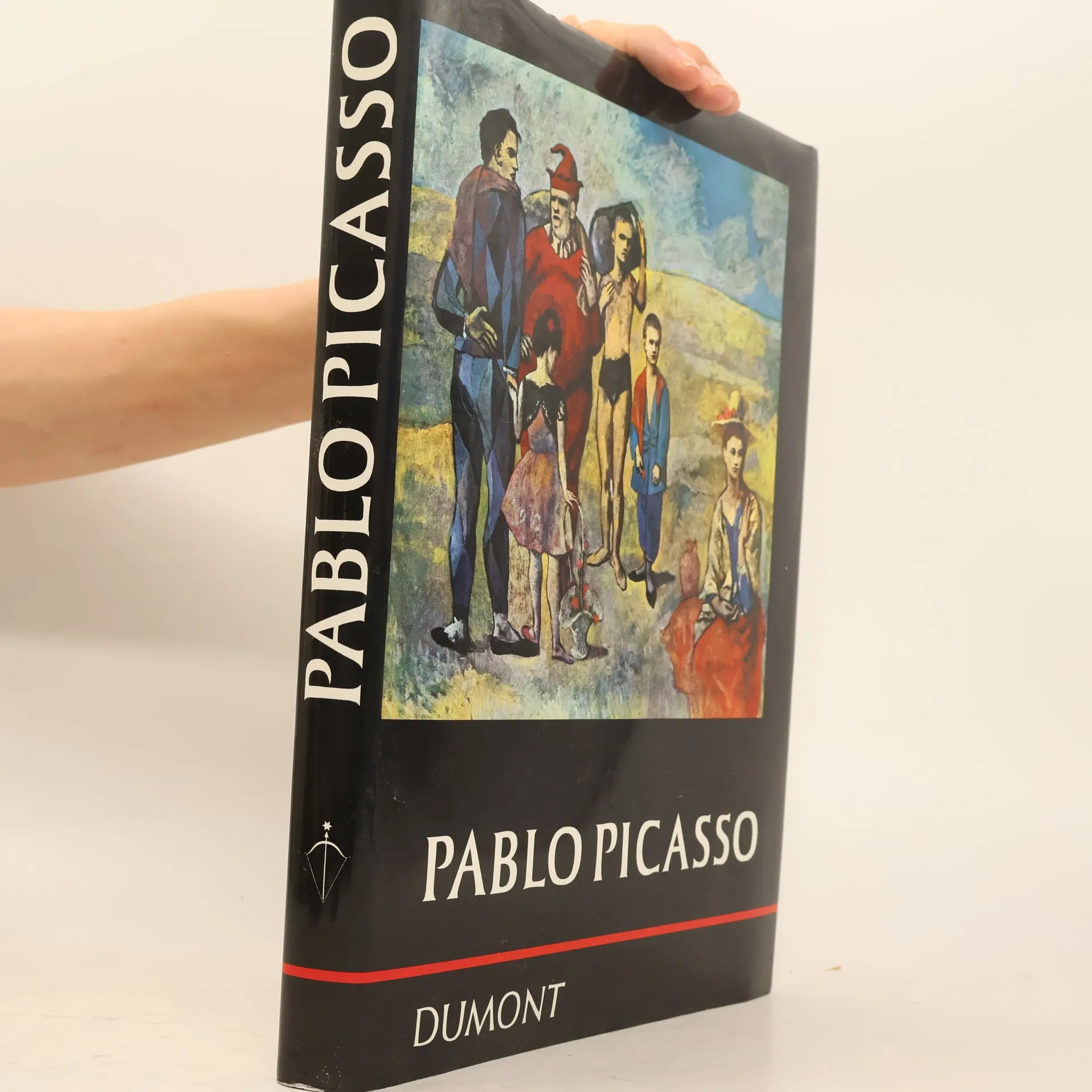
Hans Jaffe war ein angesehener Kunsthistoriker, der sich auf niederländische Kunst, insbesondere die De-Stijl-Bewegung, konzentrierte. Seine Arbeit zeichnete sich durch ein tiefes Verständnis künstlerischer Bewegungen und ihrer historischen Kontexte aus. Im Laufe seiner Karriere hatte er bedeutende Positionen an führenden niederländischen Kunstinstitutionen inne. Jaffe trug dazu bei, das Studium und die Präsentation niederländischer Kunst für zukünftige Generationen zu bereichern.
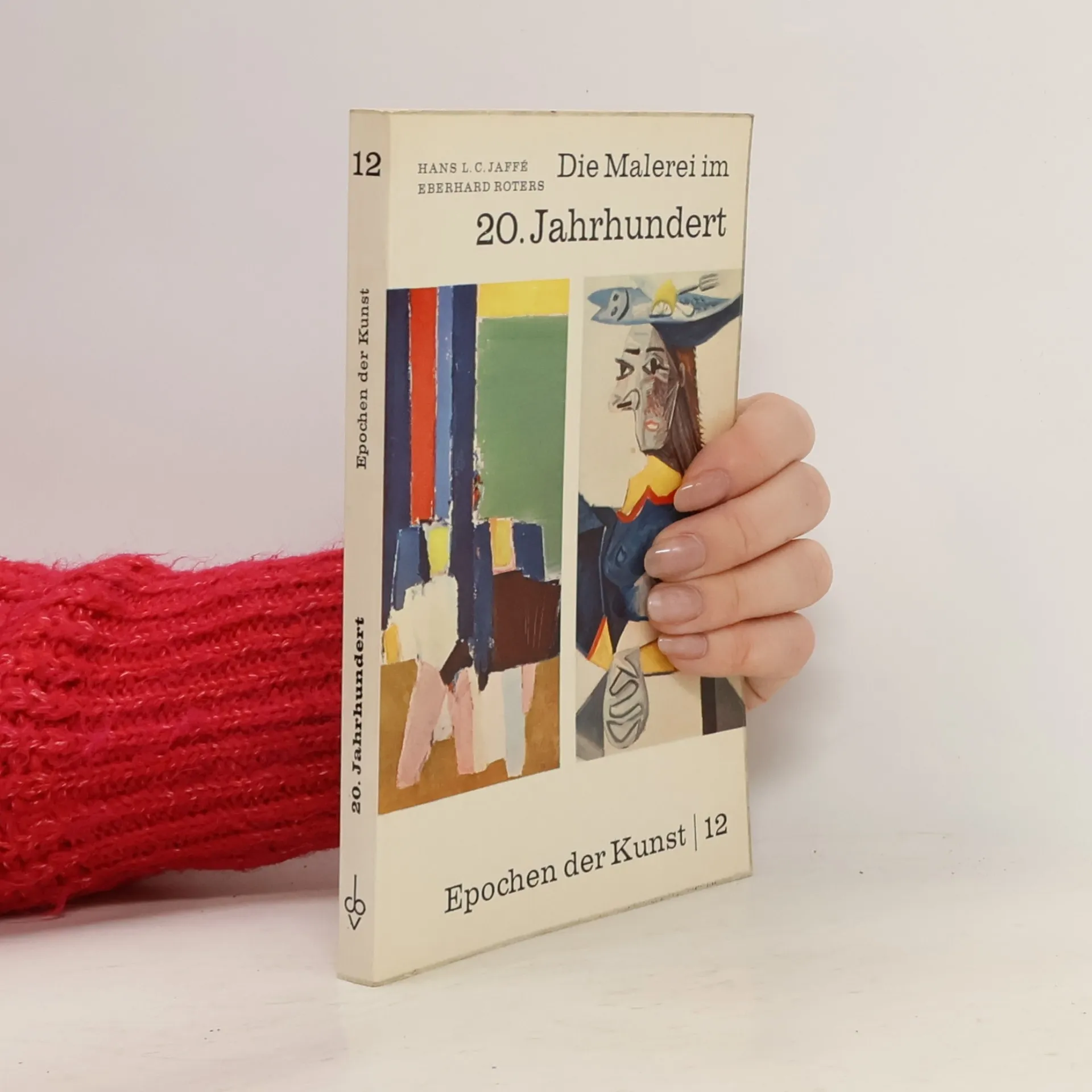


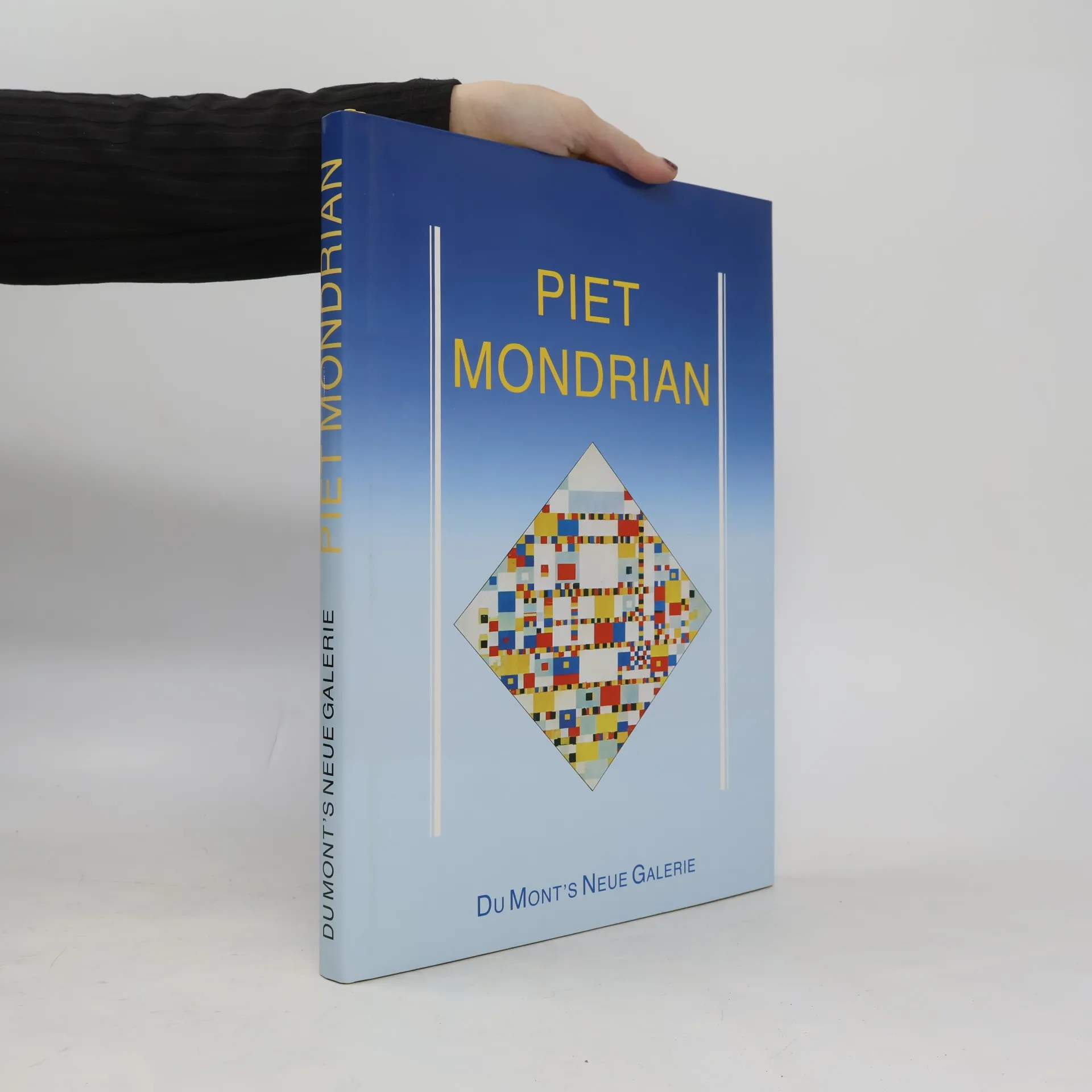
Eine Biografie des Künstlers wird von Kommentaren zu seinem Werk begleitet sowie einer repräsentativen Auswahl seiner Gemälde, Skulpturen und Keramiken.
Erzählt kurz das Leben und die Karriere des niederländischen Malers und zeigt sowie diskutiert eine Auswahl seiner bedeutendsten Werke.



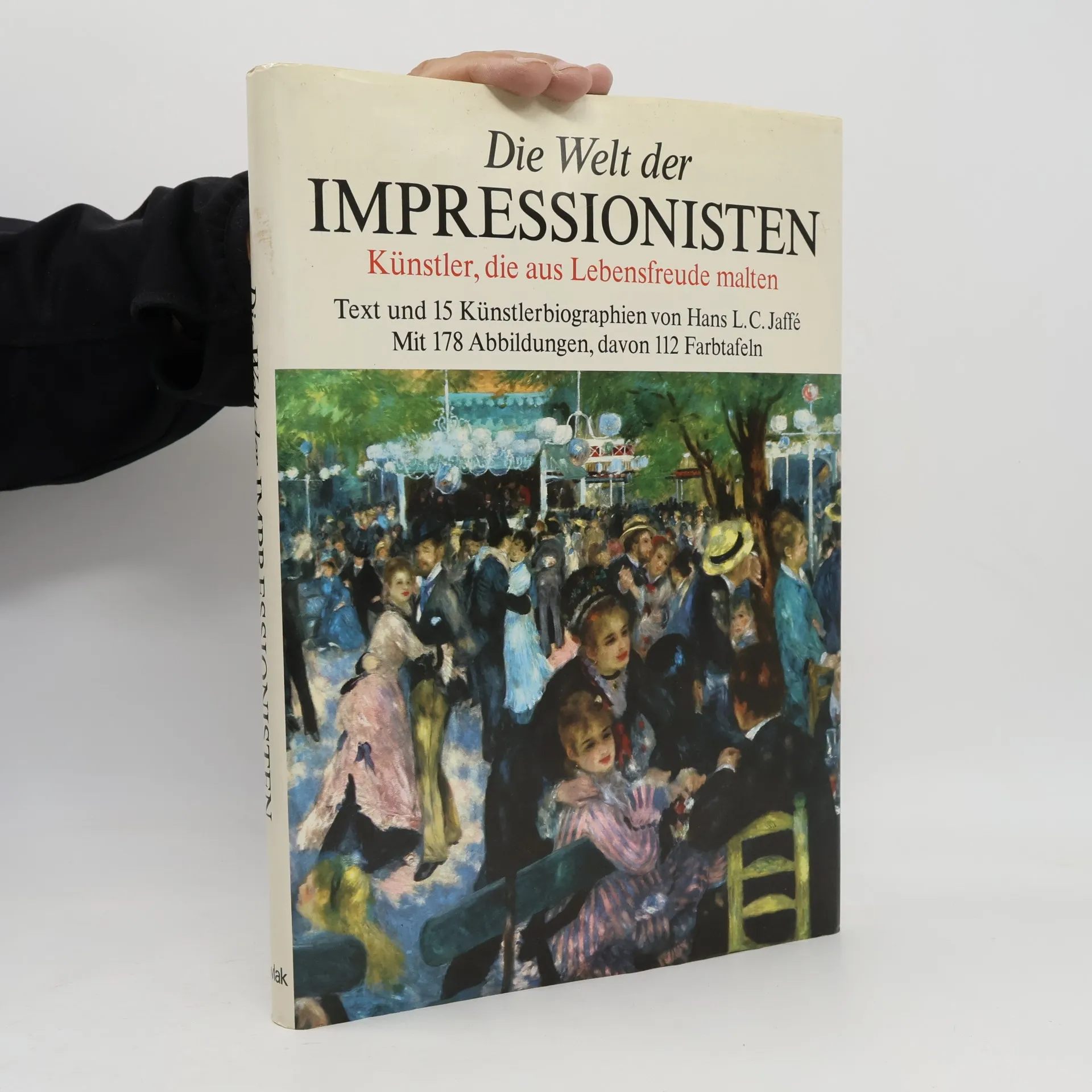
Eine Biografie des Künstlers wird von Kommentaren zu seinem Werk und einer repräsentativen Auswahl seiner Gemälde, Skulpturen und Keramiken begleitet. Enthält eine umfassende Erklärung von 48 seiner größten Gemälde in Farbe.
The Dutch Contribution to Modern Art (Paperbacks in Art History)
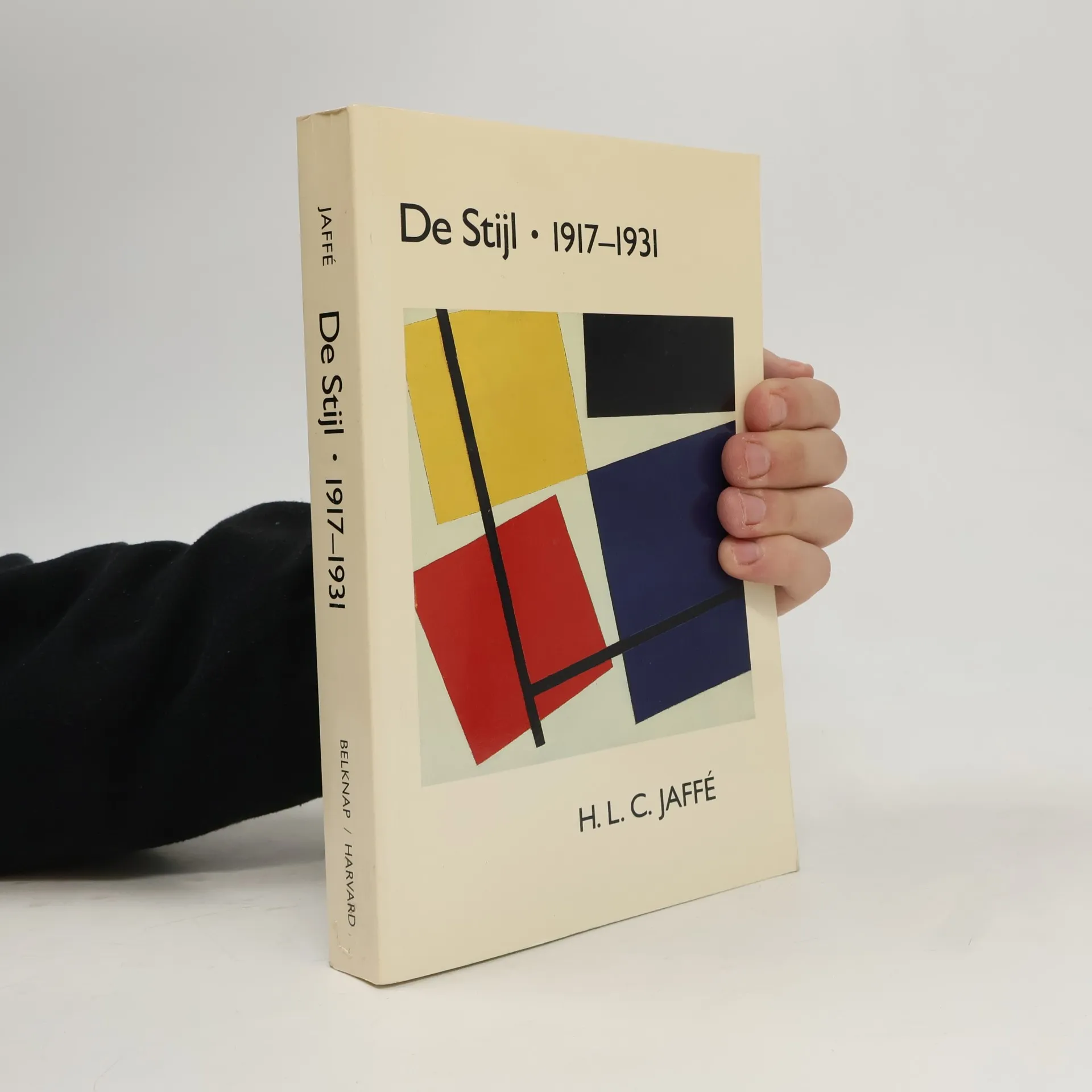
Here is the essential book on "De Stijl," one of the longest lived and most influential of modern art movements. H. L. C. Jaffe recounts the history of this abstract movement; explains its artistic goals and practice; delineates its utopian ideology; and describes the special qualities of De Stijl painting, sculpture, architecture, and design. Jaffe charts the evolution of the movement from its beginning in 1917 with the founding of the journal "De Stijl." He locates the philosophical origins of the artistic program, which put aside representation of nature and confined itself to "pure" forms of expression: vertical and horizontal lines and the primary colors--yellow, blue, red--against white, black, and gray. He describes the roles of Ban Doesburg, De Stijl's driving force, and Mondrian, its leading exponent; the application of its principles to design and architecture; and the involvement of sculptors Arp and Brancusi. He places De Stijl in relation to other abstract arts and demonstrates its wide range of influence. Throughout Jaffe quotes extensively from the writings of the De Stijl group, allowing the artists themselves to describe their aims and methods; a complete forty-page pamphlet by Mondrian, "Art and Life" (1931) is appended.
The Dutch Contribution to Modern Art