**A NEW YORK TIMES BOOK OF THE YEAR 2022 and FINANCIAL TIMES BEST BOOK OF 2023** **Shortlisted for the Royal Science Society Book Prize 2023** From the author of the prescient Spillover: Animal Infections and the Next Human Pandemic Breathless is the story of the scientific quest to decipher, control and fight Covid-19. Breathless traces SARS-CoV-2's fierce journey through the human population as seen by the scientists who study its origin, ever-changing nature and capacity to kill. It shows how strange viruses emerge as we disrupt wild ecosystems - sometimes causing global catastrophe - and suggests this coronavirus could be a 'forever virus' that's destined to bedevil us endlessly. Quammen also explains that experts saw this pandemic coming; that scientists warned 'the next big one' would be caused by a changeable new virus, but were ignored for political or economic reasons; and that while the origins of this virus may not be known for years, some suppositions are compelling and others can be dismissed. Breathless takes us inside the frantic international effort to control SARS-CoV-2 as if peering over the shoulders of the brilliant scientists who led the chase. Praise for Spillover: 'A frightening and fascinating masterpiece of science reporting' Walter Isaacson 'A real-life thriller with an outcome that affects us all' Elizabeth Kolbert
David Quammen Reihenfolge der Bücher (Chronologisch)
David Quammen wird für seine fesselnde Wissenschafts-, Natur- und Reiseschriften gefeiert, die den Lesern tiefe Einblicke in die Vernetzung der natürlichen Welt bieten. Seine ausgeprägte Erzählstimme erweckt komplexe ökologische und evolutionäre Themen zum Leben und fördert eine tiefere Wertschätzung für die komplizierten Systeme des Planeten. Quammens Werk zeichnet sich durch intellektuelle Strenge und seine Fähigkeit aus, die Wunder der Umwelt zu beleuchten. Er ist bekannt für seine nachdenkliche Erforschung, wie sich das Leben in verschiedenen Landschaften entfaltet.



The Tangled Tree
- 480 Seiten
- 17 Lesestunden
"In the mid-1970s, scientists began using DNA sequences to reexamine the history of all life. Perhaps the most startling discovery to come out of this new field -- the study of life's diversity and relatedness at the molecular level -- is horizontal gene transfer (HGT), or the movement of genes across species lines. It turns out that HGT has been widespread and important; we now know that roughly eight percent of the human genome arrived sideways by viral infection--a type of HGT."--Amazon.com
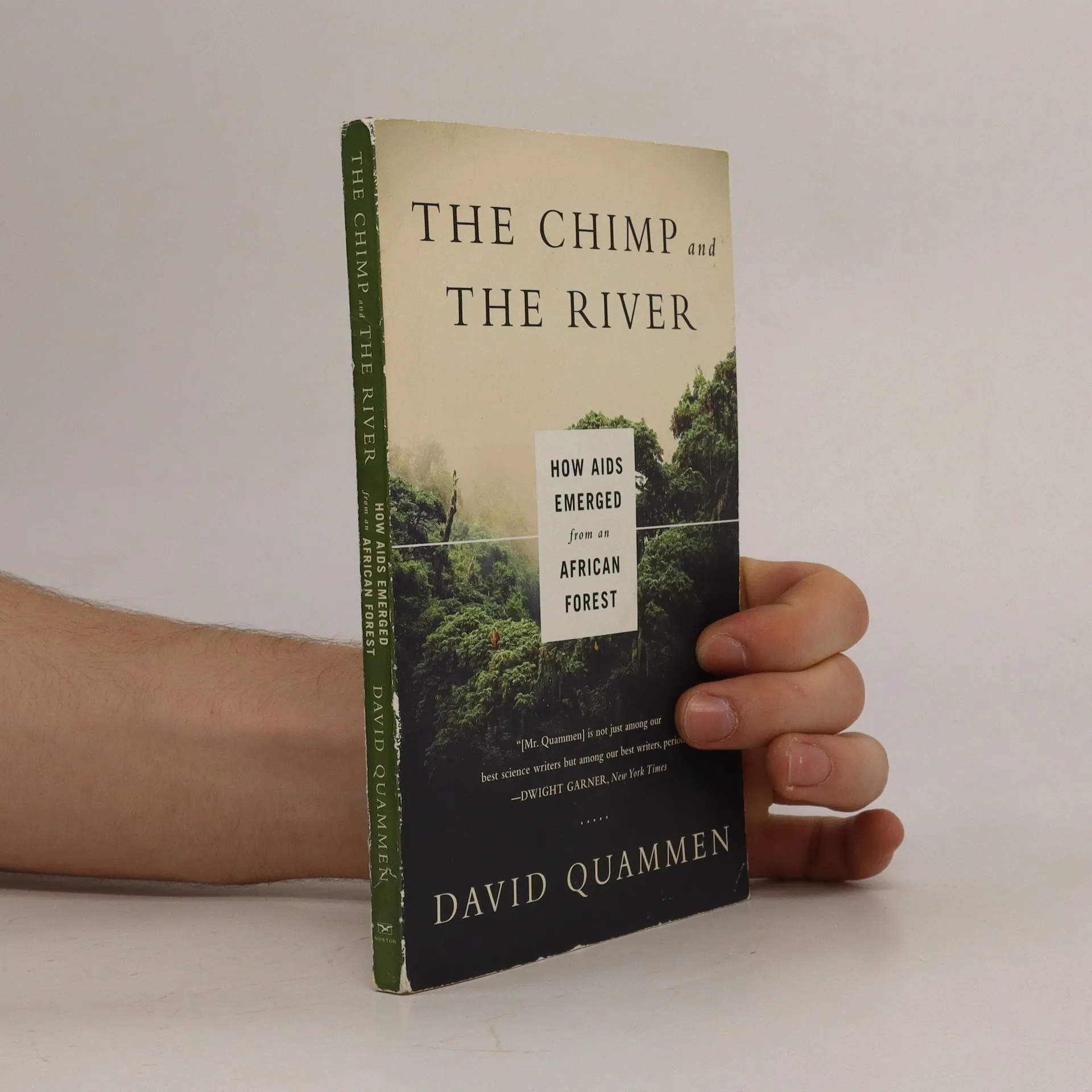
The Chimp and the River
- 174 Seiten
- 7 Lesestunden
In this "frightening and fascinating masterpiece" (Walter Isaacson), David Quammen explores the true origins of HIV/AIDS. The real story of AIDS—how it originated with a virus in a chimpanzee, jumped to one human, and then infected more than 60 million people—is very different from what most of us think we know. Recent research has revealed dark surprises and yielded a radically new scenario of how AIDS began and spread. Excerpted and adapted from the book Spillover, with a new introduction by the author, Quammen's hair-raising investigation tracks the virus from chimp populations in the jungles of southeastern Cameroon to laboratories across the globe, as he unravels the mysteries of when, where, and under what circumstances such a consequential "spillover" can happen. An audacious search for answers amid more than a century of data, The Chimp and the River tells the haunting tale of one of the most devastating pandemics of our time.
In 1976 a deadly virus emerged from the Congo forest. As swiftly as it came, it disappeared, leaving no trace. Over the four decades since, Ebola has emerged sporadically, each time to devastating effect. It can kill up to 90% of its victims. In between these outbreaks, it is untraceable, hiding deep in the jungle. The search is on to find Ebolaâe(tm)s elusive host animal. And until we find it, Ebola will continue to strike. Acclaimed science writer and explorer David Quammen first came near the virus whilst travelling in the jungles of Gabon, accompanied by local men whose village had been devastated by a recent outbreak. Here he tells the story of Ebola, its past, present and its unknowable future.
Island Life
- 522 Seiten
- 19 Lesestunden
As the co-formulator with Charles Darwin of the theory of biological evolution via natural selection, naturalist Alfred Russel Wallace (1823-1913) argued that plant and animal species develop throughout organic history. Wallace focused special attention on the diversity of tropical life forms and became acutely aware of the adaptive relationship between each species and its particular environment: an ongoing relationship that is necessary for survival and reproduction. After amassing empirical evidence from the Malay Archipelago, Wallace wrote Island Life (1881) in order to document the dynamic realtionship between organisms and their climatic habitats. Anticipating our present concern with both endangered species and vanishing environments, Wallace's ecological studies helped substantiate the fact of evolution. This book is an excellent example of long-term research and the far-reaching insights such scientific projects hold for understanding and appreciating the evolving life on Earth.
Die neuen Seuchen
- 560 Seiten
- 20 Lesestunden
In seinem ebenso spannend erzählten wie beunruhigenden Buch schildert der preisgekrönte Wissenschaftsautor David Quammen wie und an welchen Orten bevorzugt Viren, Bakterien und andere Erreger schwerer Seuchen auf den Menschen übertragen werden. Er begleitete die führenden Forscher bei der Suche nach dem Ursprung der Seuchen zu Gorillas in den Kongo, beobachtet sie bei der Arbeit mit Fledermäusen in China und Affen in Bangladesch und erklärt, warum die Gefahr der Übertragung auf den Menschen gestiegen ist. Noch ist nicht klar, woher die nächste Seuche kommt, aber ihr Ausbruch ist nur eine Frage der Zeit. Ausstattung: mit Abbildungen
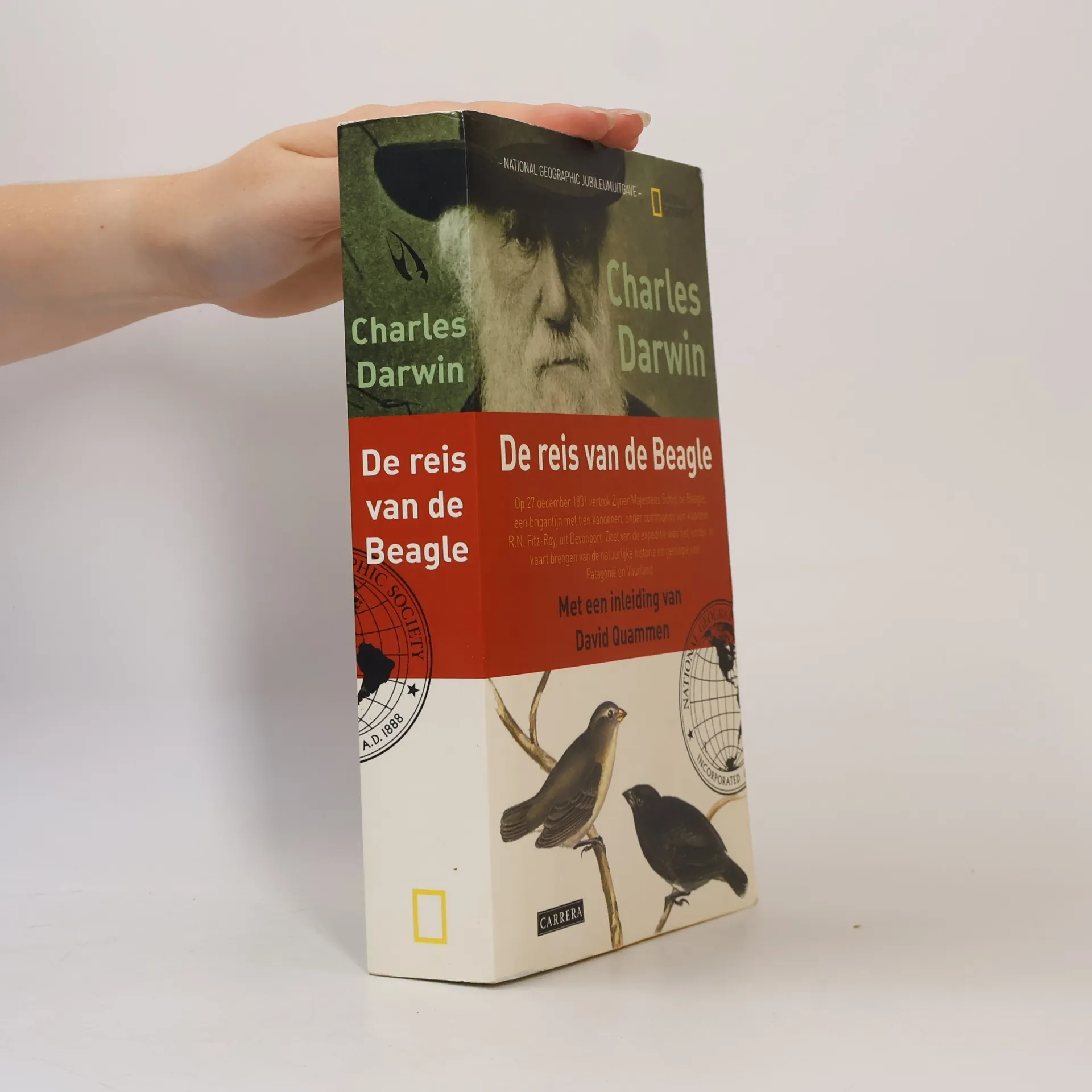
De reis van de Beagle
- 459 Seiten
- 17 Lesestunden
Reisverslag van de 5 jaar durende zeereis die de Britse wetenschapper Charles Darwin vanaf 1831 maakte naar Zuid-Amerika, Afrika, Australië en eilanden in de Stille en Indische Oceaan.
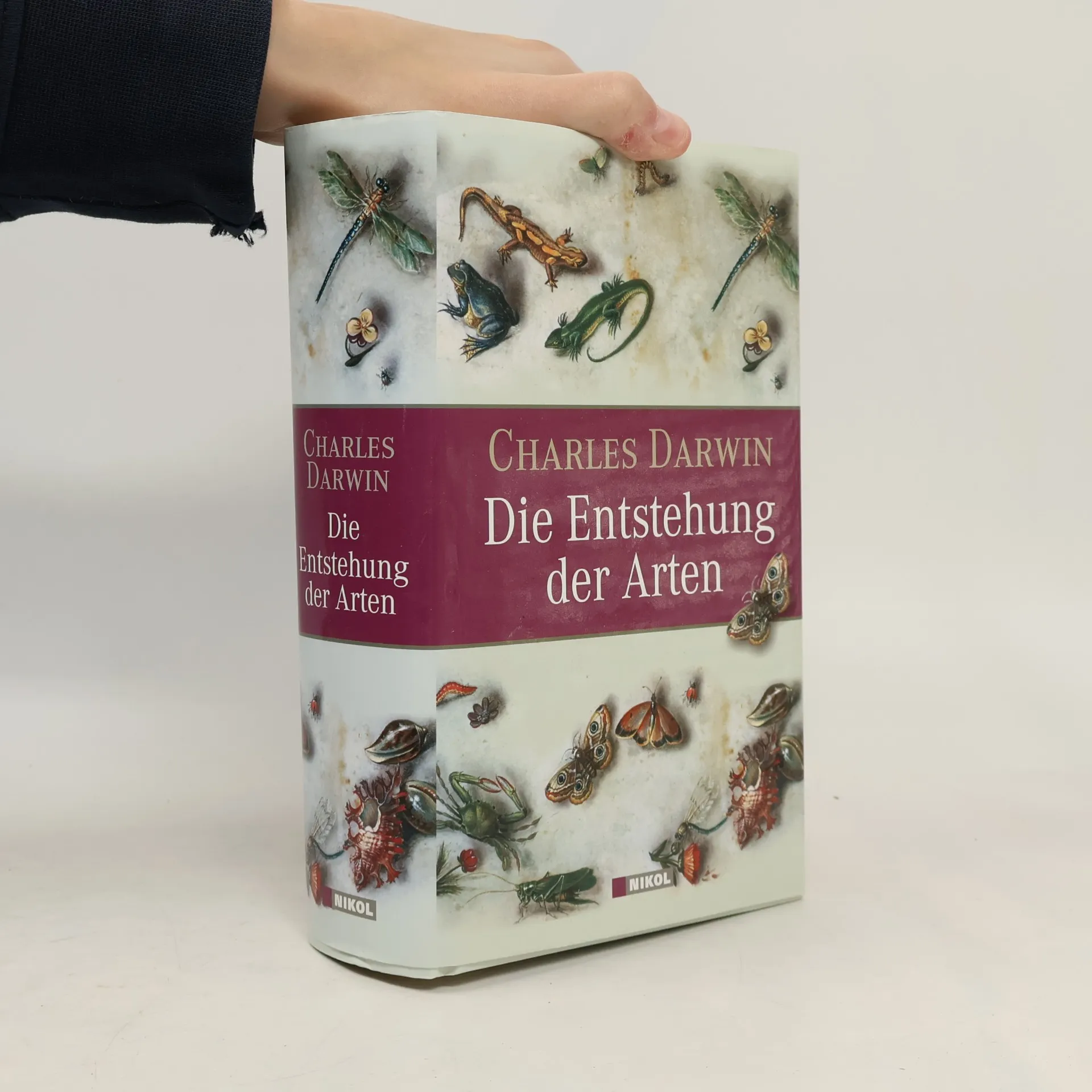
In seinem 1859 erschienen Werk »On the Origins of Species by Means of Natural Selections, or the Preservation of Favoured Races in the Struggle for Life« revolutionierte Charles Darwin (1809–1882) die bisherigen Vorstellungen in der Biologie von der Entstehung und Veränderung der Arten. Obwohl seine Kerngedanken nicht neu waren und vorher schon nicht selten ausgesprochen wurden, belegte er sie durch eine Fülle von Material, so dass er zu Recht als Begründer der wissenschaftlichen Evolutionstheorie angesehen werden kann. »Ich bin fest davon überzeugt, dass die Arten nicht unveränderlich, sondern dass die zu einer Gattung gehörenden die Nachkommen anderer, meist schon erloschener Arten, und dass die anderen Varietäten einer bestimmten Art Nachkommen dieser sind. Und ebenso fest bin ich überzeugt, dass die natürliche Zuchtwahl das wichtigste, wenn auch nicht das einzige Mittel der Abänderung war.« Charles Darwin
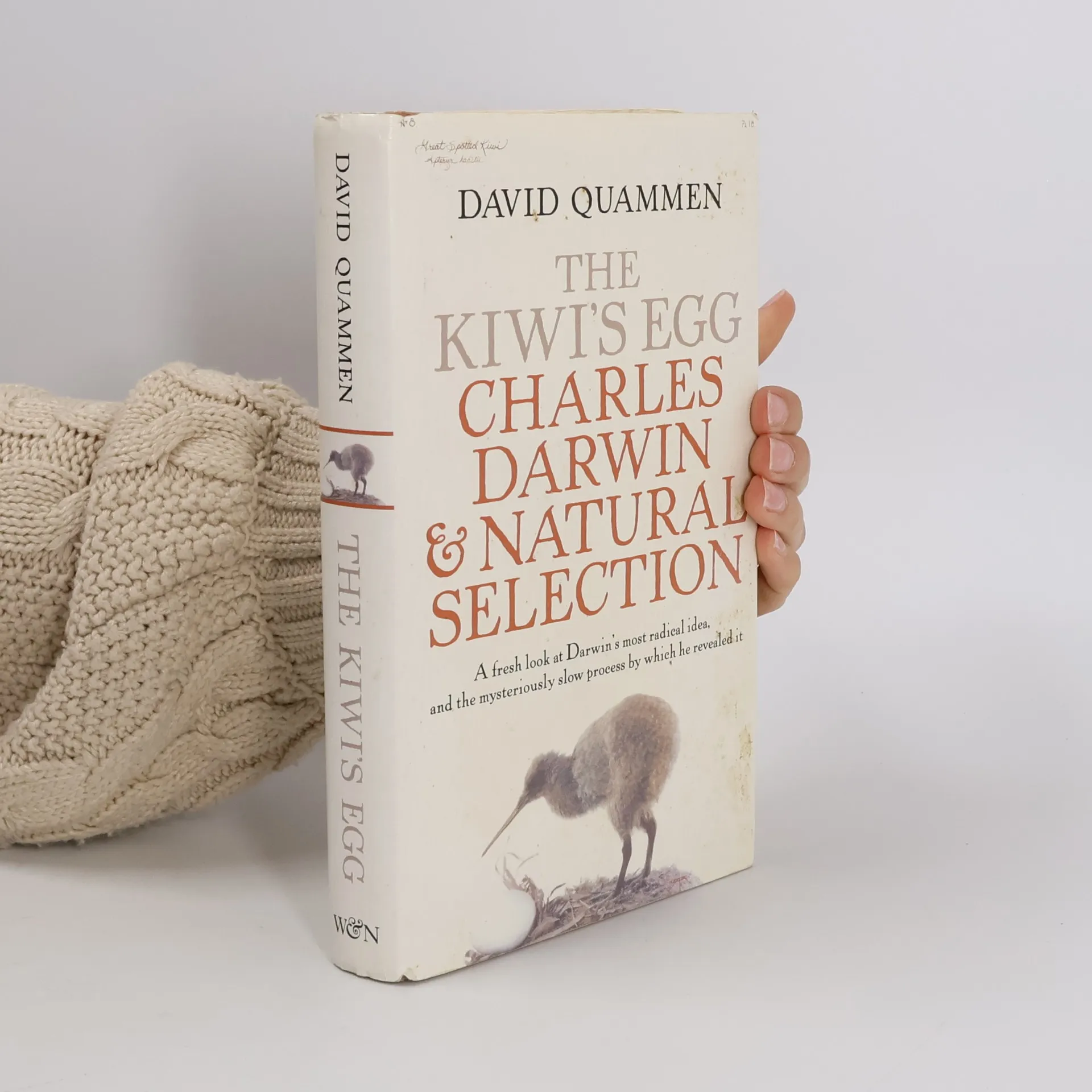
Evolution, during the early nineteenth century, was an idea in the air. Other thinkers had suggested it, but no one had proposed a cogent explanation for how evolution occurs. Then, in September 1838, a young Englishman named Charles Darwin hit upon the idea that 'natural selection' among competing individuals would lead to wondrous adaptations and species diversity. Twenty-one years passed between that epiphany and publication of On the Origin of Species. The human drama and scientific basis of Darwin's twenty-one-year delay constitute a fascinating, tangled tale that elucidates the character of a cautious naturalist who initiated an intellectual revolution.Also published under the title "The Reluctant Mr Darwin" in the US.
Eine glänzend geschriebene Naturgeschichte und ein einfühlsames Porträt von Charles Darwin, das den Leser an den Freuden, Kämpfen und Sorgen seines ruhigen, aber außergewöhnlich folgenreichen Lebens teilhaben lässt.
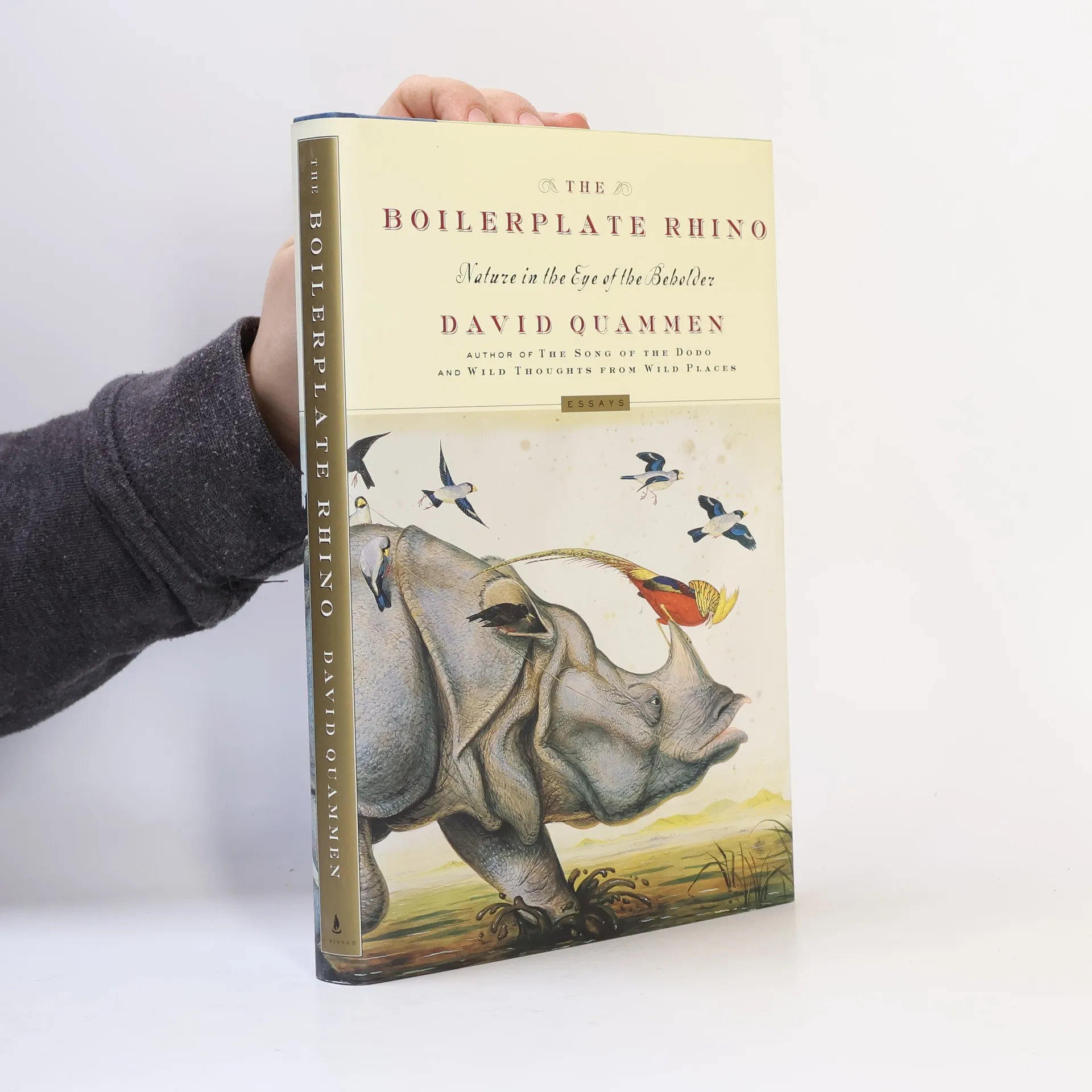
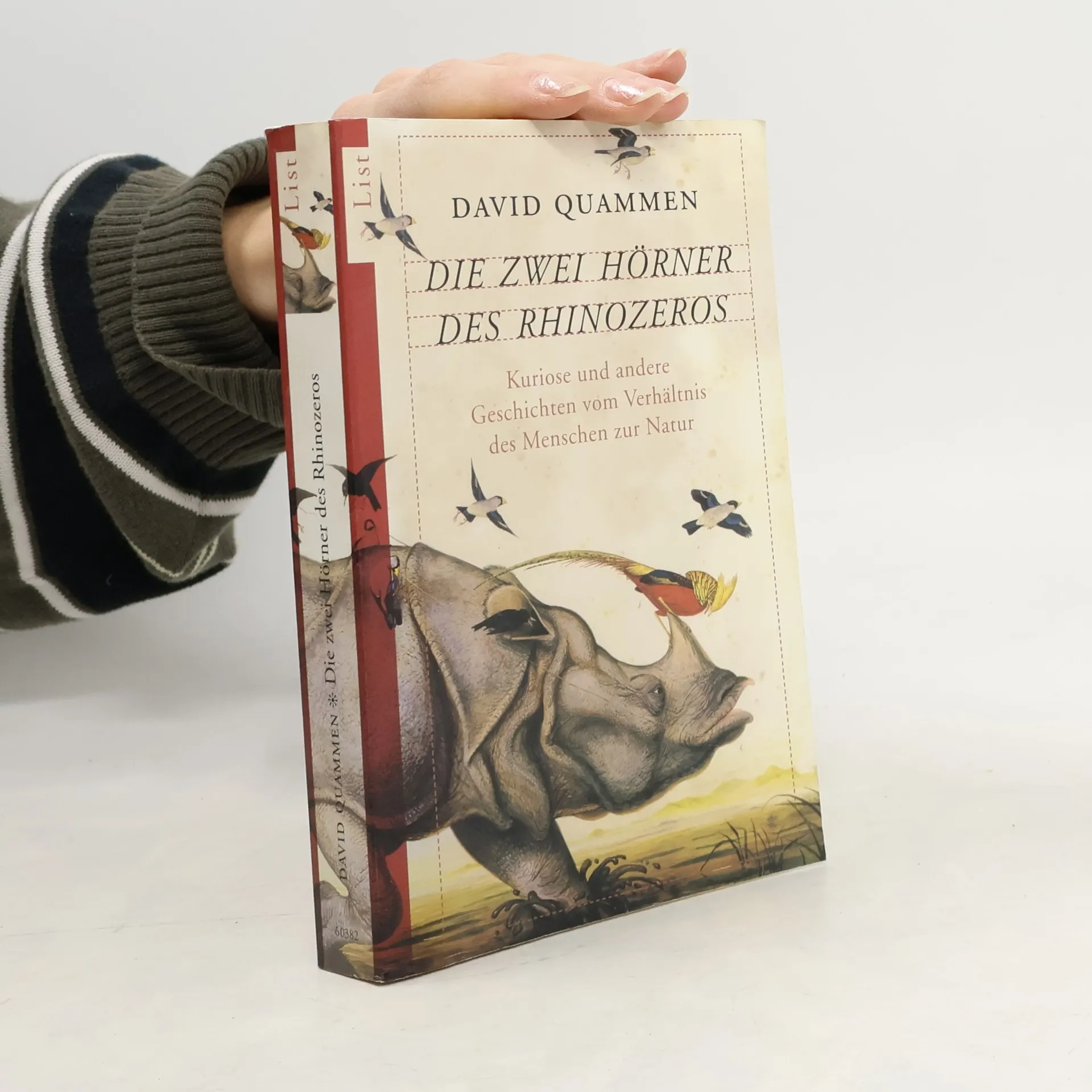
Die zwei Hörner des Rhinozeros
- 383 Seiten
- 14 Lesestunden
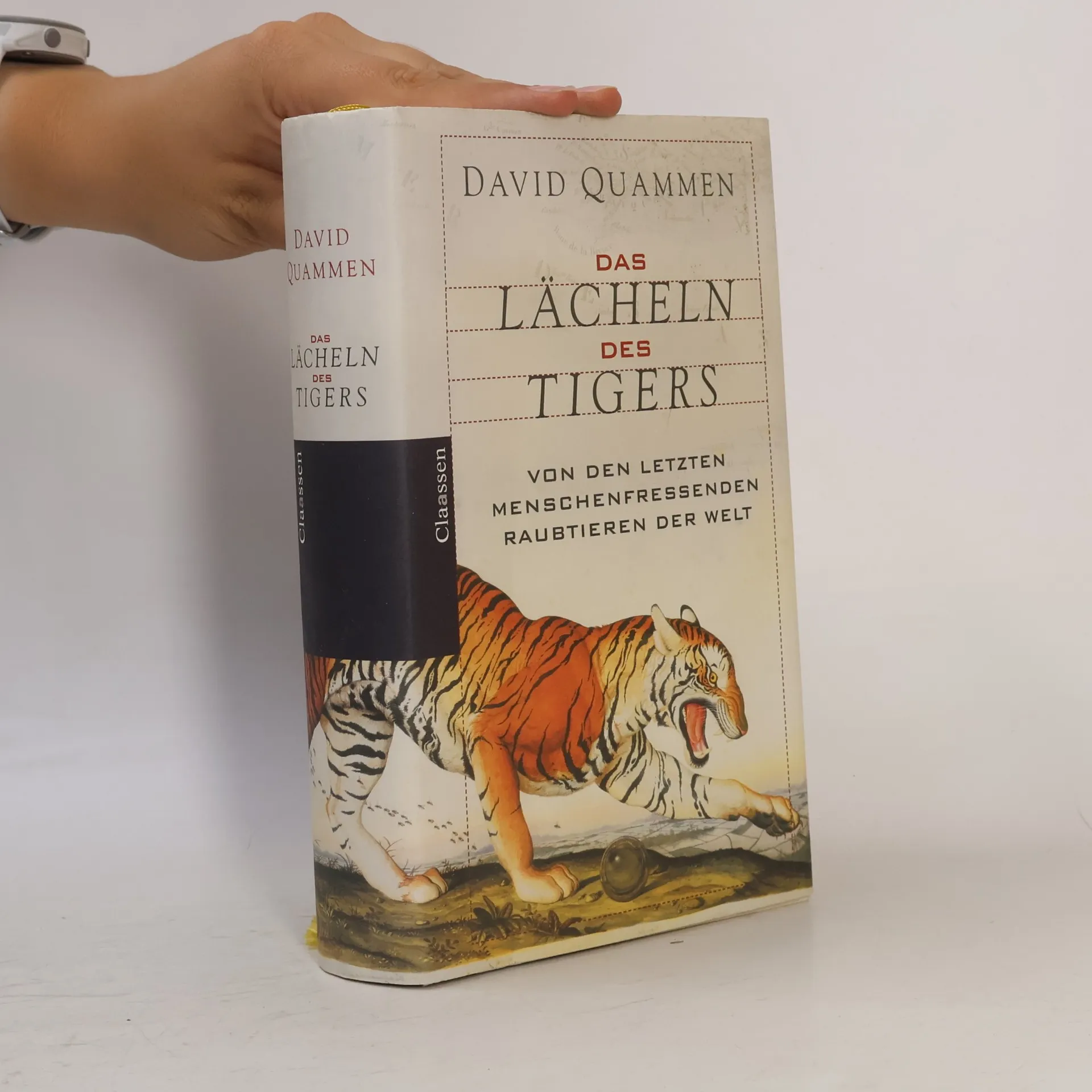
Das Lächeln des Tigers
- 575 Seiten
- 21 Lesestunden
In seinem neuen Buch wartet David Quammen mit einem Thema auf, das viele Menschen nicht erst seit Der weiße Hai immer wieder fasziniert: Dem Zusammenspiel von Mensch und Raubtier. Erzählerisch meisterhaft und höchst kenntnisreich bürstet er dabei den Mythos vom „Menschenfresser“ gegen den Strich und zeigt die fatalen Auswirkungen, die das Aussterben dieser Art nicht nur auf das Biosystem, sondern auch auf die kollektive Imaginationswelt hätte.
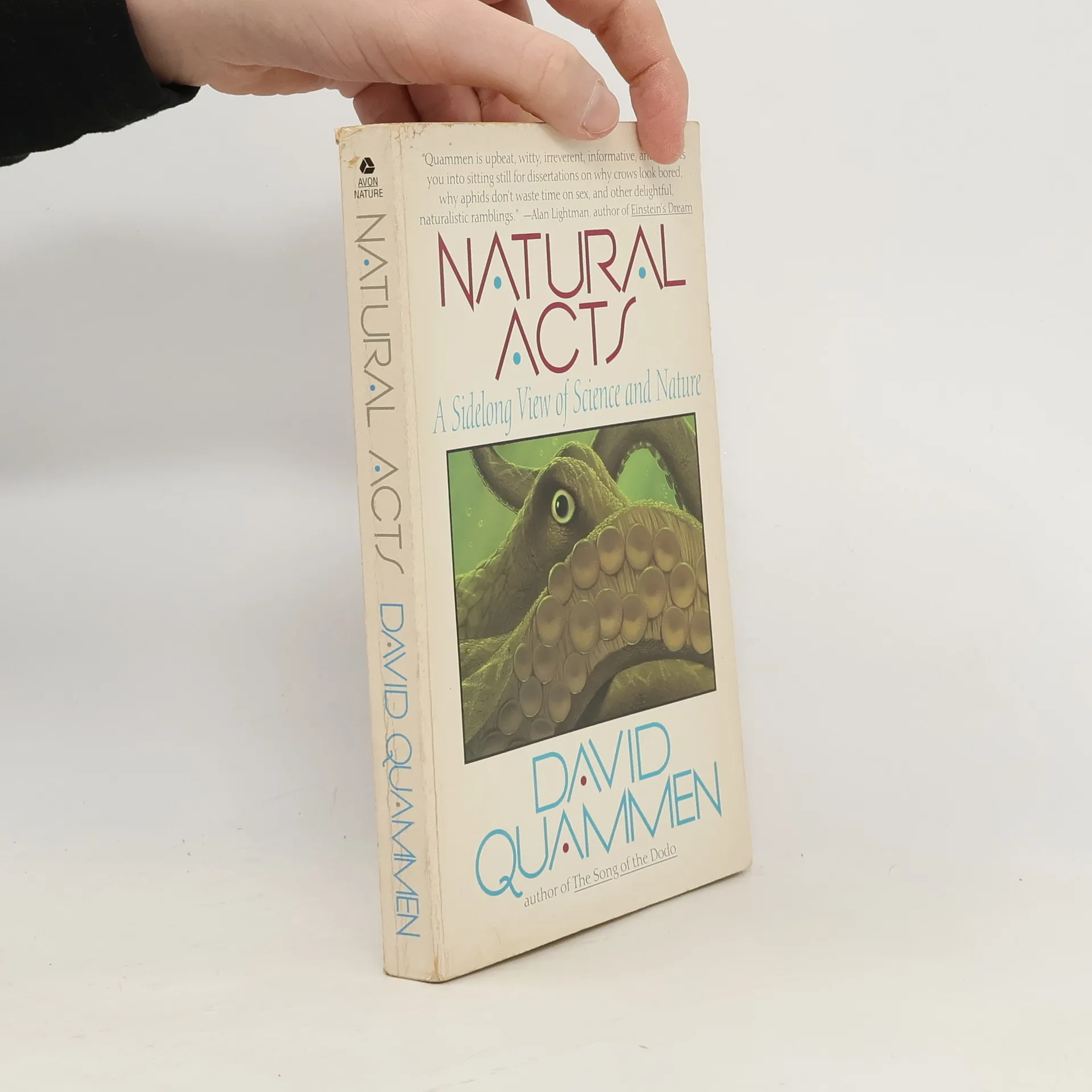
A selection of 26 of Quammen's most durable and engaging essays from his monthly column in Outside magazine, written between 1981 to 1996. Topics include rattlesnake handlers, eel mythology and arachnophobia.
A revised and expanded edition of Quammenâ s first book of nonfiction, including the best of his recent work.â Lively writing about science and nature depends less on the offering of good answers, I think, than on the offering of good questions,â said David Quammen in the original introduction to Natural Acts. For more than two decades, he has stuck to that credo. In this updated version of his first essay collection, Quammenâ s lively curiosity leads him from New Mexico to Romania, from the Congo to the Amazon, asking questions about mosquitoes (what are their redeeming merits?), dinosaurs (how did they change the life of a dyslexic Vietnam vet?), and cloning (can it save endangered species?). This expanded edition returns to print Quammenâ s best-loved â Natural Actsâ columns, which first appeared in Outside magazine in the early 1980s, and includes recent pieces such as â Planet of Weeds,â an influential Harperâ s cover story. The new Natural Acts is an eye-opening journey that will please both Quammen fans and newcomers to his work.
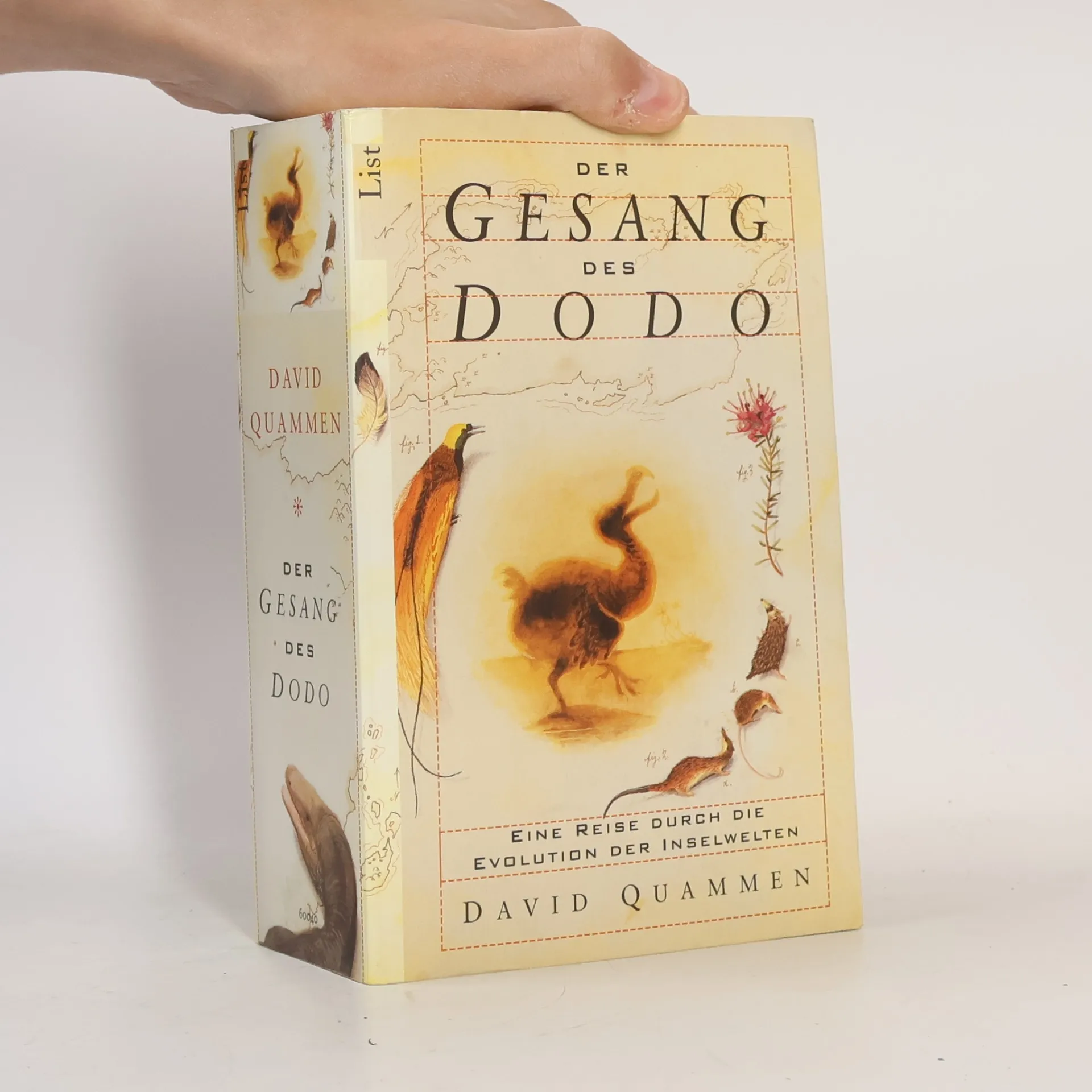
Der Gesang des Dodo
- 973 Seiten
- 35 Lesestunden
Wieso treibt die Evolution auf Inseln besonders kapriziöse Blüten, und wieso bedeutet sie auf Inseln eine Einbahnstraße in den Untergang? Um dies herauszufinden, hat David Quammen sich zehn Jahre lang auf eine abenteuerliche Reise rund um die Welt begeben - eine Reise auch durch die Geschichte der Evolutionstheorie, die in den Fußstapfen von A. R. Wallace beginnt und bei den Feldforschungen einer Wissenschaft endet, die sich heute Inselbiogeographie nennt.
De Zolta formule
- 256 Seiten
- 9 Lesestunden
Mayberry, met een staat van dienst in de Vietnam Special Forces, denkt een kalm leven gevonden te hebben. Dan ontvangt hij 'van een broer van een vriend' een brief met de formule voor een 'superbom'. Hij houdt het best bewaakte geheim van de Amerikaanse regering in handen. Waarom juist hij? Mayberry raakt in een maalstroom van gebeurtenissen. Sommiige verwacht hij, andere zijn onvoorstelbaar. Ze voeren hem terug nar Vietnam. Waarom? Hij moet het weten? Naar de hel met de kalmte! David Quammens roman is een briljante mengeling an feiten en fictie, waarin de race om de 'superbom' de achtergrond vormt voor een met grote vaart geschreven verhaal over internationale nucleaire spionage. David Quammen is een meester van de suspense in de traditie van Eric Ambler en Len Deighton.