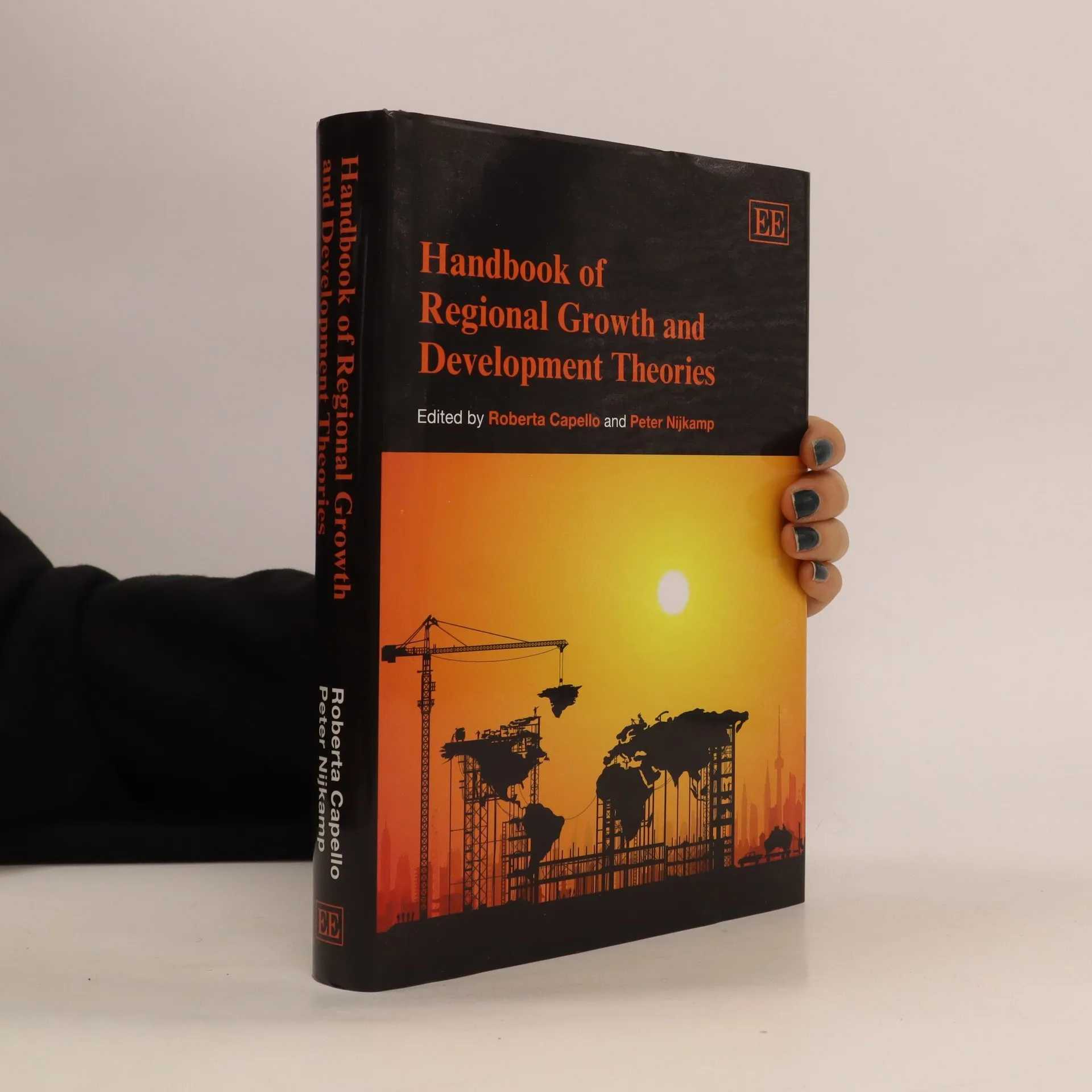
Regions and cities are the natural loci where knowledge is created, and where it can be easily turned into a commercial product. This book explains the logic behind the interactions and cooperative attitudes in regions and cities, with a particular focus on the importance of academic institutions in fostering development.
Regional economics - an established discipline for several decades - has gone through a rapid pace of change in the past decade and several new perspectives have emerged. At the same time the methodology has shown surprising development. This volume brings together contributions looking at new pathways in regional economics, written by many well-known international scholars. The most advanced theories, measurement methods and policy issues in regional growth are given in-depth treatment. The focus here is to collect cutting-edge theories explaining regional growth and local development. The authors highlight the recent advances in theories, the normative potentialities of these theories and the cross-fertilization of ideas among regional economists and mainstream economists. Theories of regional growth and development need to be able to interpret, more than ever, the way in which regions achieve a role in the international division of labour and, more importantly, the way in which regions can maintain this role over time. Topics covered regional growth and development policies and measurement methods; development theories of innovation, knowledge and space, and regional production factors; and growth theories and space. This book will be a source of reference and information for both scholars and students in the area of regional economics.