Gratis Versand ab € 9,99
Bookbot

Christa Steinle

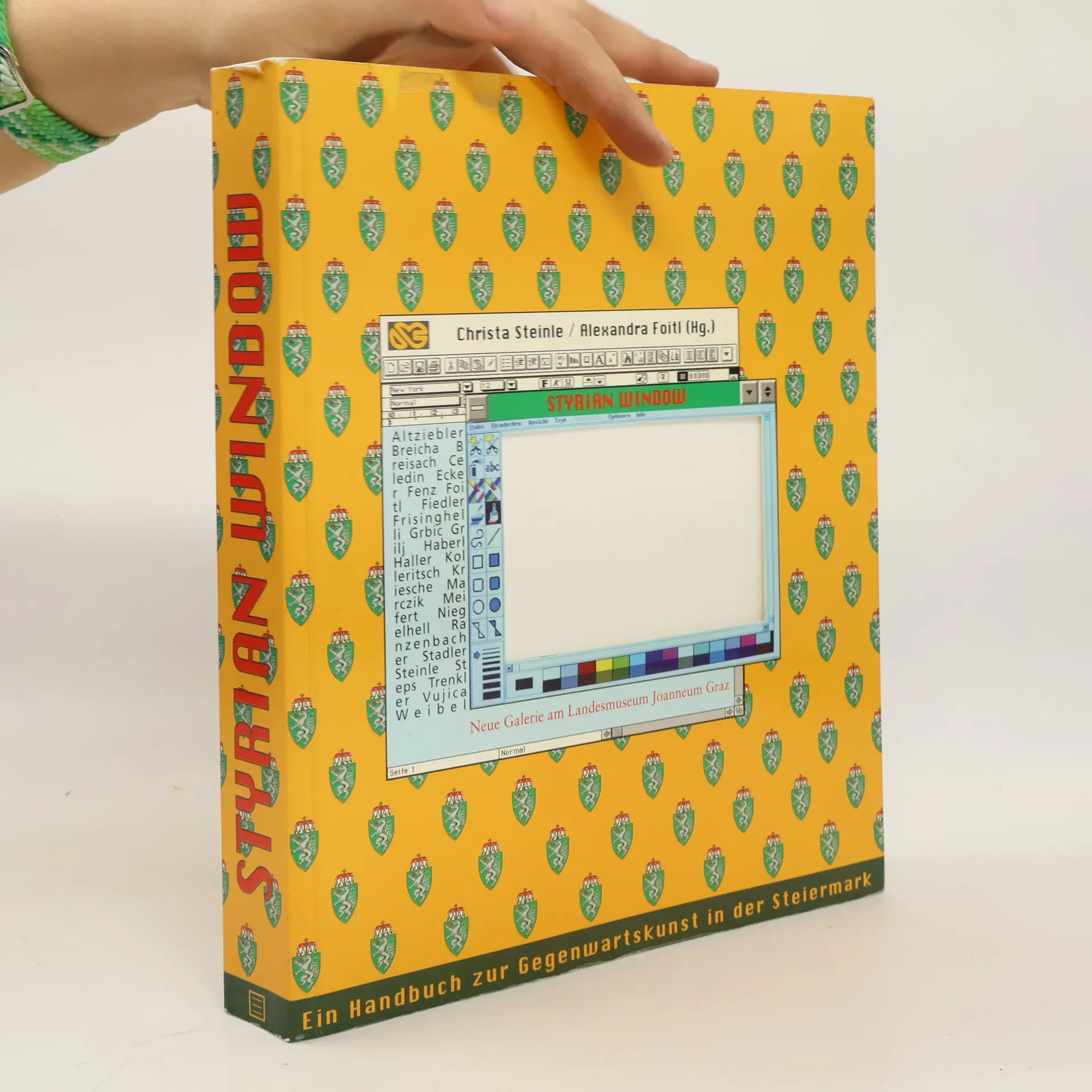
    Styrian Window
    Norbertine Bresslern-Roth - Tiermalerin
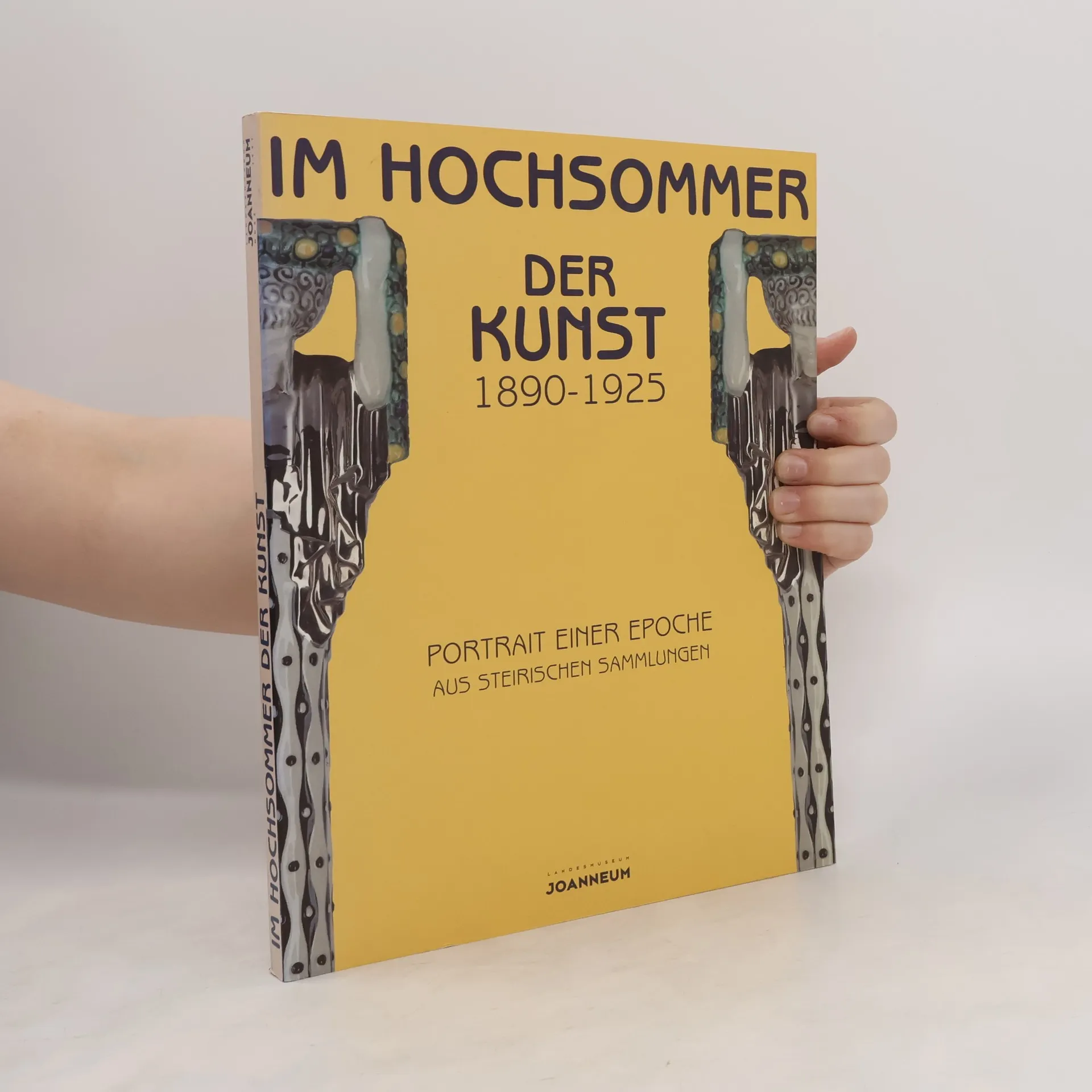
    Im Hochsommer der Kunst 1890-1925 : Portrait einer Epoche aus Steirischen Sammlungen
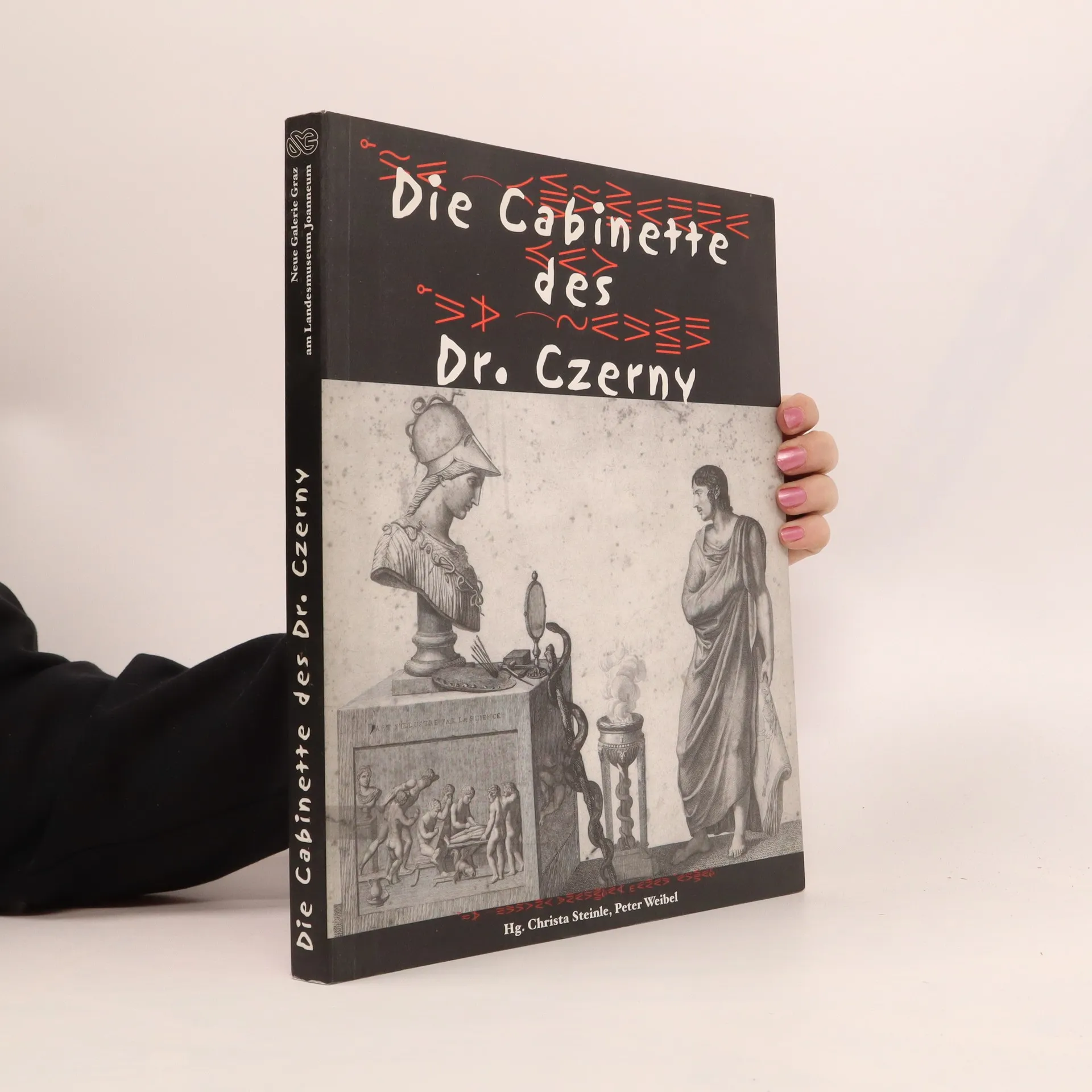
    Die Cabinette des Dr. Czerny
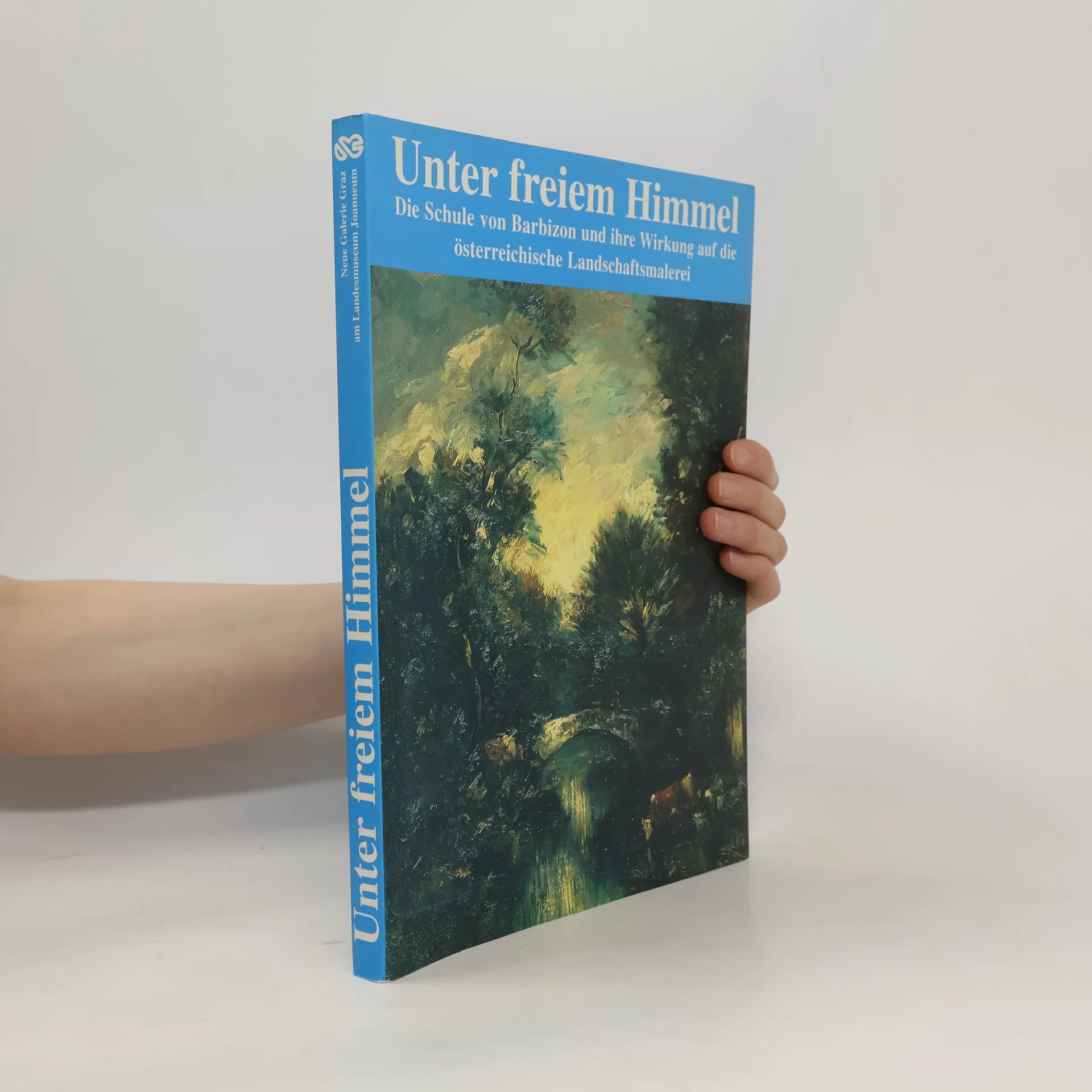
    Unter freiem Himmel : die Schule von Barbizon und ihre Wirkung auf die österreichische Landschaftsmalerei
    Gerhard Lojen
    • Norbertine Bresslern-Roth (Graz, 1891 – Graz, 1978) umkreist als zentrales Thema in ihren Gemälden, Aquarellen, Zeichnungen und Druckgrafiken das Tier in allen Facetten. Ab Ende der 1920er-Jahre wendet sie sich auch zunehmend den Lebenswelten Afrikas, der Südsee oder der nordischen Völker zu. Deren Menschen werden in idealisierter Weise in einer symbiotischen Einheit mit dem exotischen Tierreich und der Vegetation dargestellt. Charakteristisch für ihre Bilder ist eine spezifische Farbigkeit von freskoähnlicher Wirkung. Der Künstlerin, die als Mitglied des Women’s International Art Club zu Lebzeiten, insbesondere in der Zwischenkriegszeit, internationale Bekanntheit als Malerin, aber auch als Buchillustratorin erlangt hat, widmet die Neue Galerie Graz ab Oktober 2016 eine große Retrospektive, mit der sie unter Aktualisierung des Forschungsstandes neu positioniert werden soll. Mit einem Vorwort von Wolfgang Muchitsch.
      Norbertine Bresslern-Roth - Tiermalerin2016
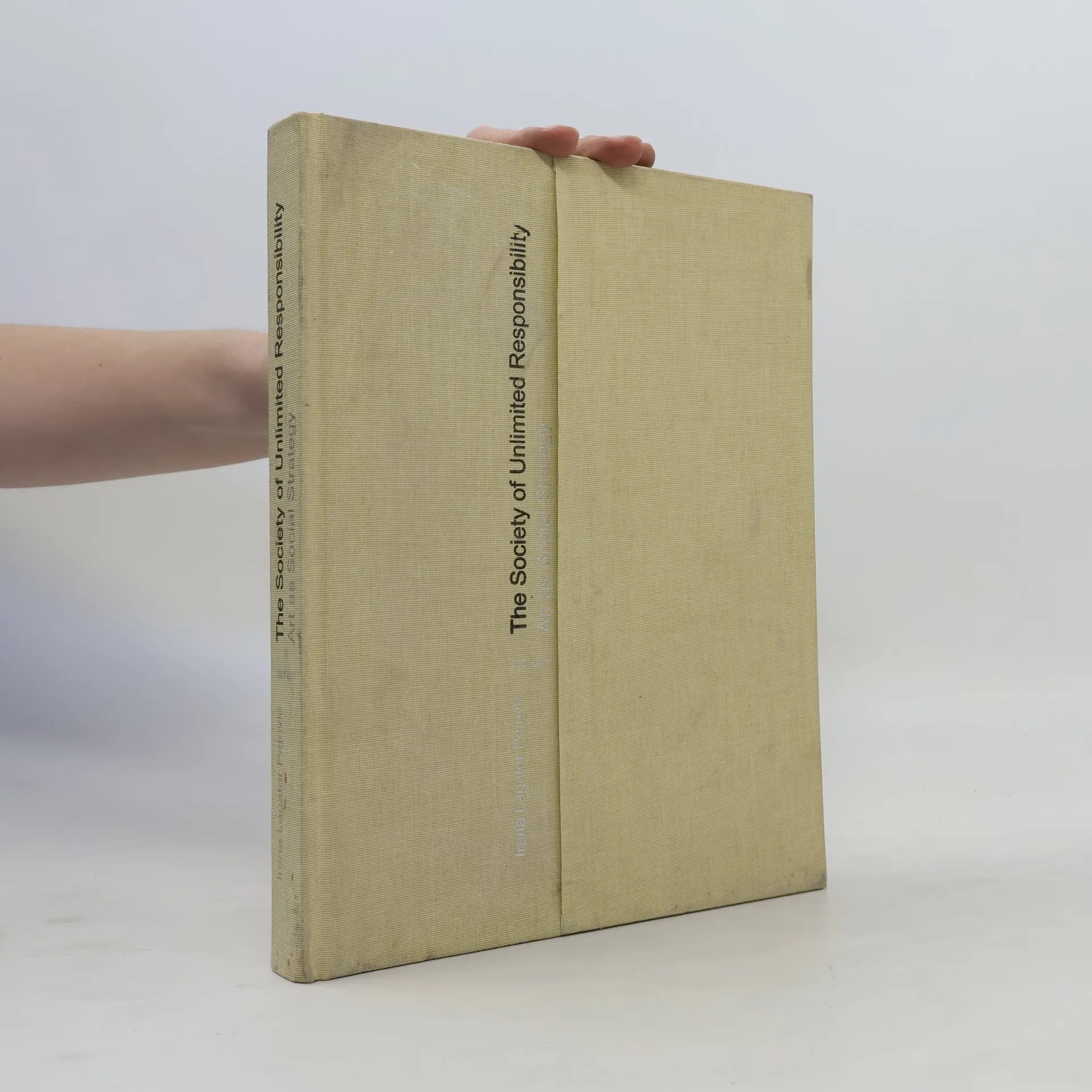
    • In her spatial installations and frequently interactive works, Irena Lagator Pejovic combines art, architecture and research with questions related to society. Her projects, interventions in the public space, atmospheric, site-specific room installations, (book) objects, photographic works and videos go under the collective title of "Society of Unlimited Responsibility", a positive paraphrase of our concept of "Limited Liability Companies". This richly illustrated publication gathers works from the years 2001 till 2011.00Exhibition: Museum Joanneum, Graz.

      The Society of Unlimited Responsibility2012
    • (Schmalix)

      • 304 Seiten
      • 11 Lesestunden

      The Austrian painter Hubert Schmalix is best-known as a Neo-Expressionist. In the late 1970s and early 80s, his powerfully colorful works explored the genres of the still life, landscape, nude and portrait in a process that became increasingly expressive, taking on a great affinity to the painters of Die Brücke . In the mid-1980s, the female nude became Schmalix's dominant subject, and he began to work in the tradition of colorful Asian woodcuts. In the 1990s, his vocabulary expanded through his encounter with West Coast school painting to include religious subjects, the image of Christ and cityscapes of Los Angeles. In his most recent works, Schmalix has reduced his palette, and, in the tradition of photographer Nobuyoshi Araki, devoted himself to the portrayal of the female nude in erotic bondage rituals. Featuring a representative selection of paintings, this book is the first to provide a survey of the artist's entire oeuvre.

      (Schmalix)2007
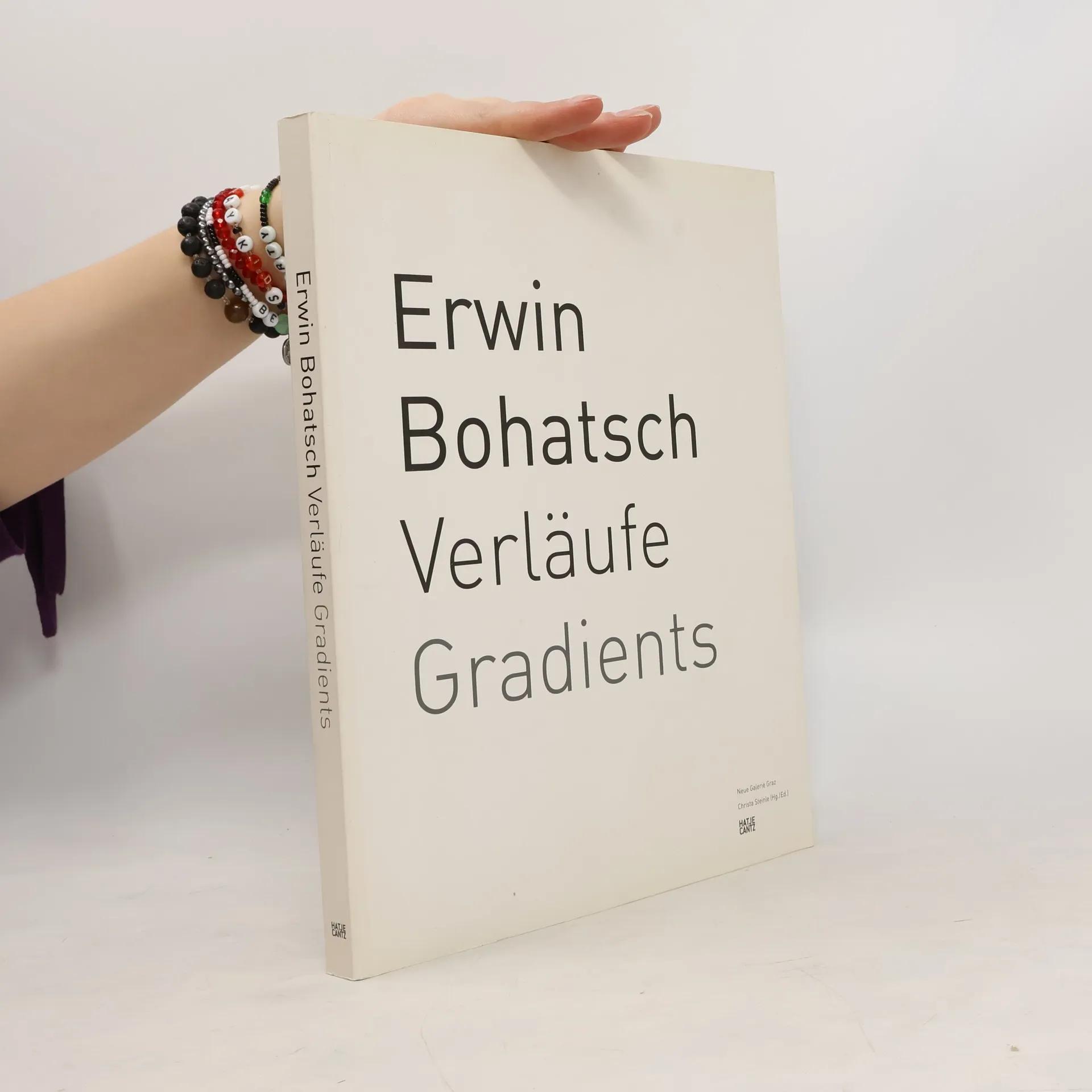
    • Erwin Bohatsch (*1951) war in den 1980er Jahren einer der maßgeblichen Maler der 'Neuen Wilden' in Österreich, die als Gegenbewegung zur Konzeptkunst der 1970er Jahre das ästhetische Phänomen Malerei einer Neuerung zuführten. In einer Reflexion der ersten Moderne waren seine Themen bestimmt von seinem Interesse für ethnografische Forschungsansätze und die Theorien von Claude Levi-Strauss. Seit den 1990er Jahren widmet sich Bohatsch zunehmend der zweiten Abstraktion, dem Colorfield Painting. Mit seiner Technik, in fast monochrom wirkenden Gemälden Farbbahnen aufzutragen, Bildschichten teilweise zu versiegeln, sie dann mit Schleiern und Schlieren zu übermalen, konzentriert er das Augenmerk auf Farbe und Licht, die bestimmenden Aspekte der Malerei. Die vorliegende Publikation erschließt mit fundierten Texten und einer breiten Auswahl von aktuellen Gemälden - zusammen mit zentralen Arbeiten aus den 1980er Jahren - die Methodik des Künstlers. Ausstellung: Neue Galerie Graz am Landesmuseum Joanneum 27.1.-19.3.2006

      Erwin Bohatsch, Verläufe, Gradients2006
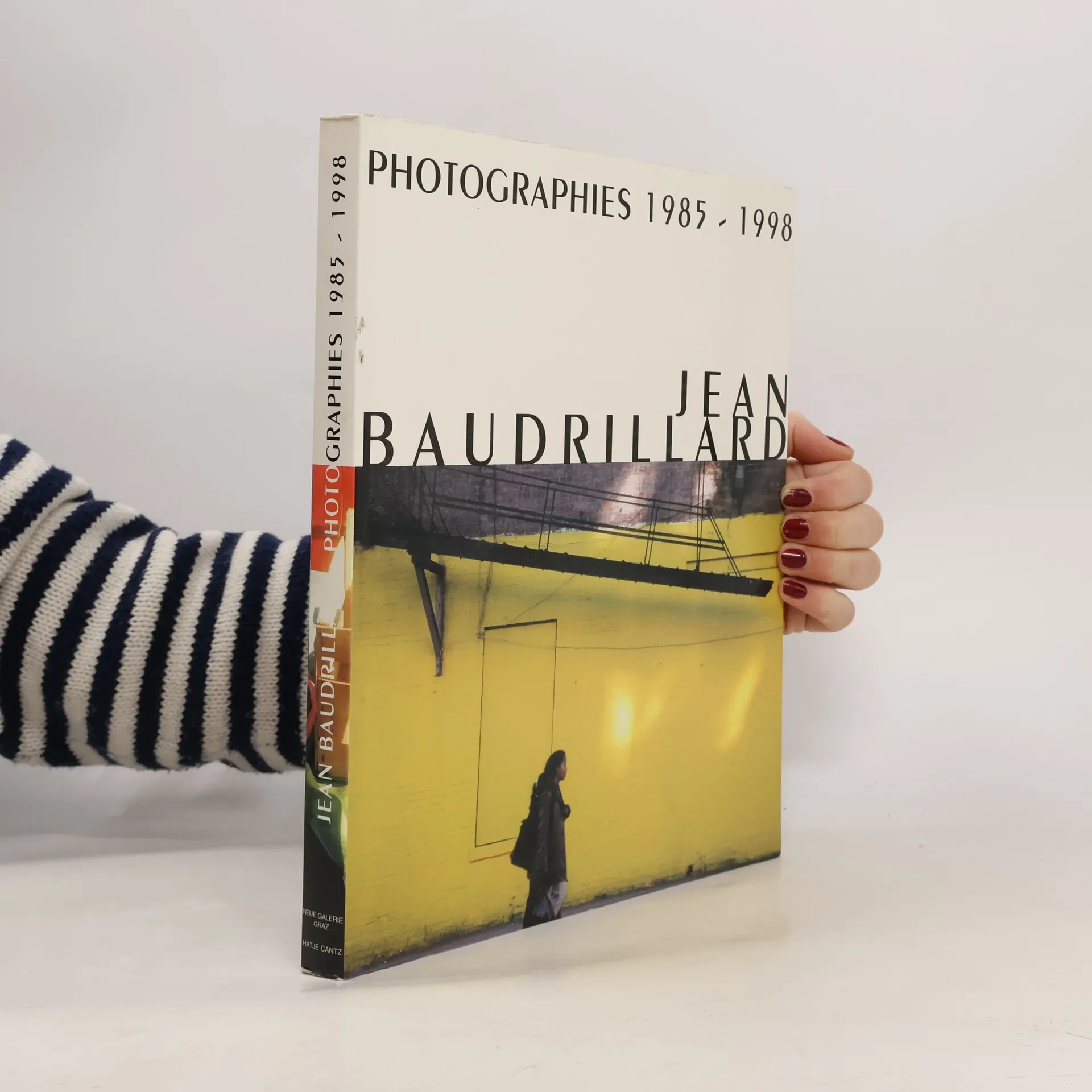
    • This book uniquely combines Baudrillard's photographs with his collected texts on photography theory. As a prominent French philosopher, Baudrillard significantly impacted contemporary art, particularly during the eighties and early nineties. He began photographing during his travels about twelve years ago and has since focused intensively on this medium. However, there is no direct correlation between his artistic endeavors and philosophical ideas; he captures images of subjects he chooses not to comment on, intentionally excluding them from his written work. In his photography, he explores the world of objects, seeking out the insignificant and arbitrary. According to Peter Weibel, the beauty of these objects lies in their laconic nature, which Baudrillard captures without the emotional weight of history or the artificiality often found in art photography. His lens rests on the surface of these objects, celebrating their visual appeal. Baudrillard was a sociologist, social theorist, philosopher, and media theorist, serving as a lecturer and professor at the University of Paris-Nanterre from 1966 to 1987, with numerous publications translated into over twelve languages. He began writing literary fiction in 1986 and received the Siemens Media Art Prize in 1995.

      Jean Baudrillard - Fotografien, Photographies, Photographs 1985 - 19981999