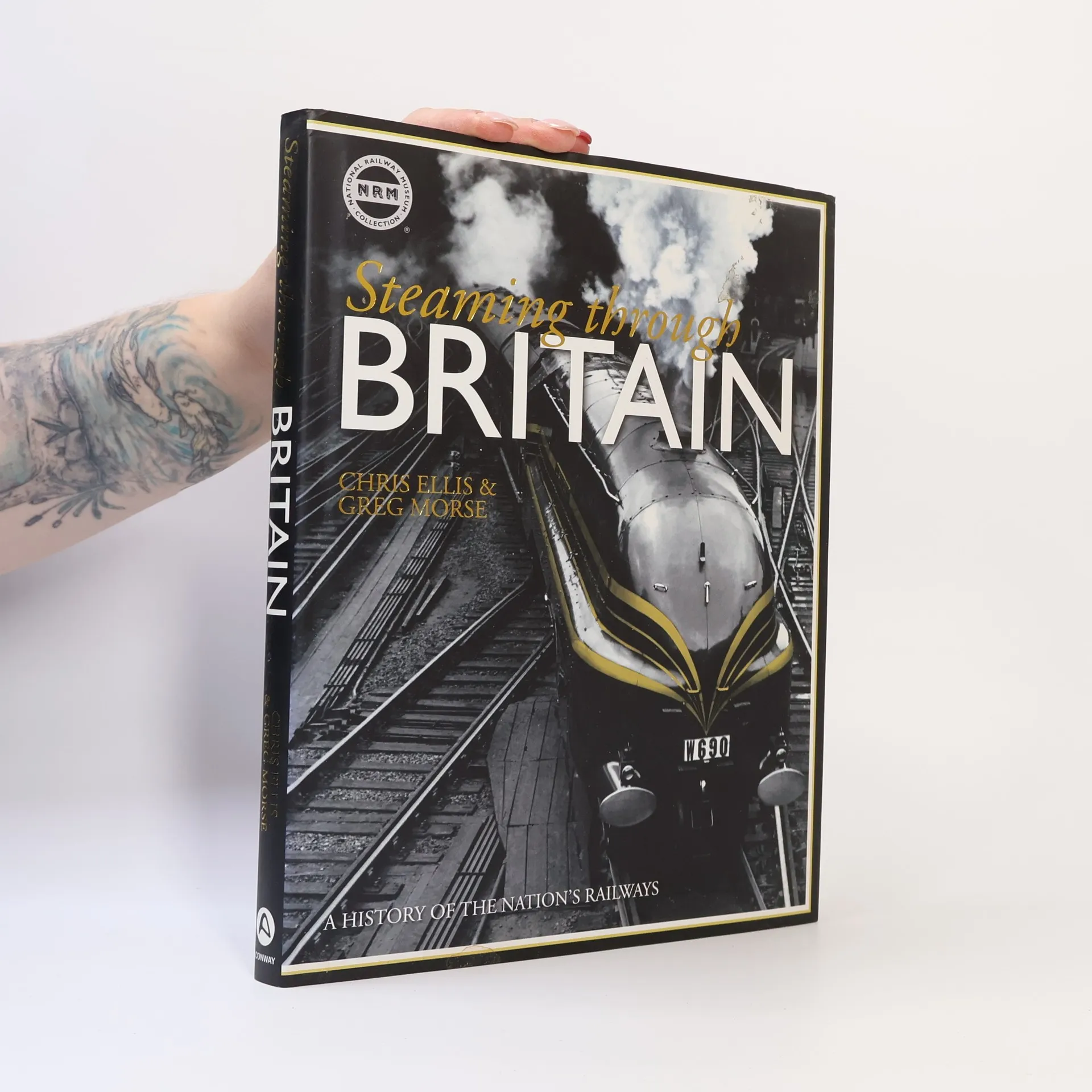
This lavish new volume explores Britain's extensive railway heritage, offering a comprehensive history of their construction, use and subsequent preservation.
Chris Ellis Reihenfolge der Bücher (Chronologisch)
Any model railway layout can be enhanced with the effective use of scenery and accessories. Chris Ellis examines the range of ready-made scenic accessories available to modellers, and also explains how to make your own scenic structures. Tips and techniques for adapting and weathering such accessories are included, along with clear step-by-step instructions that explain how to create rolling hills, track side buildings and even lakes and rivers from a variety of materials, whether bought from modelling shops or using discarded product packaging. The book's sections include: planning backdrops and scenic settings; building basic terrain; painting backgrounds and creating the illusion of distance and perspective; texturing vegetation, foliage and trees; modelling water; depicting rocky surfaces such as cliffs, scree and waterfalls; incorporating civil engineering (tunnels and bridges) and adapting Skaledale and other accessories for use in personal dioramas. A useful appendix also contains details of popular modelling materials, stockists and suppliers, useful reference works and other research sources.
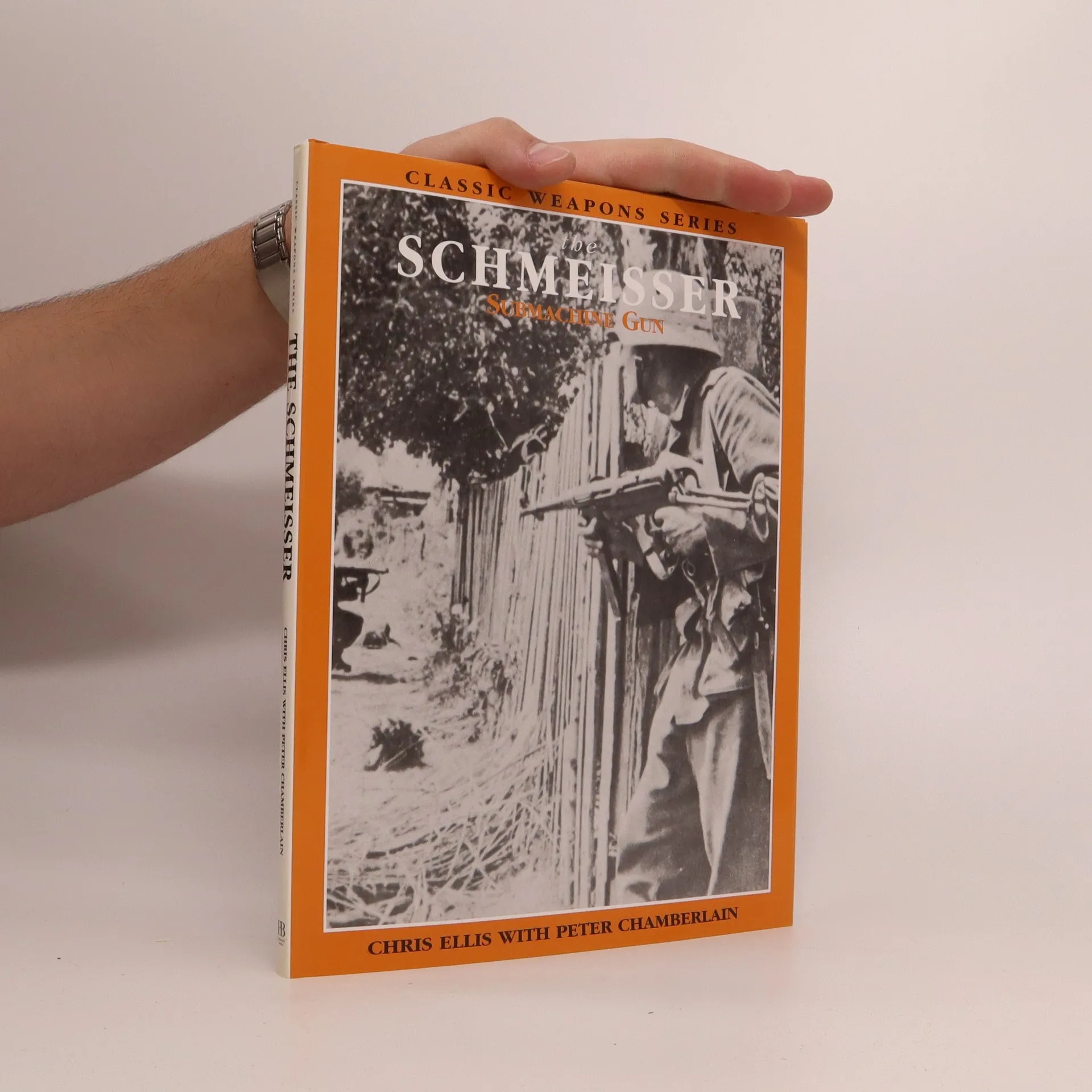
Schmeisser
- 64 Seiten
- 3 Lesestunden
Classic Blues
- 80 Seiten
- 3 Lesestunden
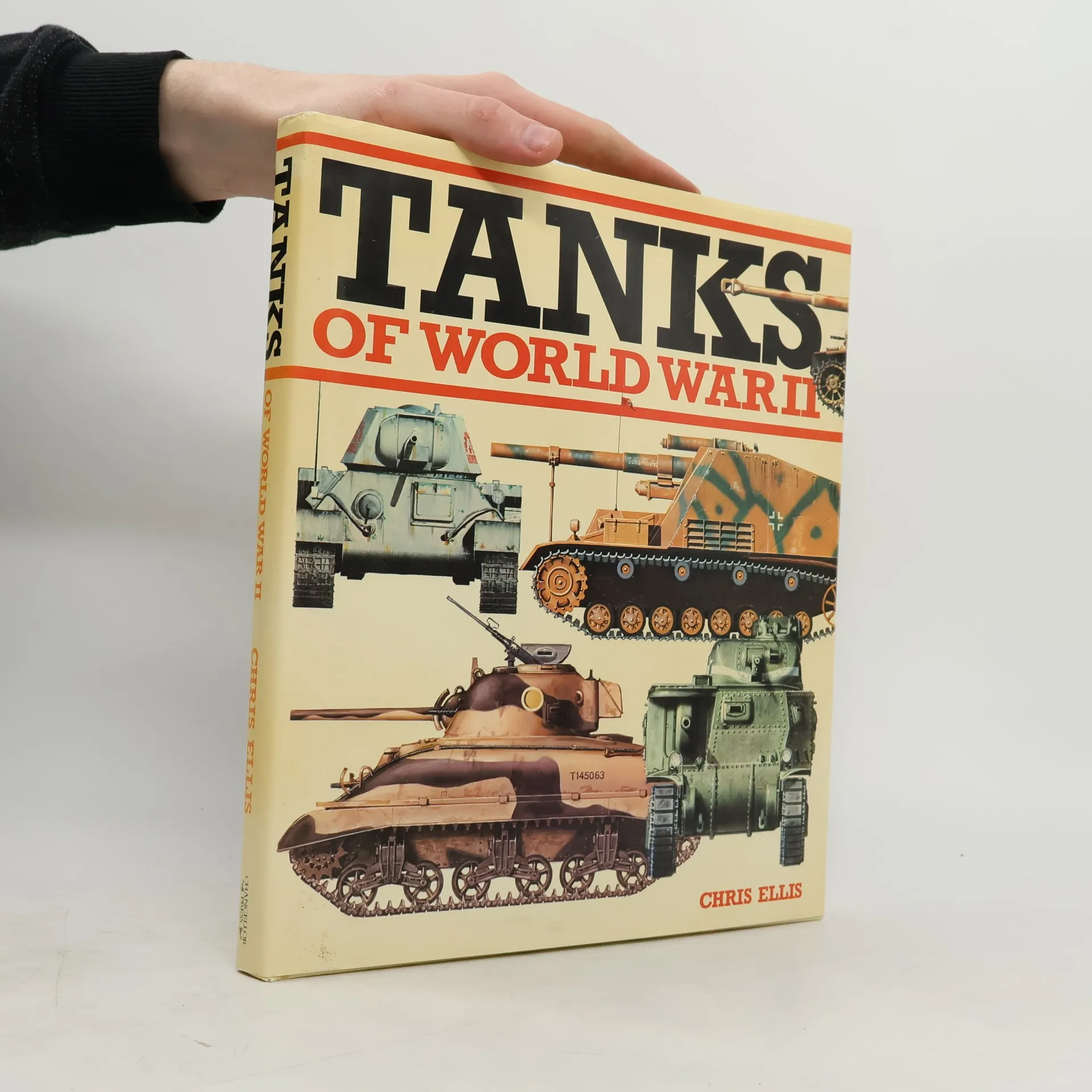
Tanks of World War II
- 207 Seiten
- 8 Lesestunden
Describes the forty most important tanks and fighting vehicles of World War II, focusing on history, technical specifications, and tactical performance.
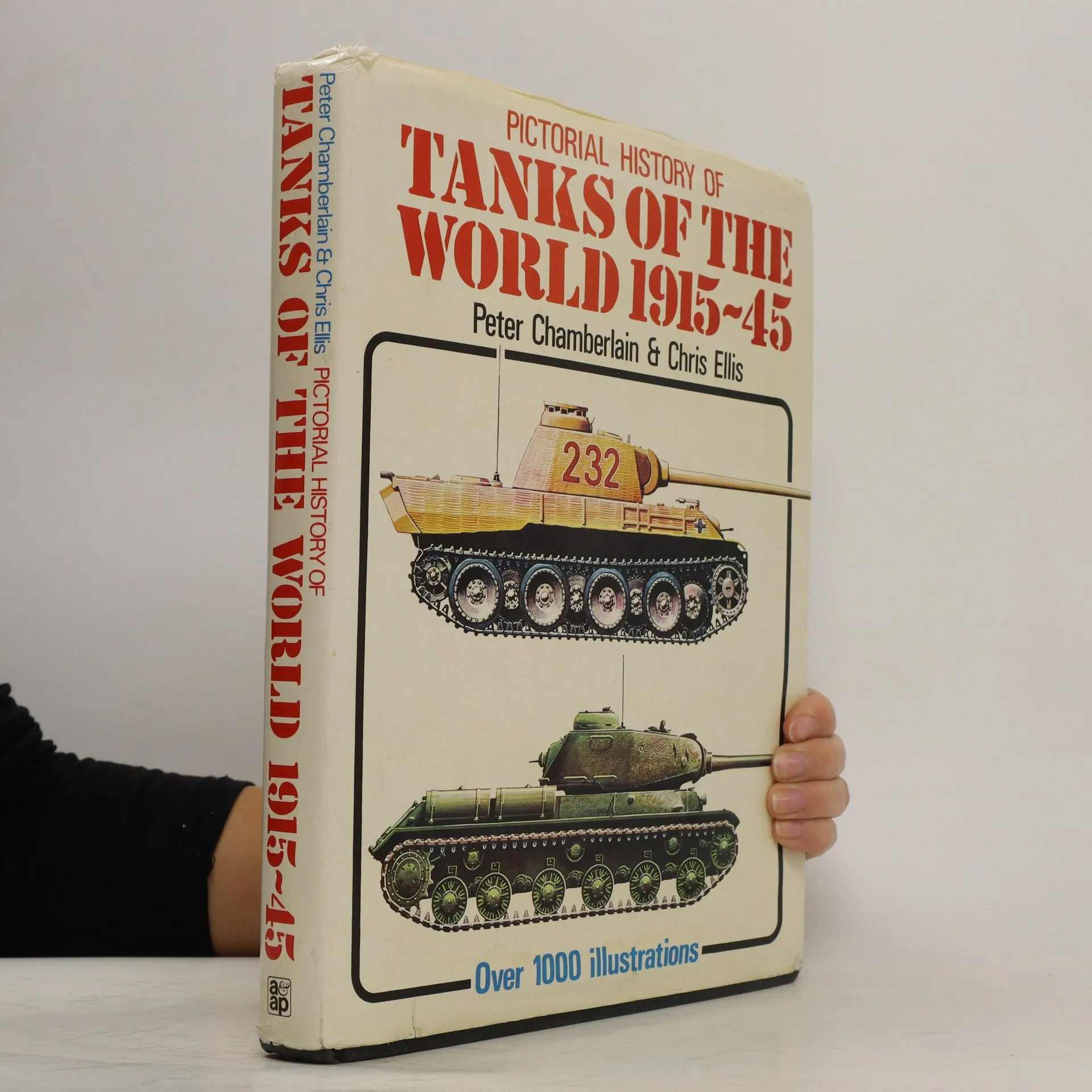
Pictorial History of Tanks of the World, 1915-45
- 256 Seiten
- 9 Lesestunden
Surveys the evolution of the tank over a thirty-year period, detailing the performance of particular models produced throughout the world
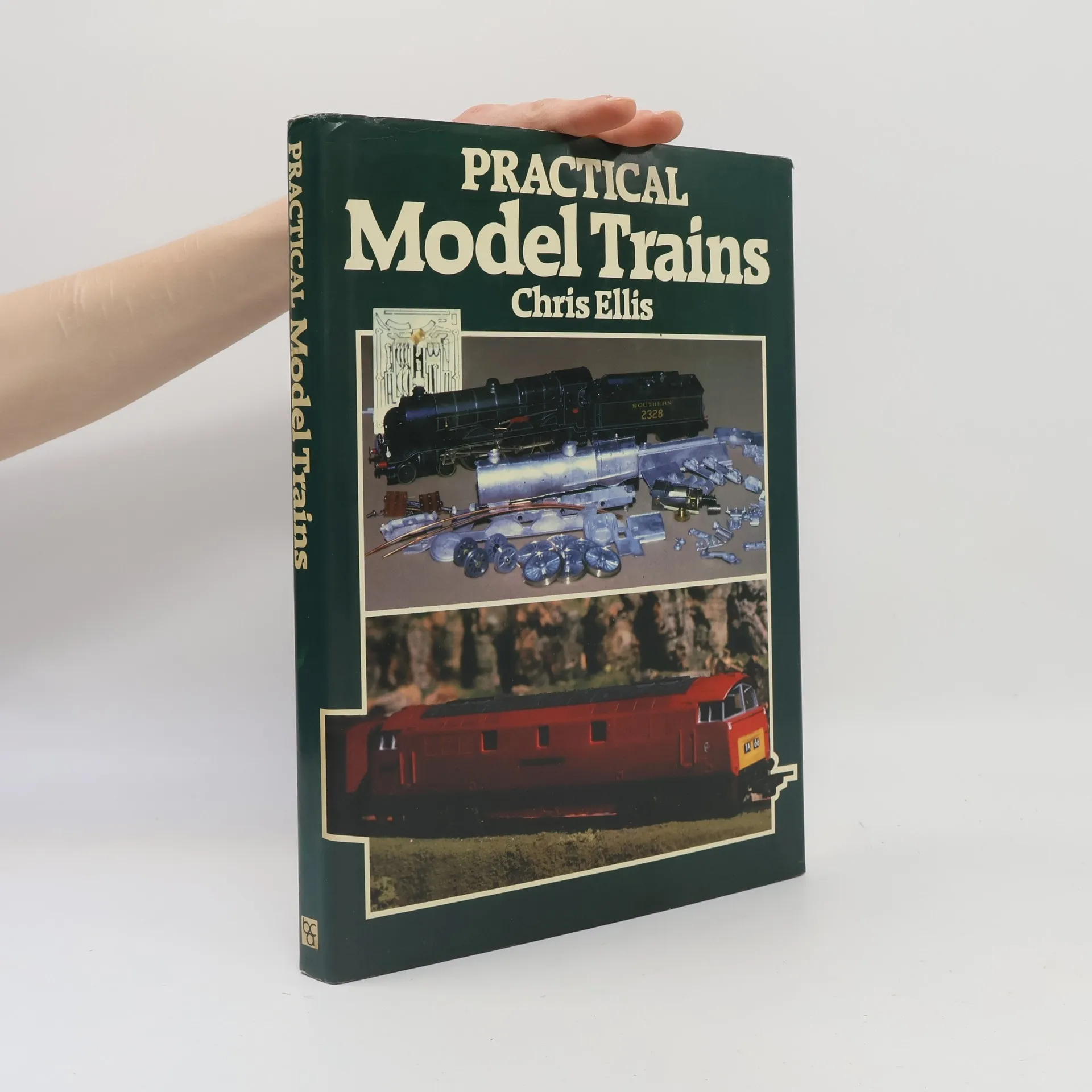
Practical Model Trains
- 144 Seiten
- 6 Lesestunden
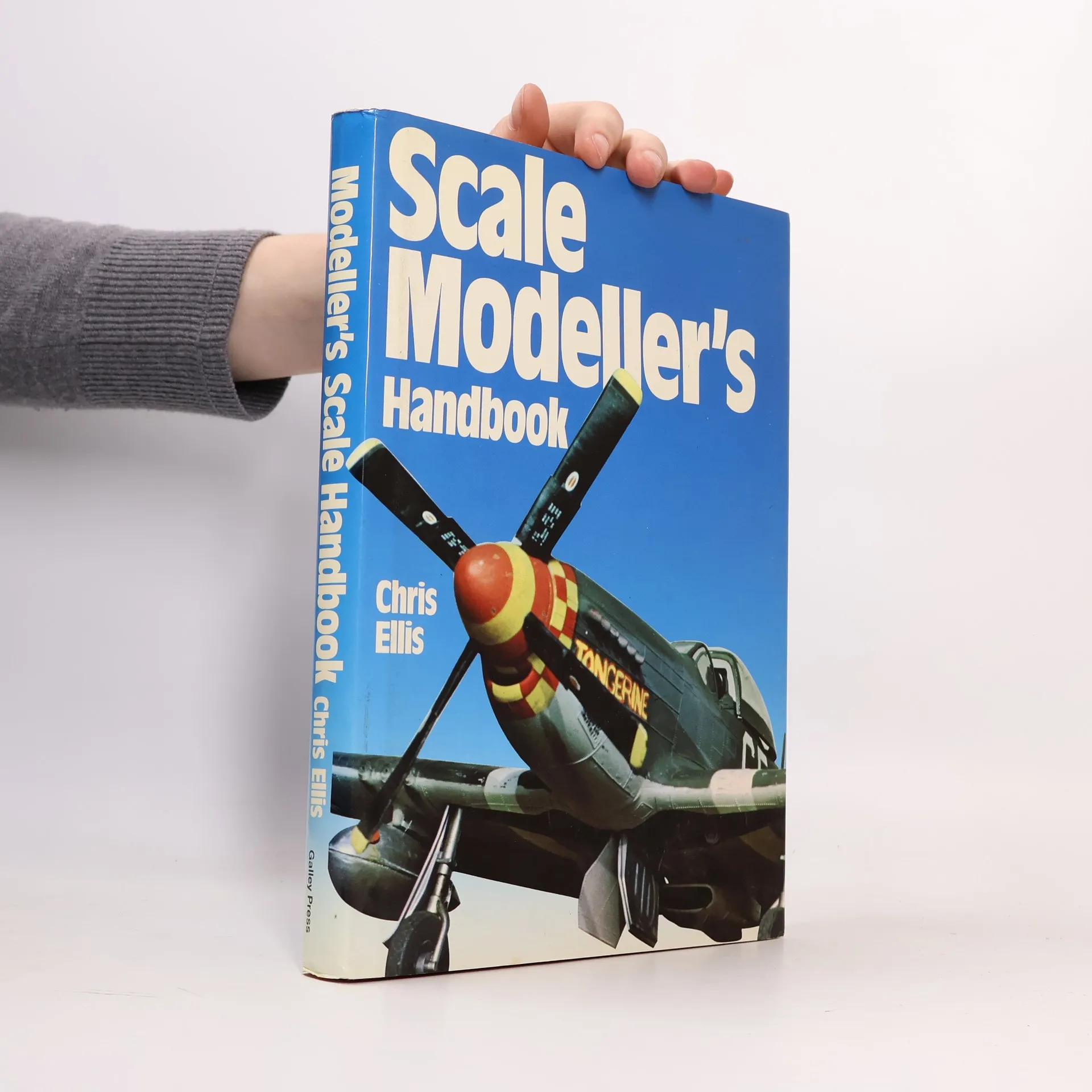
The Scale Modeller's Handbook
- 208 Seiten
- 8 Lesestunden
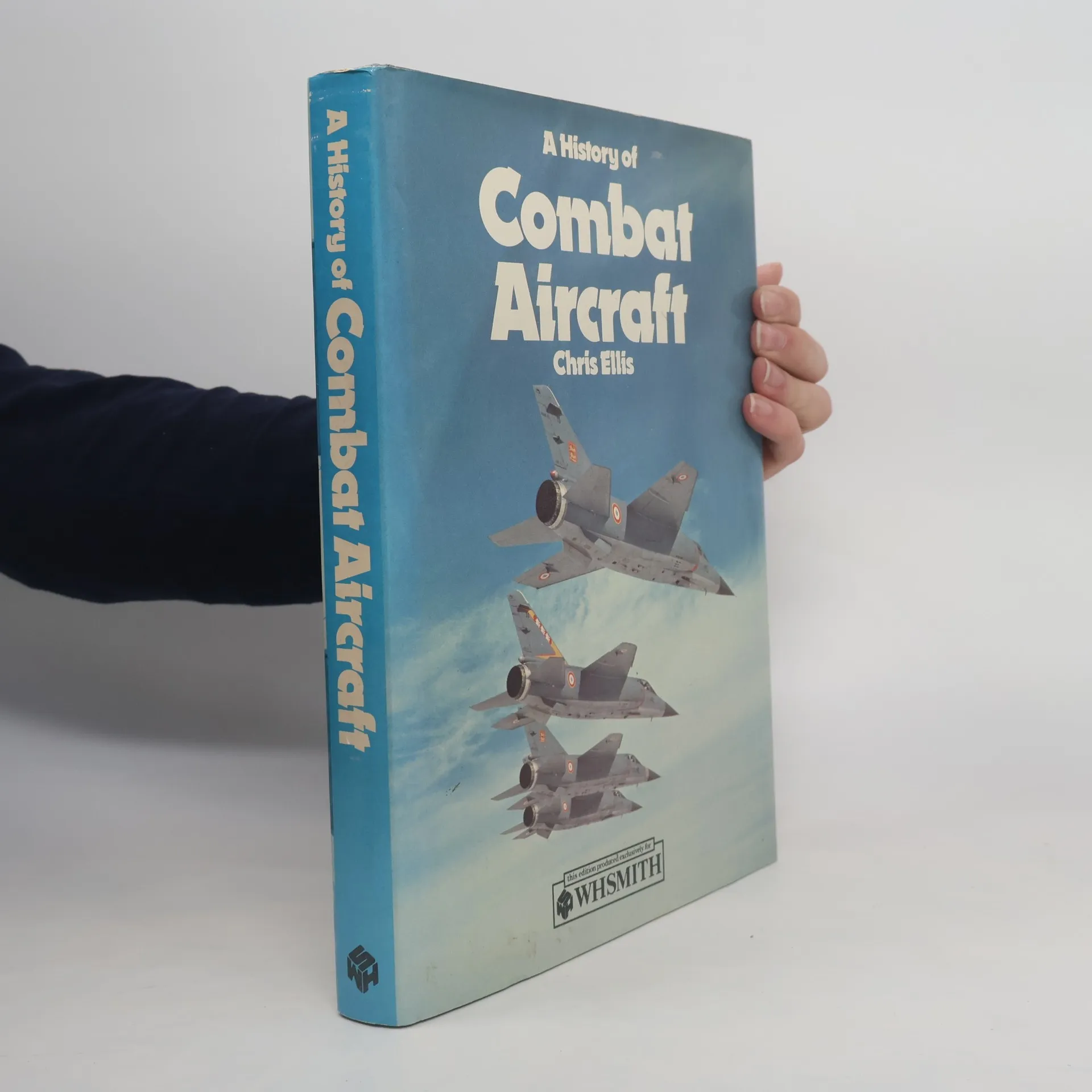
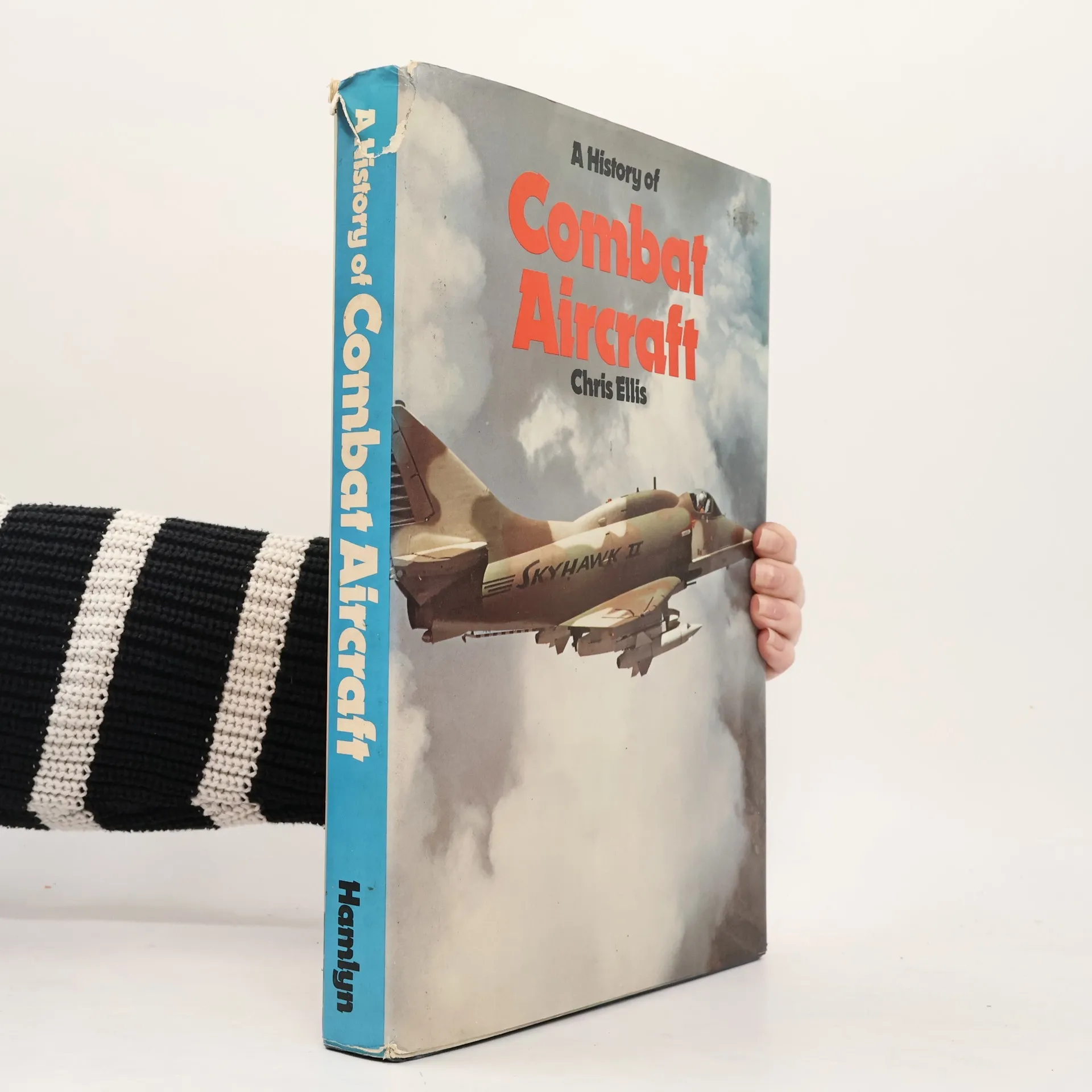
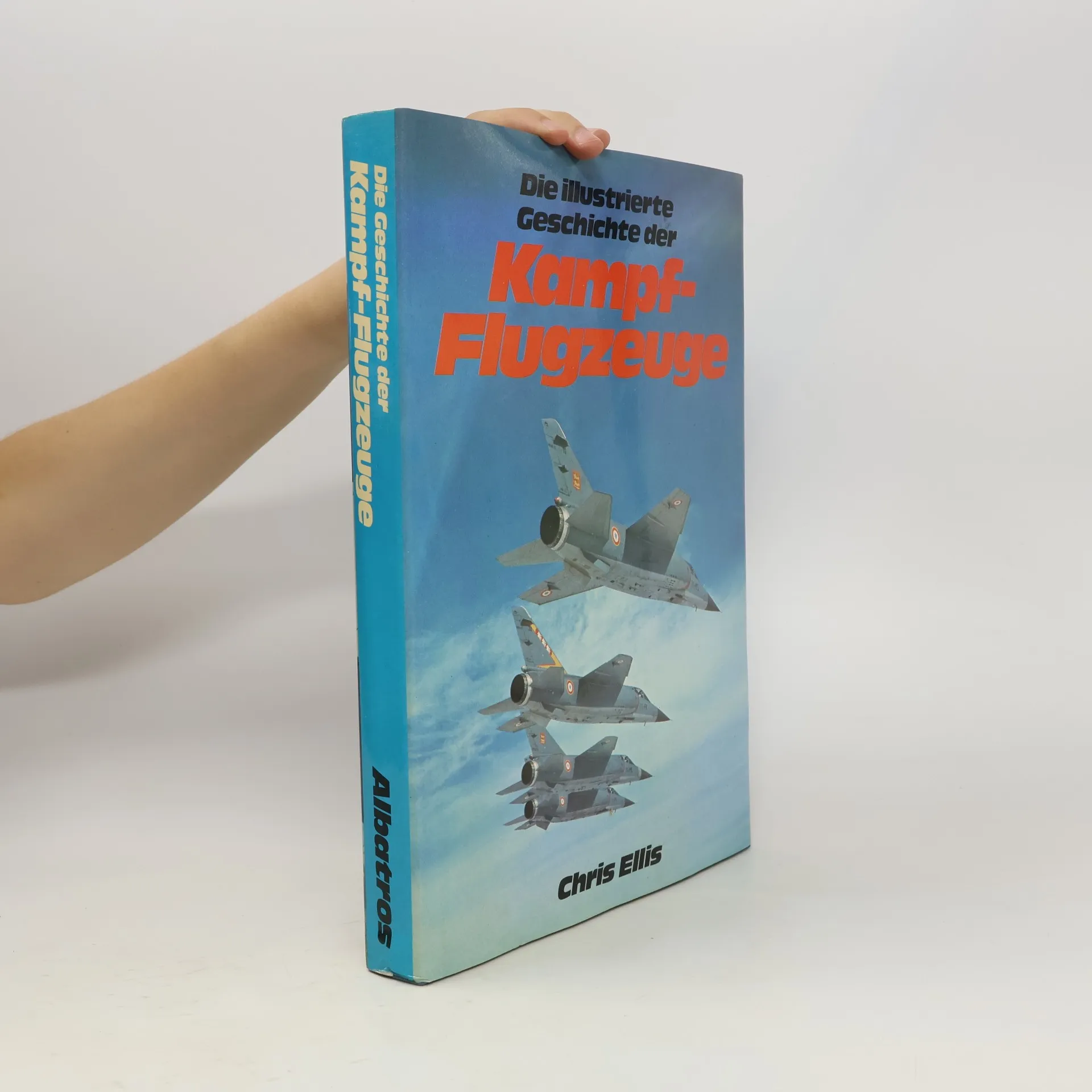
History of Combat Aircraft
- 255 Seiten
- 9 Lesestunden
The story of military aviation - of combat aircraft - is almost entirely one of the present century, and this authoritative book traces that story from the very beginnings of aviation, when man first took himself into the air for warlike reasons. The First World War gave flying a tremendous impetus, and progress in that period was incredibly swift as the slow and cumbersome early aircraft were superseded by the comparatively fast and deadly Albatross, Fokker, Sopwith and Spad fighters, bombers such as the Handley Page, Caproni and Gotha and other equally advanced machines. Military aviation between the two World Wars - a time which saw slow progress in some respects but brought the end of the biplane era and the introduction of the faster and more efficient monoplanes to the air forces of the world - is fully covered. The outstanding machines of the Second World War are described, together with many of the lesser aircraft, while the jet age from the first German and British fighters to supersonic multi-purpose aircraft is discussed. Illustrated with over 300 photographs, many in colour.
Die illustrierte Geschichte der Kampfflugzeuge
- 255 Seiten
- 9 Lesestunden
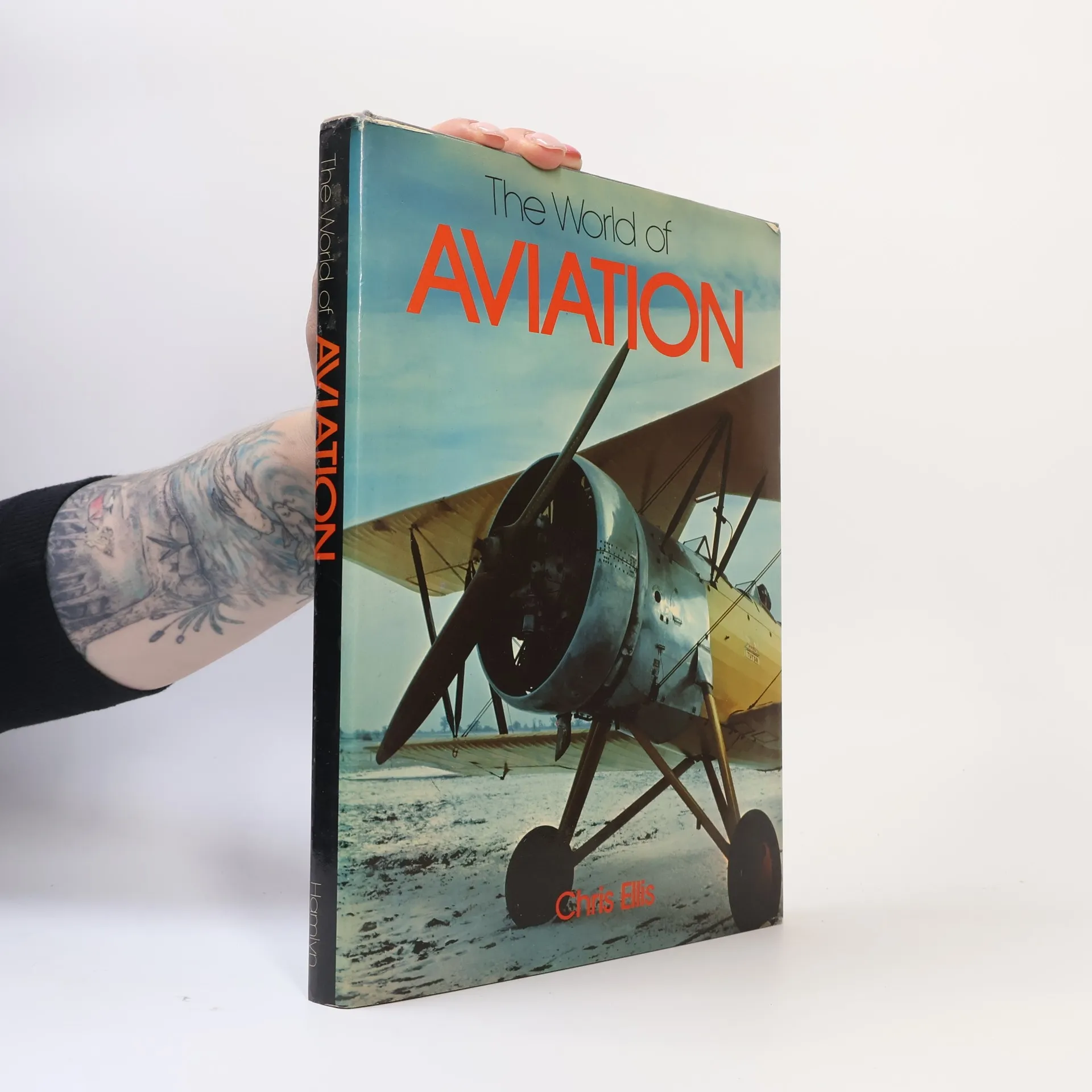
The World of Aviation
- 192 Seiten
- 7 Lesestunden
intro to aviation
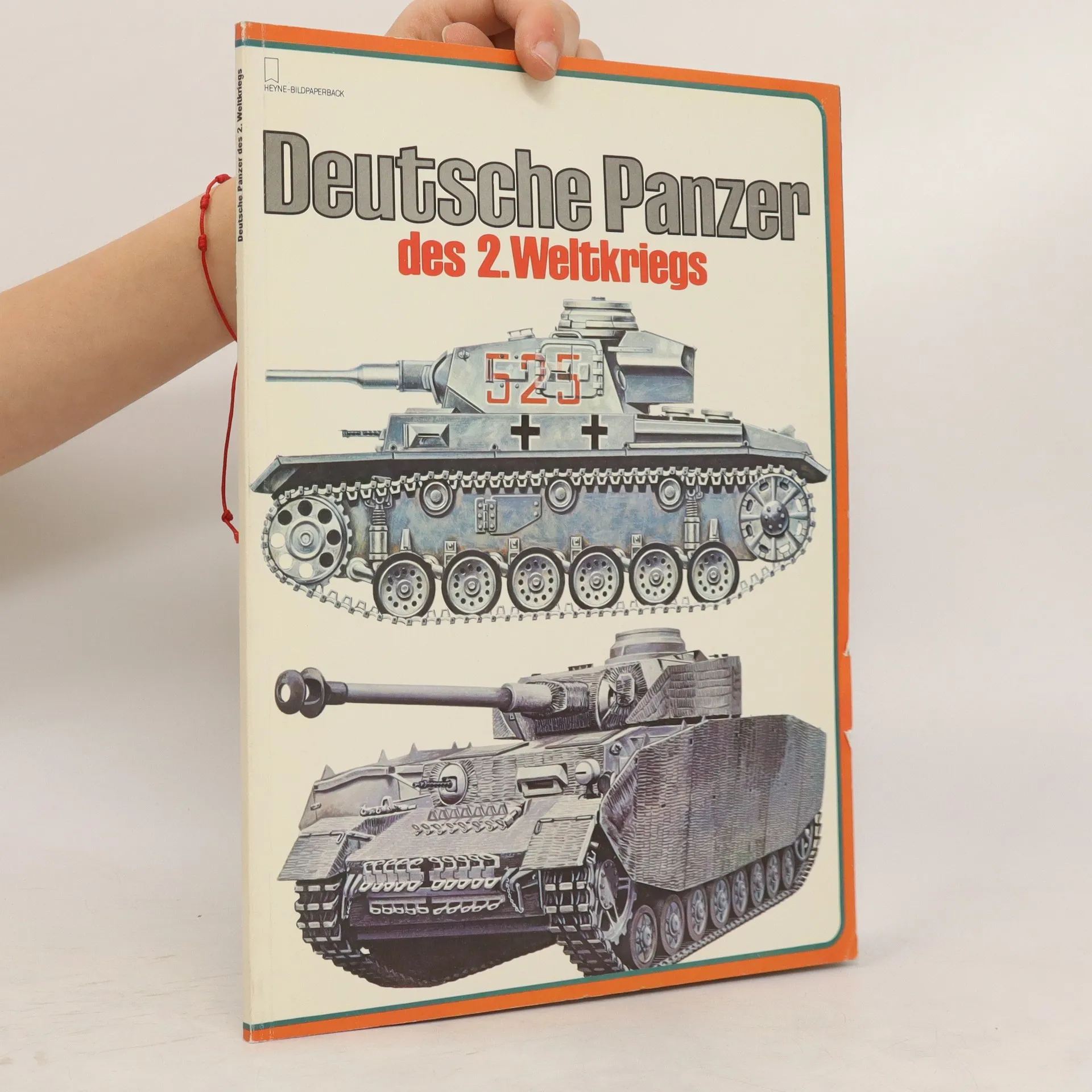
Deutsche Panzer 1939 - 1945
- 64 Seiten
- 3 Lesestunden
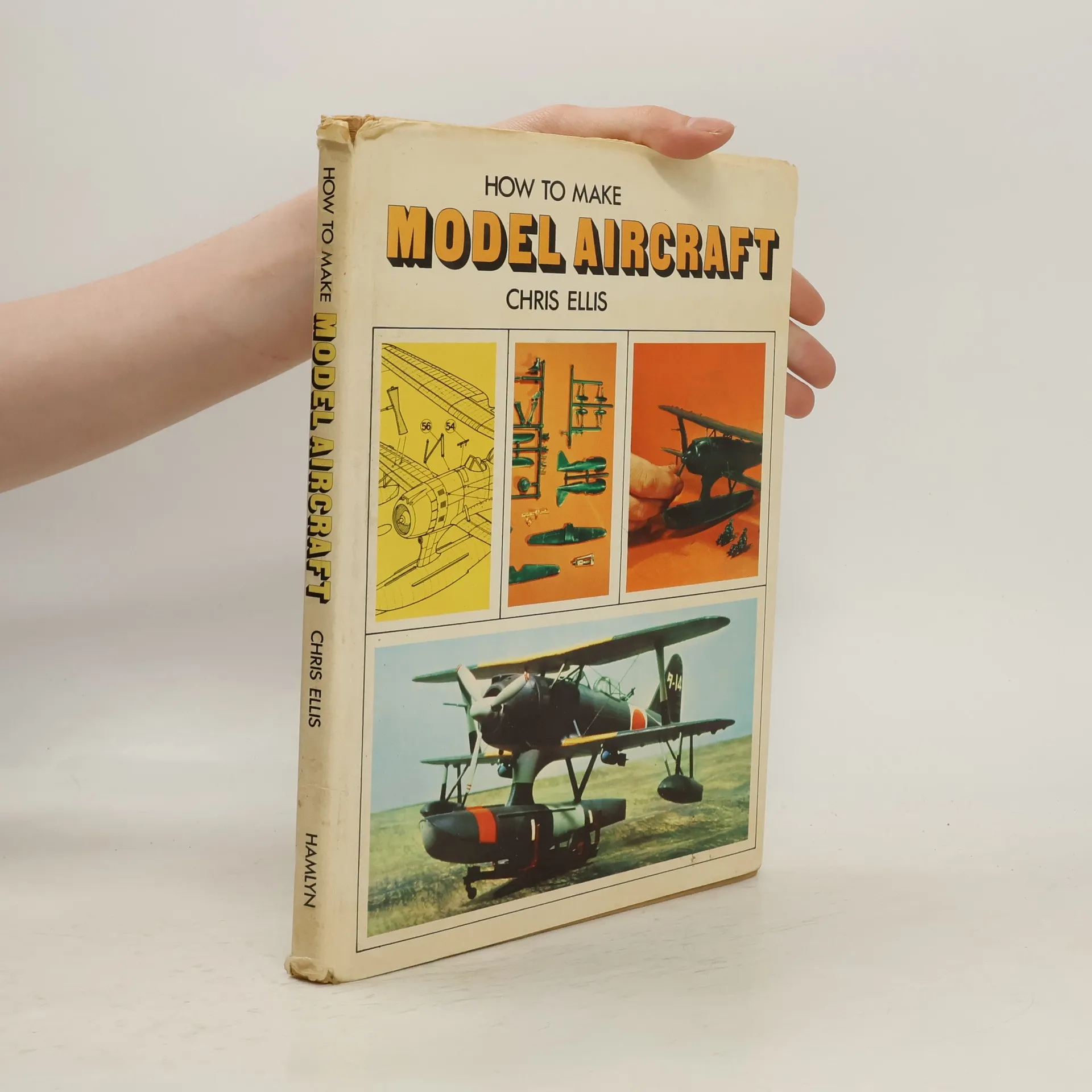
How to Make Model Aircraft
- 80 Seiten
- 3 Lesestunden
An introduction to a very popular and satisfying hobby. Taking the plastic construction kit as his starting point, the author shows first how to make a reasonable basic model, then how to convert and finish a model to make it unique to an individual collection. He deals with the tools and techniques, how to build dioramas and how to photograph the models 'in action'.
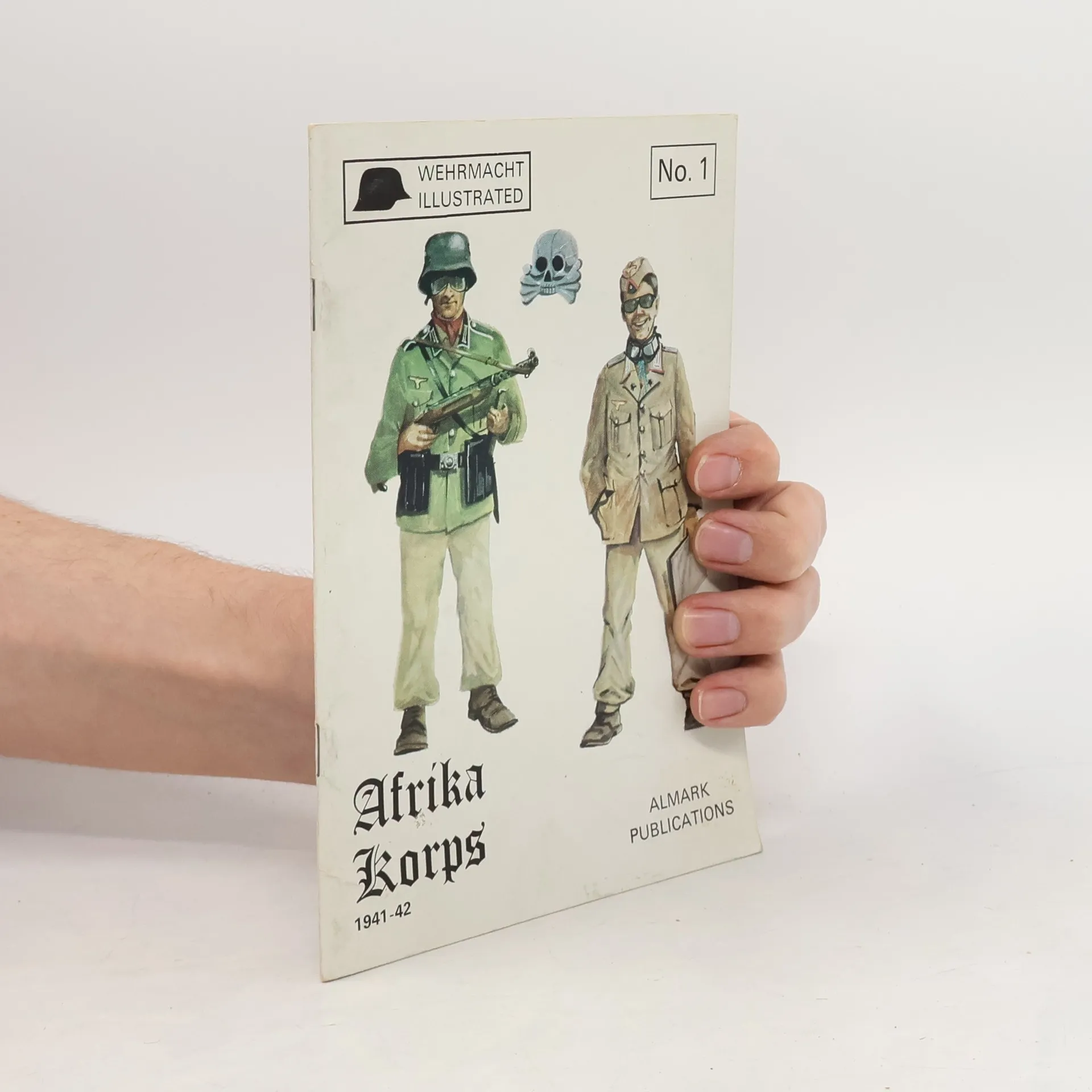
Wehrmacht Illustrated - 1: Afrika Korps
German Military Operations in the Western Desert, 1941-42
- 32 Seiten
- 2 Lesestunden
Afrika German military operations in the Western Desert, 1941-42 (Wehrmacht illustrated, no. 1)
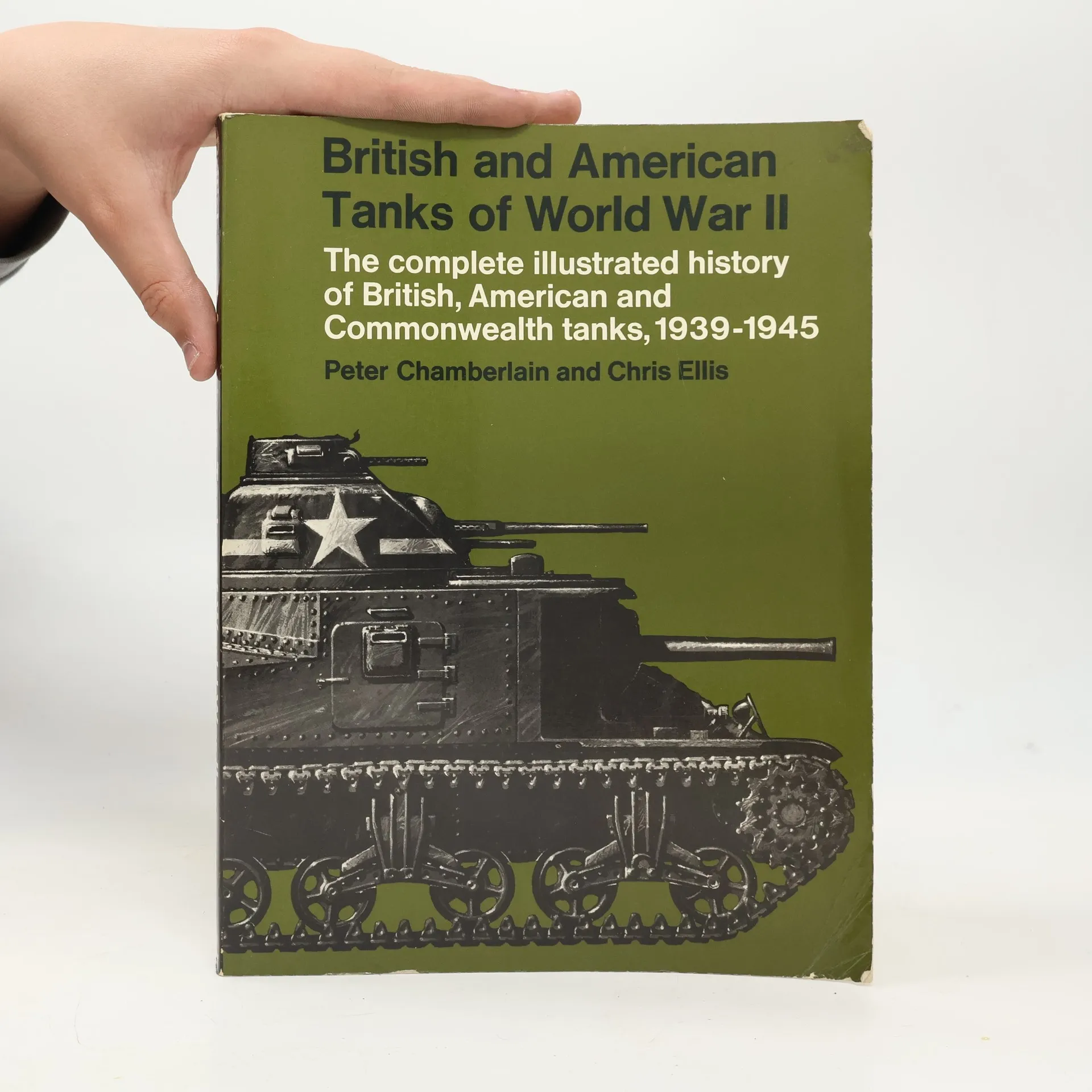
British and American Tanks of World War II
The Complete Illustrated History of British, American and Commonwealth Tanks, Gun Motor Carriages and Special Purpose Vehicles, 1939-1945
- 224 Seiten
- 8 Lesestunden