Luke WroblewskiReihenfolge der Bücher (Chronologisch)
Dieser Autor ist eine weltweit anerkannte Koryphäe im Bereich digitaler Produkte, dessen Arbeit Software geprägt hat, die von Hunderten Millionen Menschen weltweit genutzt wird. Seine Expertise reicht vom Mitgründen und Leiten von Produkten bis hin zu strategischem Design über verschiedene Plattformen hinweg, einschließlich Web, Mobil und Fernsehen. Als einflussreicher Autor und Redner teilt er seine tiefgreifenden Einblicke in die Strategie und das Design digitaler Produkte und leistet bedeutende Beiträge zum Bereich des Interaktionsdesigns.
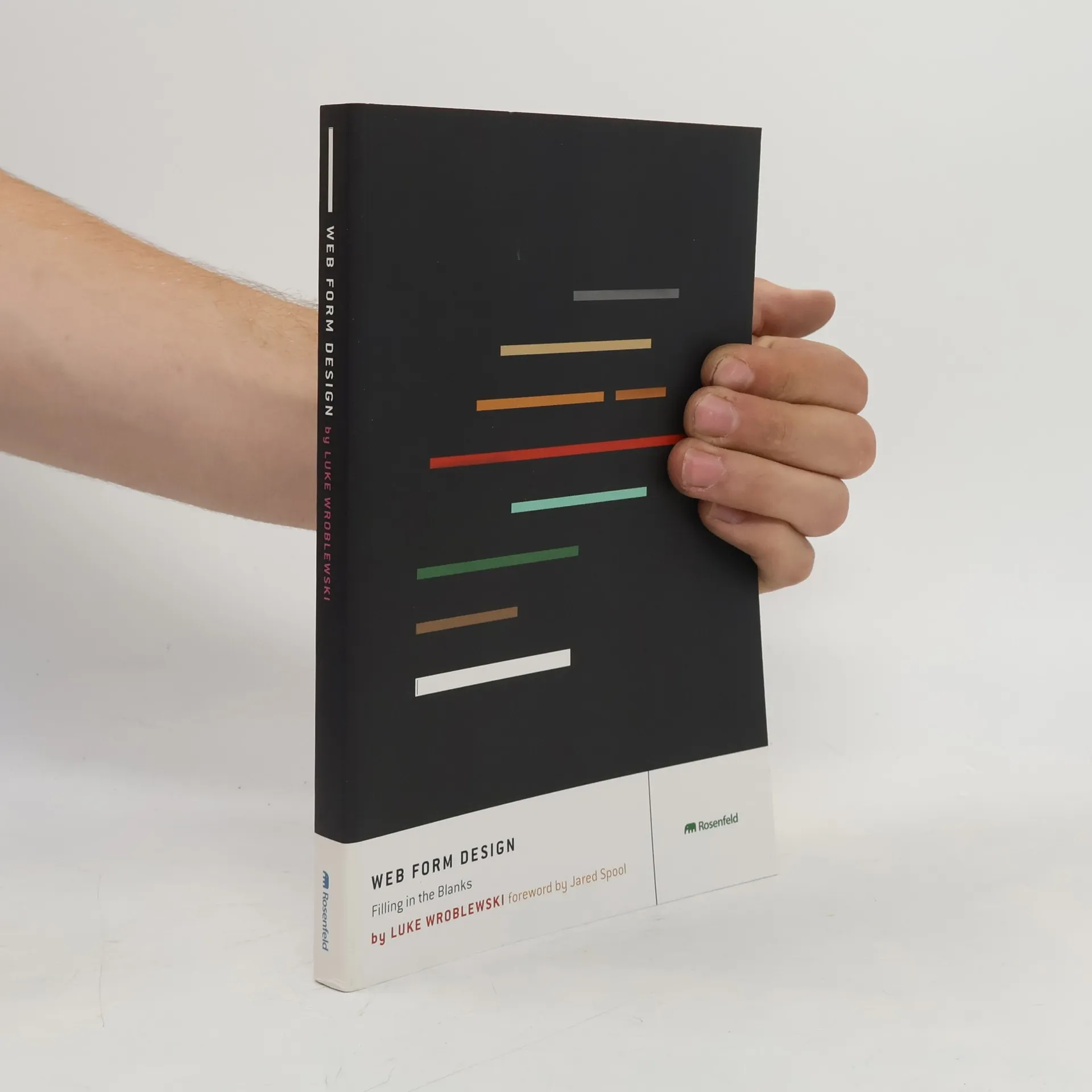
Forms make or break the most crucial online checkout (commerce), registration (community), data input (participation and sharing), and any task requiring information entry. In Web Form Design, Luke Wroblewski draws on original research, his considerable experience at Yahoo! and eBay, and the perspectives of many of the field's leading designers to show you everything you need to know about designing effective and engaging Web forms.
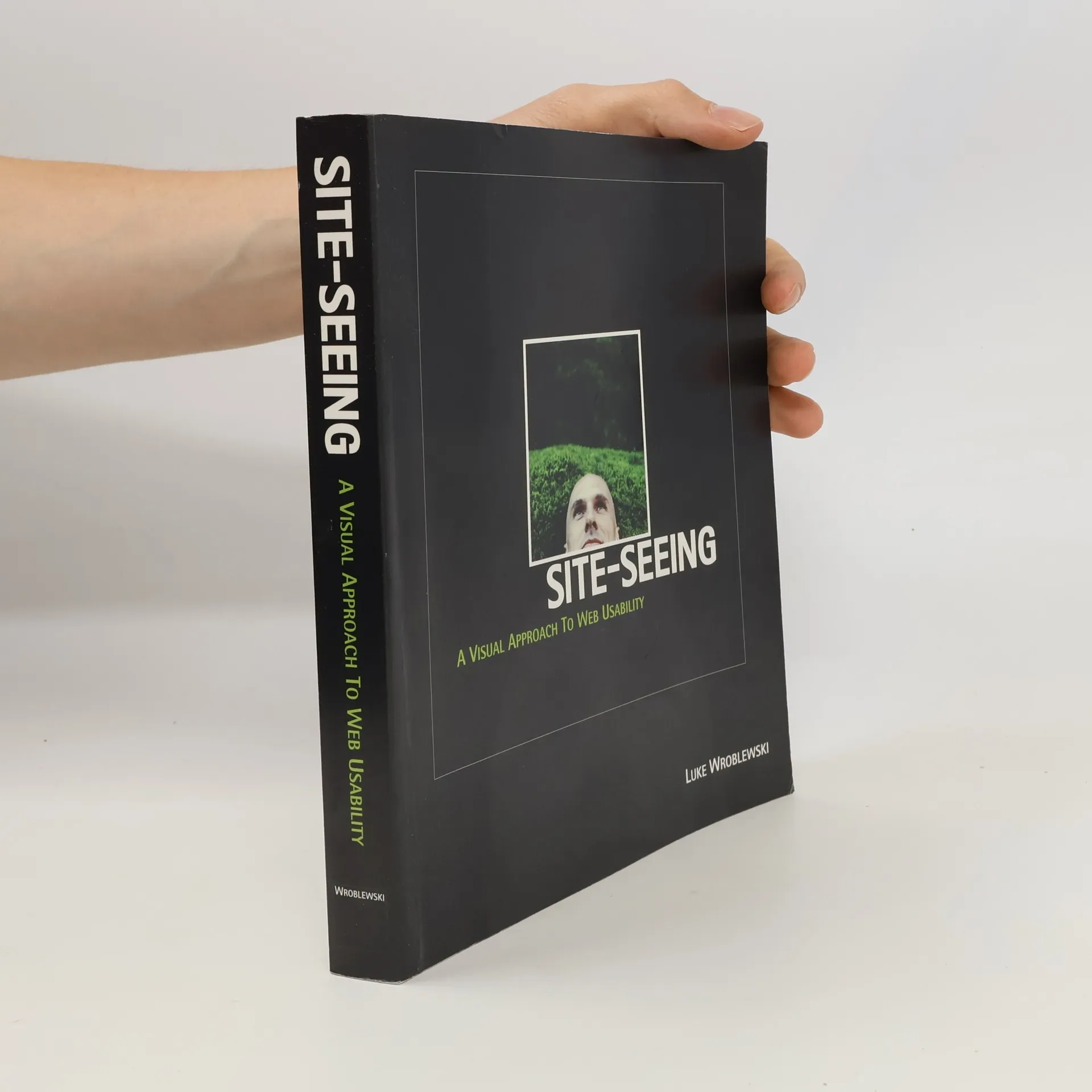
Web usability has often been discussed in terms of technical issues, particularly during the dot-com era, with experts warning against pitfalls like frames and excessive images. They emphasize editing out unnecessary words and adopting a non-linear writing style, which is certainly valuable advice. However, the significance of visual presentation on Web pages is less frequently addressed. The Web primarily communicates visually, with the appearance of a page indicating what information is available, how to navigate it, and its potential interest, all of which evoke instinctive emotional responses that shape the user experience. Thus, usability is fundamentally a communication issue, and effective sites are those that convey information swiftly and clearly.
This work offers a novel perspective on Web usability by integrating visual communication principles into Web design. Readers will explore essential concepts such as visual organization, aesthetics, technical factors, and strategic planning based on audience awareness. Through a variety of full-color examples, the author examines the strengths and weaknesses of Web design. The visual aspects of a site do more than enhance its beauty; they organize information functionally, establish distinct personalities, and create emotional connections, ultimately engaging the audience and encouraging return visits.