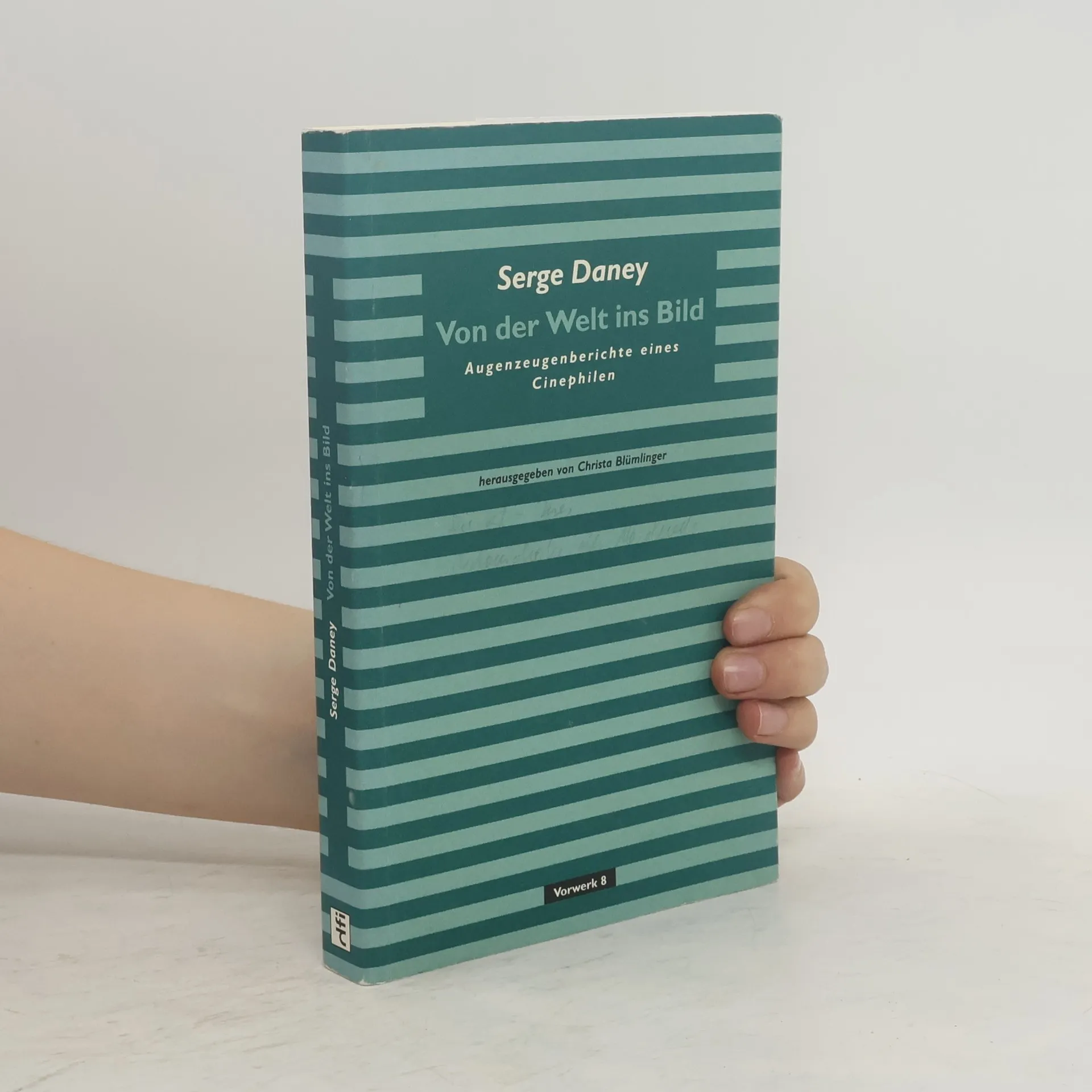
Von der Welt ins Bild
Augenzeugenberichte eines Cinephilen



Augenzeugenberichte eines Cinephilen
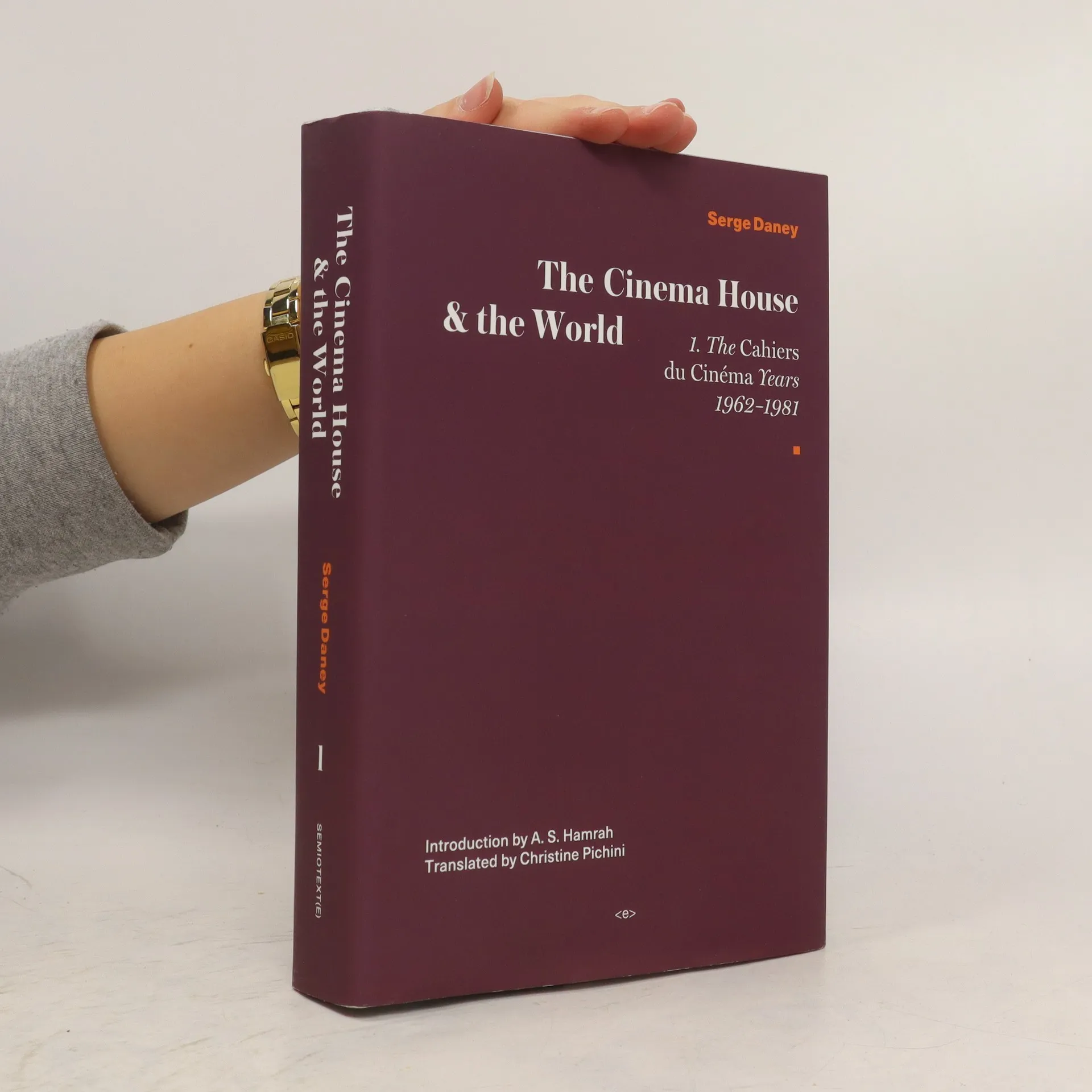
One of the greatest film critics of his generation on topics ranging from the auteur approach of the French New Wave to a more structural examination of film.One of the greatest film critics of his generation, Serge Daney wrote for Cahiers du Cinéma before becoming a journalist for the daily newspaper Libération. The writings collected in this volume reflect Daney's evolving interests, from the auteur approach of the French New Wave to a more structural examination of film, psychoanalysis, and popular culture.Openly gay throughout his lifetime, Daney rarely wrote explicitly about homosexuality but his writings reflect a queer sensibility that would influence future generations. In regular intellectual exchanges with Gilles Deleuze, Félix Guattari, and Roland Barthes, Daney wrote about cinema autobiographically, while lyrically analyzing the transition from modern cinema to postmodern media. A noted polymath, Daney also published books about tennis and Haiti's notorious Duvalier regime. His criticism is open and challenging, polyvocal and compulsively readable.
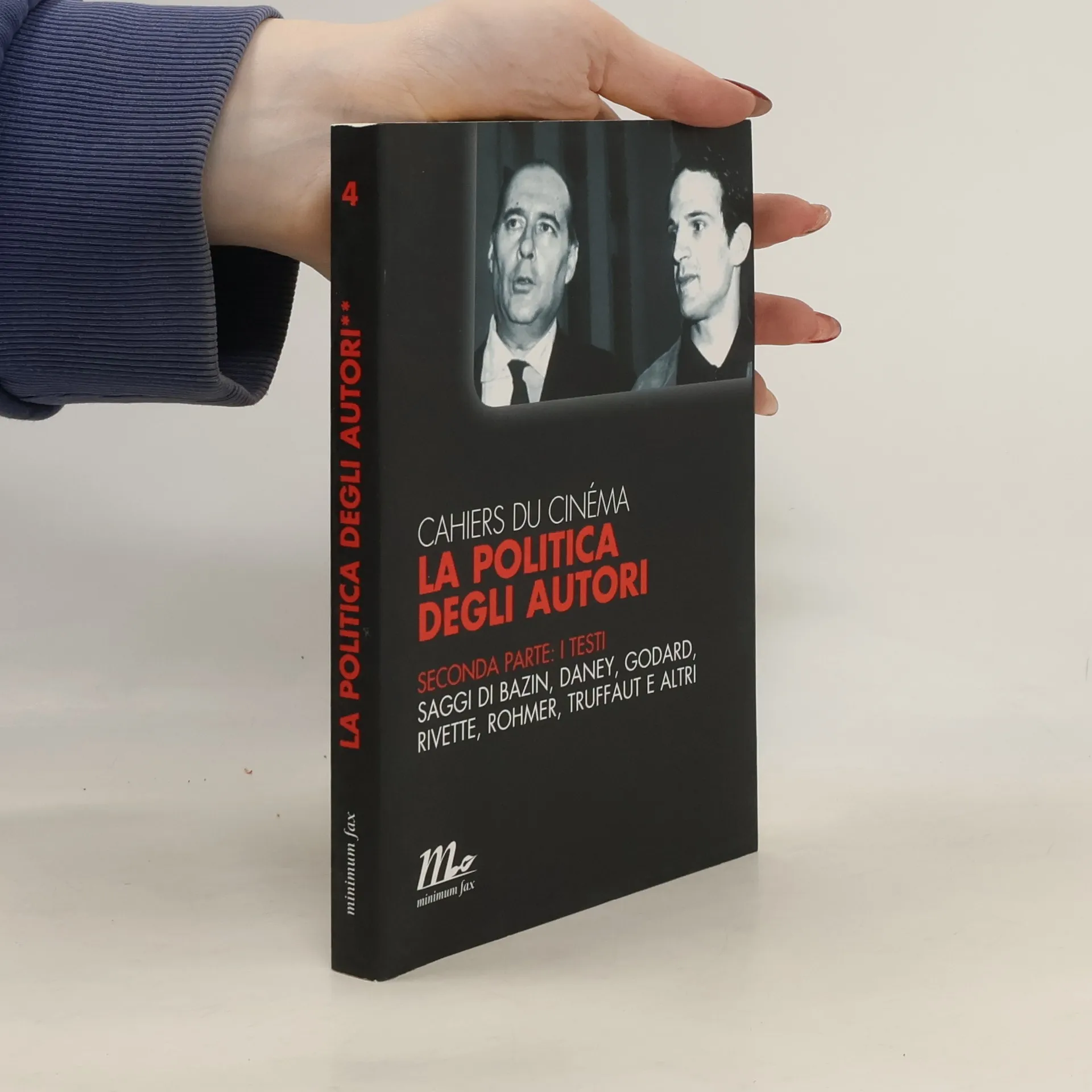
Cette série d'anthologies, au sein de la Petite Bibliothèque des Cahiers du cinéma, propose une sélection de textes historiques regroupés par thématiques, illustrant les idées centrales de la revue ainsi que ses choix critiques et esthétiques, avec une diversité de signatures. La Politique des auteurs est l'idée critique la plus emblématique de l'histoire du cinéma, largement utilisée par les critiques. Bien que l'expression soit entrée dans le langage courant, elle demeure ambiguë. Explorer la Politique des auteurs à travers les textes des Cahiers du cinéma, c'est retracer sa genèse, ses remises en cause et ses contradictions. Cela implique de revenir à la source et de découvrir la personnalité critique de François Truffaut, dont l'amour pour les metteurs en scène est teinté de provocation. Cette construction théorique est indissociable d'une politique d'intervention, marquant les débuts des Cahiers, promis au succès et suscitant l'envie de nombreux directeurs de revues. Elle influencera toutes les générations critiques qui se succéderont. Aujourd'hui encore, les critiques se questionnent sur le bon usage de la Politique des auteurs, cherchant à discerner ses apports provocateurs et ses effets pervers.
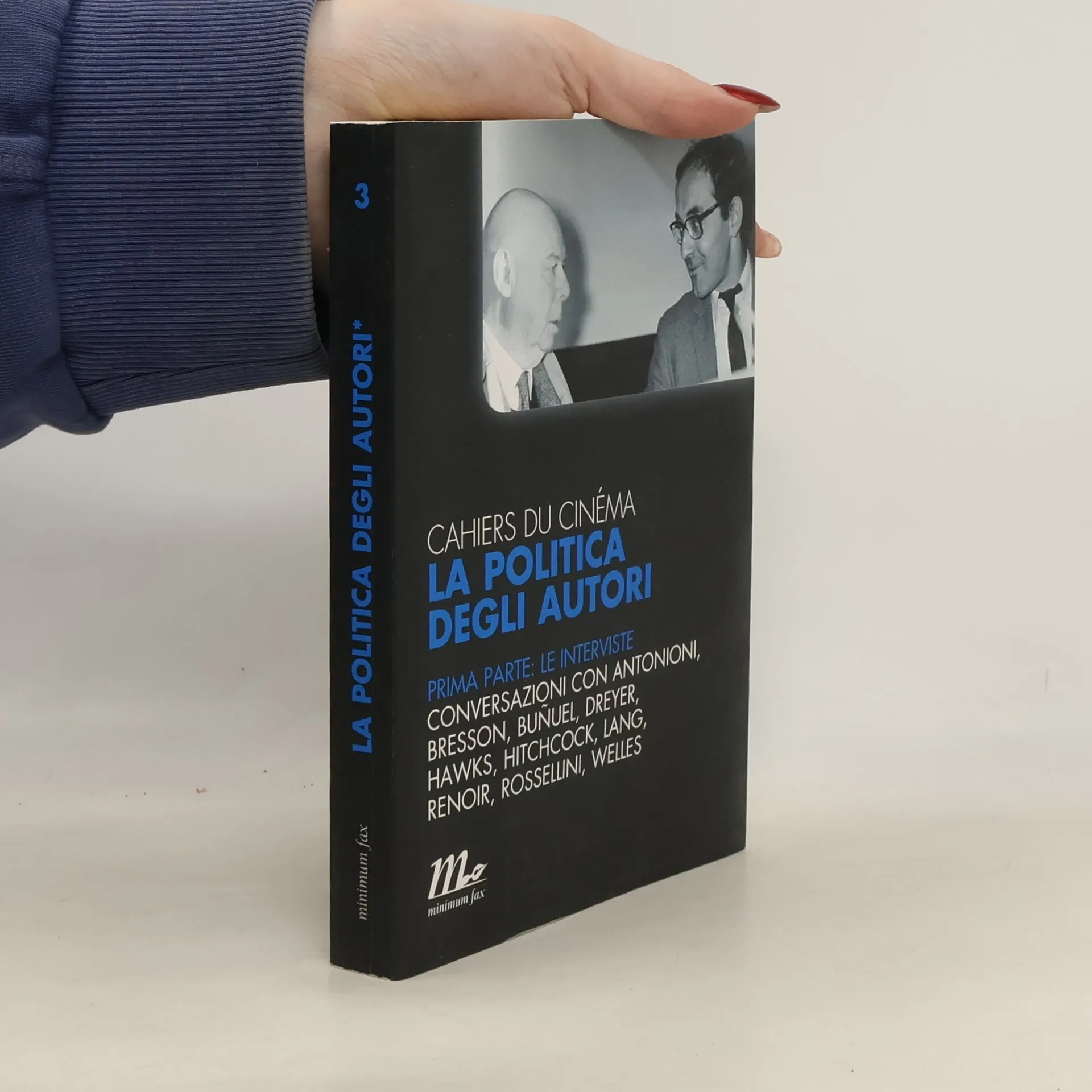
La "politica degli autori" è la straordinaria, provocatoria teoria critica che negli anni Cinquanta e Sessanta rivoluzionò il modo di interpretare il cinema. Promotori ne furono i giovani intellettuali francesi facenti capo alla rivista "Cahiers du cinéma" e destinati a diventare, di lì a pochi anni, i caposcuola della Nouvelle Vague (Godard, Truffaut, Rohmer, Rivette, Chabrol). Secondo la loro teoria, ogni film doveva essere letto non come opera a sé, ma come parte ed espressione di un progetto artistico più ampio, quello del regista, cui finalmente veniva riconosciuta la patente di "autore" a tutti gli effetti. Le storiche interviste raccolte in questo volume testimoniano in presa diretta l'avvicinamento di una generazione di critici e futuri cineasti francesi ai grandi maestri europei e americani - da Antonioni a Hitchcock, da Bunuel a Welles - e, insieme, lo sviluppo di una visione critica che conserva ancora oggi tutta la sua autorevolezza e la sua attualità.