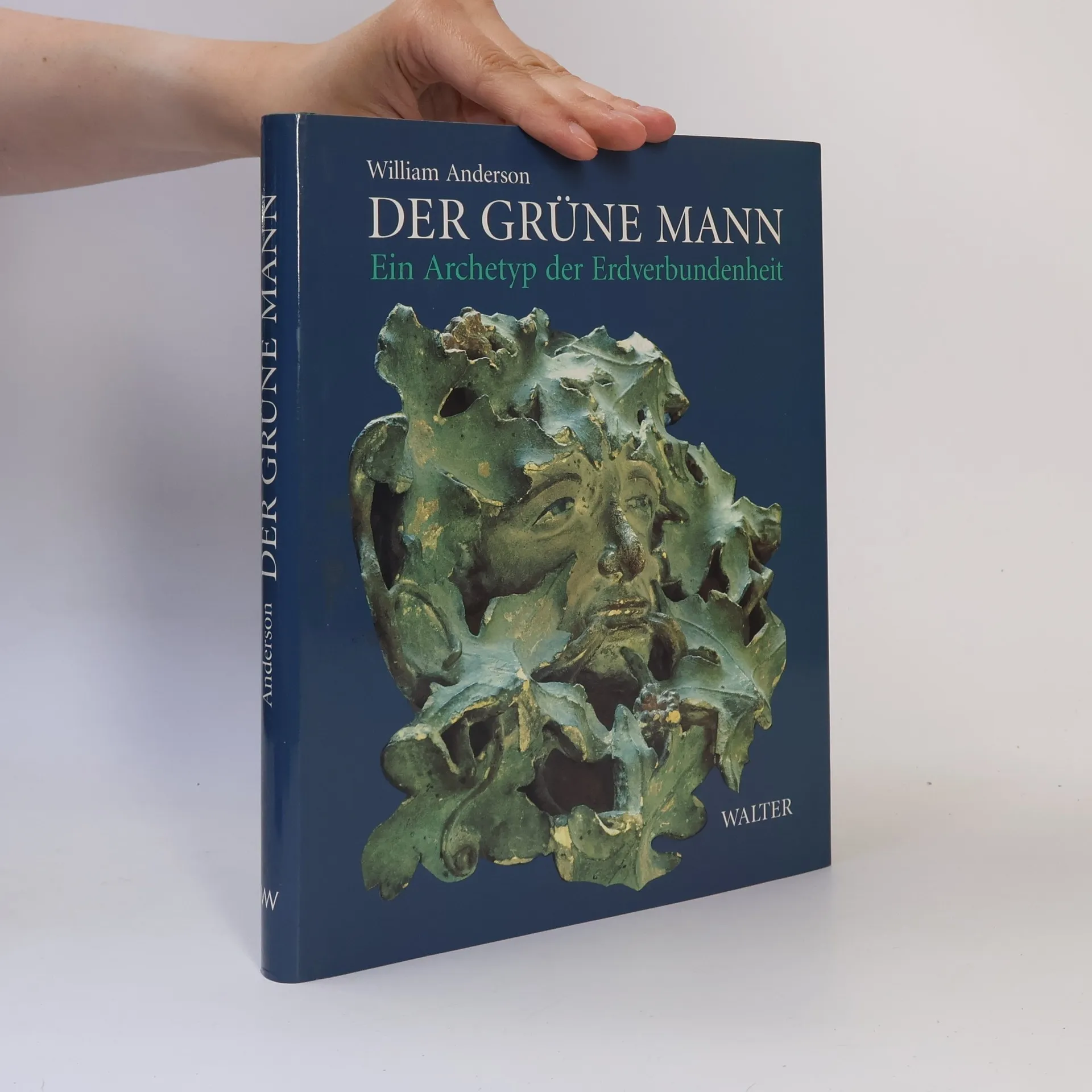
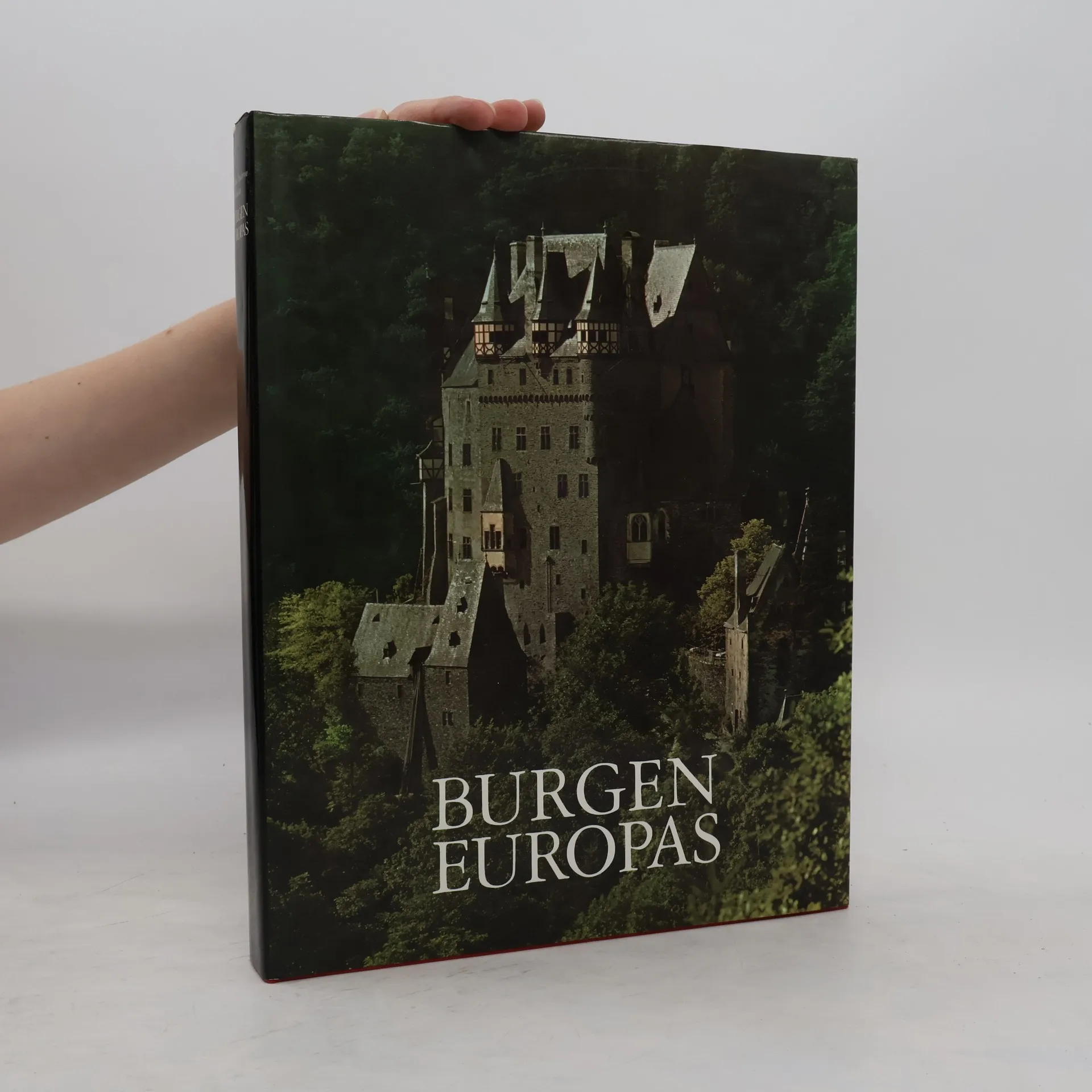
Verfolgt das Wachstum und die Merkmale der mittelalterlichen Kunst und Architektur und konzentriert sich auf die einzelnen gotischen Stile, die sich in ganz Europa entwickelten.
Dive into the world of the author of the beloved Little House series! From her pioneer days on the prairie to her golden years with her husband, Almanzo, and their daughter, Rose, Laura Ingalls Wilder has become a friend to all who have read about her adventures. This expertly researched, behind-the-scenes account of Laura’s life chronicles the real events that inspired her to write her stories, and also describes her life after the last Little House book ends.
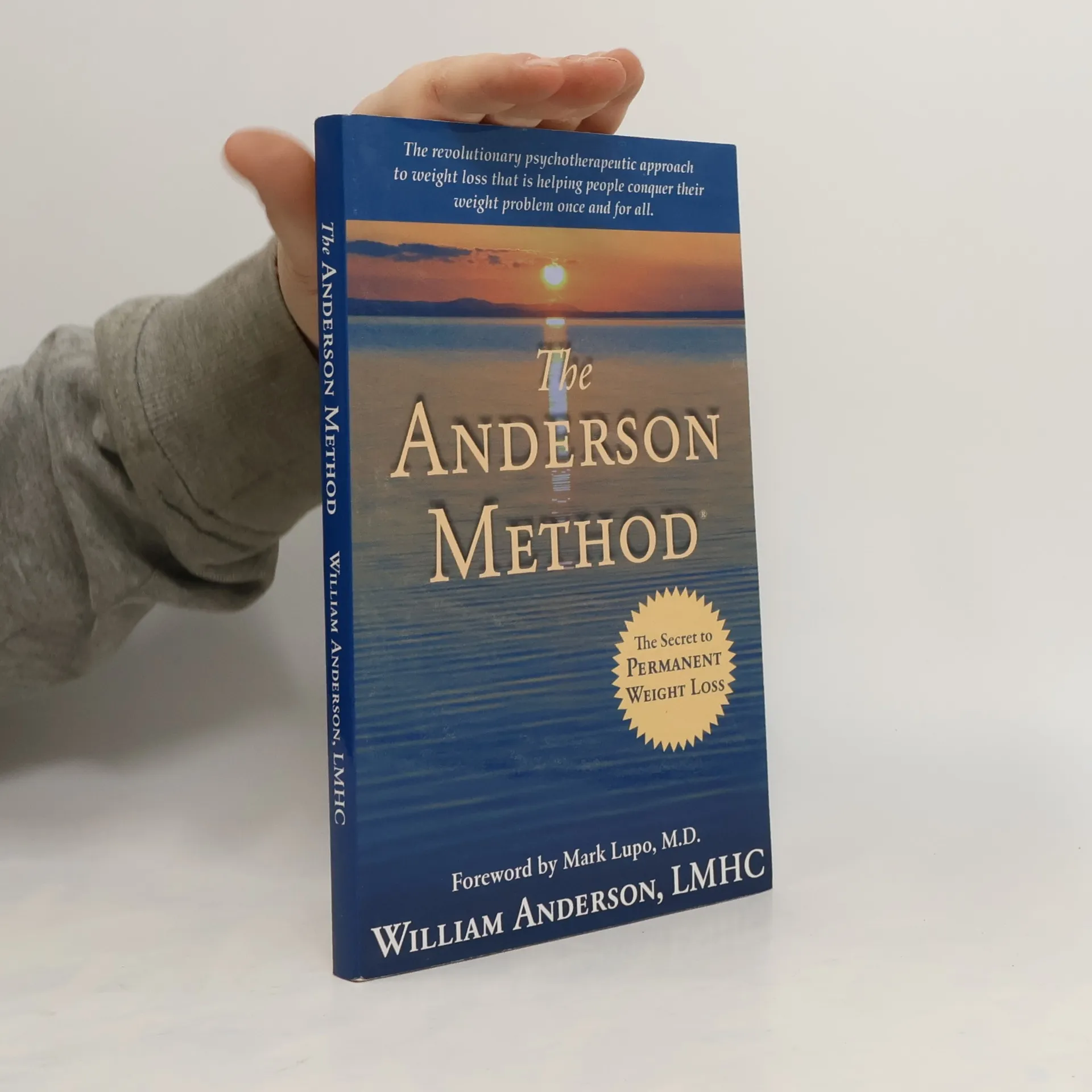
The Anderson Method is a revolutionary psychotherapeutic approach to weight loss that is helping people conquer their weight problems once and for all. With The Anderson Method, you'll learn the secrets of permanent weight loss, revealed by psychotherapist William Anderson, who lost 140 pounds after twenty-five years of failure. He has maintained his success for over twenty years, and in this book you'll learn just what to do to succeed as he and his clients have. Inside, he charts the course for the solution to your weight problem and the obesity epidemic.
This historic book may contain numerous typos and missing text. Purchasers can often download a free scanned copy of the original book from the publisher. The 1894 edition is not indexed or illustrated.
The text describes various art pieces, including inro and kogo, showcasing intricate lacquer work. One inro features a dark brown lacquer resembling tortoise-shell, decorated with gold lacquer, mother-of-pearl, and lead, depicting two hoes tied together with an owl. Another inro, also dark brown, displays a boat's mast and sail over a bank, while yet another shows a bridge post with dancing mosquitoes over a stream. Each piece is signed by Tsuchida Soyetsu, indicating the artist's age at the time of creation.
Additionally, there are descriptions of other items, such as a kogo with cranes in gold lacquer and a writing box (suzuri-bako) adorned with a court scene and brocaded robes. The writing box is noted for its black lacquer ground and mother-of-pearl inlay, attributed to Tsuchida Soyetsu. The collection reflects a rich tradition of Japanese lacquer artistry, highlighting both the craftsmanship and the cultural significance of the pieces.
Focusing on the art of Japanese wood engravings, this book delves into their historical development, techniques, and distinctive features. It serves as a comprehensive resource, preserving the insights and knowledge from the original 1895 edition, making it valuable for both art enthusiasts and scholars interested in traditional Japanese printmaking.
Valued by scholars for its literary significance, this book is presented in its original form, complete with intentional marks that reflect its historical context. It serves as an important resource for future generations, preserving the authenticity and integrity of its content.
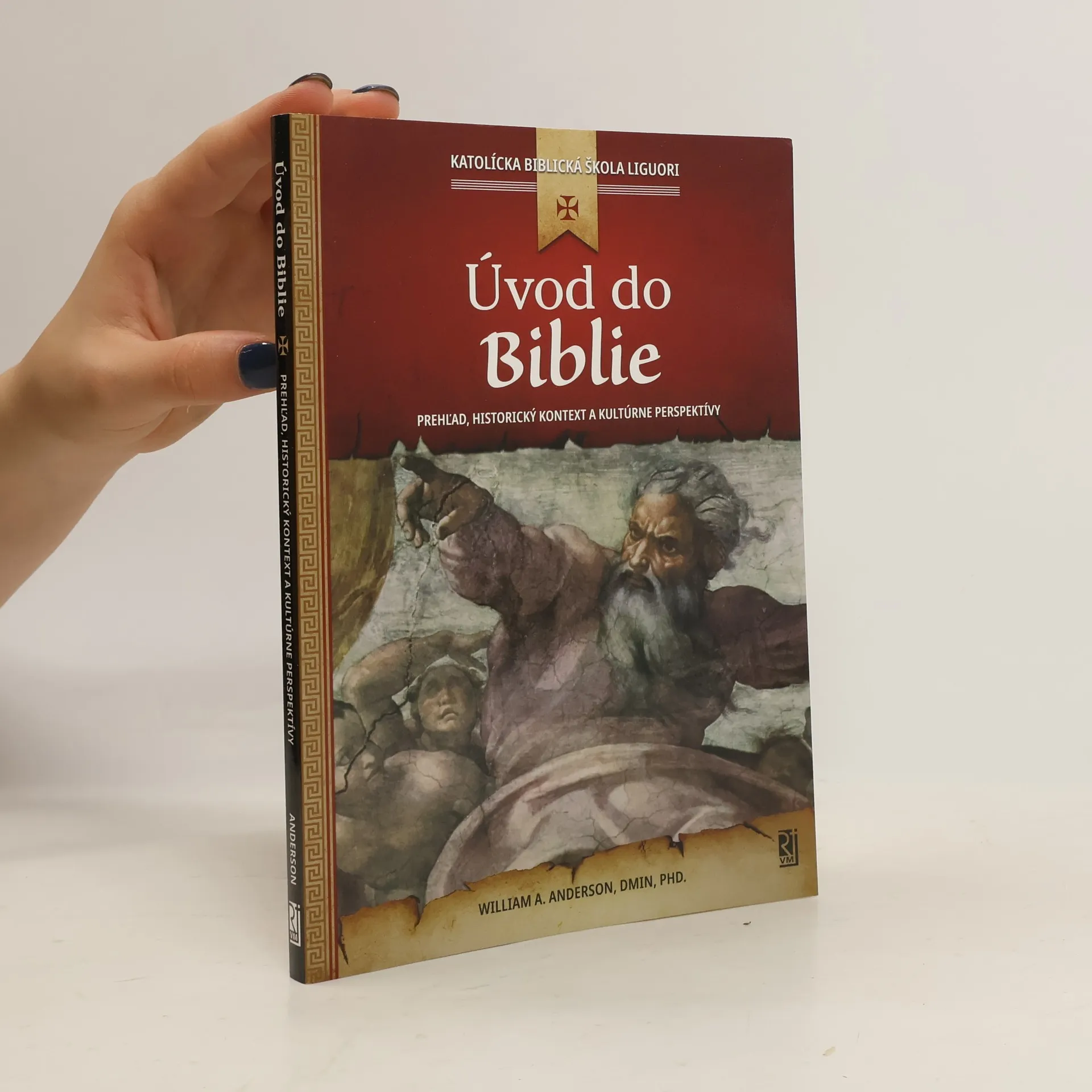
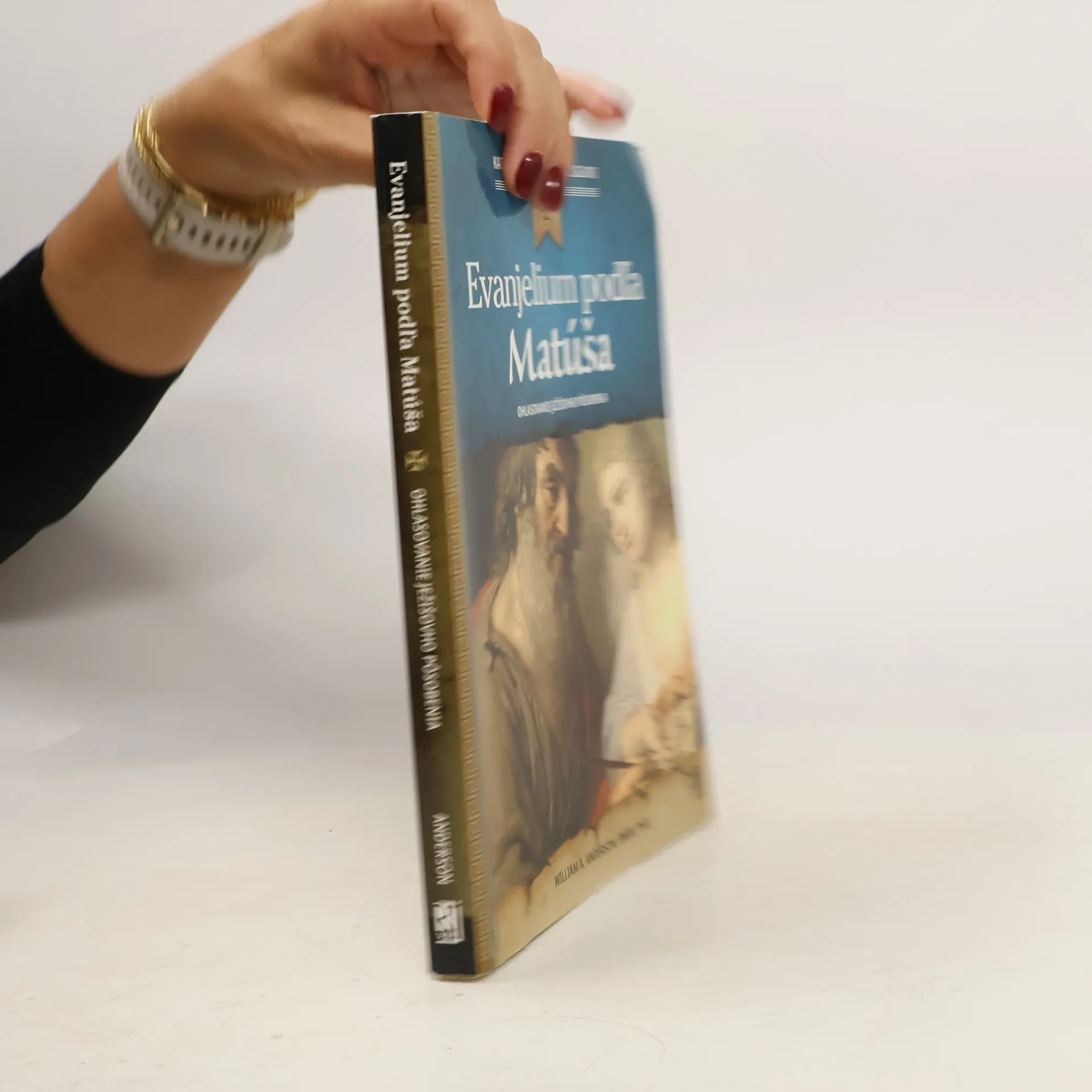
Čítanie Biblie nás môže desiť. Je to zložitá kniha a mnohí ju aj v dobrej vôli
začnú čítať, no potom úplne zmätení prestanú. Je preto dobré mať sprievodcu a
jedným z nich je aj Katolícka biblická škola Liguori. Vo svojich knihách
poukazuje na posolstvá a témy, osobnosti a udalosti. Na ceste s nami uvidíte,
ako sa písali rôzne knihy Biblie, keď bolo treba reagovať na nové situácie.
Cieľom čítania Biblie je prehĺbenie vzťahu s Bohom, preto môže byť jej štúdium
celoživotným projektom, ktorý vždy obohacuje tých, ktorí túžia byť verní
Božiemu slovu. Keď ju prečítajú, pochopia a nechajú sa ňou obohatiť, môžu
začať odznova. Pri každej dobrodružnej ceste k detailnejšiemu chápaniu Božieho
slova stále možno objavovať niečo nové. Od začiatku nášho štúdia pristupujeme
k Biblii ako k inšpirovanému posolstvu od Boha a k jej slovám ako k Božiemu
slovu. Ak tomu budeme veriť, budeme môcť povedať s Ježišom: Duch Pána je nado
mnou. Iba s pomocou inšpirácie Svätého Ducha budeme môcť čítať Bibliu s vierou
- jeho darom. Boh hovorí a my počúvame. Keď dovolíme slovám Biblie, aby
pretvárali naše životy, aj v nich sa splní Písmo, ktoré sme práve počuli.
Kto bol Matúš? Člen jednej z týchto komunít, vzdelaný židokresťan, začal
zhromažďovať materiál, aby sa jeho spoločenstvo mohlo učiť o Ježišovi a jeho
posolstve. V danom čase mal k dispozícii Markovo evanjelium a neskorší rukopis
s množstvom Ježišových výrokov, ktorý sa zvyčajne označuje ako zdroj Q. Svoje
evanjelium teda skladal dokopy tak, že mal pred sebou tieto dva rukopisy, a
tiež zbieral údaje z ústneho podania spoločenstva, do ktorého patril. Hoci
musíme skonštatovať, že nepoznáme meno autora tohto evanjelia, budeme ho v
celom texte uvádzať ako Matúša. Matúš tiež prezentuje Ježiša ako Božieho Syna,
toho, ktorý je rovný Stvoriteľovi. V Starom zákone sa titul Boží Syn používa
pre osoby svätého života, ktoré vo svojom živote vyhľadávajú Božiu vôľu. Tiež
sa ním označuje ľud Izraela, vyvolený Boží národ. Keď tento výraz používa
Matúš o Ježišovi, hovorí o ňom ako o tom, ktorý je jedno s Bohom. Pretože si
ho ctil ako Mesiáša i Božieho Syna, v porovnaní s Markom ho predstavuje viac
ako Boha. Bagatelizuje u neho znaky slabosti a ukazuje ho ako múdreho a
mocného Božieho Syna.