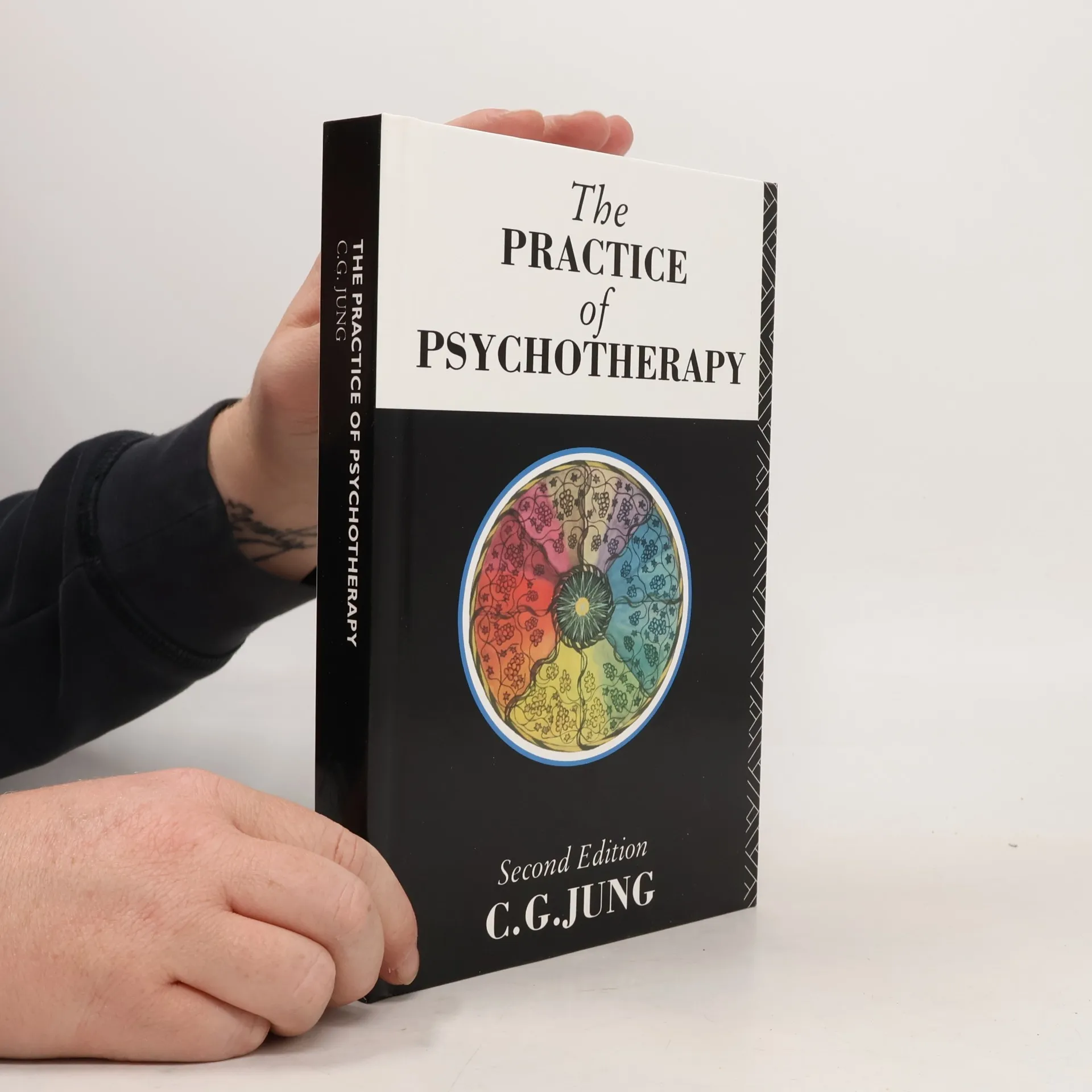
The Practice of Psychotherapy brings together Jung's essays on general questions of analytic therapy and dream analysis. It also contains his profoundly interesting parallel between the transference phenomena and alchemical processes. The transference is illustrated and interpreted by means of a set of symbolic pictures, and the bond between psychotherapist and patient is shown to be a function of the kinship libido. Far from being pathological in its effects, kinship libido has an essential role to play in the work of individuation and in establishing an organic society based on the psychic connection of its members with one another and with their own roots.
Michael Fordham Reihenfolge der Bücher (Chronologisch)

Freud und die Psychoanalyse
- 424 Seiten
- 15 Lesestunden
Die erste Begegnung C. G. Jungs mit Sigmund Freud fand im Februar 1907 statt, nachdem die beiden ein Jahr hindurch in brieflichem Verkehr gestanden hatten und Jung bereits seit 1904 Freudsches Gedankengut in Forschung und praktischer Arbeit erprobte. Bis 1912 war die Verbindung zwischen den beiden Wissenschaftlern und Ärzten eng, und Jung galt als einer der führenden Psychoanalytiker. Obwohl die persönlichen Beziehungen – namentlich als Folge des Erscheinens von »Wandlungen und Symbole der Libido« (1911/12) – gespannt zu werden begannen, blieb Jung bis 1914 weiterhin Präsident der Internationalen Psychoanalytischen Vereinigung. Die ersten neun Abhandlungen des vorliegenden vierten Bandes der Gesammelten Werke umspannen die Periode von Jungs Zusammenarbeit mit Freud: sie legen Theorie und Methode der Psychoanalyse dar, wenden diese auf einzelne Themen an und setzen sich mit Einwänden oder Mißverständnissen ihrer Gegner auseinander. Es folgen Arbeiten, die wesentliche Elemente von Jungs eigener Kritik und Auffassung enthalten. Das Urteil wandelt sich, die Gegensätze führen zum offenen Bruch, und aus der zeitlichen Distanz ergeben sich zum Schluß Einsichten in die beiderseitige persönliche Bedingtheit und die Notwendigkeit eines eigenen Weges. Die Begegnung mit Freud am Anfang, seiner Laufbahn hat Jung entscheidend mitgeprägt und ihre Spuren auch in zahlreichen weiteren Werken hinterlassen.
'This book contains an exposition of therapeutic methods used by analytical psychologists. It is based on Jung's own investigations and includes developments in his ideas and practices that others have initiated. 'Jung held that his work was scientific in that he had discovered an objective field of enquiry. When applying this assertion to analytical psychotherapy one must make it quite clear that, unlike what happens in other sciences, the personality of the therapist enters into the procedures adopted in a way uncharacteristic of experimental method. In the natural sciences study is different in kind and the investigator's personality is significant only in his capacity to be a scientist. By contrast, in analytical therapy the personal influence of the analyst pervades his work and furthermore extends to generations of psychotherapists; the way the author conducts psychotherapy is inevitably influenced having known Jung, having developed a personal loyalty to him and by being treated by three therapists who came under his influence.
The Library of Analytical Psychology - 4: Dying and Creating
A Search for Meaning
- 186 Seiten
- 7 Lesestunden
Jung devoted much of his attention to the psychology of death, re-birth and transformation. The author acknowledges his creative spirit and the depth of his understanding in this discussion of the many customs, myths, stories and beliefs that surround death and dying. The author shows that a fear of death can deprive us of potential sources of creativity, as these are hindered by paralysing fears.
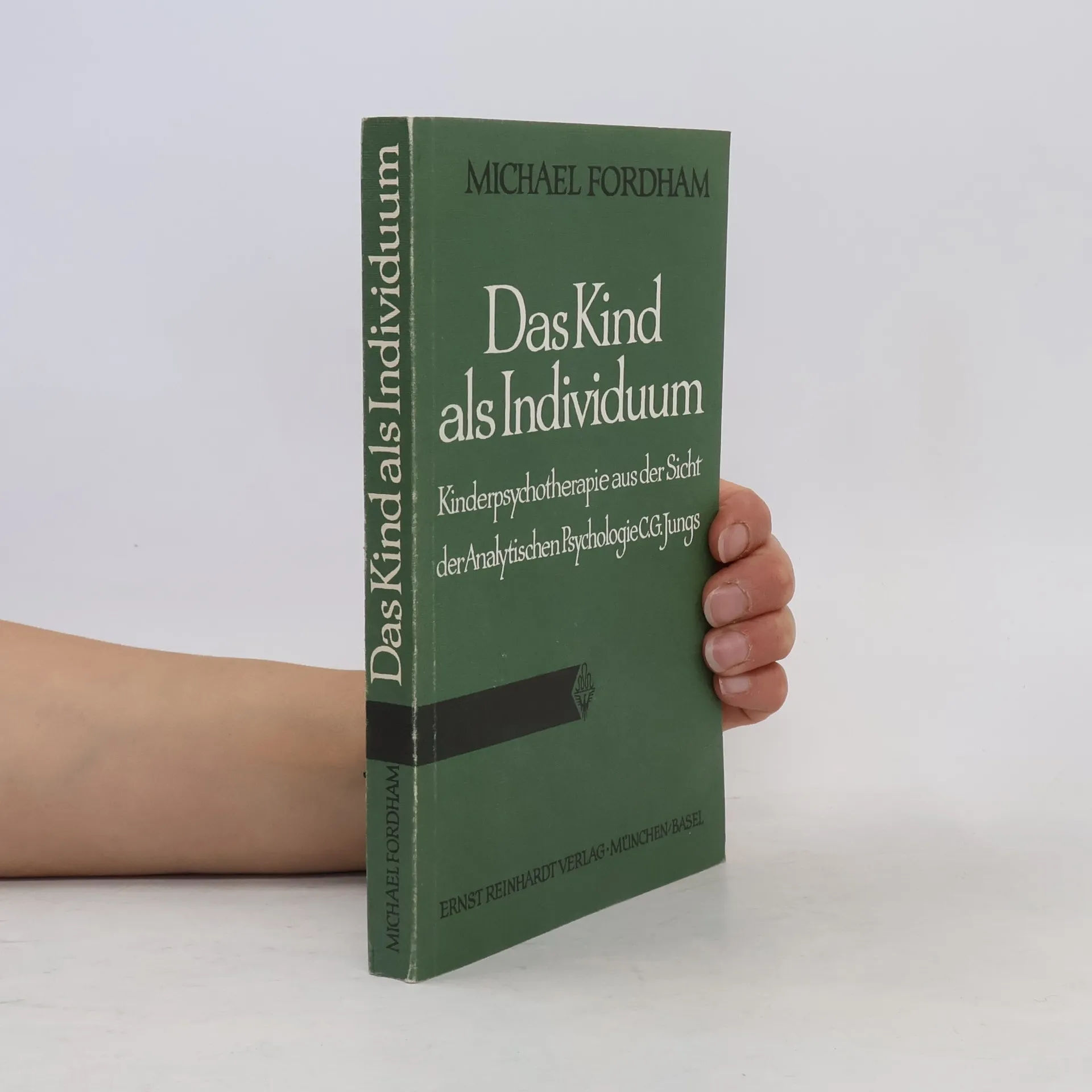
Das Kind als Individuum
- 171 Seiten
- 6 Lesestunden