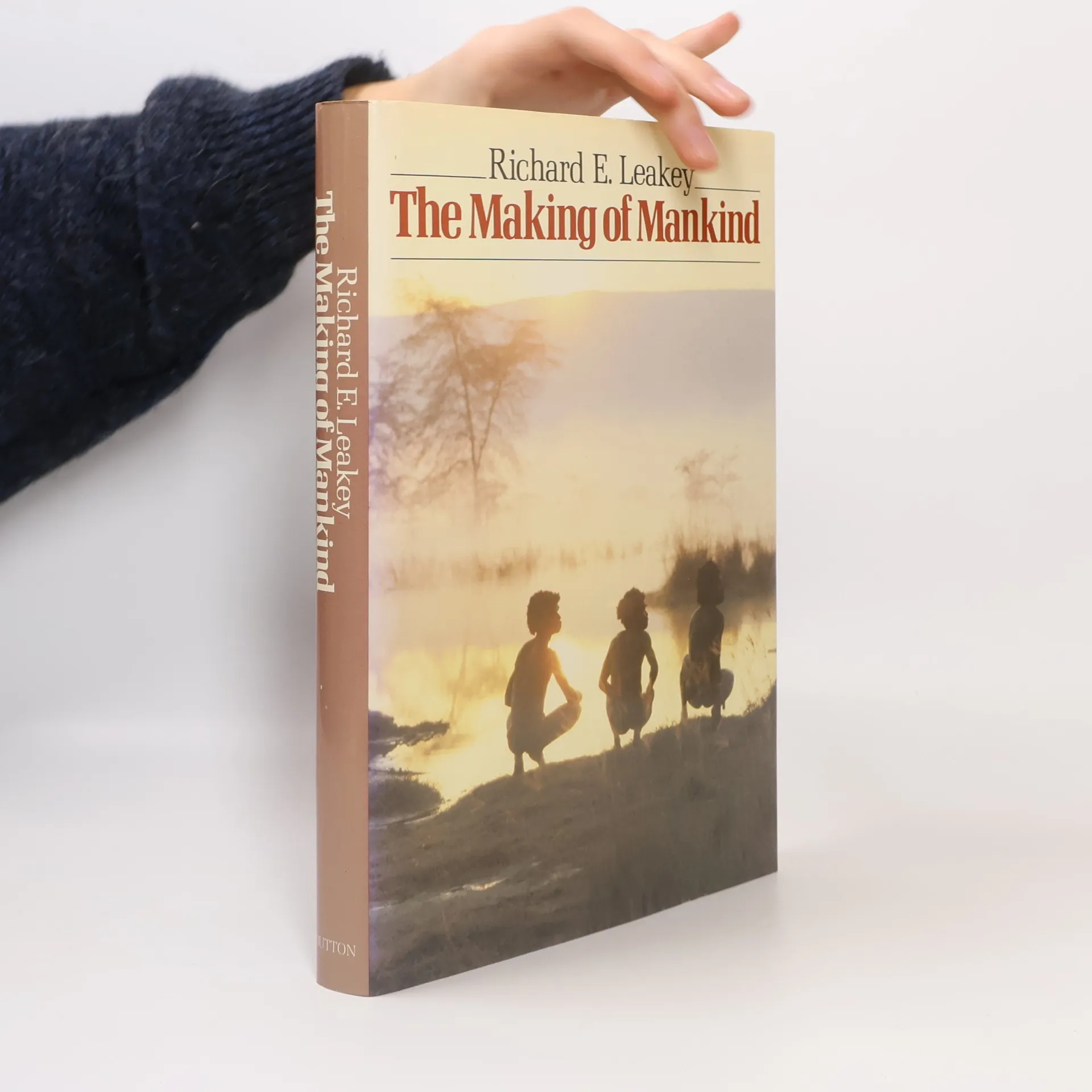
Der Ursprung des Menschen
- 368 Seiten
- 13 Lesestunden
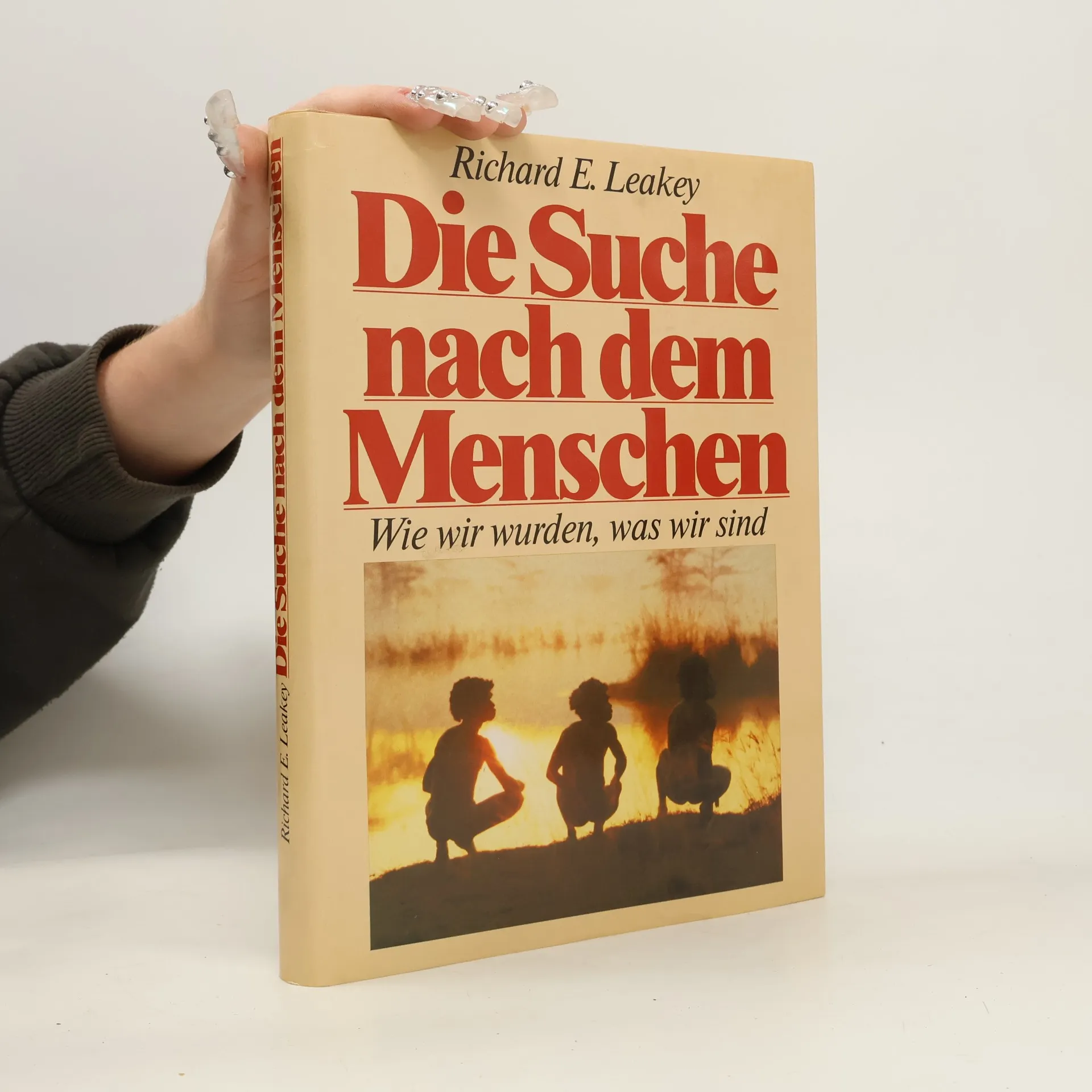
Die Suche nach dem Menschen - Wie wir wurden, was wir sind - bk1546; Buchgemeinschaften; Richard E. Leakey; Paperback; 1981


Richard Leakey, Paläoanthropologe und Naturschützer, beschäftigt sich mit dem Studium der menschlichen Evolution. Seine Arbeit deckt entscheidende Momente unserer Ursprünge auf und unterstreicht die dringende Notwendigkeit, die natürliche Welt zu schützen, die diese Erkenntnisse liefert. Er untersucht, wie wir uns selbst durch unsere Vergangenheit verstehen und wie diese Vergangenheit unsere Zukunft prägt.

Die Suche nach dem Menschen - Wie wir wurden, was wir sind - bk1546; Buchgemeinschaften; Richard E. Leakey; Paperback; 1981
Das Thema dieses Buches, faszinierend und beunruhigend zugleich, ist die Zukunft des Lebens auf der Erde. Im Laufe seiner langen Geschichte gab es fünf große Auslöschungen, die letzte vor 65 Millionen Jahren, als in einem unglaublich kurzen Zeitraum - einem geologischen Augenblick - die großen Dinosaurier ausstarben. Es handelte sich um unvorstellbare Katastrophen, und in mindestens einem Fall, der sogenannten permischen Auslöschung, stand das Leben vor dem Risiko, von der Erdoberfläche zu verschwinden: 95 Prozent aller Arten wurden ausgelöscht. Die Gründe für die Auslöschungen - plötzliche Klimaveränderungen, Asteroideneinschläge, evolutionäre Unzulänglichkeiten - stehen im Mittelpunkt lebhafter Debatten, aber ihr Verlauf scheint dennoch einem klaren Muster zu folgen. Auch heute arbeitet die zerstörerische Maschine auf Hochtouren: Jedes Jahr verschwinden über dreißigtausend Arten, aber dieses Mal muss man nicht weit suchen, um die Ursache zu finden. Das räuberische Verhalten des Homo sapiens gegenüber der natürlichen Umwelt zerreißt das komplexe Gefüge des Lebens und gefährdet, indem es alte Gleichgewichte stört, sogar die Bedingungen für das eigene Überleben. Ohne eine deutliche Kurskorrektur zum Schutz der Biodiversität - warnen die Autoren - wird auch der Mensch bald das Schicksal des Mastodonten und des Pterodaktylus teilen und im Vergessen der Auslöschung enden.
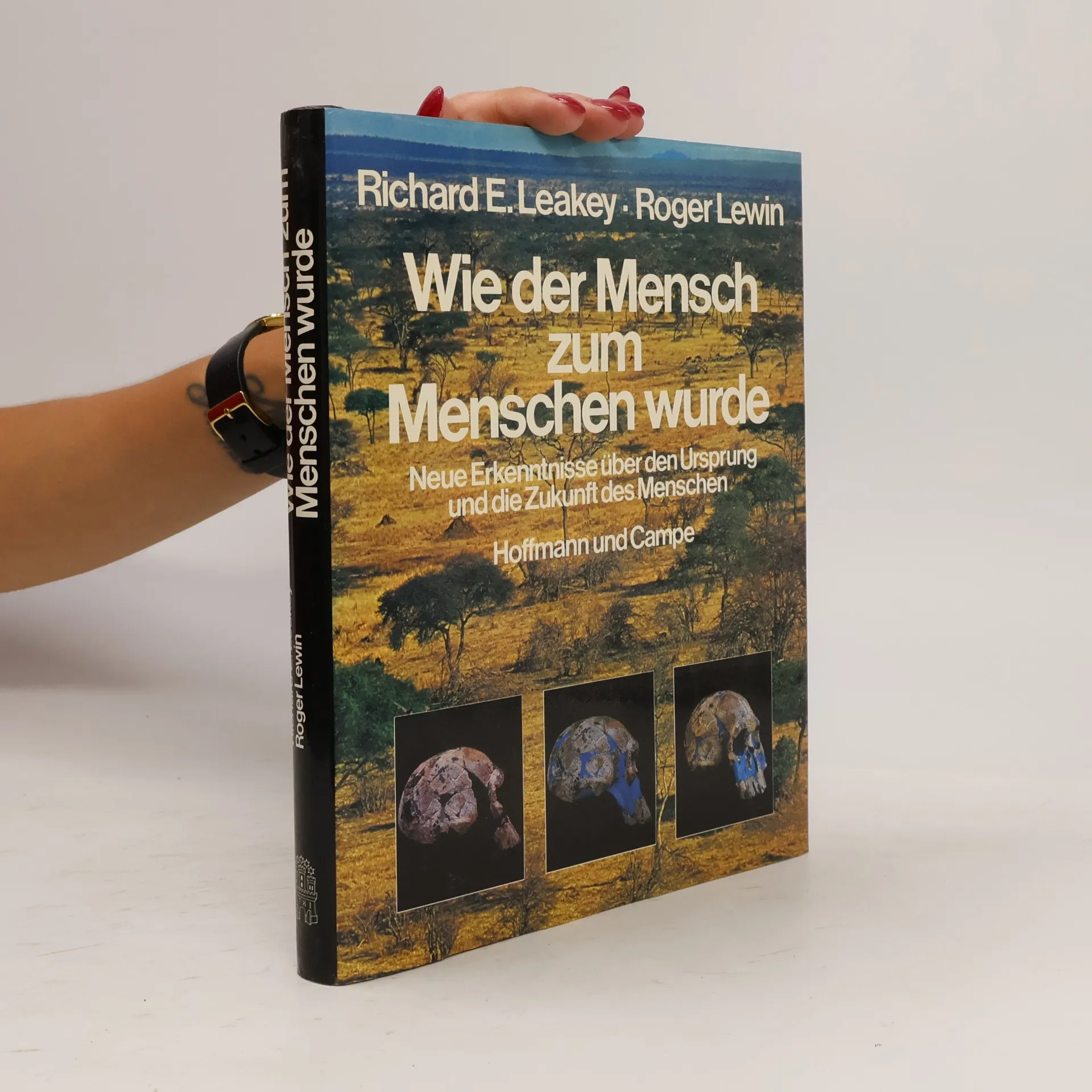
Auf der Grundlage jahrzehntelanger eigener Forschungen präsentiert der berühmte Anthropologe das heute gültige Bild von der Entwicklung des Menschen. Leakey erläutert auf höchst anschauliche Weise, wie es zu sozialen Organisationen, zu Sprachvermögen, Bewußtsein sowie zu kulturellen und technischen Fortschritten kam, die die Sonderstellung des Menschen in der Schöpfung begründeten. Aus der erfolgreichen Wissenschaftsreihe „Science Masters“.
Wie wir wurden, was wir sind
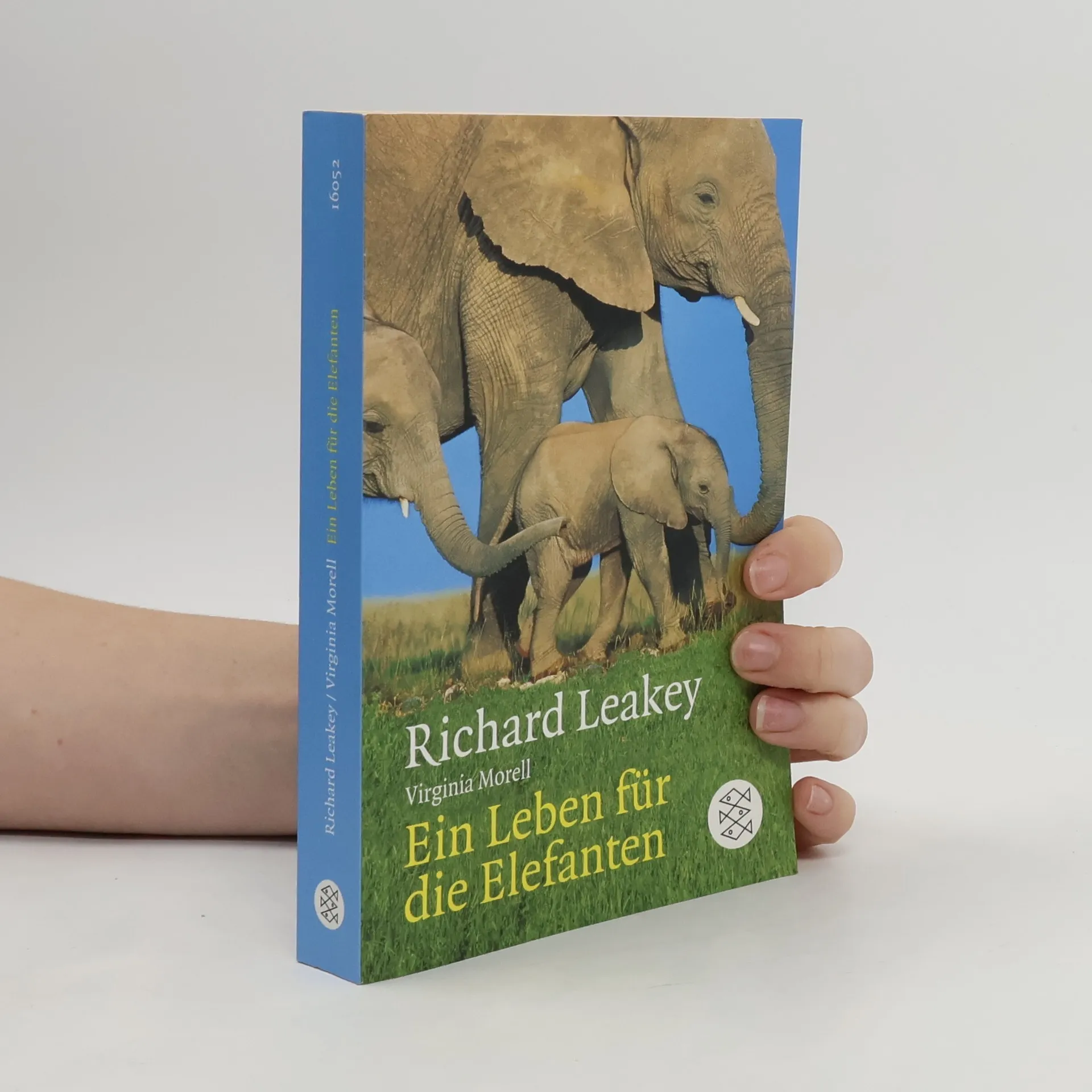
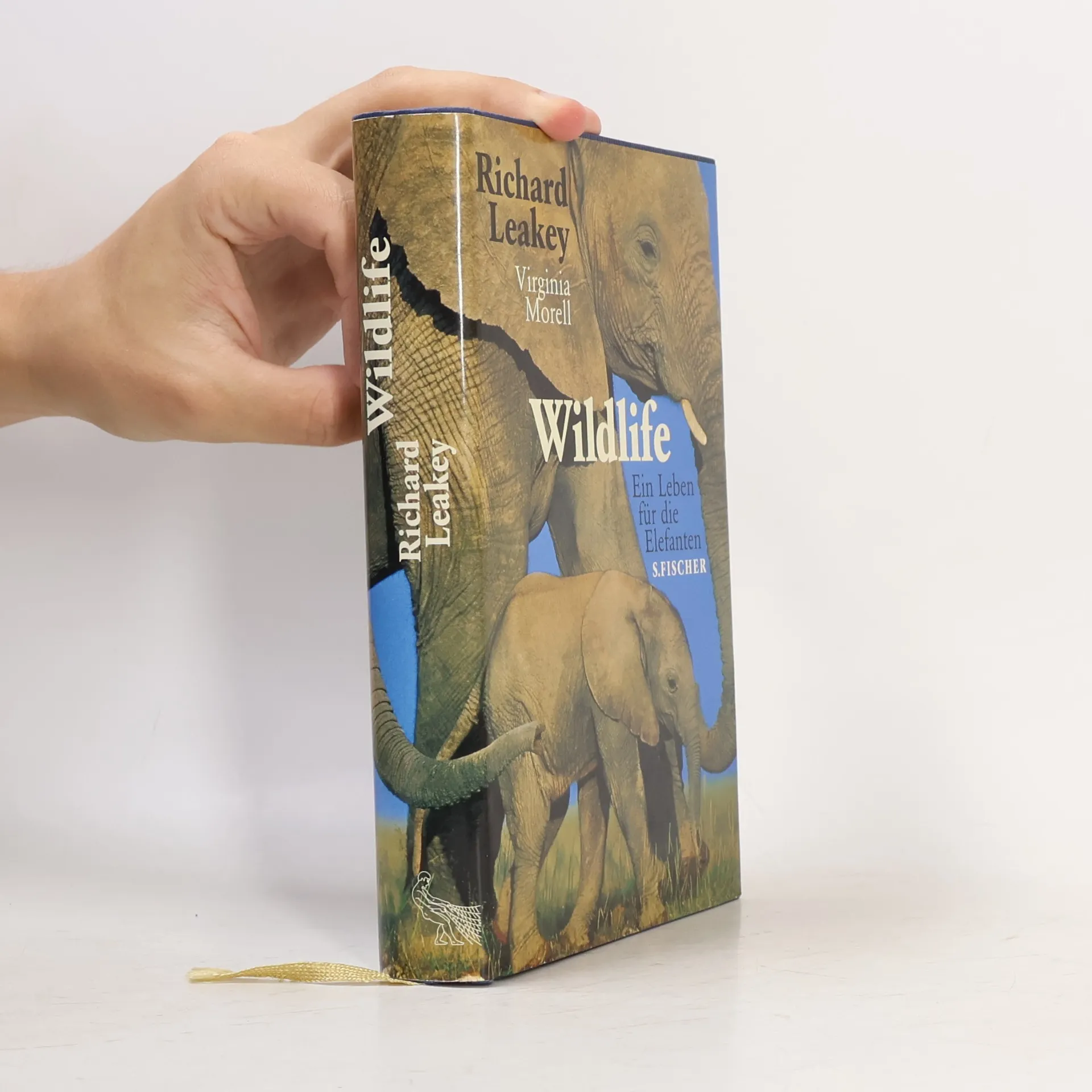
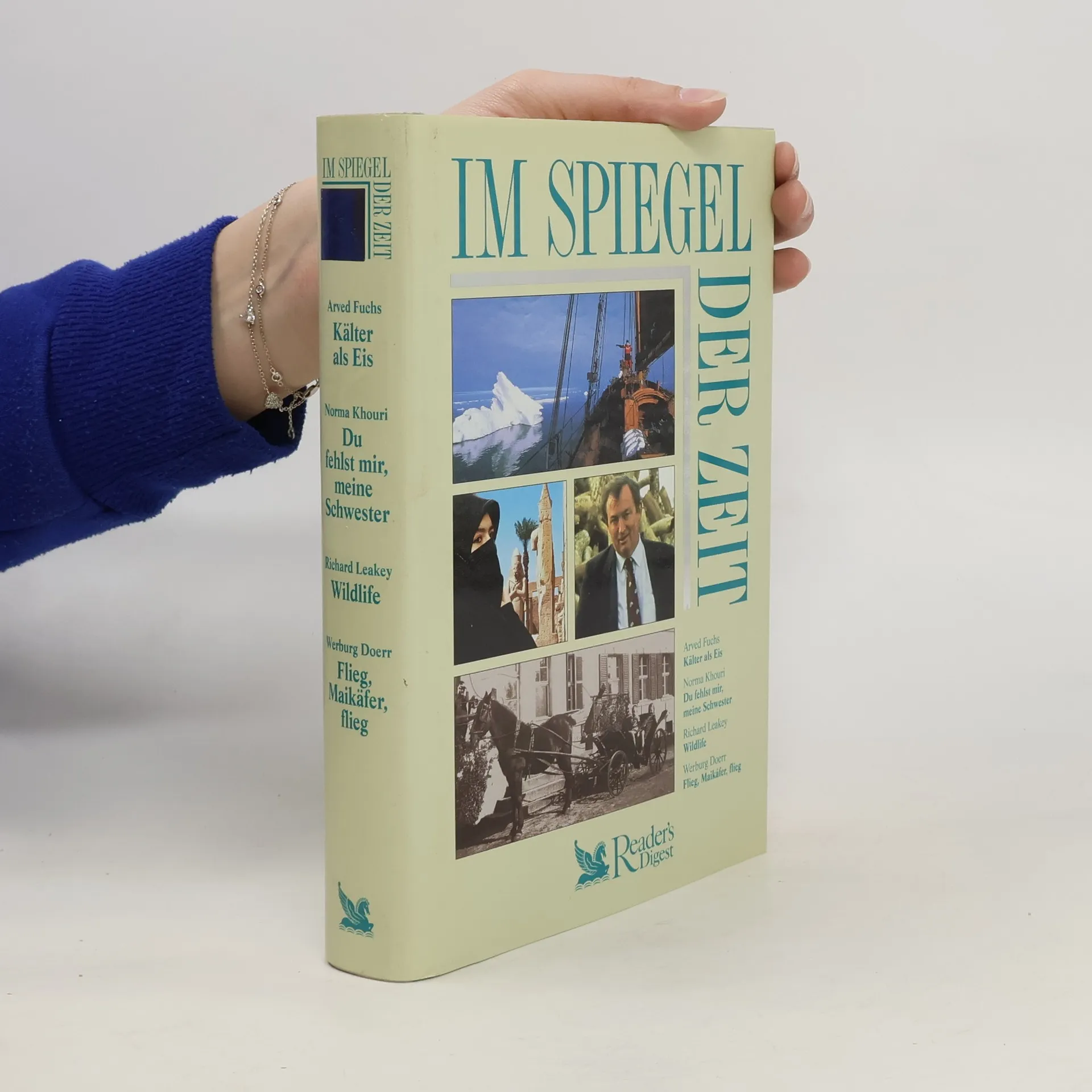
Kälter als Eis/Du fehlst mir, meine Schwester/Wildlife/Flieg, Maikäfer, flieg - Aus der Im Spiegel der Zeit - bk544; Verlag "Das Beste"; Arved Fuchs/Norma Khouri/Richard Leakey/Werburg Doerr; Paperback; 2004
In nur einem Jahrzehnt, 1979 bis 1989, wurden drei Viertel aller Elefanten Kenias von Wildererbanden niedergemetzelt. Als Richard Leakey 1989 begann, den Kenya Wildlife Service aufzubauen, nahm er die größte Herausforderung seines Lebens an. Ihm gelang es, eine schlagkräftige Truppe von Wildhütern zu formieren, ein Handelsverbot für Elfenbein durchzusetzen und so den Erhalt des Afrikanischen Elefanten vorerst zu sichern.
Lebendiges, reich und gut illustriertes Sachbuch über vorgeschichtliche Funde, über Biologie und Verhalten der Affen und ihre Beziehungen zum Menschen, über Kulturen primitiver Völker und Zukunftsperspektiven des Menschen
Richard Leakey begann seine Karriere im Schatten seiner berühmten Eltern Mary und Louis und wurde ein angesehener Paläoanthropologe sowie Leiter der Nationalmuseen Kenias. 1989 setzte der kenianische Präsident Daniel arap Moi Leakey an die Spitze des kenianischen Wildschutzdienstes. Elfenbeinschmuggler töteten jährlich Hunderte von Elefanten, und die Organisation stand kurz vor dem Zusammenbruch. Leakey entließ korrupte Ranger und brachte Millionen von Dollar von internationalen Geldgebern ein, um ein Verbot des Elfenbeinhandels durchzusetzen. Als Moi den Dienst der Korruption beschuldigte, trat Leakey zurück und gründete später eine Oppositionspartei. Er geriet mit Moi in Konflikt, doch im Juli 1999 ernannte Moi ihn zum Leiter des öffentlichen Dienstes Kenias und zum Kabinettssekretär. Er hat nun die Aufgabe, die Regierung von Korruption zu befreien und die Wirtschaft anzukurbeln.
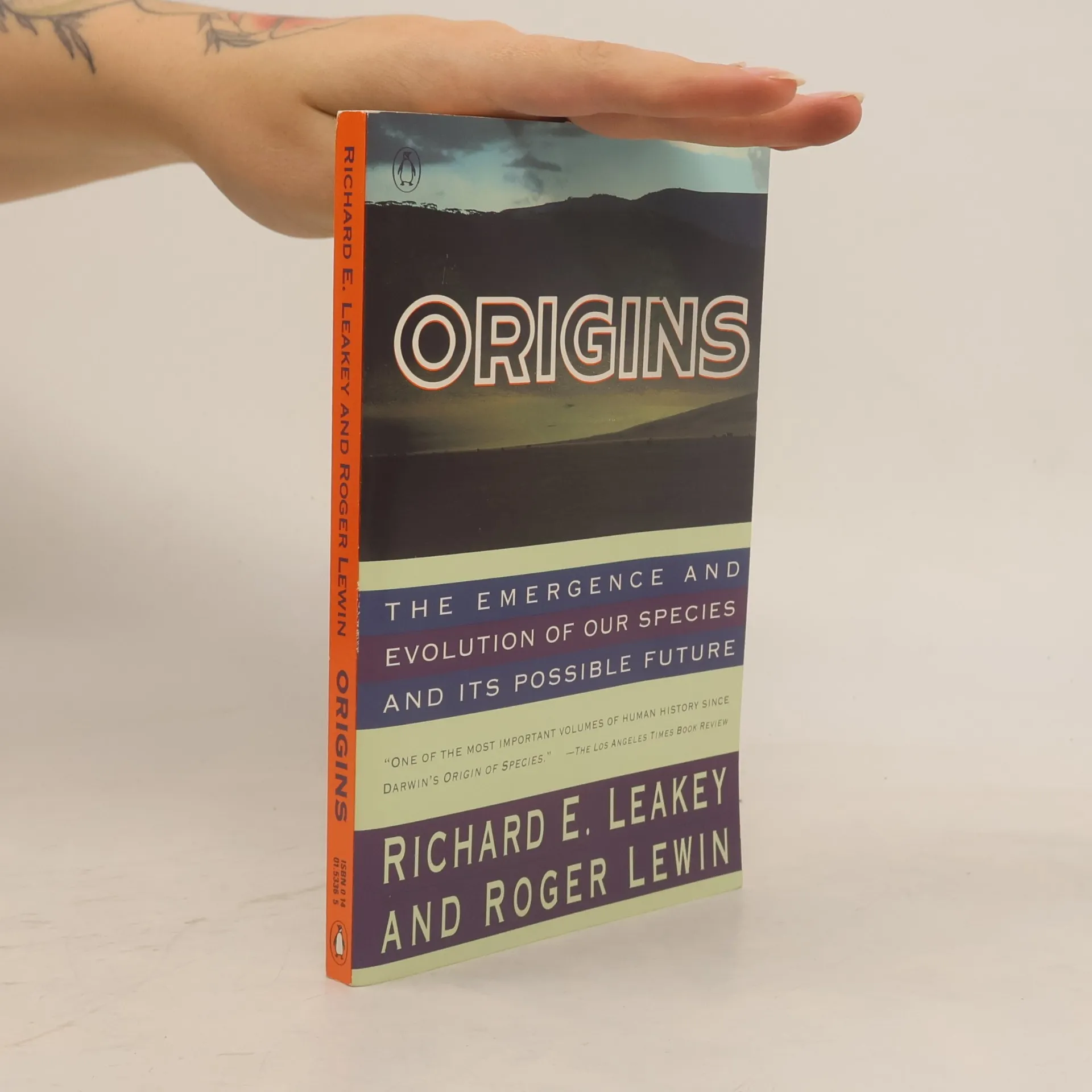
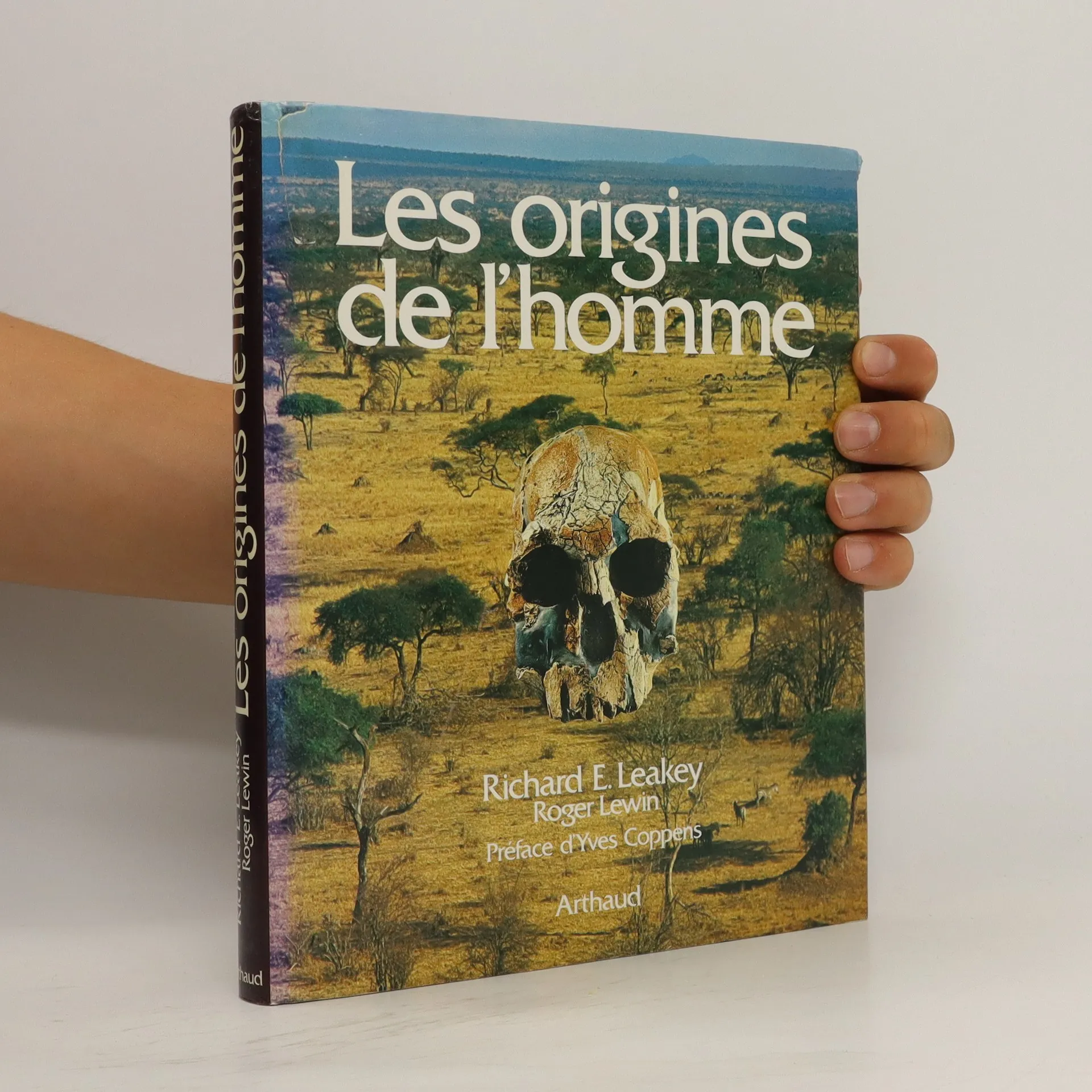
Where did we come from? Where are we going? Richard Leakey and Roger Lewin continue the pioneering field work of Louis and Mary Leakey by fitting together the pieces of our past to discover new answers to these age-old questions. The authors explore our long-buried past—from the feral roots of humanity, through the eons of time, to society today, replete with its wonders and anomalies—searcing for valuable insights into the future of modern society. In this vast survey of human origins and evolution, Leakey and Lewin present intriguing scientific information in such a way that the general reader will be fascinated and drawn into the search. "One of the most readable and informative boks of its kind." — Ashley Montagu, Saturday Review "It is a pleasure to see in print an authentic representation of what are, with only minor exceptions, the views held by most of the professionals in the field. Graced with humor, intriguing ideas, and unfamiliar insights.' — Carl Sagan, The New York Times Book Review
A comprehensive survey of the fields that deal with human prehistory explains the techniques used in the study of the life, appearance, and evolution of human and prehuman ancestors
Richard Leakey's tenure as the administrative director of Kenya's National Museum coincided with a serious kidney disease diagnosis, which would impact his life significantly. In January 1969, doctors in London informed him that his kidneys would last no longer than ten years. They were correct, but a kidney transplant from his brother Philip in 1979 marked the beginning of a new chapter for him. While awaiting the transplant, he started writing his autobiography. Born and raised in Kenya like his father Louis, Richard's unconventional childhood was filled with colorful experiences that shaped his identity. Growing up in a nation transitioning from a British colony to independence, he absorbed lessons about prehistoric Africa from his parents, which ultimately led him to study human ancestry. His work in this field positioned him as a leader in Kenya's museums and contributed to establishing the country as a major center for the study of evolution and human origins. A prolific lecturer and author, Richard has written numerous books and articles, and has appeared on television globally, including a notable 7-part series titled "The Making of Mankind," which became a bestseller. He currently resides in Nairobi with his wife Meave and two of their daughters, remaining actively engaged in the search for early human ancestors and various scientific endeavors as director of Africa's leading museum.
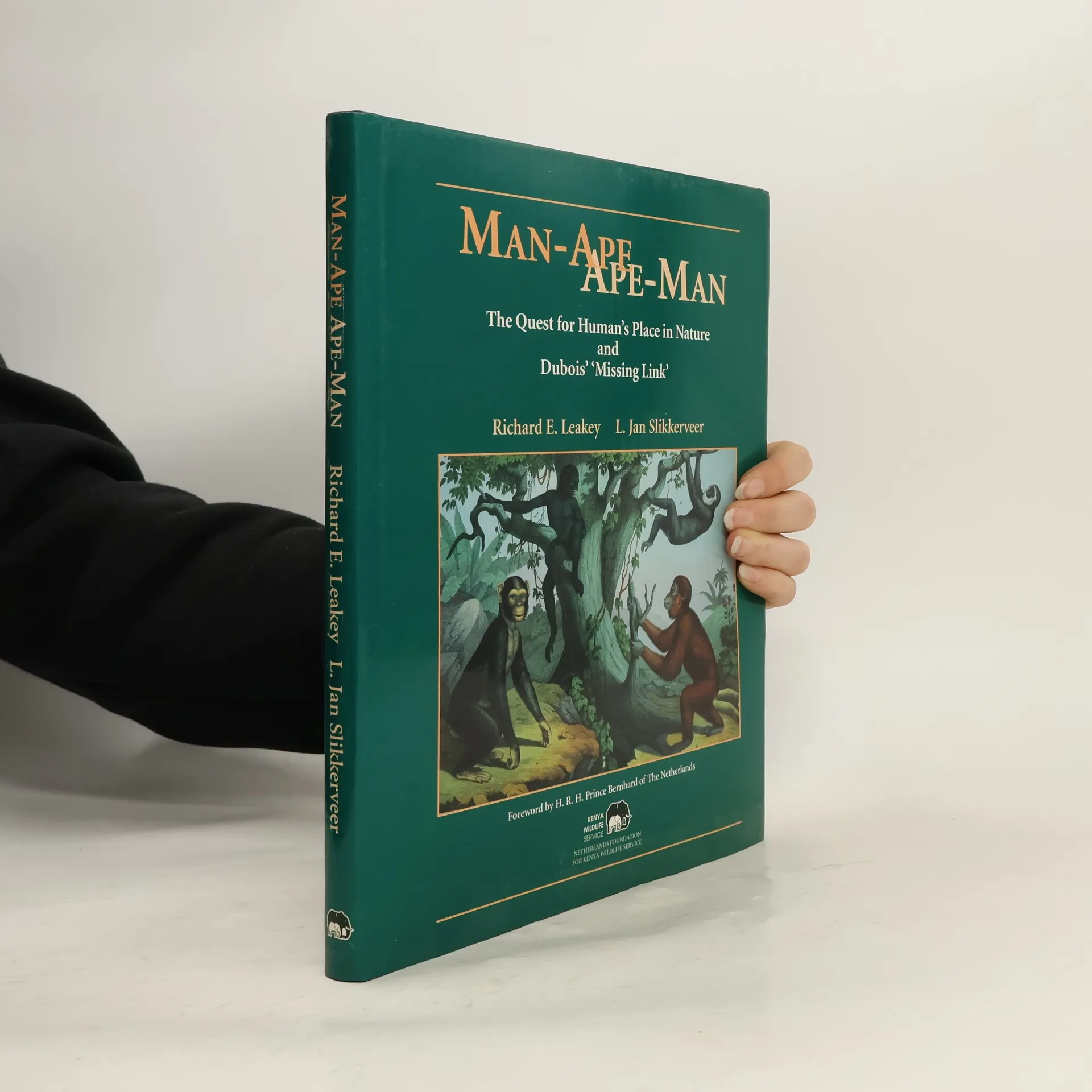
The Quest for Human's Place in Nature and Dubois' 'Missing Link'
Beschrijving in woord en beeld van leven en werk van Marie Eugène François Thomas Dubois (1858-1940) waarbij vooral wordt ingegaan op de door hem gevonden fossiele resten van de Javamens die als Missing Link tussen aap en mens werd gezien.
Pátranie po našom pôvode je vzrušujúce ako napínavá detektívka. Čím viac vieme o našej minulosti, tým viac otázok sa vynára, no príbeh o našom pôvode predsa len dostáva čoraz presnejšie črty. V závere knihy sa Leakey venuje novým teóriám o tom, ako a prečo ľudia vyvinuli sociálne organizovanú spoločnosť, odkiaľ sa vzalo umenie a jazyk, kde sa vzalo to najľudskejšie, čo vlastníme - naše vedomie.
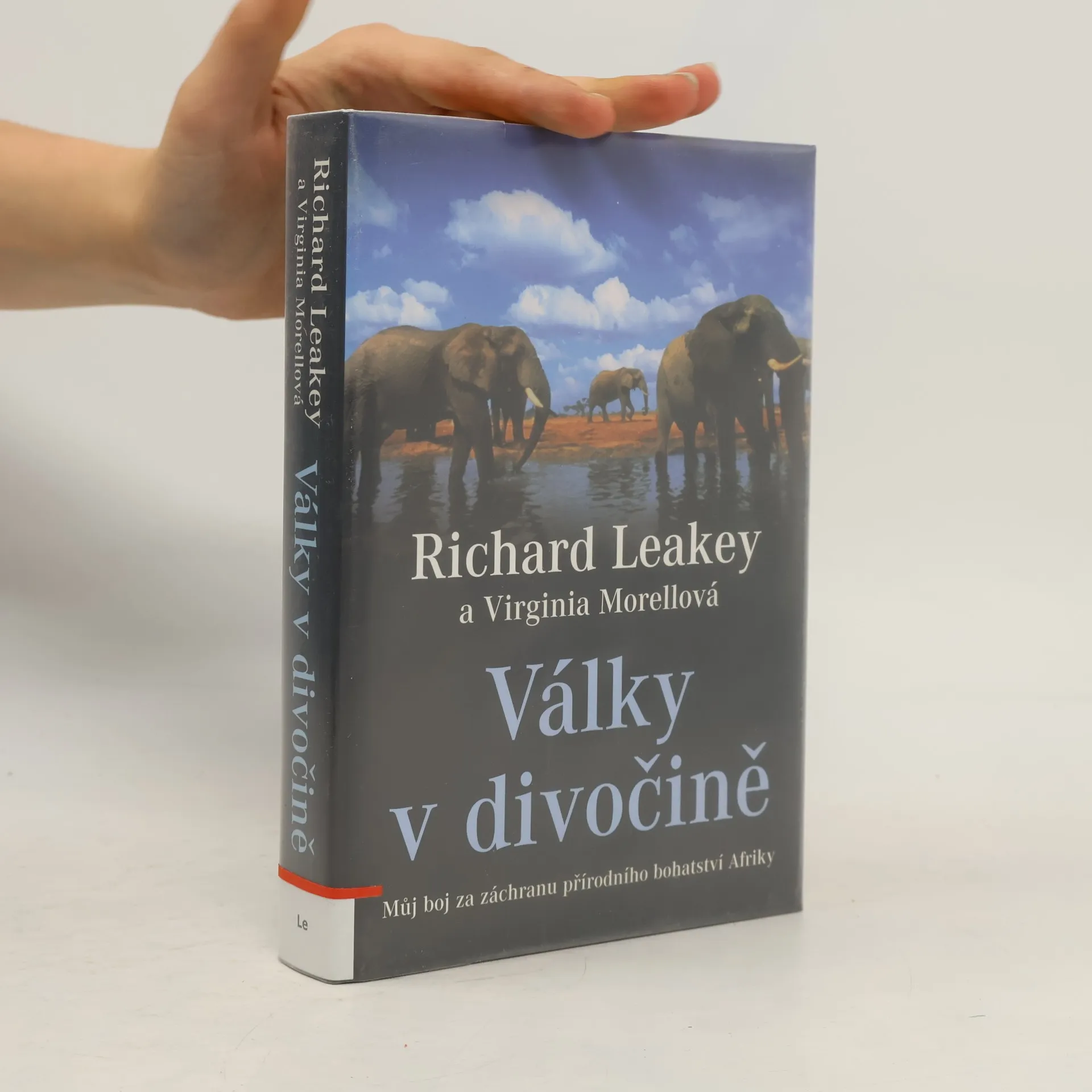
Podtitul: Můj boj za záchranu přírodního bohatství Afriky „Války v divočině“, paměti Richarda Leakeyho na jeho léta ve funkci ředitele keňské Wildlife Service, je fascinující kniha, nezapomenutelným způsobem popisující konflikt mezi pytláky a ochránci, mezi spravedlností a korupcí a bohužel také mezi rozdílnými názory na africkou volnou přírodu a na to, jak ji nejlépe bránit. Především se jedná o příběh muže bojujícího s pochybnosti o sobě samém a překonávajícího těžkosti v boji za to, co považuje za správné, dokonce i když je v sázce jeho vlastní život. Těšíme se z Richardových vítězství a trápí nás jeho neúspěchy. Přesvědčivá a krásně napsaná kniha „Války v divočině“ je plná akce, napětí a dobrodružství – což z ní činí povinnou četbu pro všechny, kdo se zajímají o africkou politiku v oblasti volné přírody a bouřlivé osudy rodiny Leakeyových v Keni.
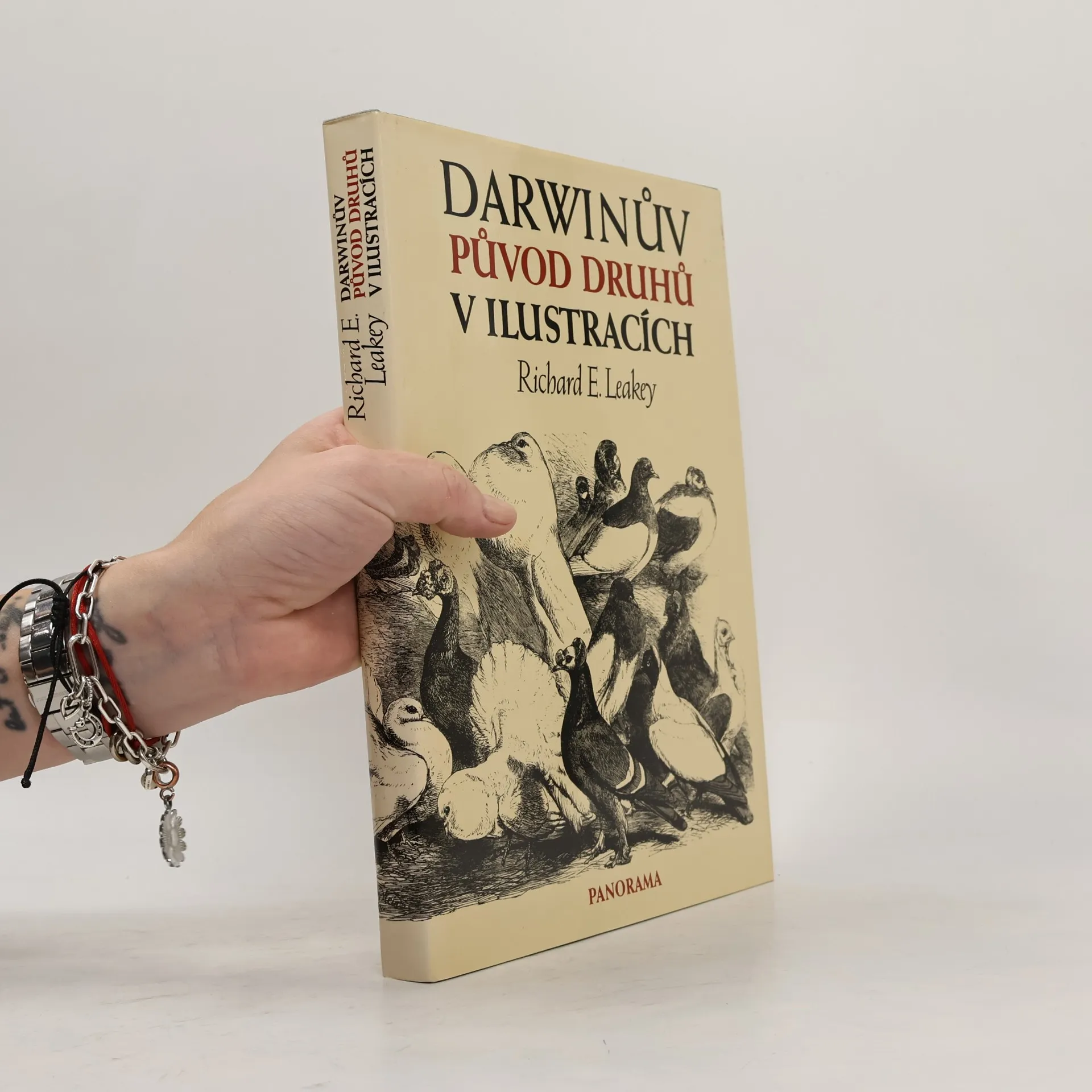
Darwinův text přesvědčivě líčí obrovské drama, které se na naší planetě od nepaměti odehrává mezi všemi živými tvory. Darwinova kniha a z ní pramenící „darwinismus“ se staly jedním z největších dramat v dějinách lidské vzdělanosti. Kniha O původu druhů přírodním výběrem jestručným výtahem z rozsáhlého vědeckého díla, které v úplnosti nikdy nevyšlo tiskem. Ve zkráceném a ilustrovaném šestém vydání slavného díla pořadatel R. E. Leakey umožňuje i méně trpělivému čtenáři i čtenáři s menší představivostí proniknout do podivuhodné dílny živé přírody a do podstaty Darwinova učení.
Podtitul: Člověk, jeho počátky, jeho povaha a budoucnost. Populárně naučná kniha je věnovaná počátkům lidského rodu na základě nálezů u jezera Turkana v Keni. Pokus o rekonstrukci života našich dávných předků. Lov, organizace jejich společnosti, základy řeči, výroba nástrojů.
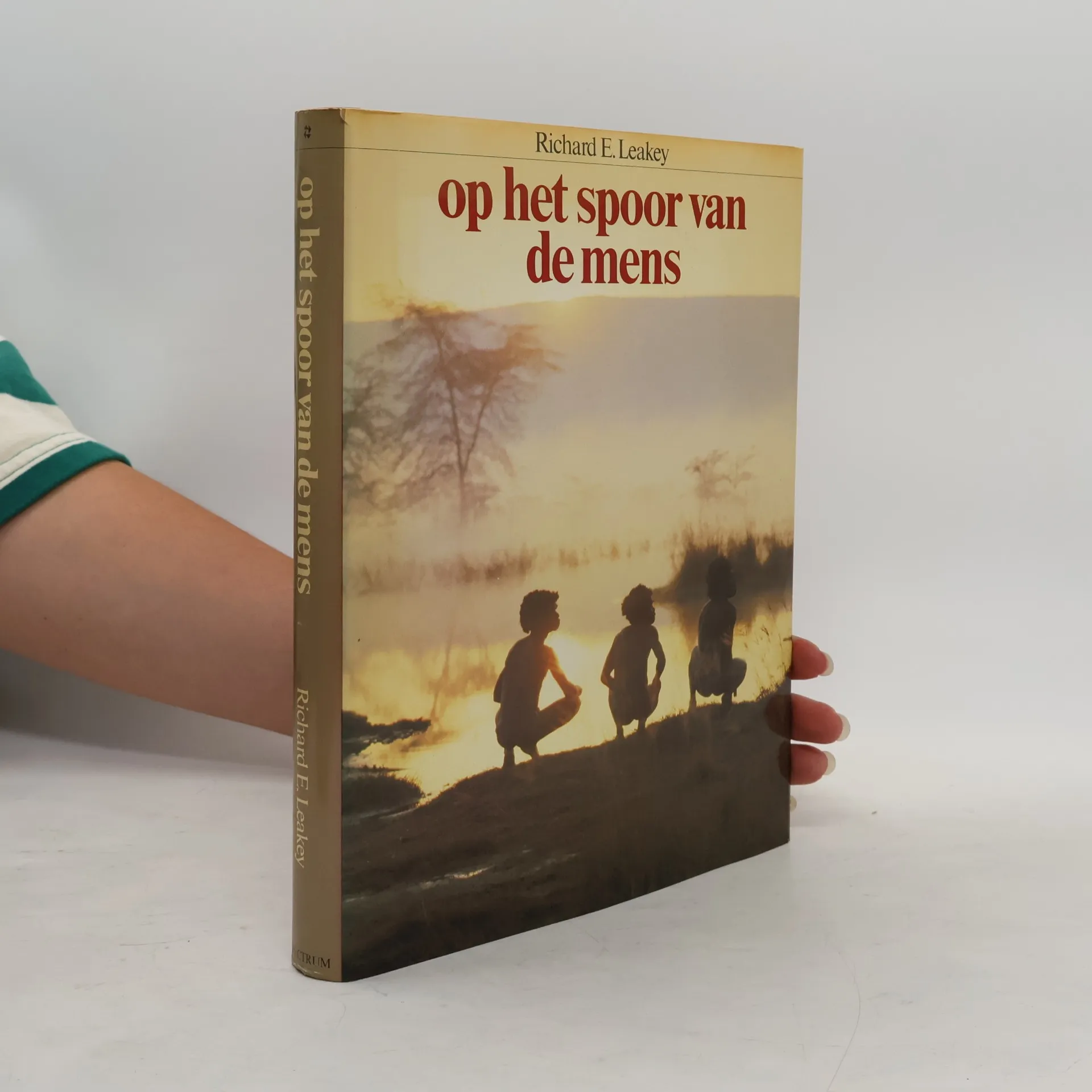
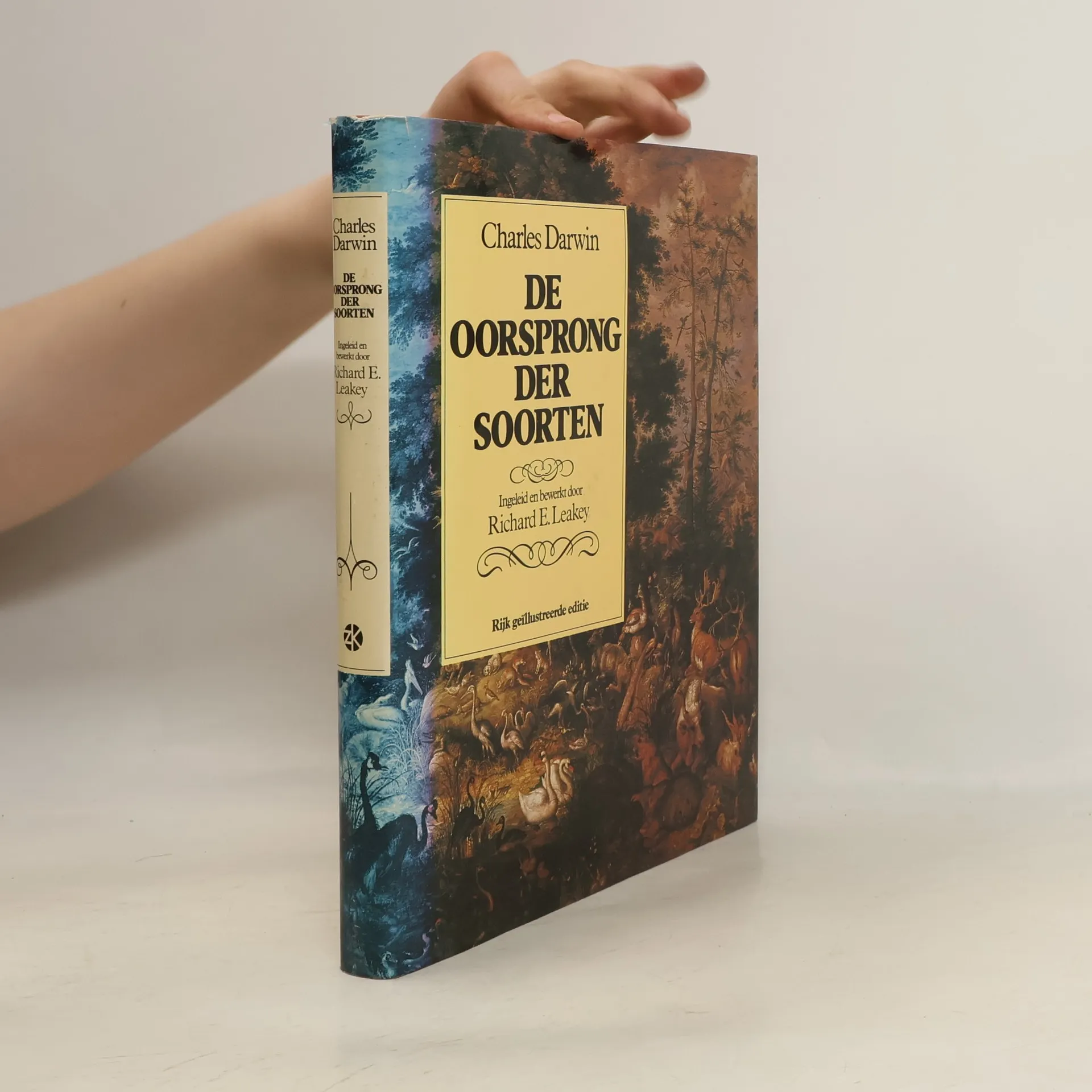
Geïllustreerd / Illustrated / Illustré / Illustriert / 9027494703 / Anthropology / Nederlands / Dutch / Néerlandais / Niederländisch / hard cover / dust jacket / 19 x 26 cm / 256 .pp /
Ingeleid en bewerkt door Richard E. Leakey - Rijk geïllustreerde editie
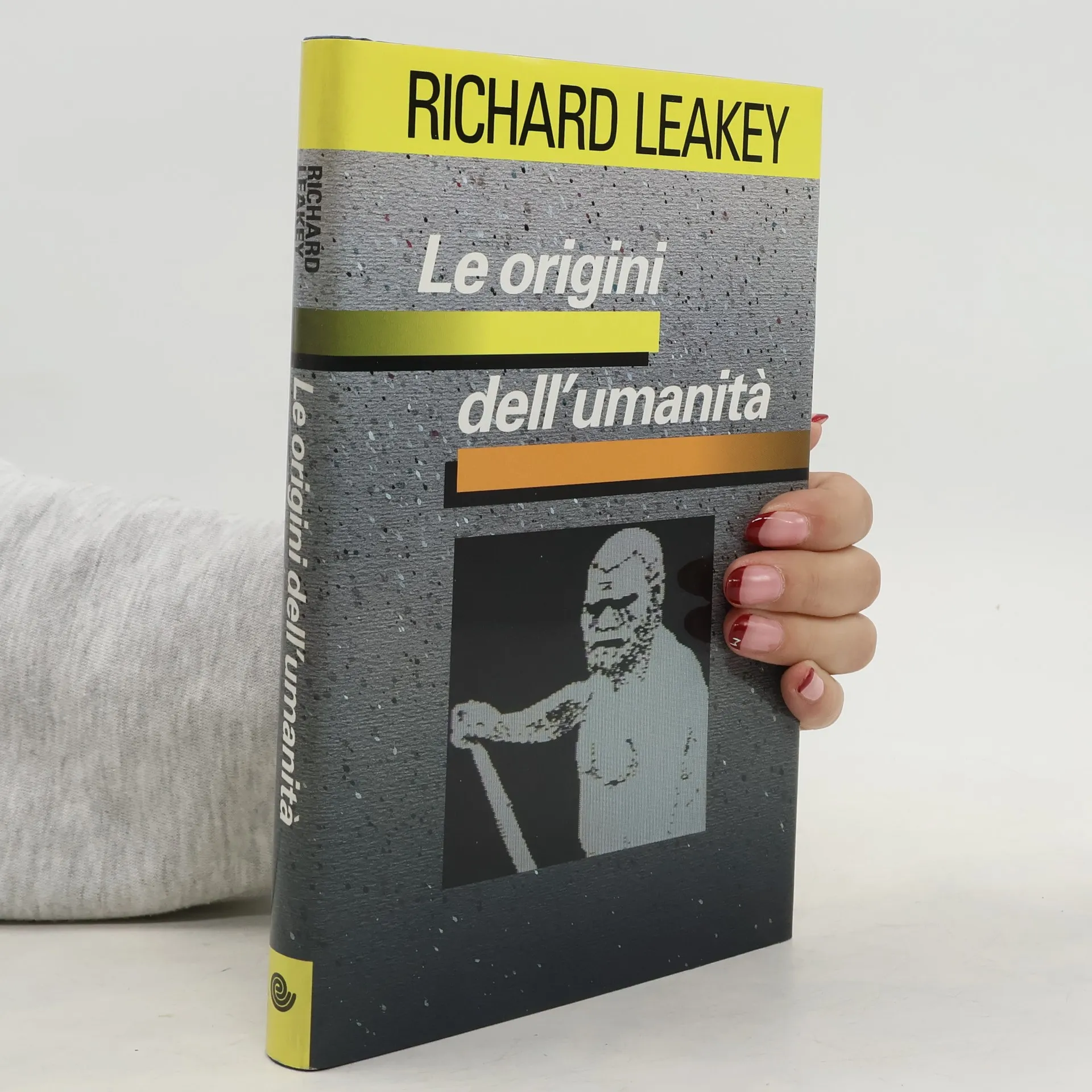
Alla ricerca del nostro antenato più antico
«Dissotterrare lo scheletro completo di un antico progenitore dell'uomo è il sogno di ogni antropologo» afferma Richard Leakey, e per lui questo sogno si è realizzato: la sua vita è una lunga avventura segnata da alcuni degli episodi più significativi della paleoantropologia moderna. In questo libro Leakey ricostruisce, insieme con la sua storia, quella delle più importanti acquisizioni di questa scienza, facendo il punto sulle nostre conoscenze riguardo la comparsa dell'uomo sulla terra, le sue caratteristiche fisiche, i luoghi in cui vivevano i nostri progenitori: un panorama completo che giunge fino all'analisi delle prime forme di organizzazione sociale, alla comparsa e al significato dell'arte preistorica e alla conquista dell'elaborazione del linguaggio. Il lettore troverà quindi in questo libro non solo la storia dell'evoluzione che ha visto nel corso di milioni di anni la progressiva affermazione di caratteristiche materiali decisive come il bipedismo, ma anche il racconto di come, contemporaneamente, abbia preso forma nell'uomo una qualità fondamentale e misteriosa: la coscienza del proprio essere.