

Diese 3. Auflage des 1. Teils der Speziellen Zoologie wird weiterhin das maßgebende Lehrbuch der Systematischen Zoologie für Studierende der Biowissenschaften sein. Während die Systematisierung der eukaryotischen Einzeller umfangreiche Umstellungen erforderlich gemacht hat, erreicht die Großgliederung der Metazoa einen hohen Grad an Verlässlichkeit. Die wichtigsten Neuerungen sind die Auftrennung der Protostomia in die Spiralia (=Lophotrochozoa) und Ecdysozoa, die Herausnahme der Acoelomorpha aus den Plathelminthes und ihre Zusammenführung mit "Xenoturbella" als Xenacoelomorpha sowie die Auflösung der Articulata in Anneliden und Arthropoden mit der Neukonzeptierung der Annelida u.a. durch die Aufnahme auch der unsegmentierten Sipuncula. Auch alle übrigen Kapitel erhielten eine Überarbeitung durch ihre bisherigen Autoren bzw. durch neue Koautoren. Das Abbildungsmaterial wurde verbessert oder ergänzt, darunter die für dieses Lehrbuch charakteristischen Stammbaumschemata.
Wilfried Westheide Bücher
Spezielle Zoologie. Teil 1. Einzeller und Wirbellose Tiere - 2. Auflage
- 1008 Seiten
- 36 Lesestunden
Die 2. Auflage des Lehrbuchs zur Speziellen Zoologie behandelt die Entwicklungsgeschichte, Morphologie, Fortpflanzung und Systematik der Tiere. Sie reflektiert die Auseinandersetzung zwischen traditioneller Morphologie und molekularer Phylogenie. Neue morphologische Details und Systemmodifikationen, insbesondere bei Eukaryoten und Metazoen, werden vorgestellt. Über 200 neue Abbildungen ergänzen das Werk.
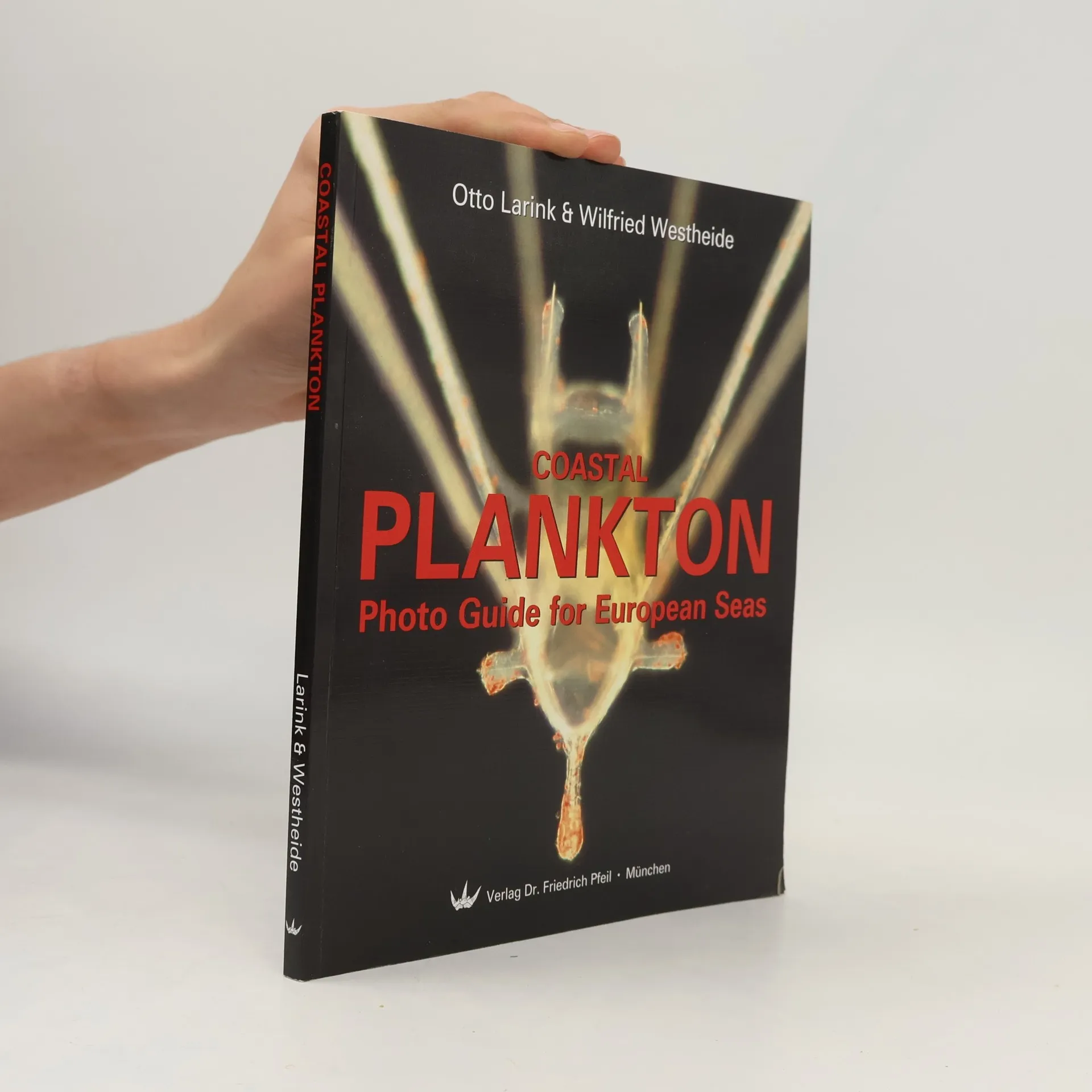
Each glance into a marine plankton sample is a look into a fantastic world for anyone who wants to study protists and invertebrate animals. Nowhere is it possible to observe with a simple device such a variety of forms and taxa, developmental stages and adaptations as in a Petri dish with a small plankton sample placed under a light microscope. This book, with more than 600 micro- and 40 macrophotographs on 60 colour plates, is an introduction to the most important and most common taxa present in the plankton, and it allows the identification even of numerous common species. 117 micrographs demonstrate characteristic forms of the phytoplankton, 70 of protozoans, more than 300 show larvae and other developmental stages, and about 90 show holoplanktonic adults of the zooplankton. The comprehensively annotated pictures are taken from living organisms, during marine excursions, mainly from the North Sea coastal area but also from other European coastlines, including the western Mediterranean. The book, therefore, is excellently suited to be used in such university courses for students of zoology and marine biology as well as for their teachers, but it is certainly also a comprehensible guide for any amateur microscopist and interested layperson.