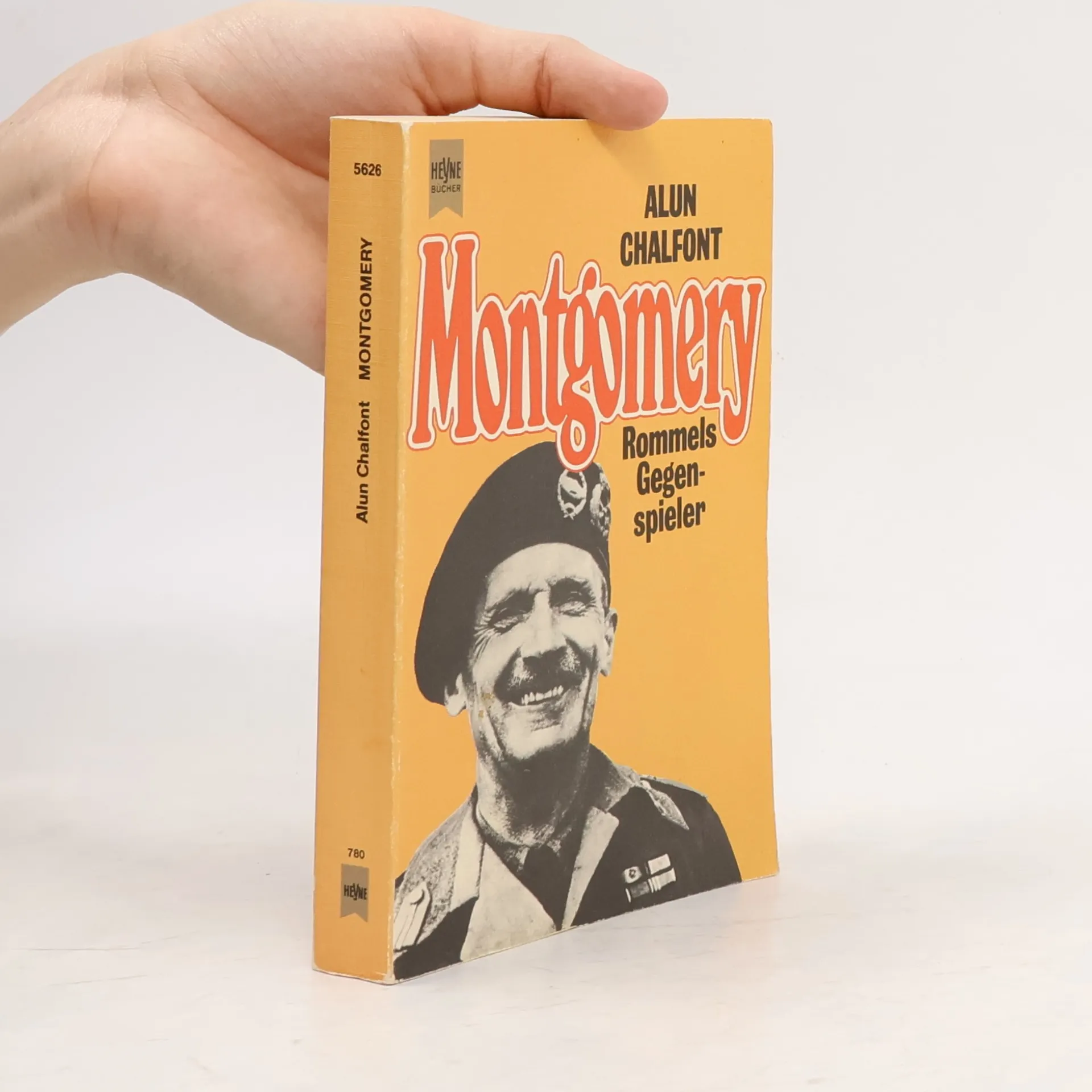
Montgomery
- 410 Seiten
- 15 Lesestunden


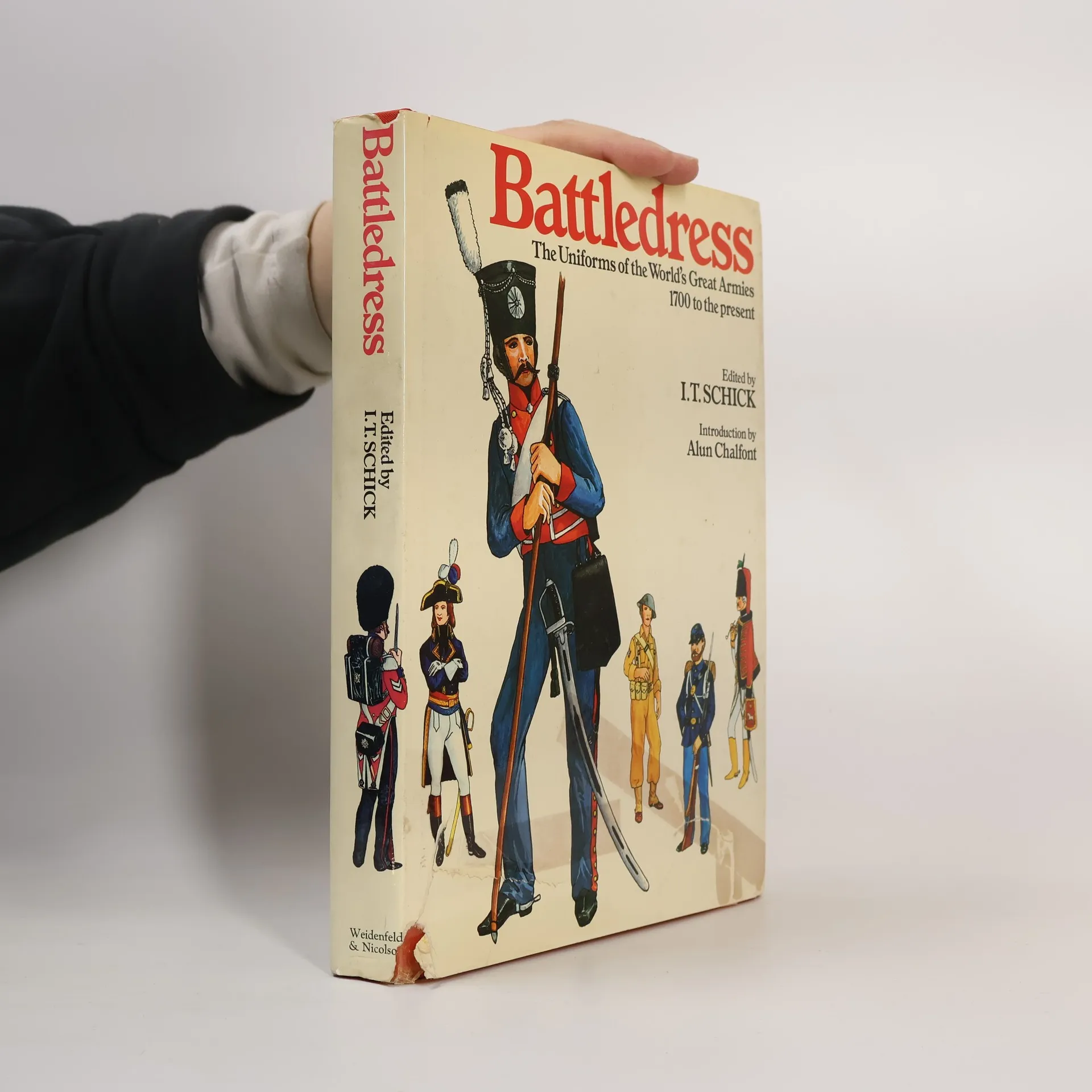
The advantages of a standardized uniform are perhaps very obvious to us in the twentieth century - easy identification of friend or foe and better discipline, to name but two - but the idea of 'uniform' only appeared with the standing army of the late seventeenth century, and the word 'uniform' did not reach Germany from France until the eighteenth century. This book traces the development of the uniforms of the great armies of the world from the Wars of European Succession to the Atomic Age; from the irregular and sometimes not very practical garb of the armies of the eighteenth century to the highly sophisticated and well-camouflaged uniforms and machinery with which we are familiar today. Not only are the essential types of uniforms methodically described but the history as well as the psychology of uniform is discussed by leading experts in the field. This book is also a remarkable artistic achievement; its 96 pages of full color include over 700 original drawings of individual soldiers by Wilhelm von Halem - a German painter with a lifelong interest in historical uniforms and customs - as well as splendid battle scenes by some of the world's most authoritative painters. There are also 60 black and white paintings and engravings.
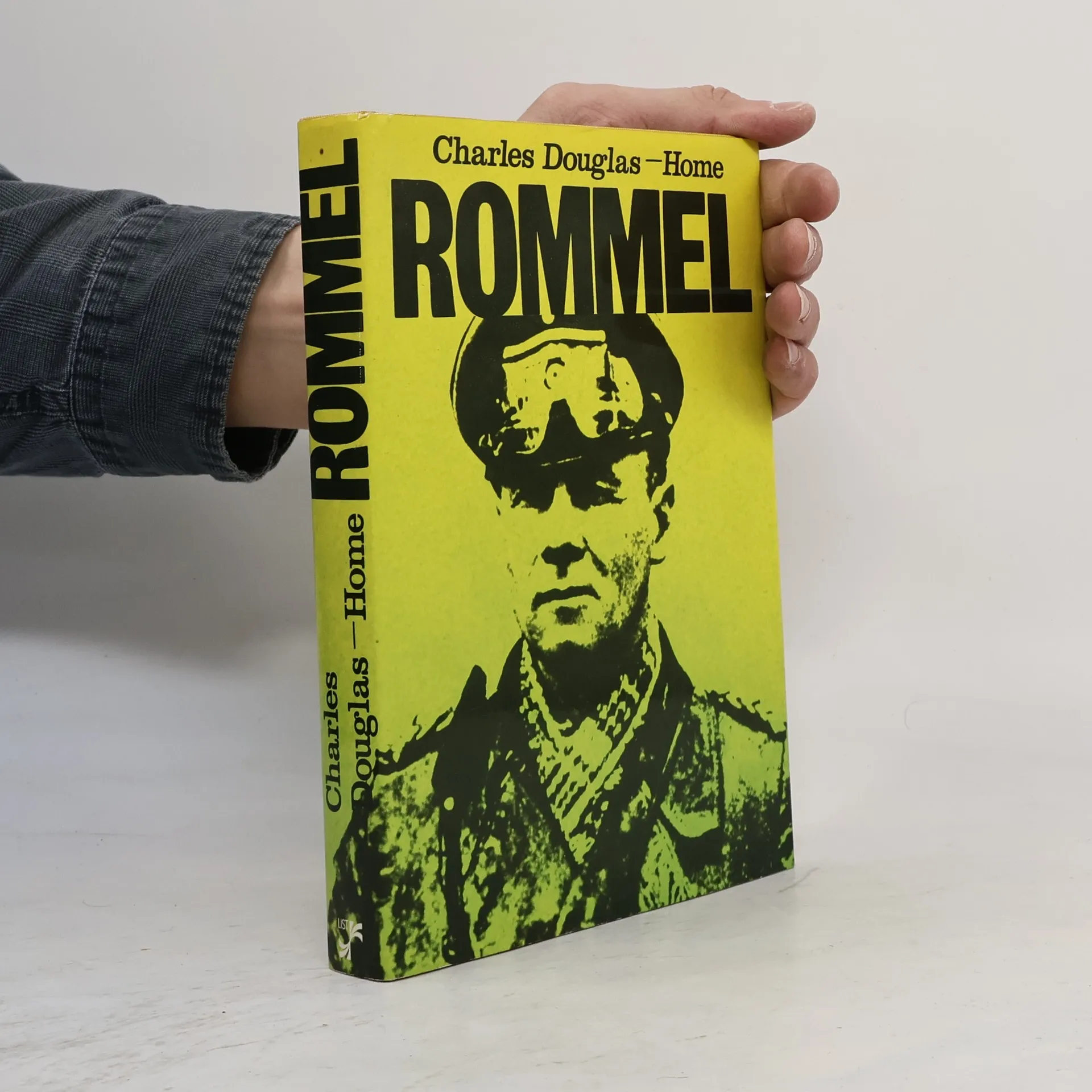
Rommel hebt sich als einzigartige Figur in der deutschen Militärgeschichte hervor, bekannt für seine Kühnheit und einfallsreiche Herangehensweise an die Kriegsführung, vergleichbar mit den größten Kommandanten. Er stammte aus einem militärischen Mittelstandshintergrund in der Provinz Deutschland und erlebte den Zusammenbruch des Bismarckschen Zweiten Reiches 1918, die Kämpfe der 1920er Jahre und den Aufstieg von Hitlers Regime, was im Chaos des Zweiten Weltkriegs gipfelte. Trotz der turbulenten Politik seiner Zeit schien Rommel von deren Einflüssen isoliert zu sein und offenbarte sein außergewöhnliches militärisches Können nur im Gefecht, wodurch er sein Erbe in der Militärgeschichte sicherte. Dieses Buch bietet eine neue Perspektive auf Rommels taktisches Genie und den Mythos, der den Führer des Afrika Korps umgibt. Es beleuchtet bedeutende Ereignisse wie den Vorstoß seiner „Geisterdivision“ durch Frankreich im Mai und Juni 1940, seinen erfolglosen Versuch, Tobruk im November 1941 zu erobern, die Gazala-Boxen im Mai und Juni 1942 sowie die entscheidenden Schlachten von El Alamein und Kasserine im Februar 1943. Der Autor untersucht Rommels Charakter, Führungsqualitäten und die Gründe für seine fesselnde Präsenz sowohl für die Alliierten als auch für die Achsenmächte.
Peter Green discusses the personality and achievements of Alexander the Great, and continues with the military and political violence of the successor-kingdoms that fought over his inheritance.
Report of a Study Group of the Institute for the Study of Conflict
Book