Gratis Versand ab € 14,99. Mehr Infos.
Bookbot

Max Seidel

    9. Februar 1940
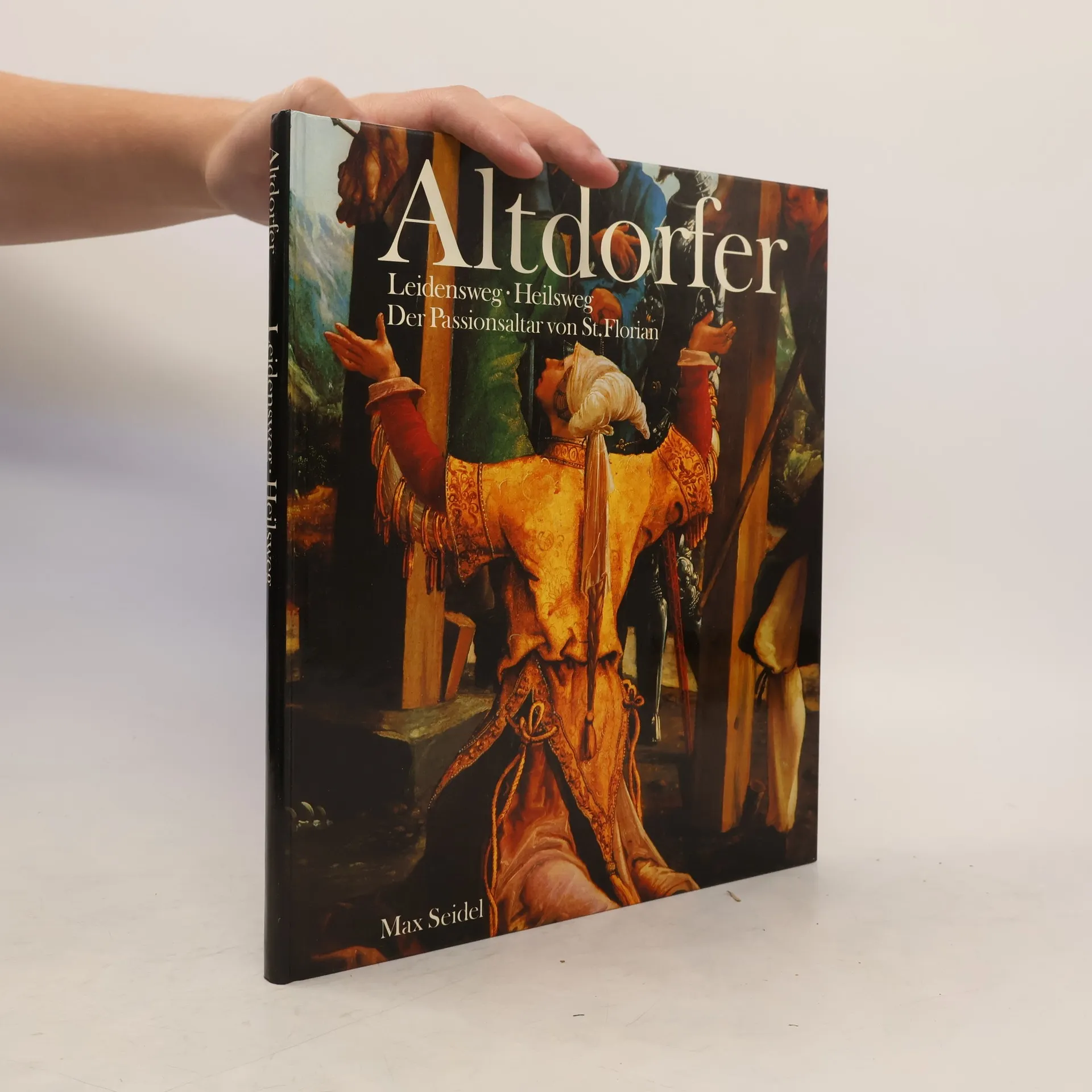
    Altdorfer: Leidensweg. Heilsweg. Der Passionsaltar von St. Florian
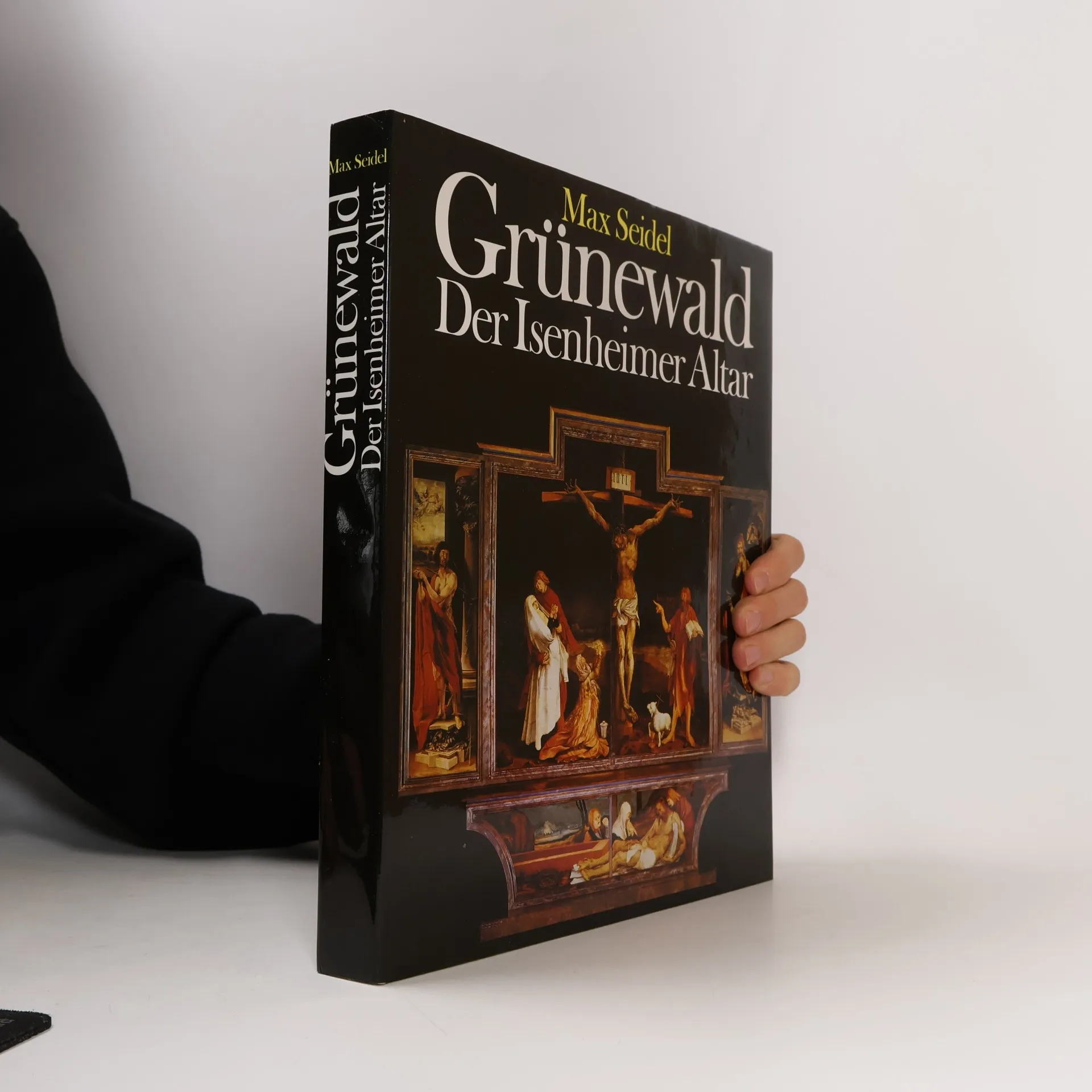
    Grünewald
    Grünewald
    Neue Bilder vom Benediktinerkloster Ettal
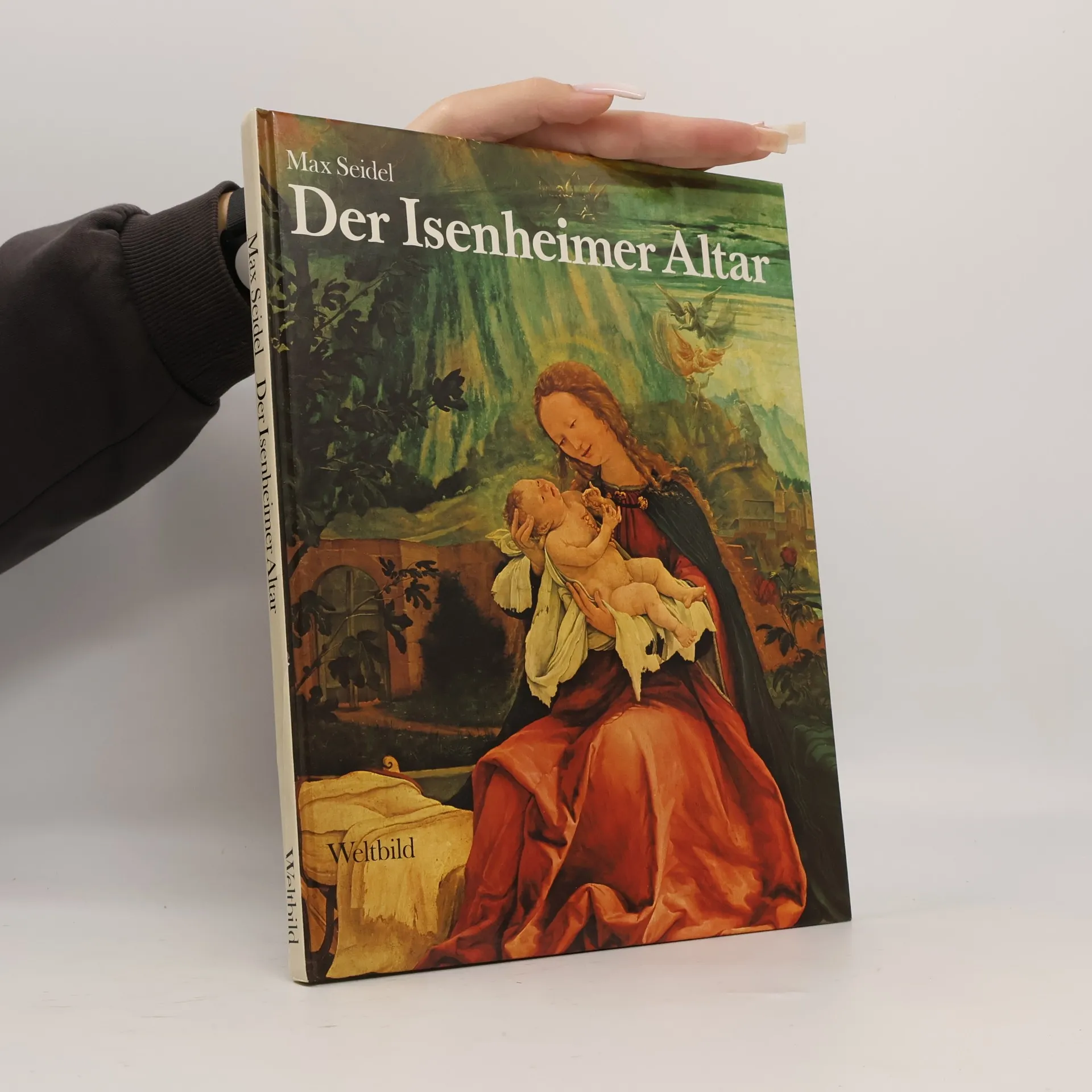
    Der Isenheimer Altar
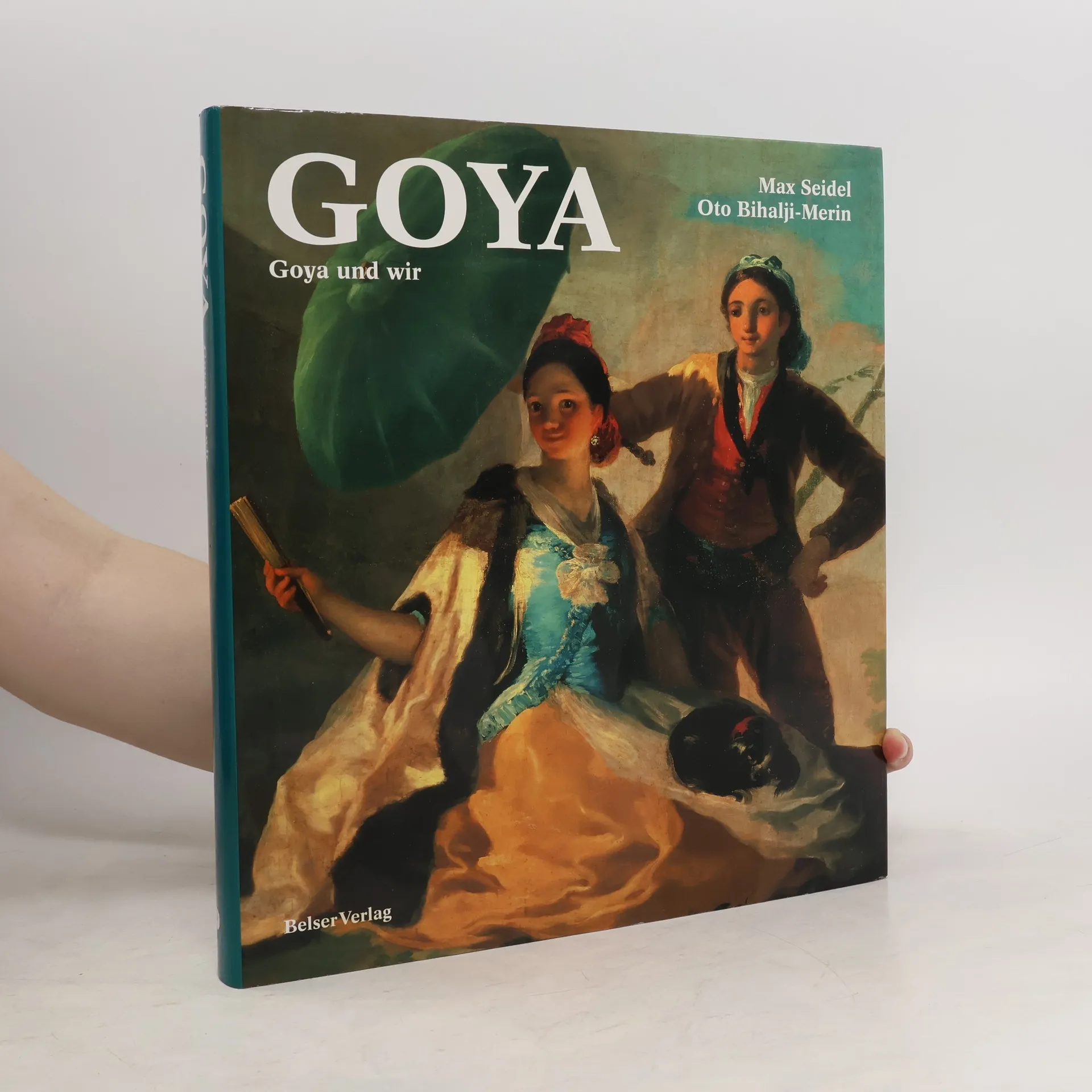
    Goya und wir
    • Father and son

      • 521 Seiten
      • 19 Lesestunden

      The father and son team of Nicola and Giovanni Pisano are among the most important sculptors of the thirteenth-century Italian Gothic, and their work - especially the ornately carved pulpits in Italy's Pisa and Siena Cathedrals - continues to inspire wonder and awe. Never before - nor since - have a father and son met on an artistic level in quite this way, and this two-volume set goes beyond a typical biography to explore this fascinating collaboration. Drawing on extensive new archival research, Max Seidel offers a broad examination of both artists' styles, paying particular attention to the emergence of Giovanni Pisano's practice under his father's guidance and the social and iconographic aspects of both artists' work. The Pisanos' sculptures in France and Rome are of paramount importance to the development of their styles and Seidel therefore treats them in considerable depth. The second volume comprises five hundred newly-published illustrations, making this a truly comprehensive overview of these two masters of European sculpture.

      Father and son2012
      4,0
    • This study, covering almost a thousand years of art history in Lucca, also provides a model for a wider investigation of the political iconography of the Italian city-states, of which Lucca is a particularly relevant example. Max Seidel, Professor of Art History at several European universities, and director of the Art Institute of Florence, is one of the most respected authorities of the arts of the Middle Ages. Romano Silva, director of the Istituto Storico Lucchese, is known as one of the foremost experts in the area of Italian Art History.

      The Power of images, the images of power2007
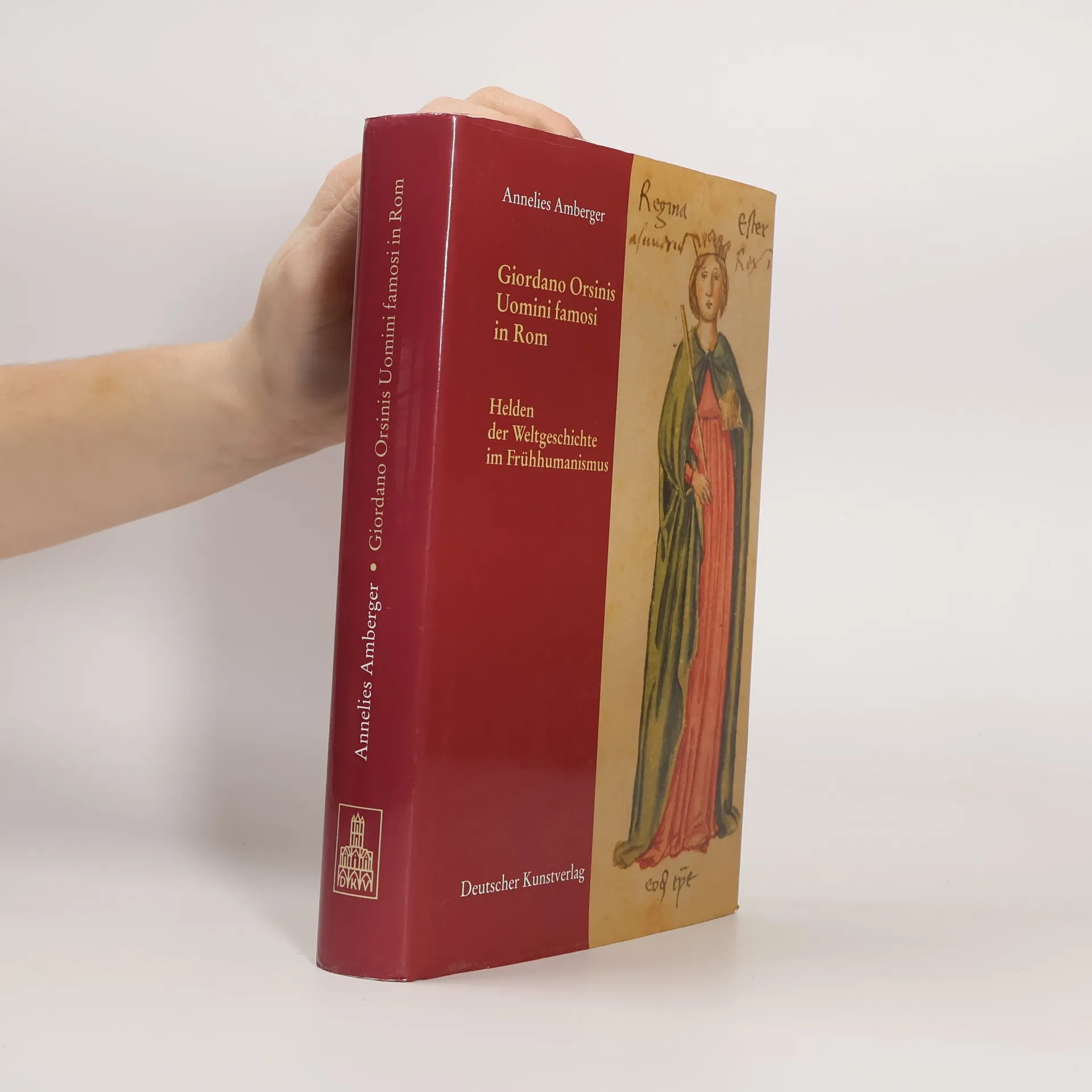
    • Kardinal Giordano Orsini ließ 1432 seinen Palast auf dem Montegiordano in Rom mit einem Freskenzyklus ausstatten, der in Form einer Uomini-Famosi-Reihe eine nach sechs Weltaltern systematisierte Weltchronik darstellte. Die Figurenfolge umfaßte etwa 400 Personen, beginnend mit Adam und Eva und endend mit dem Mongolenkhan Tamerlan. Der schon von Filarete in seinem Architekturtraktat beschriebene Wandzyklus ist nicht erhalten, jedoch aus sechs illustrierten und zwei, die Bildbeischriften überliefernden, Handschriften vollständig bekannt. Die Bilderhandschriften können funktional neu bestimmt Eine Handschrift diente als Entwurf für das Bildprogramm, eine weitere Handschrift lag den Wandmalern als Vorlage für die Übertragung auf die Wand vor. Bildquellen und literarische Vorbilder lassen sich in Protagonistenchroniken in der Art des Paolino Minorita, in illustrierten Chroniken vorangestellten Genealogien finden sowie in Weltchroniken nach Eusebius Hieronymus, in Exemplareihen und Erfinderkatalogen. Die Figurenreihe zeigte in ihrer repräsentativen Auswahl Helden, die dem im Frühhumanismus vor allem durch Francesco Petrarca und Nicolaus Cusanus neu bestimmten Menschenbild entsprechen.

      Italienische Forschungen des Kunsthistorischen Institutes in Florenz, I Mandorli - 3: Giordano Orsinis Uomini Famosi in Rom2003
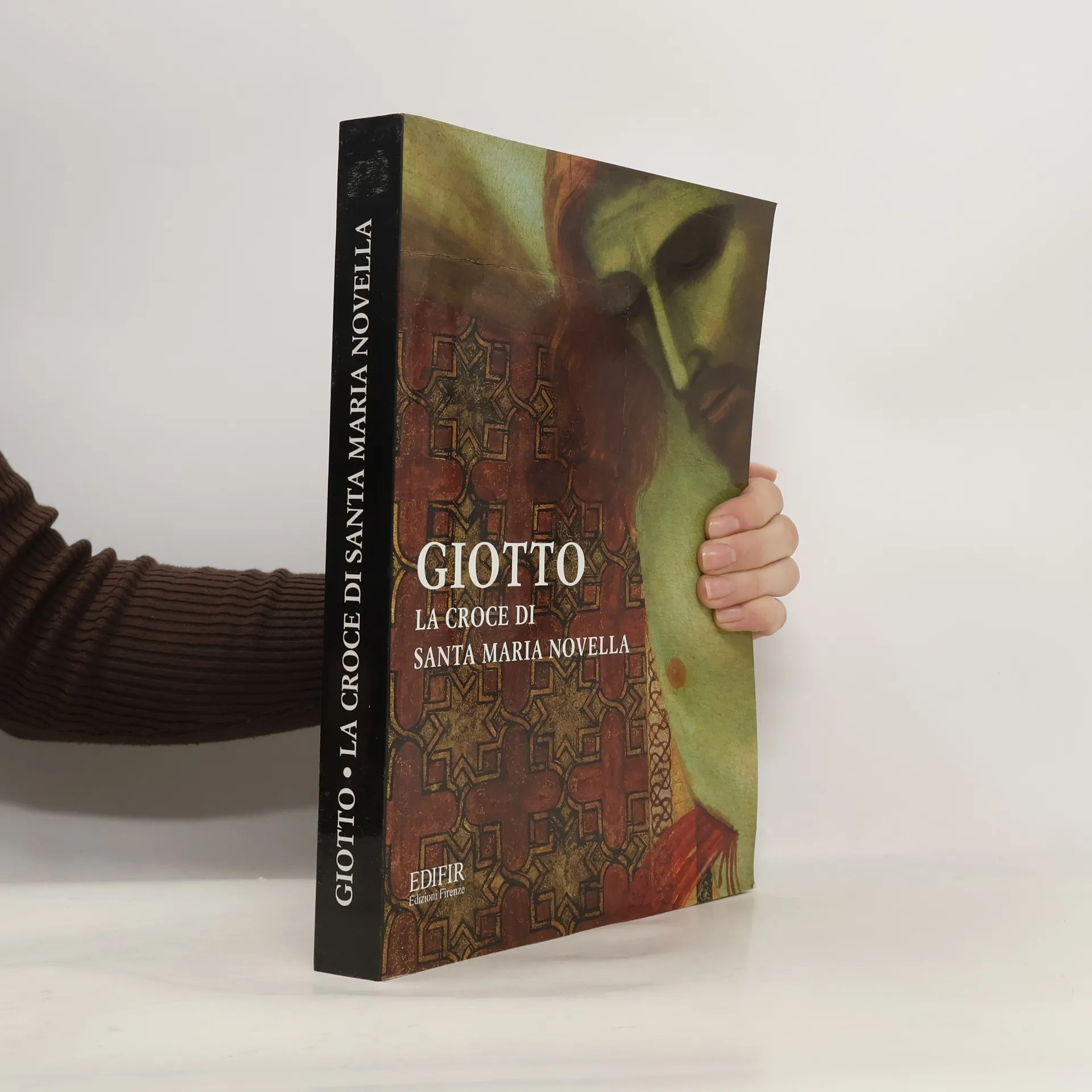
    • Giotto

      La croce di Santa Maria Novella

      • 412 Seiten
      • 15 Lesestunden
      Giotto2001