

Exploring the neurobiological foundations of language, this book argues that distinct brain differences among species may explain the unique human ability to communicate. It delves into how these biological variations influence language development and processing, providing insights into the interplay between brain structure and linguistic capabilities. Through a detailed examination, it highlights the significance of these differences in understanding the evolution of language in humans.
Angela D. Friederici Reihenfolge der Bücher (Chronologisch)

This work explores the acquisition and representation of structured and unstructured information, beginning with the cognitive processes involved in language and rule formation. It examines how words function as mental computation programs and the role of prosodic and morpho-syntactic elements in first language acquisition. The application of rules during language comprehension is analyzed in both adults and children, alongside insights into rule-related knowledge in avian song systems. The text further investigates how structure is represented and learned in perceptuo-motor event sequences and the ontogenetic changes in rule formation under unpredictable environmental conditions. The second section delves into the perception and representation of visual-spatial and temporal information. It presents new findings on motion perception and imagery derived from functional magnetic resonance imaging studies, as well as the recognition memory of objects and spatial locations, highlighting the differences between figural and verbal representations. Additionally, it addresses the processing of temporal versus spatial information and examines spatial representations in small-brained insect navigators, including ant algorithms. The study of memory in insects, particularly honeybees, is also discussed, focusing on elementary and configural forms of memory. The work concludes with a list of contributors and a register.
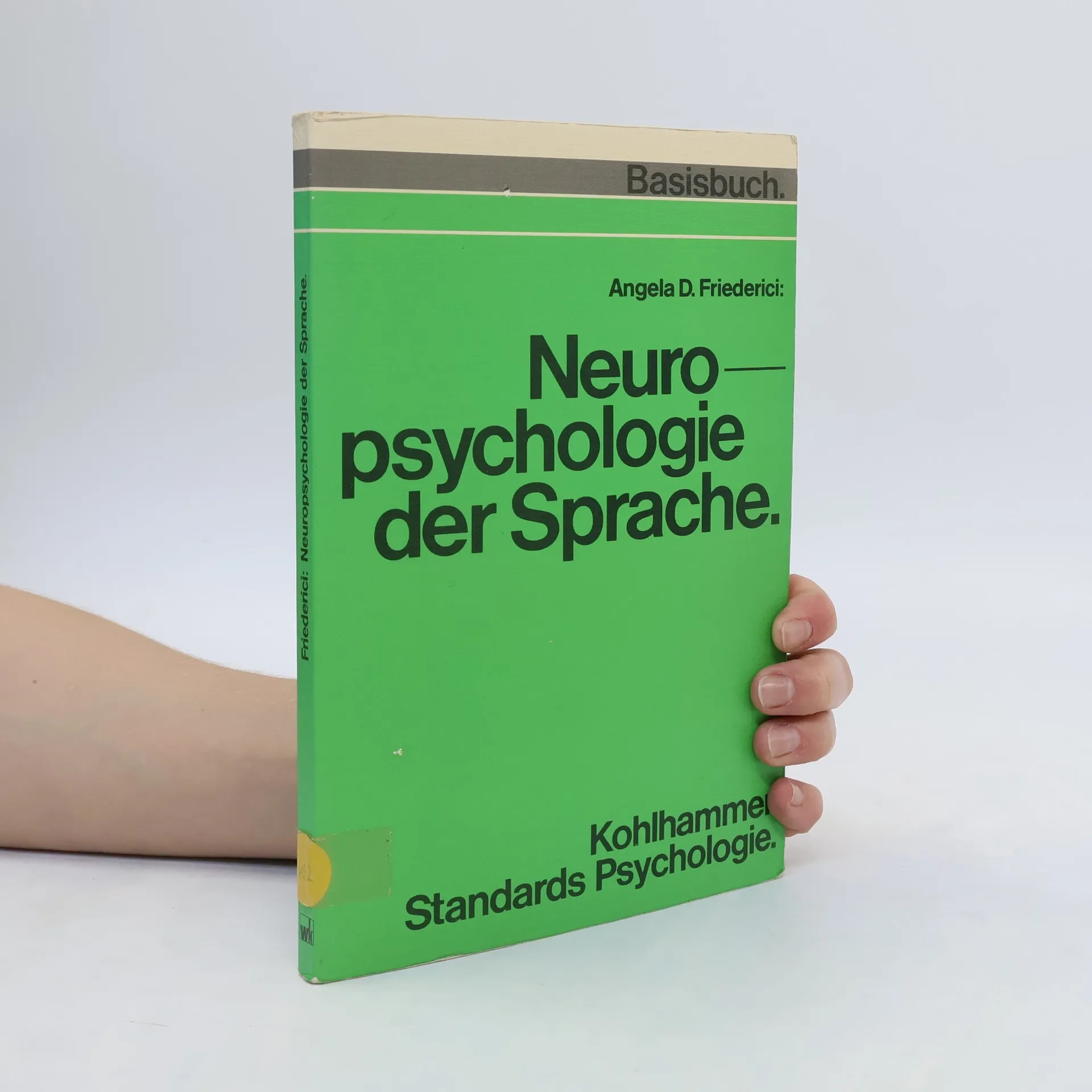
Neuropsychologie der Sprache
- 144 Seiten
- 6 Lesestunden