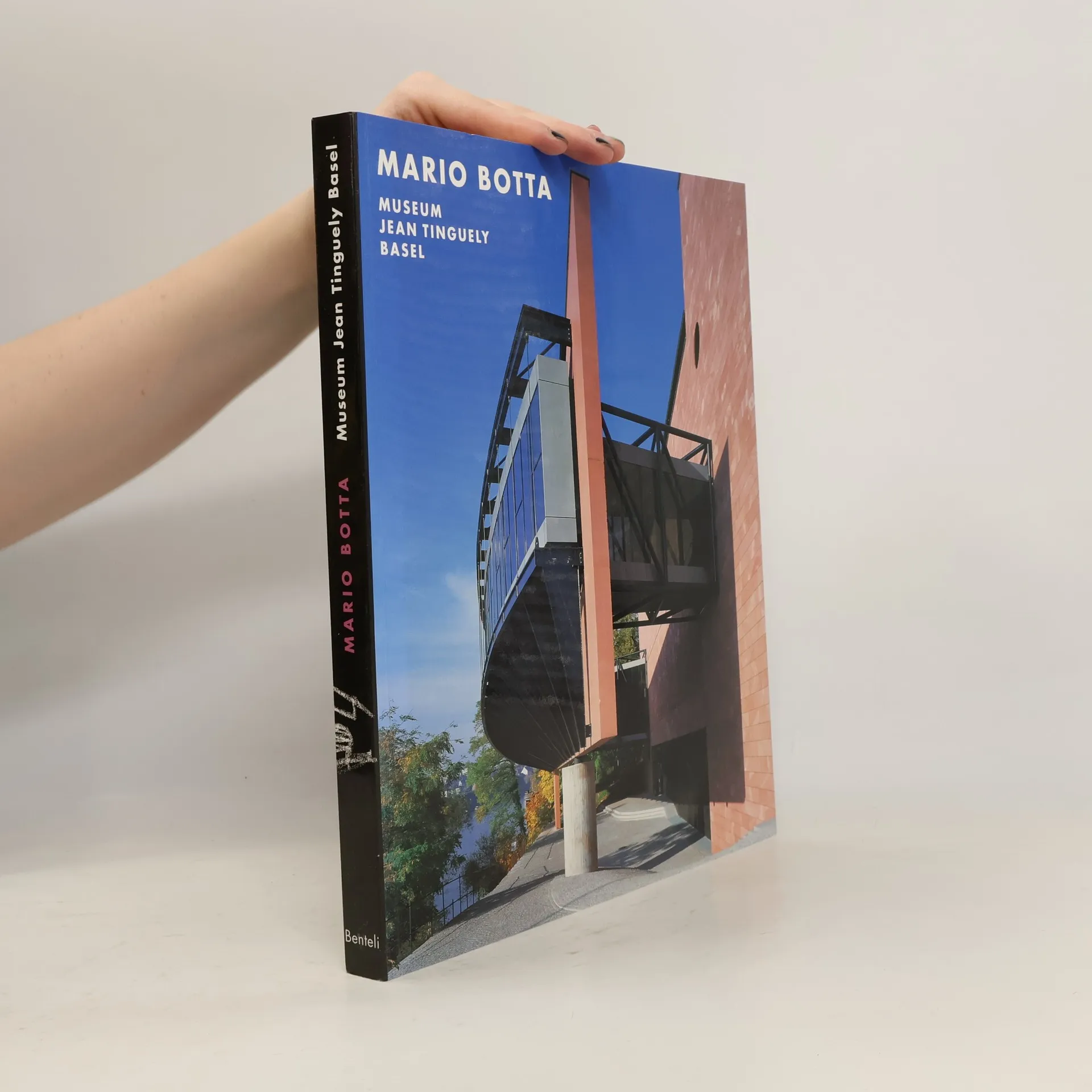
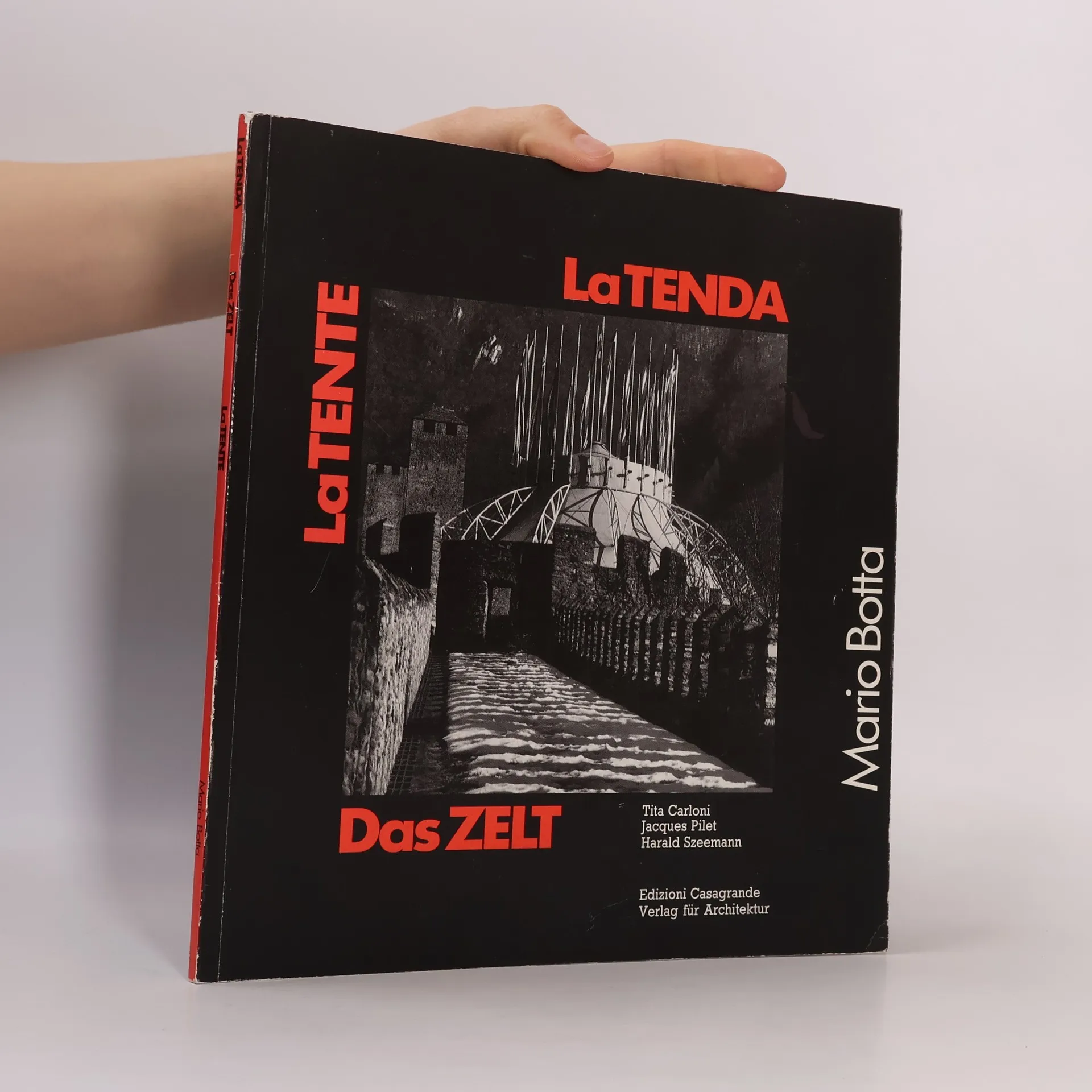
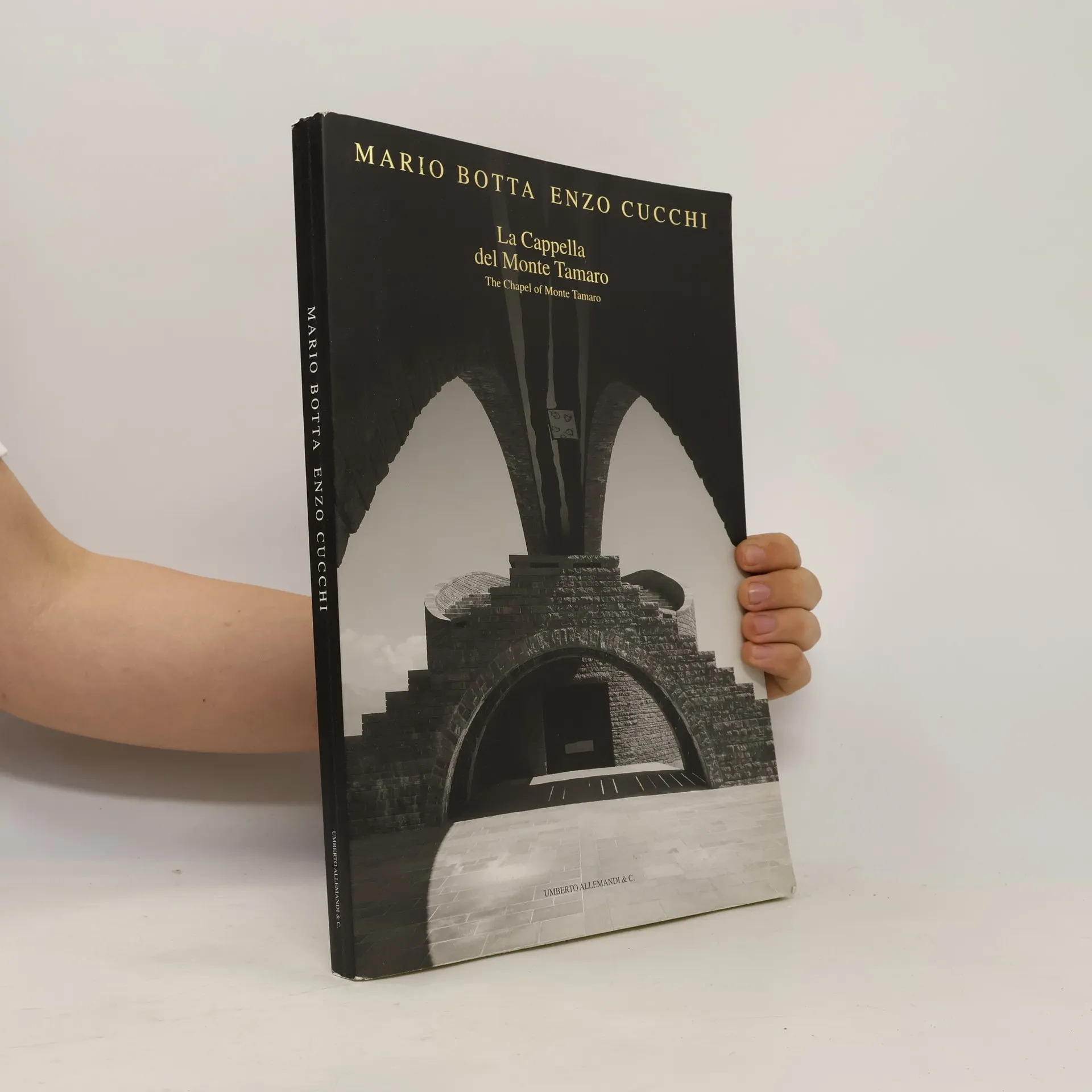
Mario Botta ist ein Schweizer Architekt, dessen Werk Einflüsse von Le Corbusier, Carlo Scarpa und Louis Kahn aufgreift. Sein architektonischer Stil zeichnet sich durch die Erforschung der Beziehung zwischen Raum, Materie und Licht aus, oft mit einem Schwerpunkt auf geometrischer Präzision und Monumentalität. Botta befasst sich mit Fragen, wie Architektur die menschliche Wahrnehmung beeinflusst und wie Raum unsere Erfahrungen prägen kann. Seine Arbeit konzentriert sich häufig auf den Dialog zwischen Neubauten und ihrer bestehenden Umgebung mit tiefem Respekt für den lokalen Kontext.
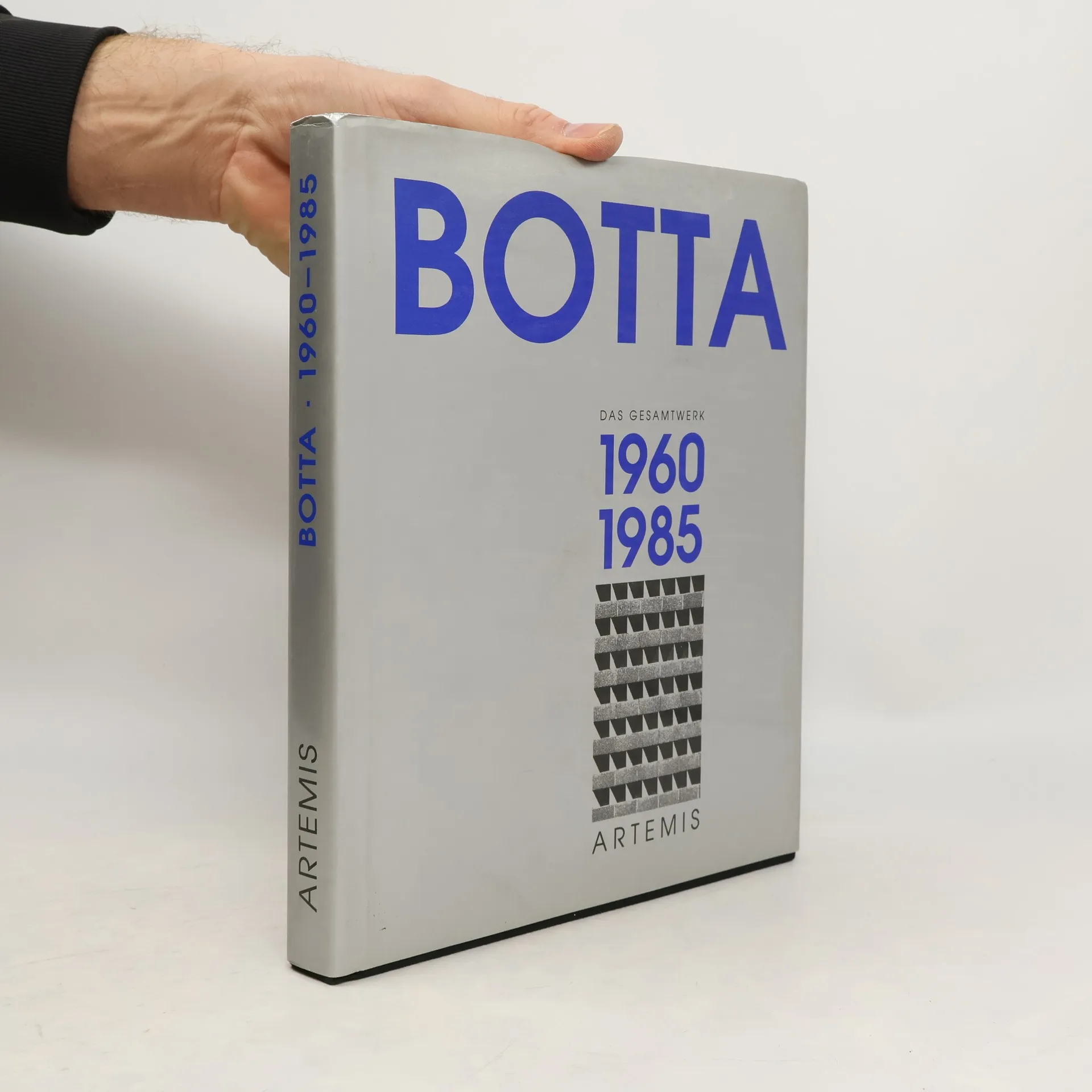
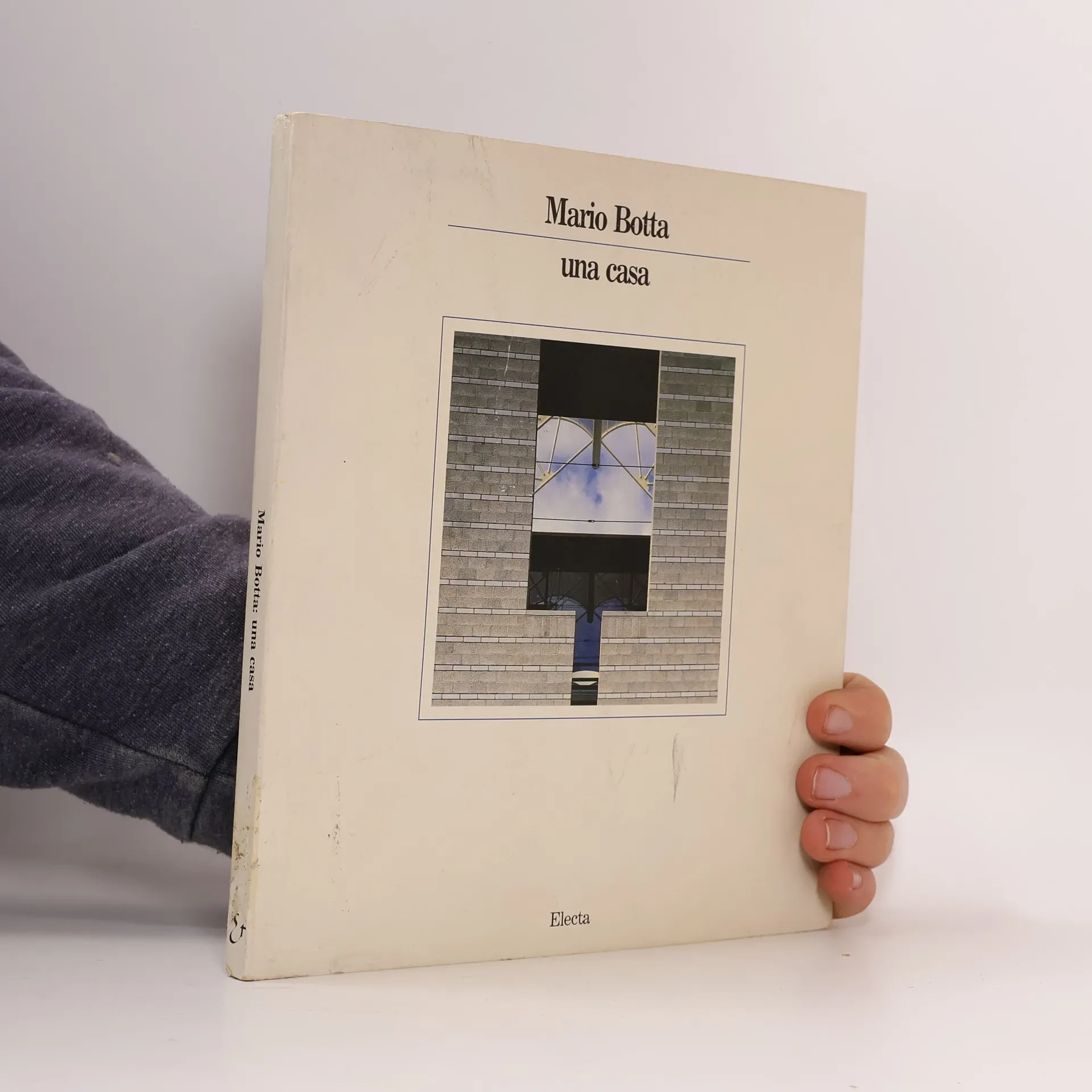
Katalog der schönsten Werke dieses Schweizer Architekten in der Schweiz, in Frankreich, in Italien und in den Vereinigten Staaten. Jedes Gebäude wird präzise beschrieben, und zahlreiche Fotografien belegen seinen architektonischen Stil.
Mario Botta wurde 1943 in der Schweiz geboren. Botta absolvierte eine Ausbildung als technischer Zeichner und war Assistent von Le Corbusier und später von Louis Kahn. 1970 eröffnete er sein eigenes Büro in Lugano, Schweiz. Sein Ansatz ist im Wesentlichen modernistisch und er wurde stark von Carlo Scarpa und Louis Kahn beeinflusst. Bottas Werke zeichnen sich durch Respekt vor topografischen Gegebenheiten und regionalen Empfindungen aus, und seine Entwürfe betonen im Allgemeinen Handwerkskunst und geometrische Ordnung. Er hat versucht, traditionelle architektonische Symbolik mit den ästhetischen Regeln der Moderne in Einklang zu bringen. Botta baute in seiner frühen Karriere ausschließlich in der Schweiz und erlangte internationale Anerkennung für Gebäude wie das Kapuzinerkloster in Lugano, das Handwerkszentrum in Balerna und das Verwaltungsgebäude der Staatsbank in Fribourg.
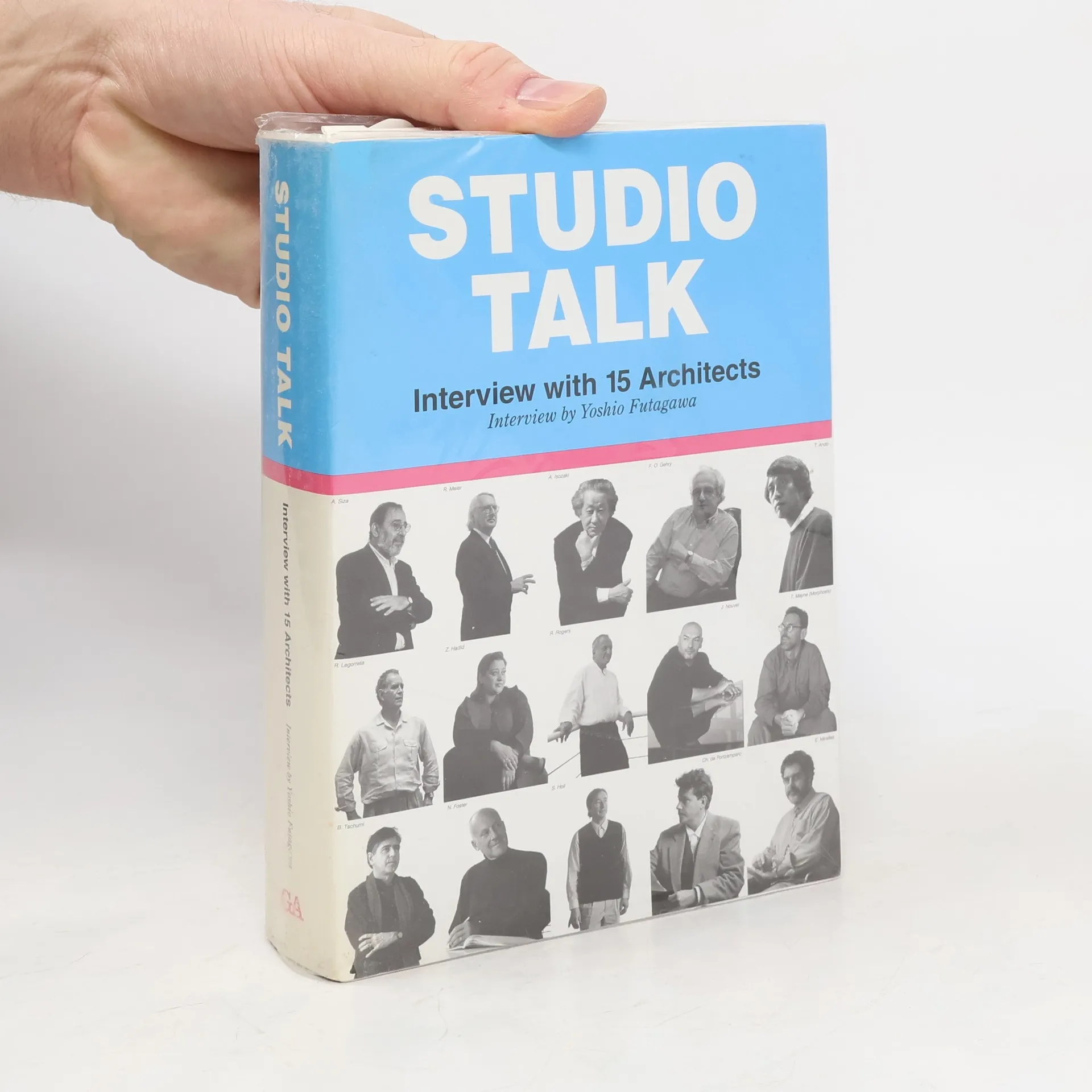
This volume entitled Studio Talk is a collection of 13 interviews that have constituted the first chapter, “Studio”, of each issue of GA DOCUMENT EXTRA series that have been published since 1995, an unpublished interview with Frank O. Gehry originally for the aforementioned series, and an interview with Enric Miralles (GA DOCUMENT #60) who has passed away in 2000.Frank O. Gehry 1929-Arata Isozaki 1931-Ricardo Legorreta 1931-Richard Rogers 1933-Alvaro Siza 1933-Richard Meier 1934-Norman Foster 1935-Tadao Ando 1941-Thom Mayne/Morphosis 1944-Christian de Portzamparc 1944-Bernard Tschumi 1944-Jean Nouvel 1945-Steven Holl 1947-Zaha Hadid 1950-Enric Miralles 1955-2000
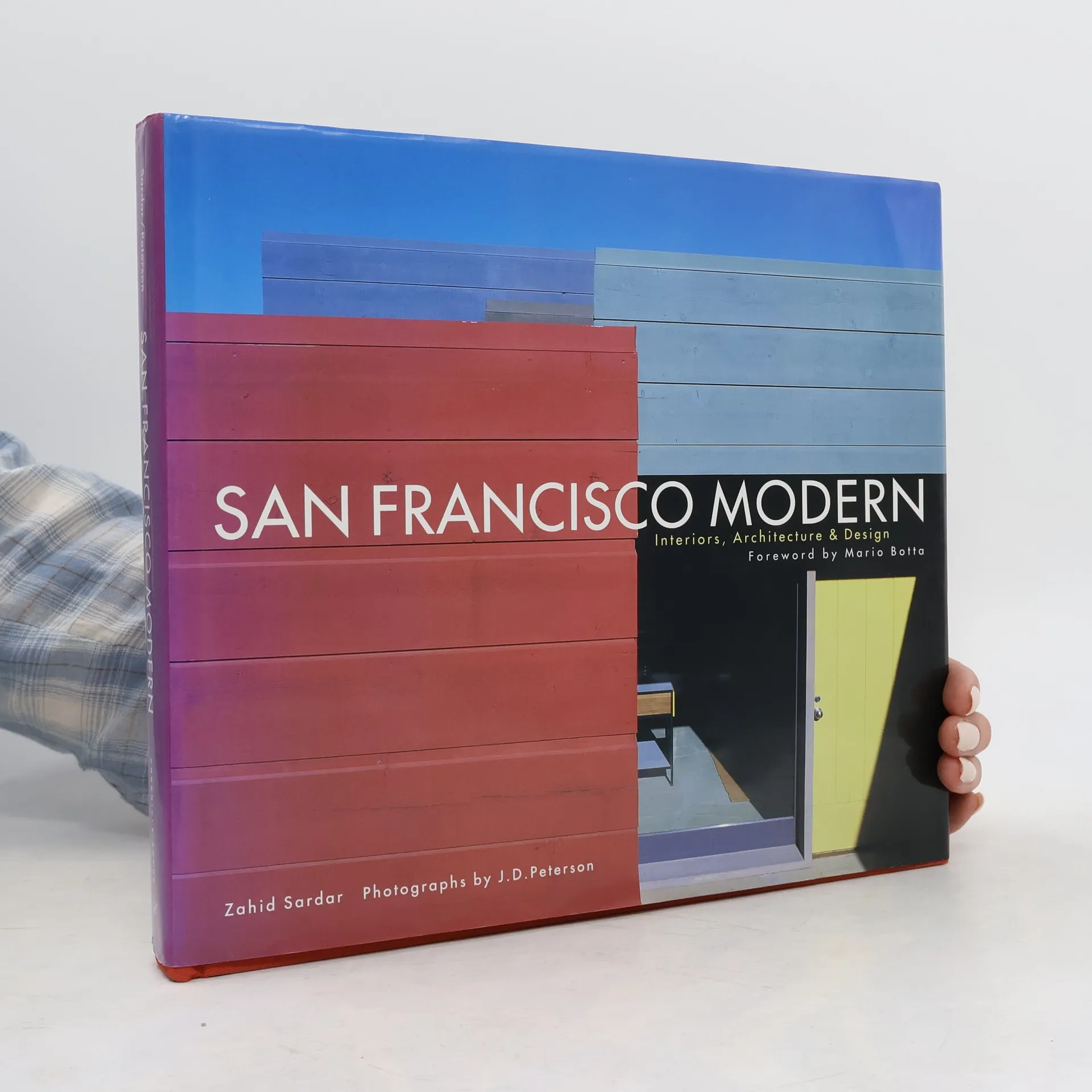
Modernism eschews historical references and ornament in favor of pure forms. In homes and furnishings, this translates into dramatic symmetrical compositions, geometric shapes, and a fondness for open spaces. San Francisco Modern is the first book to survey modernism as it is seen in many magnificent Bay Area residences. Graced with dramatic landscapes and light, San Francisco has inspired some of the world's most creative and influential architects and designers. It has also thoroughly embraced the modern aesthetic. In this richly illustrated tour of some of the Bay Area's most striking homes, author Zahid Sardar unveils 32 premier examples of modernist exteriors and interiors, from apartments on famed Russian Hill to spacious lofts in the funky South of Market district, and from new homes built in Oakland's fire-ravaged hills to stunning houses in the wine country. With a foreword by Mario Botta and an introduction discussing the origins of Bay Area modernism, San Francisco Modern is an impressive sourcebook of contemporary style, one to be embraced by architects and designers as well as home owners looking for inspiration.
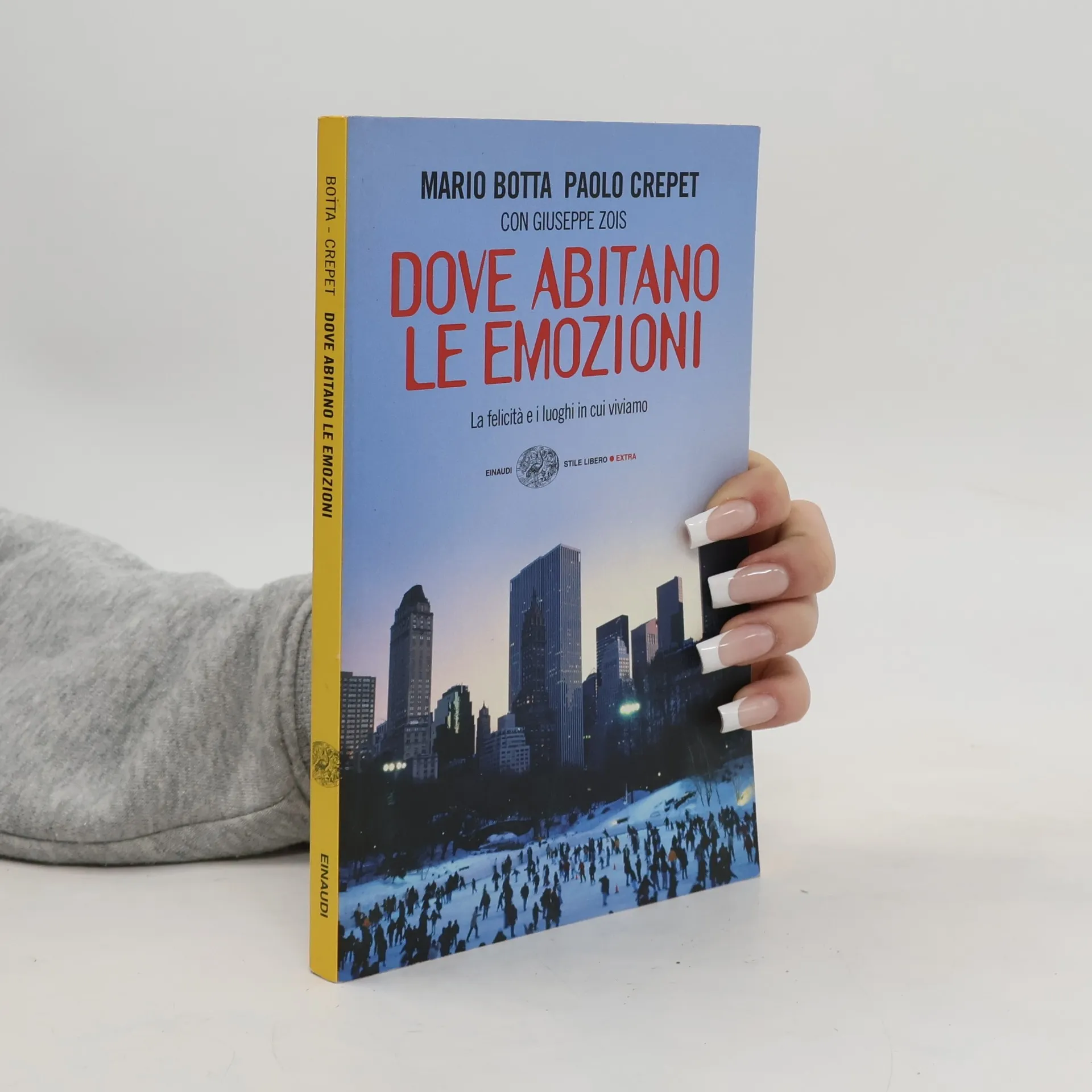
Di fronte al caos e alla fatica del nostro vivere, ripensare la città come luogo dove poter essere felici può sembrare un'utopia: Crepet e Botta dimostrano invece che è possibile. Questo libro contiene infatti una necessaria e attuale riflessione a due voci che attraversa e reinterpreta la mappa degli spazi urbani perché ogni cittadino possa finalmente vivere un tempo non solo produttivo, ma dove emozioni e ricchezza siano strumenti di una nuova convivenza.Il legame tra spazi urbani mal progettati e infelicità è ben conosciuto. Lo psichiatra Paolo Crepet e l'architetto Mario Botta, a colloquio con il giornalista Giuseppe Zois, riannodano il percorso ideale e reale dei luoghi in cui viviamo in cerca non di una vita alienata, ma di una quotidianità gioiosa. Le nostre emozioni dipendono infatti anche e soprattutto dai luoghi in cui passiamo il nostro tempo: i colori, la luce e l'organizzazione degli ambienti possono generare solitudine, benessere, disagio, stimolare creatività o noia, a partire dal luogo piú trascurato e piú indispensabile per la crescita di ogni generazione: la scuola.
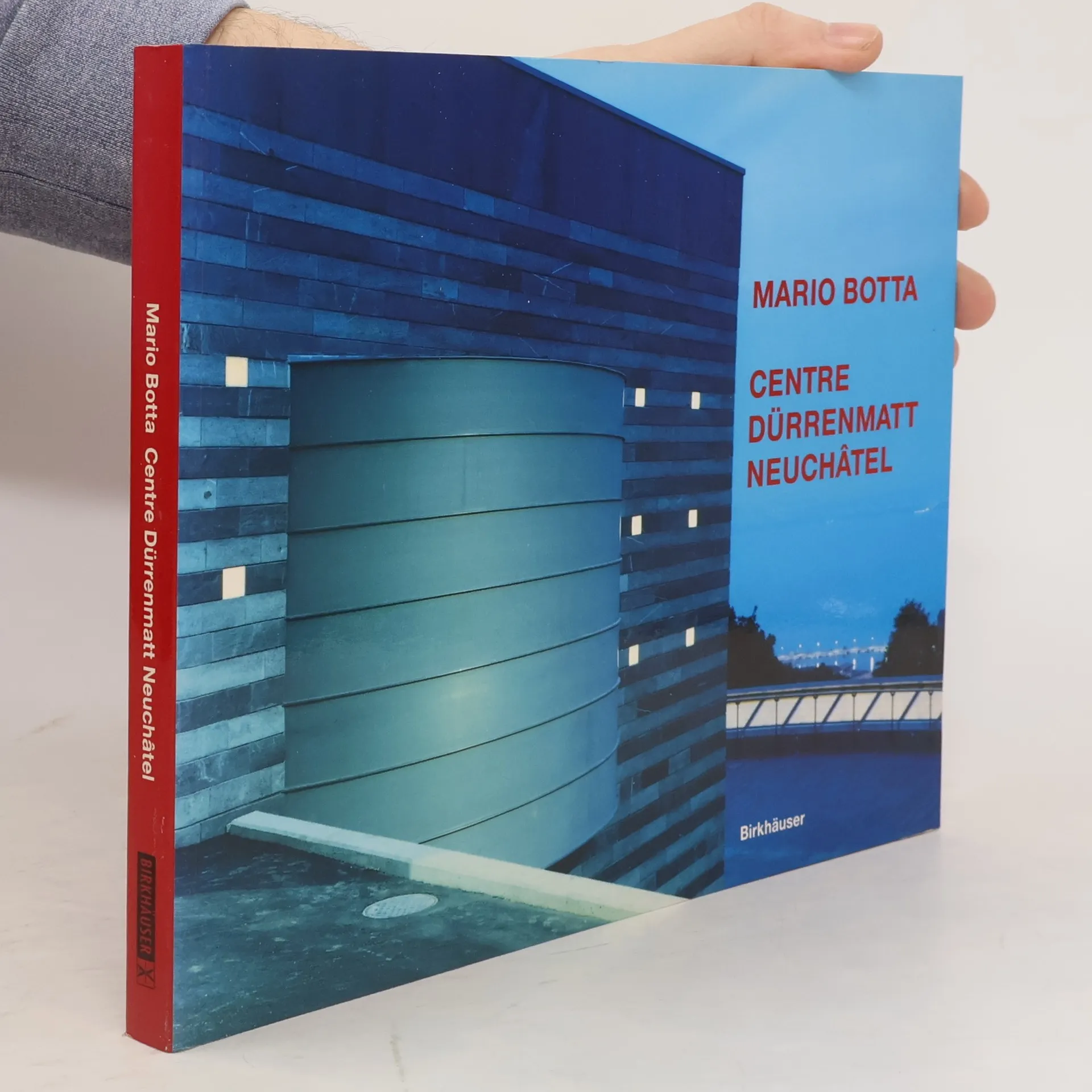
For 40 years, the Swiss writer, Friedrich Dürrenmatt, committed his works to paper from his home which overlooked the beautiful lake Neuchâtel in Switzerland. After Dürrenmatt's death in 1991, Mario Botta began designing a museum which would be a monument to the writer, housing his drawings, paintings and literary artefacts. Skillfully built onto Dürrenmatt's house, the Centre Dürrenmatt is nearing completion and will be opened in autumn 2000. Officially endorsed by the Centre, this publication documents the complete realisation of the building, from its initial conception to the finished museum, using texts, drawings and plans from both Dürrenmatt and Botta. These are accompanied by expressive photographs by Thomas Flechtner. The result is a fascinating appraisal of geographic beauty, genius loci and modern architectural skill sensitively fusing together.