Der Band bietet eine verständliche Übersicht über die Energietechnik in Gebäuden, einschließlich Heizung, Lüftung und Elektrizität. Er behandelt Wärmeerzeugung, Wärmeverteilung, Lüftungstechnik und die physikalisch-chemischen Vorgänge. Zudem werden Aspekte der Gebäudetechnik und deren Einfluss auf Behaglichkeit und Energieverbrauch diskutiert.
In der zweiten Hälfte des 19. Jahrhunderts entstand mit dem Londoner Crystal Palace, dem Münchner Glaspalast und dem Pariser Eiffel-Turm mit seinen vorgefertigten Eisen- bzw. Stahl-Modul-Konstruktionen eine revolutionär neue Bauweise. Ignaz Gridl war einer der ersten Unternehmer Österreichs, der diesen neuen Stahlkonstruktionsbau mit vorfabrizierten Bauteilen konsequent rationalisierte. Entsprechend rasch entwickelte sich die Firma Gridl ab 1860 von einem kleinen Schlossereibetrieb zum führenden Unternehmen. Gegen Ende des 19. Jahrhunderts zeichnete sie - fast konkurrenzlos - für die Mehrzahl der Großbauaufträge der Donaumonarchie verantwortlich. Zu den prominentesten Beispielen der Tätigkeit des Unternehmens zählen u. a. die Kuppeln und Dachkonstruktionen der wesentlichen Wiener Ringstraßenbauten sowie das Palmenhaus in Schönbrunn. Tatsächlich deckte das Unternehmen in seiner Blütezeit von öffentlichen Bauprojekten, wie Brücken- und Eisenbahnbau über Bühnentechnik und Sternwarten, bis zu privaten Gewächshäusern fast alle Bereiche des Eisenkonstruktionsbaus ab. Faszinierende aktuelle Innenaufnahmen von Nora Schoeller werden ergänzt durch umfangreiches historisches Bildmaterial aus den Musteralben der Firma Gridl.
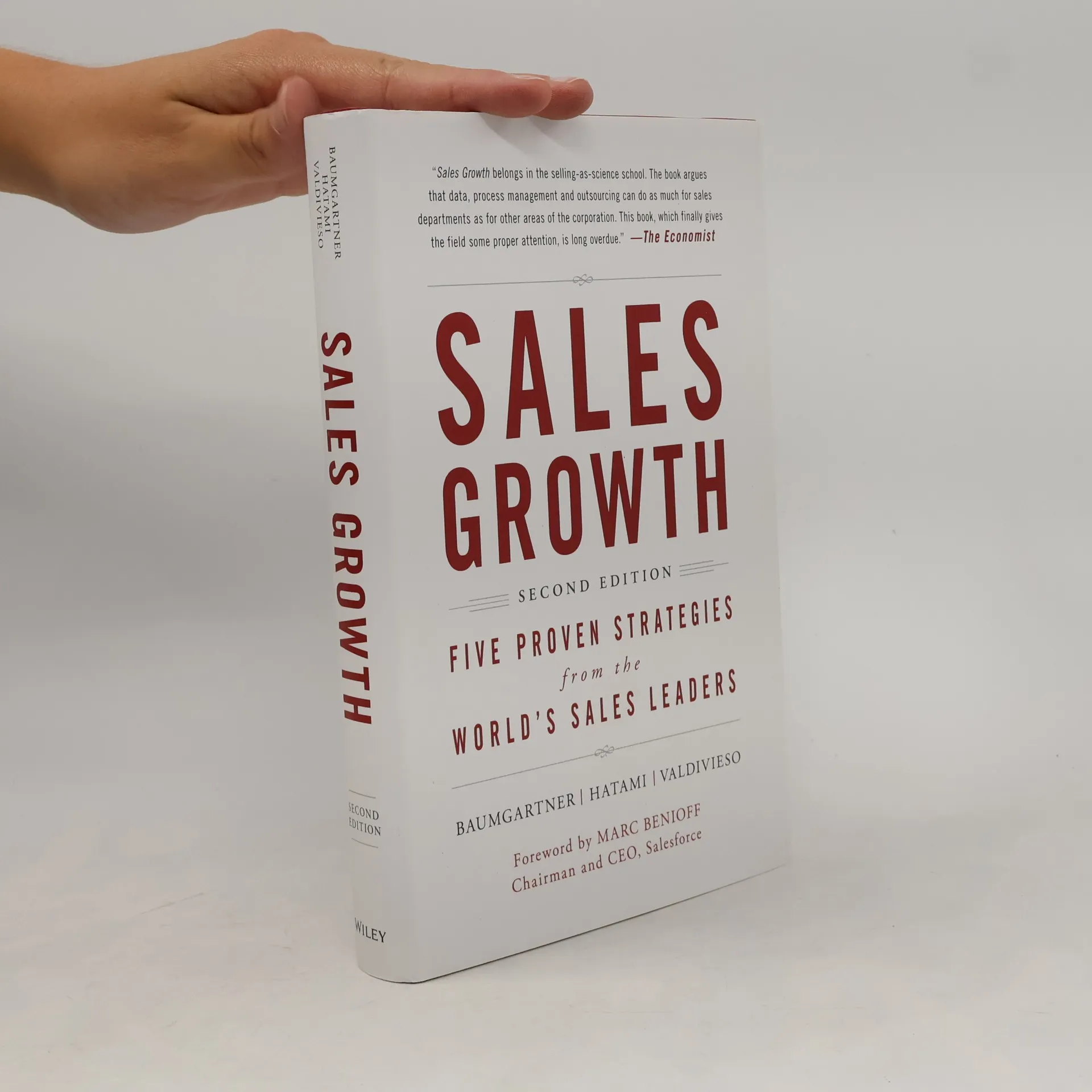
Five Proven Strategies from the World's Sales Leaders - Second Edition
320 Seiten
12 Lesestunden
The challenges facing today's sales executives and their organizations continue to grow, but so do the expectations that they will find ways to overcome them and drive consistent sales growth.
The Application of the Theory of Actor-System Dynamics to Conflict, Social Power, and Institutional Innovation in Economic Life
384 Seiten
14 Lesestunden
Actor-systems dynamics is a multidisciplinary methodology for analyzing social struggles over economic resources and the interplay between economic and socio-political institutions. The authors, sociologists and economists, provide a systemic perspective on contemporary socio-economic issues such as economic crises, unemployment, inflation, and economic democracy. They identify key factors that drive interactions, initiate change, and provoke resistance. Major themes include conflict over economic resource distribution, the structural bases of economic inequality, and the shaping of socio-economic institutions, alongside the contradictions and instabilities these developments evoke. The text critiques orthodox economic theories, including Keynesianism, for their inadequacy in addressing recurrent economic crises. It presents an open, dynamic actor-oriented systems theory grounded in social sciences, diverging from conventional economics. The collected papers explore social power, conflict, and struggle related to economic resources and institutions, as well as the structural factors that drive initiatives, conflict, and social innovation. This work is aimed at a broad audience of social and managerial scientists interested in socio-economic issues, institutions, and development.