Marco De Michelis Bücher
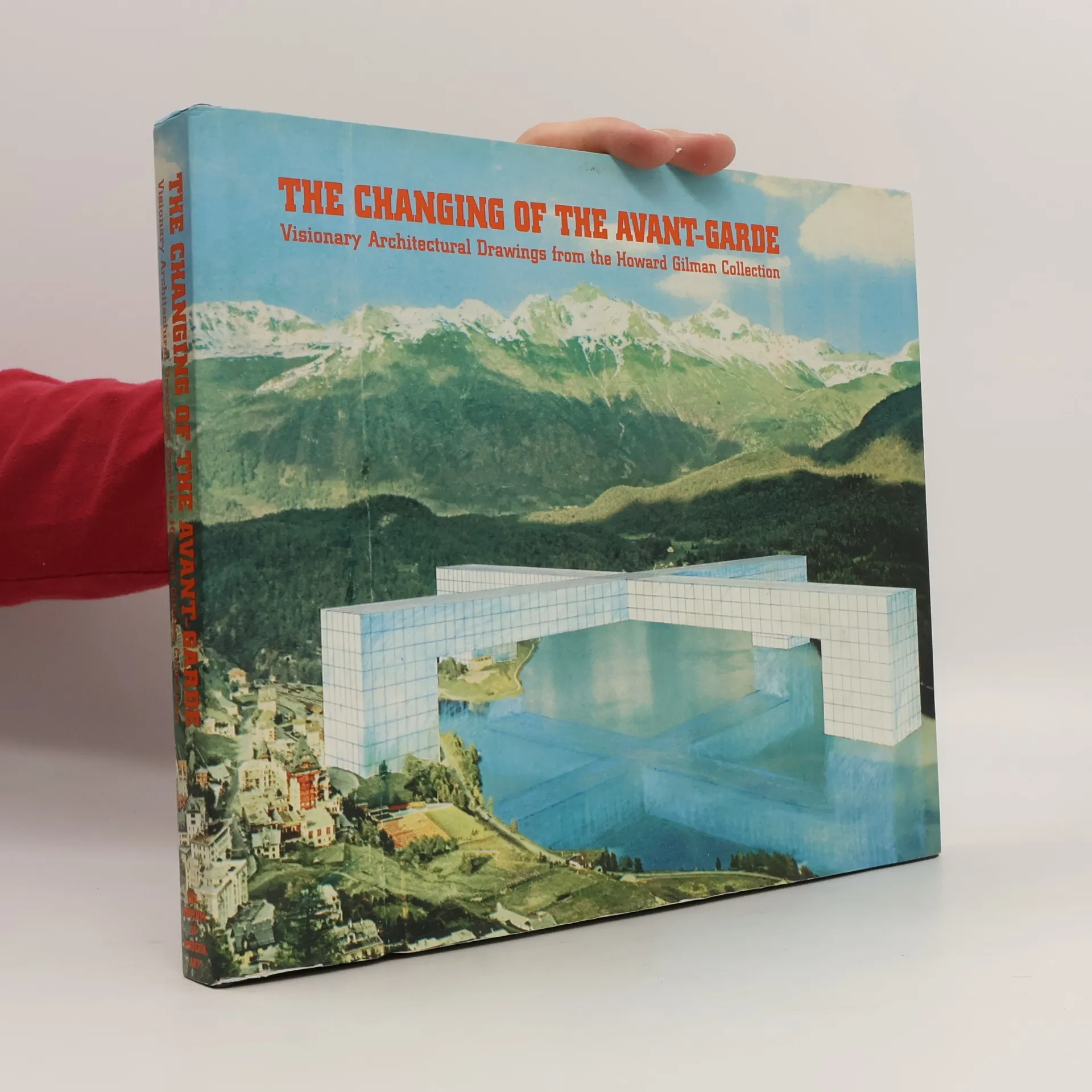
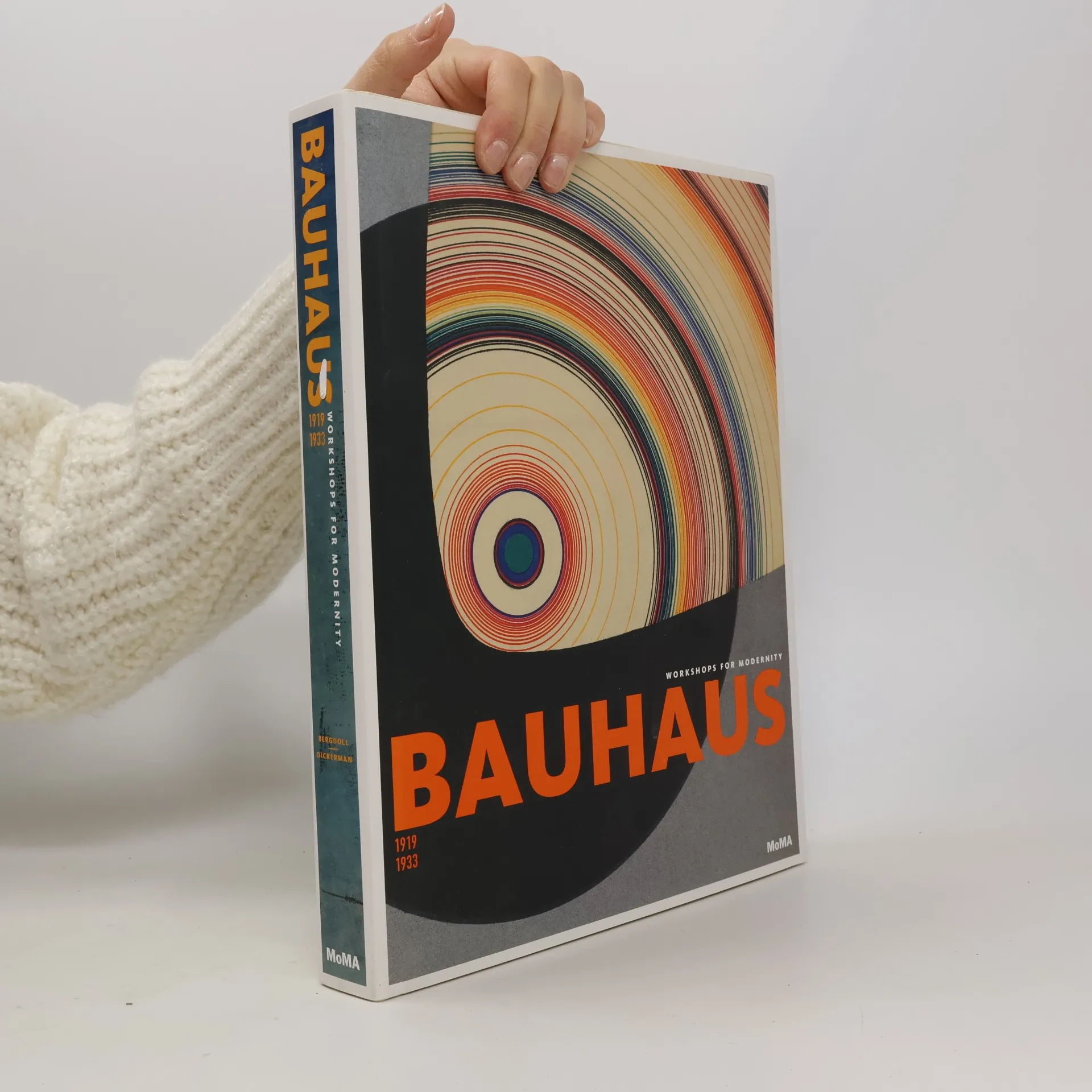

The Bauhaus, founded in Germany in 1919 and closed by the Nazis in 1933, united artists, architects, and designers such as Anni and Josef Albers, Herbert Bayer, and Vasily Kandinsky in a groundbreaking dialogue about art in the industrial age. The school aimed to redefine modern life through a remarkable range of visual arts experiments that have significantly influenced today's world. The accompanying publication, released for a major multimedia exhibition, marks The Museum of Modern Art's first comprehensive exploration of the subject since its notable 1938 exhibition. Organized in collaboration with Germany's key Bauhaus collections, it delves into the diverse outputs of the school, including industrial design, architecture, graphics, textiles, and more. Many featured objects have rarely been seen or published outside Germany. The book includes around 400 color plates and documentary images, along with two essays by curators Barry Bergdoll and Leah Dickerman that offer fresh insights into the Bauhaus. Additionally, over 20 leading scholars contribute shorter essays on 30 significant Bauhaus objects, while an illustrated chronology provides a vibrant overview of the school's history.
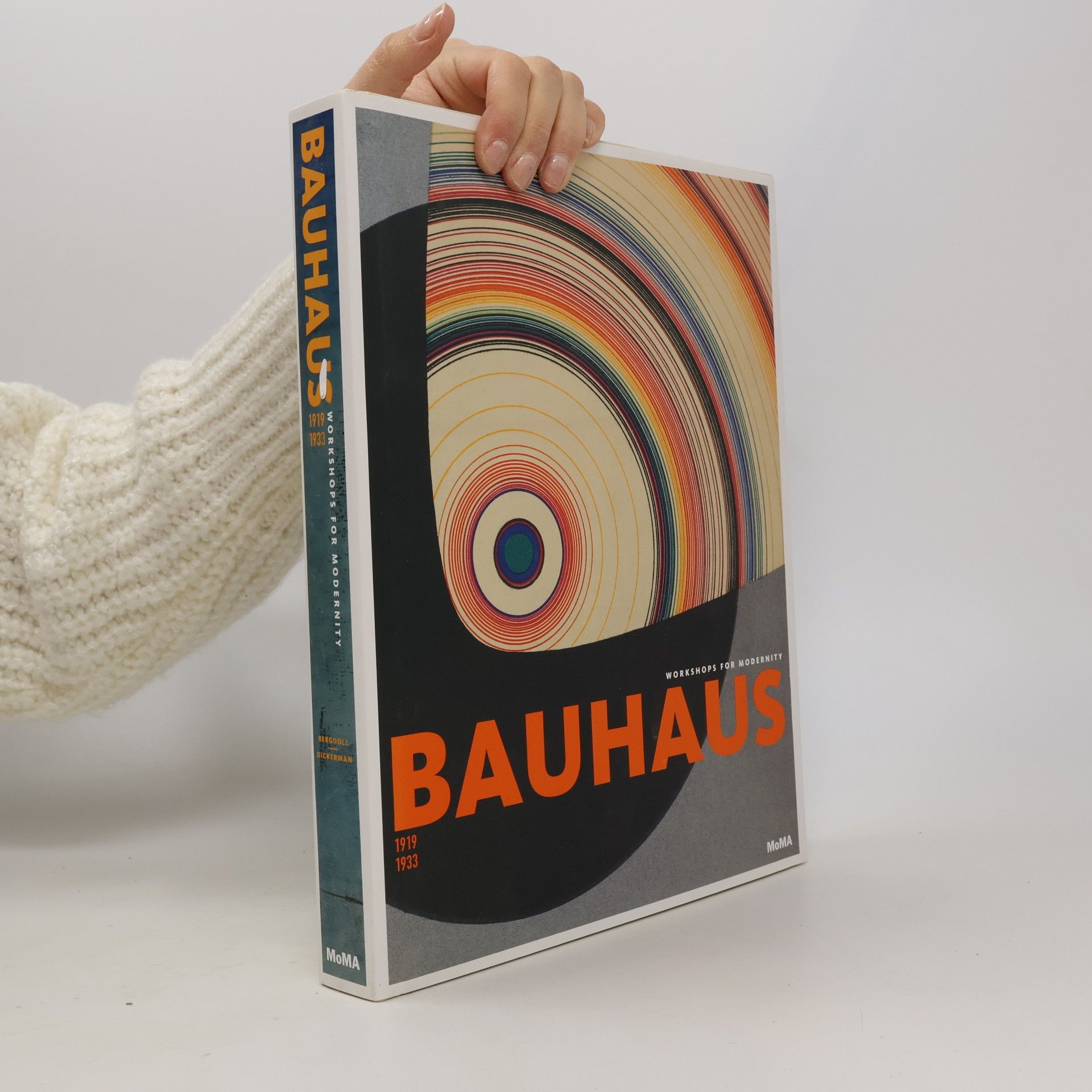
The Changing of the Avant-Garde
Visionary Architectural Drawings from the Howard Gilman Collection
- 240 Seiten
- 9 Lesestunden
What would it be like to inhabit an R. Buckminster Fuller Dymaxion House? To visit Arata Isozaki's project for Hiroshima? Or to grow up in John Hejduk's Wall House? There are only speculative answers to such questions, but who wouldn't ponder them upon seeing the drawings gathered in The Changing of the Avant Garde ? With 165 expertly reproduced visionary architectural drawings from The Museum of Modern Art's Howard Gilman Archive, this collection brings together a selection of idealized, fantastic and utopian architectural drawings, primarilly from the 1960s and 70s. This publication--the first to consider the drawings since the archive was established in 1998--is accompanied by essays exploring the significance of the works, and an interview with Pierre Apraxine, former curator of the collection.