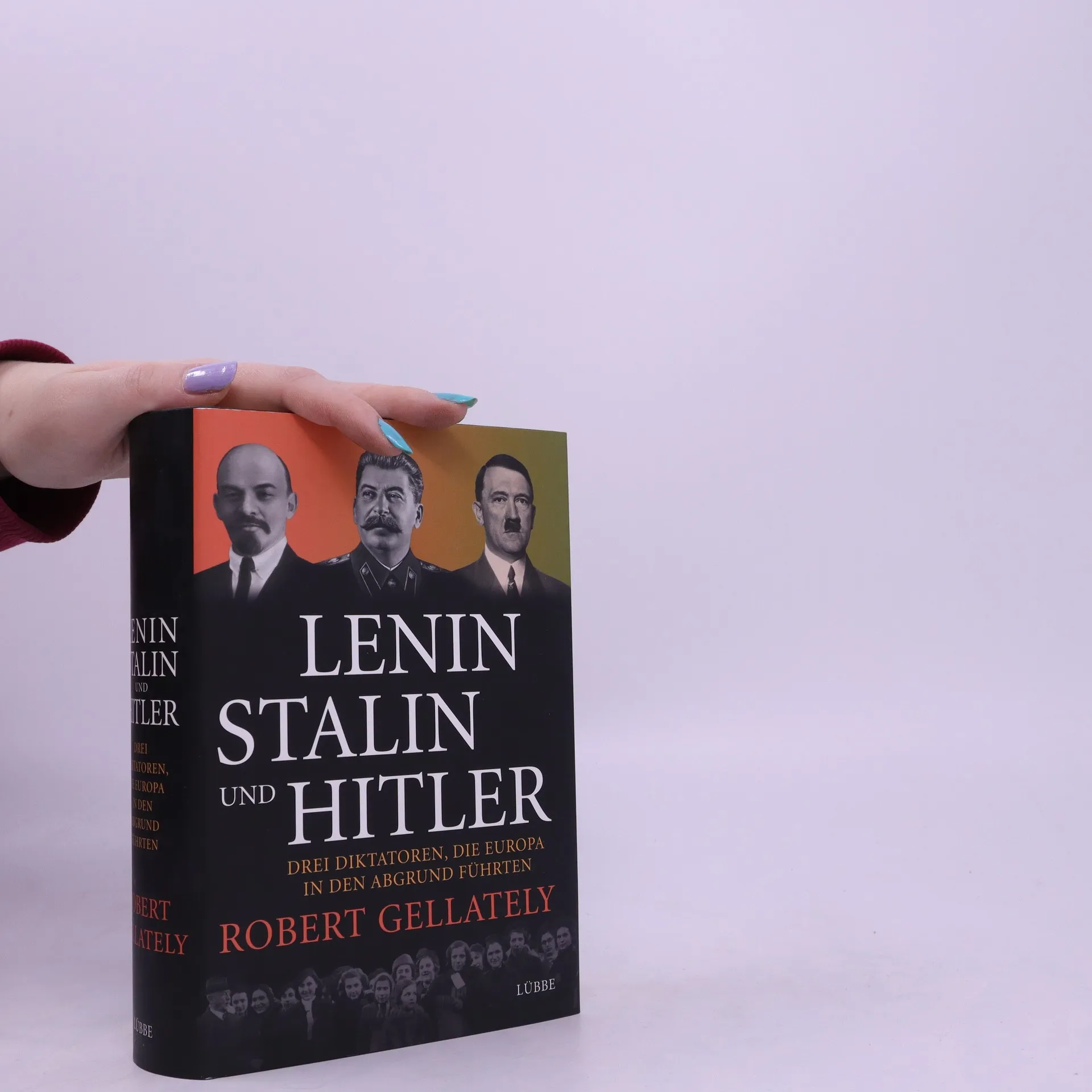
Zwei Weltkriege, die russische Revolution, Aufstieg und Fall des „Dritten Reichs“, der Holocaust - zwischen 1914 und 1945 brechen große politische Katastrophen über Europa herein und verändern die Gesellschaft von Grund auf. Im Zentrum der Katastrophen stehen drei Diktatoren: Lenin, Stalin und Hitler. Während über die Verbrechen und Grausamkeit der Letztgenannten Einigkeit besteht, wird Lenin bisweilen als „guter Gründungsvater“ eingeschätzt. Zu unrecht. Der renommierte Historiker Robert Gellately beweist in seiner Studie Lenins verheerende Rolle für die jüngere Geschichte und liefert damit den Schlüssel zu einem besseren Verständnis des großen Weltenbrands.
Robert Gellately Bücher
1. Jänner 1943
Robert Gellately ist ein führender Historiker des modernen Europas, dessen Werk sich besonders auf die Ären des Zweiten Weltkriegs und des Kalten Krieges konzentriert. Sein ausgeprägtes Interesse am Holocaust hat ihn auch zur Erforschung anderer Völkermorde veranlasst, für die er strenge definitorische Richtlinien aufstellt. Gellatelys Arbeit befasst sich eingehend mit den Dynamiken von Macht, Zustimmung und Zwang in totalitären Regimen. Durch Analysen, die oft auf Originaldokumenten und Zeugenaussagen basieren, hinterfragt seine Forschung vereinfachte historische Darstellungen und betont komplexe soziale und politische Prozesse.


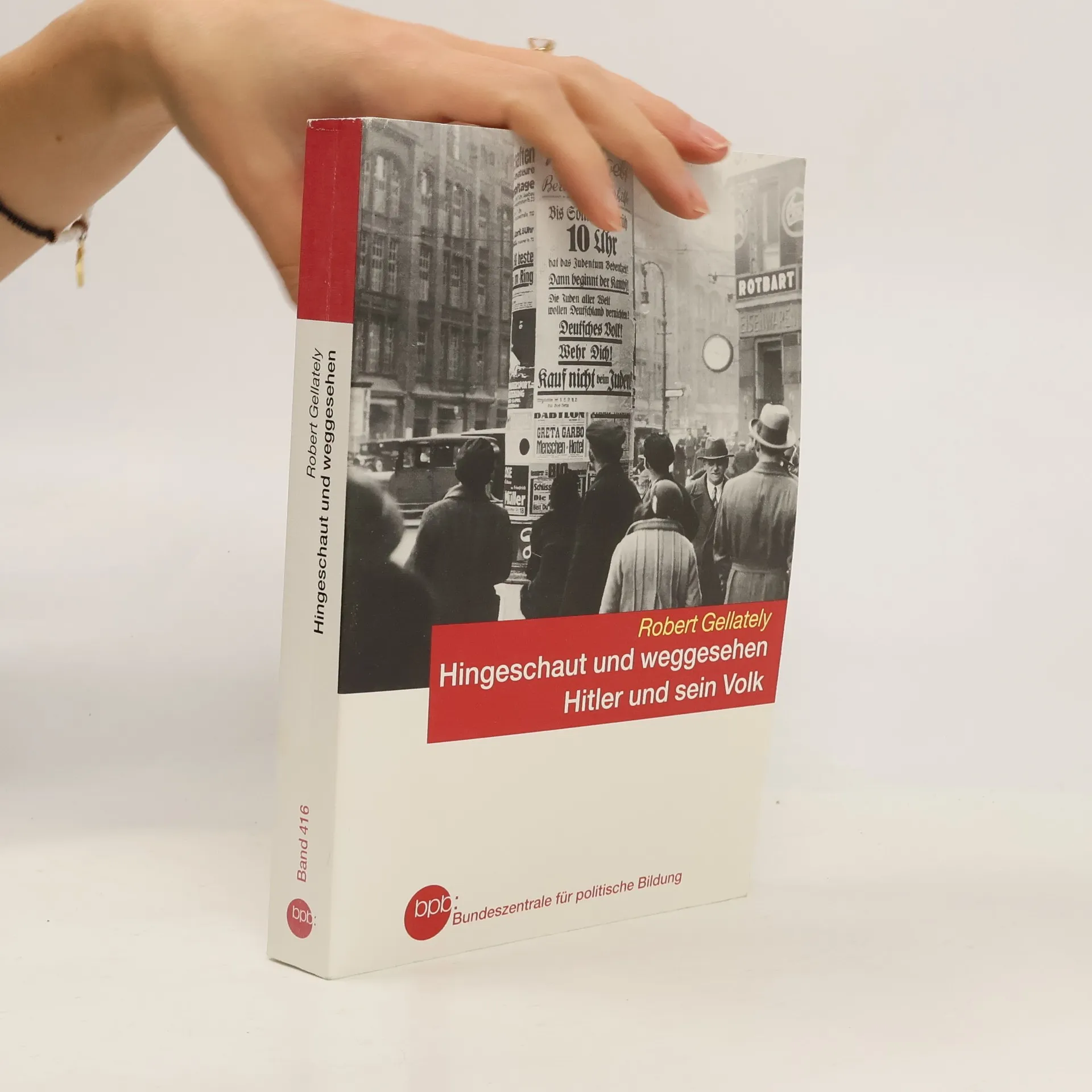
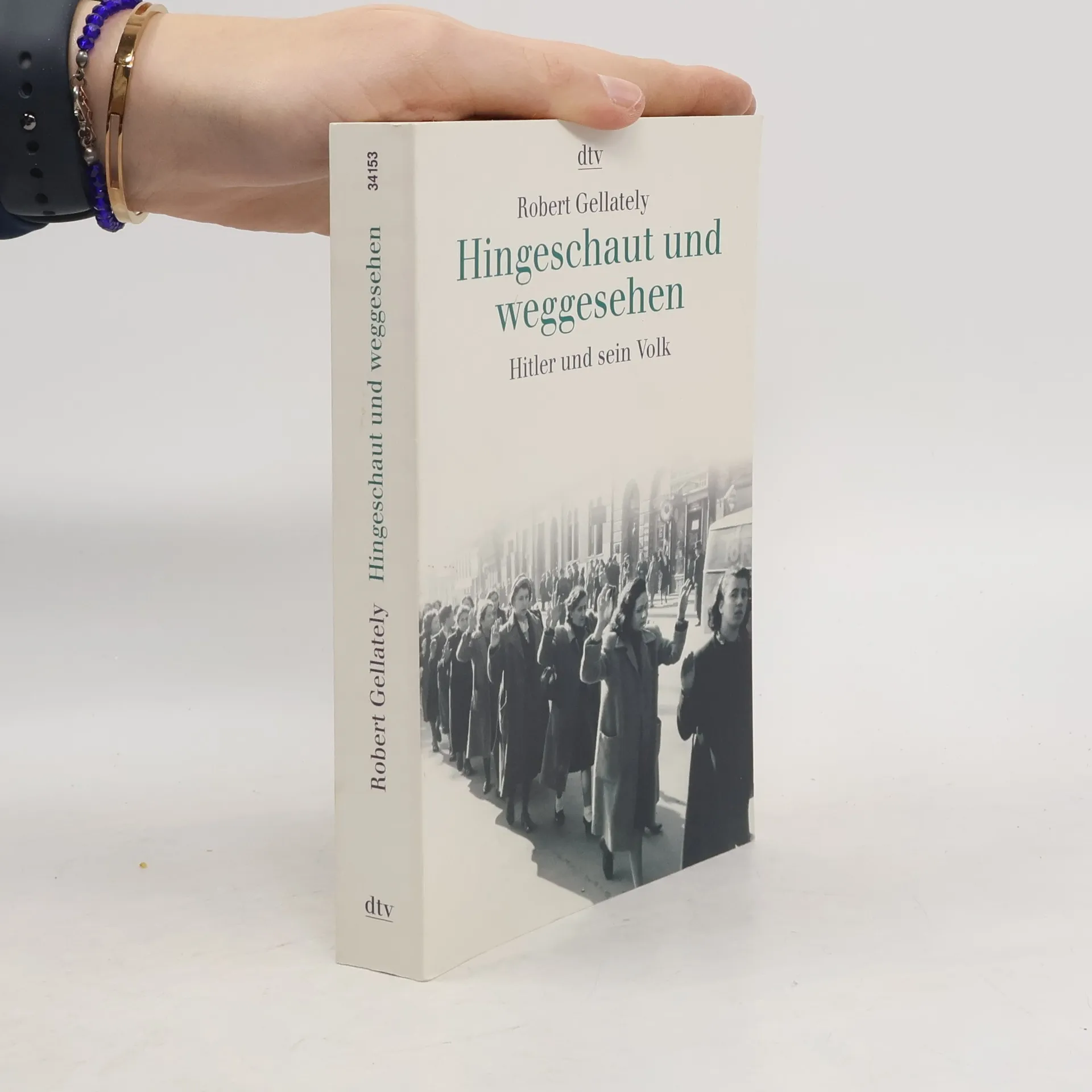
Hingeschaut und weggesehen
- 456 Seiten
- 16 Lesestunden
Wie gelang es dem NS-Regime, sich die Kollaboration ganz normaler Deutscher mühelos zu sichern? Nach dem Krieg wollte kaum jemand in Deutschland etwas von den Konzentrationslagern, von Terror und Mord gewusst haben. Es schien, als hätten nur wenige »willige Helfer« im Verborgenen die von Hitler befohlenen Verbrechen begangen. Robert Gellately beweist anhand bislang vernachlässigter Dokumente das Gegenteil: Nach dem Willen der nationalsozialistischen Machthaber sollte das Volk informiert werden. Sie nutzten die breite Zustimmung der Deutschen zu »Recht und Ordnung«, um mit genau geplanten Strategien die Menschen an Verhaftungen, Polizeiwillkür, Ausgrenzung und Verfolgung ganzer Bevölkerungsgruppen zu gewöhnen – und zur Mithilfe - sei es durch Zustimmung, Denunziation oder aktive Mitarbeit - zu veranlassen.
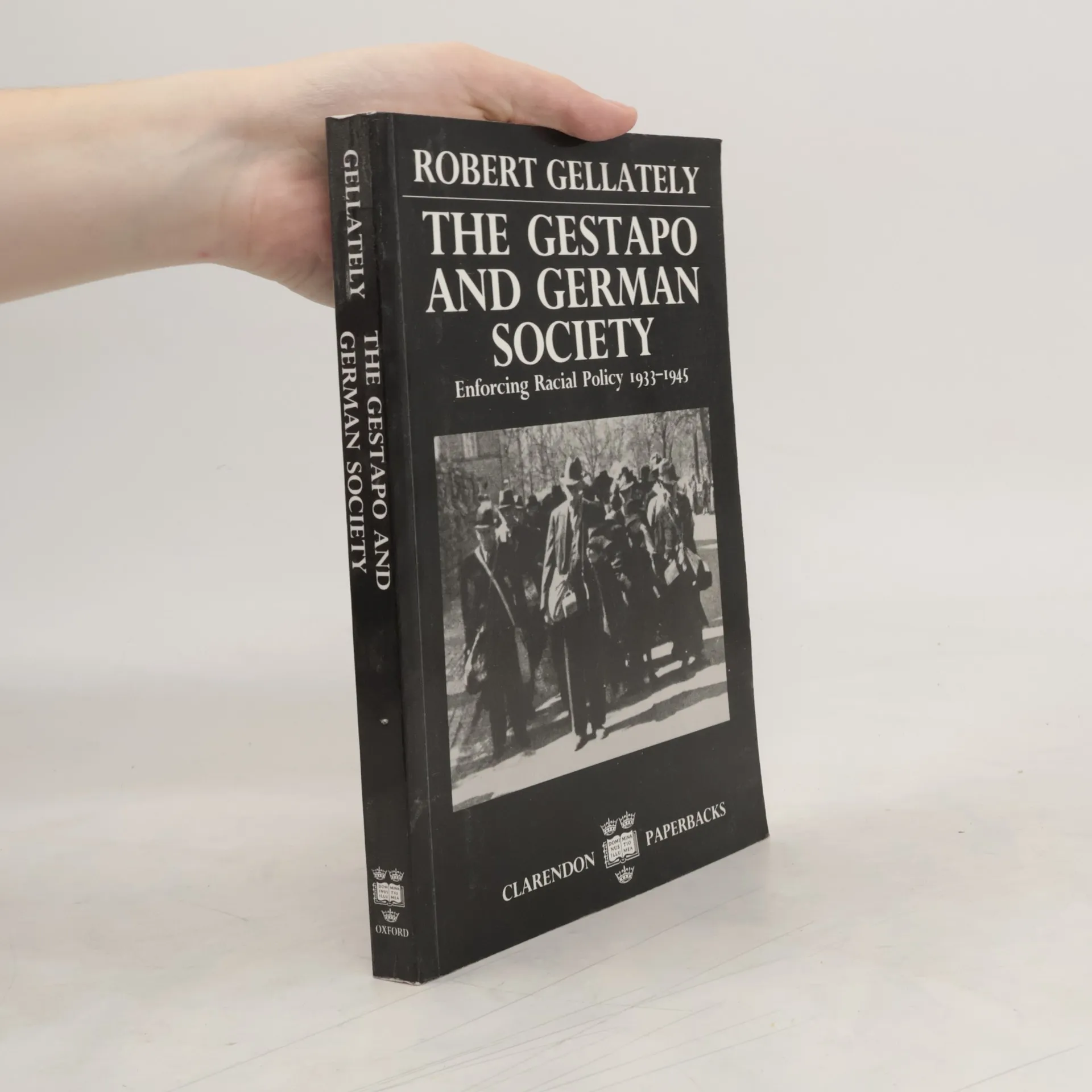
This book examines the everyday operations of the Gestapo, the Nazi secret police. How were the Gestapo able to detect the smallest signs of noncompliance with Nazi doctrines, especially 'crimes' pertaining to the private spheres of social, family, and sexual life? How could the police enforce policies such as those designed to isolate the Jews or foreign workers with such apparent ease?
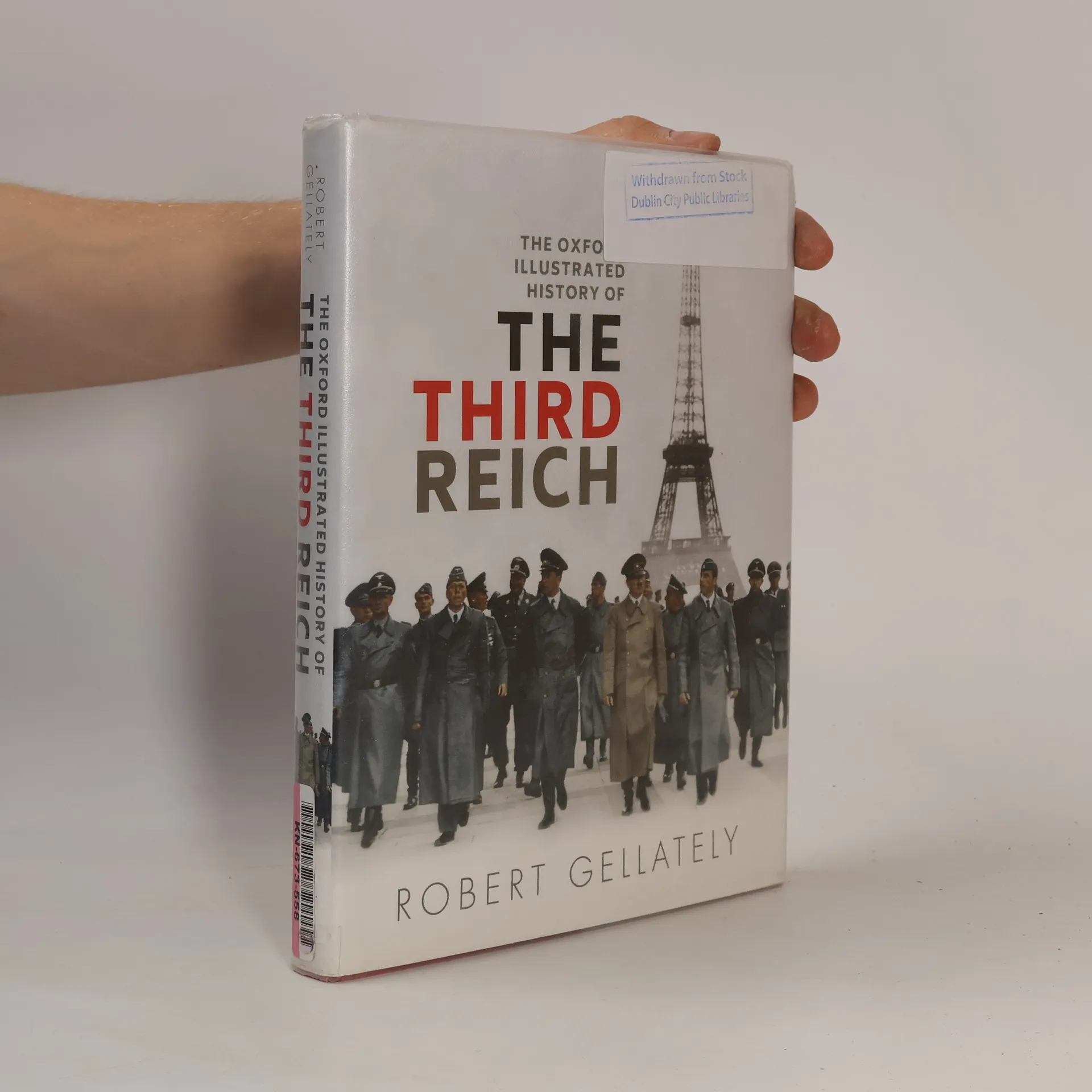
The Oxford Illustrated History of the Third Reich
- 383 Seiten
- 14 Lesestunden
A thought-provoking assessment and documentation of one of the most terrible periods in history - the rise and fall of the Nazi Party.
Hitler's True Believers
- 448 Seiten
- 16 Lesestunden
Nazi ideology drove Hitler's quest for power in 1933, colored everything in the Third Reich, and culminated in the Second World War and the Holocaust. In this book, Gellately addresses often-debated questions about how Fuhrer discovered the ideology and why millions adopted aspects of National Socialism without having laid eyes on the leader or reading his work.
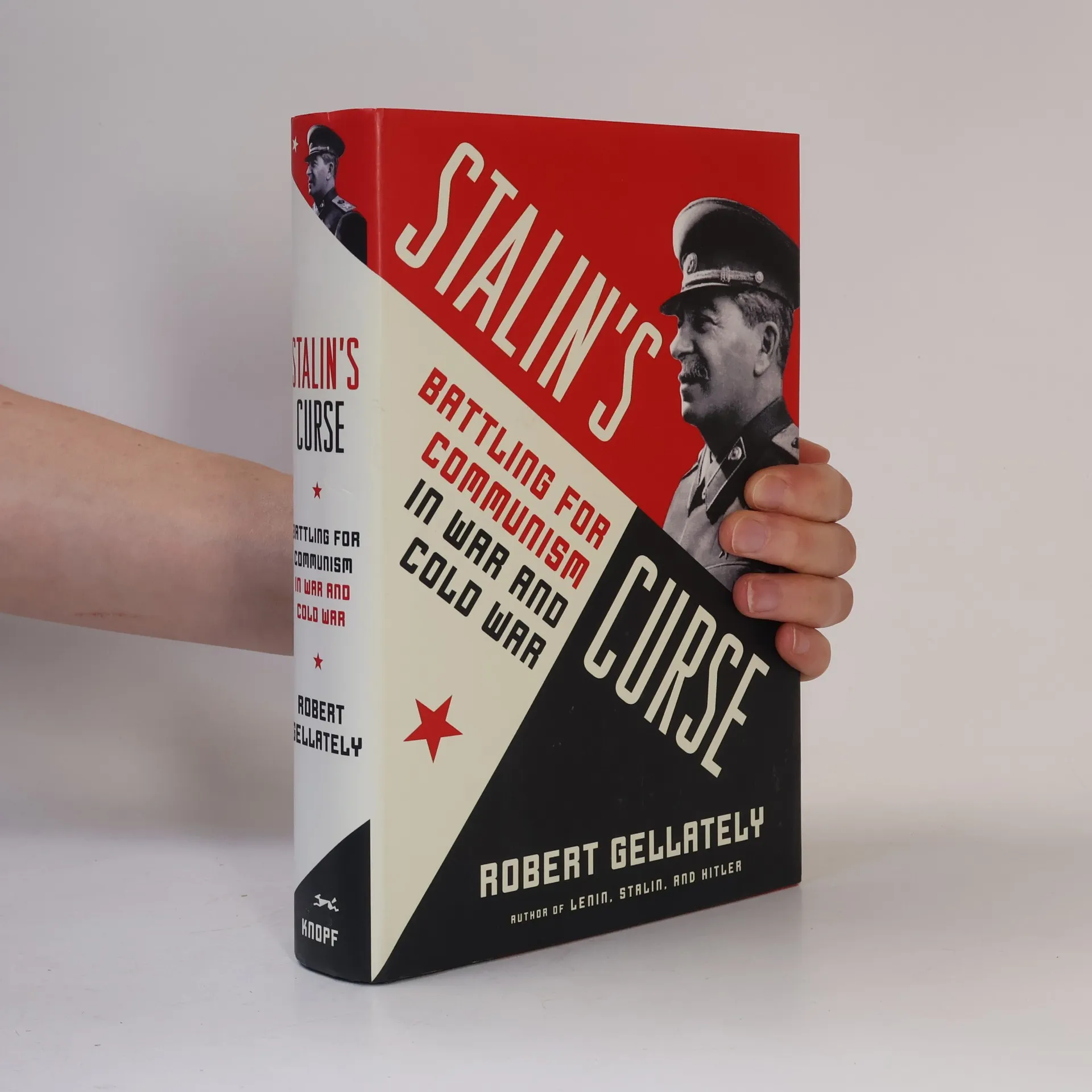
A chilling, riveting account based on newly released Russian documentation reveals Joseph Stalin’s true motives and his commitment to expanding the Soviet empire during his collaboration with Franklin D. Roosevelt, Winston Churchill, and the capitalist West. At the Big Three conferences of World War II, Stalin skillfully portrayed himself as a great world leader. Observers like George F. Kennan viewed him as a modern-day tsarist figure focused on international strategy and power politics rather than ideology. However, Robert Gellately uncovers documents that show Stalin was an unwavering revolutionary, biding his time to establish Communist regimes across Europe. His actions during this period, along with the miscalculations of Western responses, set the stage for the Cold War. Gellately takes readers behind the scenes, illustrating how Stalin disguised his political ambitions while prioritizing the future of Communism, even as he fought against Hitler. The ascetic dictator’s Machiavellian strategies and unpredictable behavior kept Western leaders on high alert in an increasingly dangerous and divided world. This work offers an unprecedented revelation of the sinister machinations of the Soviet dictator, making it both exciting and deeply engaging.