The biography explores the life of Marc Bloch, a prominent historian and a soldier who served in both World Wars. It delves into his significant contributions to historical scholarship and his role as a leader in the Resistance during World War II. The narrative highlights his dual identity as a scholar and a patriot, shedding light on his experiences and the impact of his work on history.
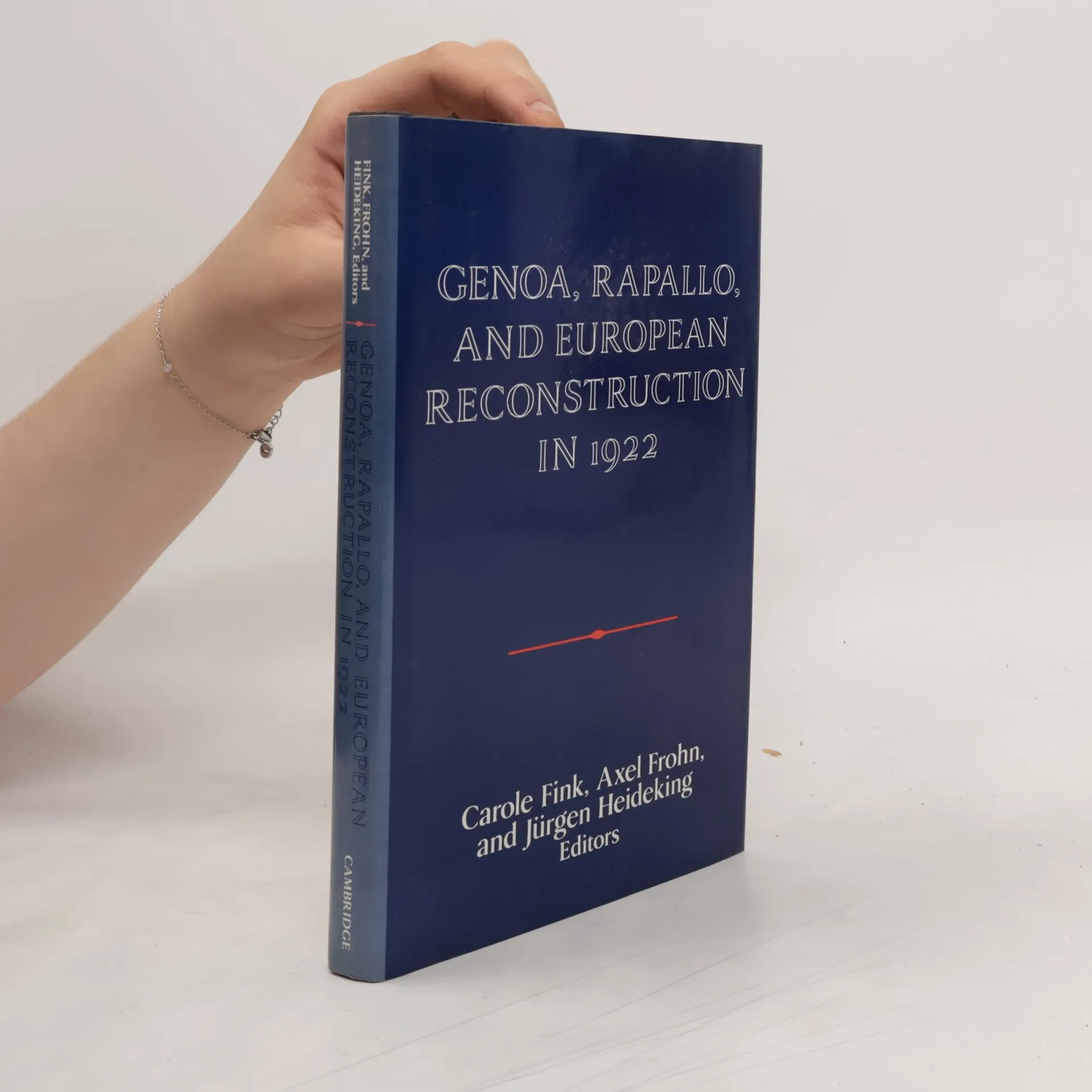
One of the largest twentieth century summit meetings, the Genoa Conference of 1922, was also a notable failure, due to the gulf between the Allies and Germany, between the West and Soviet Russia, and among the World War I victors and their small allies. This book, a unique international collaboration, presents various perspectives on the Genoa Conference: its leadership, goals, and outcome. The authors present new findings on such questions as the sensational Rapallo Treaty between Germany and Russia; the strategy of the small neutral powers; and the policy of the United States toward European debts. Readers will find contrasting as well as complementary views in this volume.
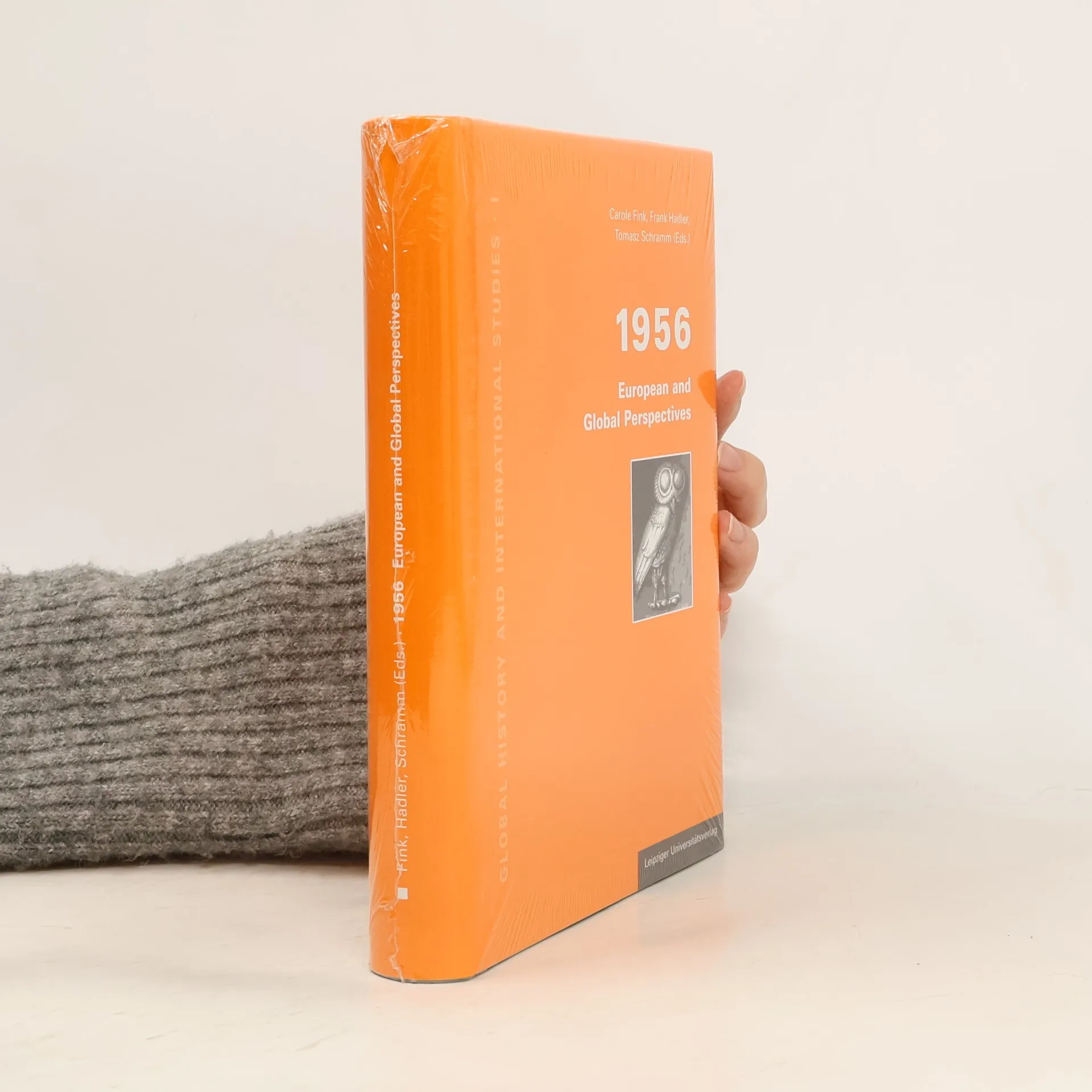
In post-World War II European history, the years 1945, 1968, and 1989 are recognized as transformative moments, but 1956 emerges as a significant marker of global change. This year witnessed Khrushchev’s denunciation of Stalin, the Polish and Hungarian revolutions, and the Suez Crisis, making it one of the most violent years of the Cold War. The superpower rivalry during this time influenced every aspect of life globally. Concurrently, 1956 saw the emergence of global movements and a shared consciousness, challenging the dominance of powerful nation-states as borders became more porous to goods, people, and ideas, alongside the looming threat of nuclear conflict. This volume compiles new scholarship based on original research that transcends national boundaries, offering a long-term perspective on the events of that pivotal year. It stems from two conferences held in 2005: one in Slovakia focused on "The European 1956" and the other in Australia addressing "The Global 1956." The editors and thirteen authors from various countries examine key historical questions from 1956, including the Cold War, decolonization, and the emergence of a new global culture. The book is structured into four sections, integrating new archival findings with contemporary historiographical approaches, covering the Cold War's heart, upheavals in European communism, the birth of the Common Market, and other global issues that shaped the following decade