

Bookbot

Gordon M. Shepherd

    The Synaptic Organization of the Brain
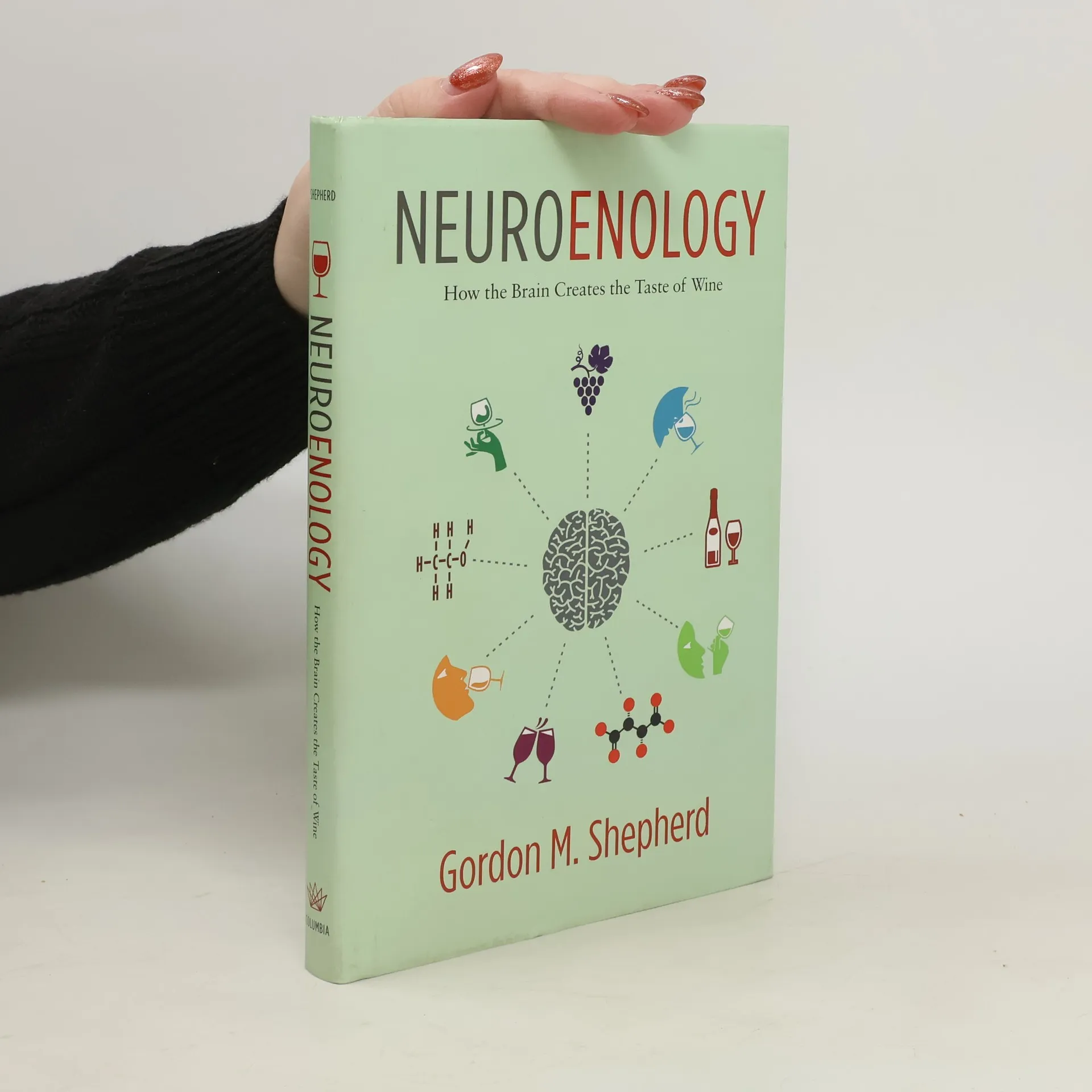
    Neuroenology
    Neurobiology Third Edition
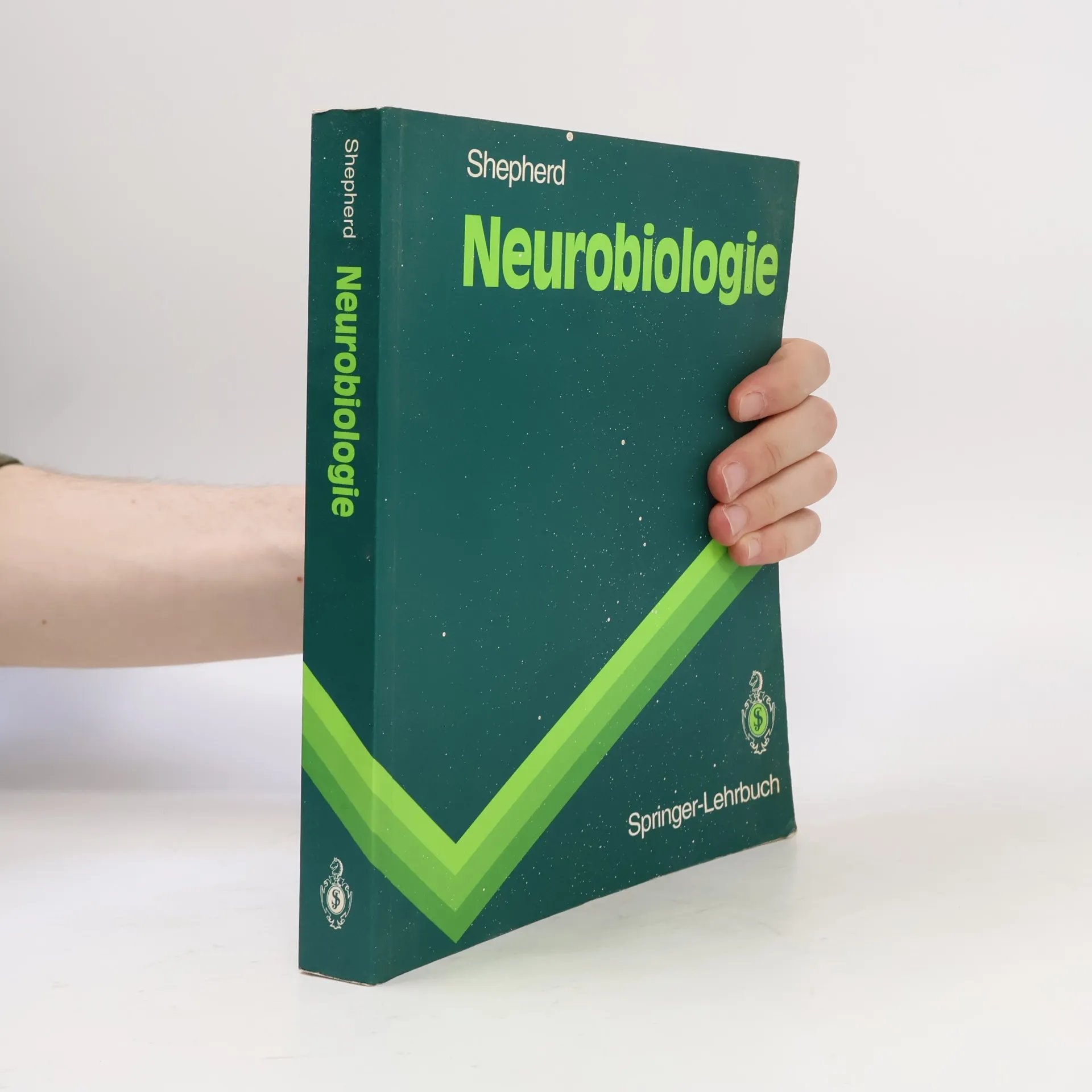
    Springer-Lehrbuch: Neurobiologie
    ie österreichische Odyssee
    • Springer-Lehrbuch: Neurobiologie

      • 623 Seiten
      • 22 Lesestunden

      Aus der Feder eines renommierten Neurobiologen entstand ein Lehrbuch, das umfassend, spannend und bestens illustriert ist. Die amerikanische Ausgabe hat bereits einen hervorragenden Ruf in Forschung und Lehre. Nun liegt eine stark überarbeitete deutsche Übersetzung vor, die die neuesten Forschungsergebnisse berücksichtigt. Das Buch bietet eine Einführung in eines der am schnellsten fortschreitenden Forschungsgebiete und spannt einen Bogen von molekular- und zellbiologischen Grundlagen über neuronale Netzwerke bis hin zu komplexen Verhaltensfunktionen. Neben der Vermittlung von Fakten werden Konzepte und Theorien erklärt, indem grundlegende Experimente bedeutender Pioniere der Neuroforschung beschrieben werden. Eine Besonderheit ist die integrierte Darstellung von Struktur und Funktion des Nervensystems. Der systematische Vergleich der Nervensysteme von Wirbeltieren und Wirbellosen vermittelt allgemeingültige Regeln der Arbeitsweise von Nervensystemen. Für medizinisch Interessierte bietet die Berücksichtigung pathologischer Aspekte der Hirnfunktionen wertvolle Einblicke in neurologische Zusammenhänge. Dieses klar und kompetent geschriebene sowie reich illustrierte Lehrbuch ist besonders für Biologiestudenten und Neurowissenschaftler empfehlenswert, die sich einen fundierten Überblick über die Neurobiologie verschaffen möchten.

      Springer-Lehrbuch: Neurobiologie
    • Neurobiology Third Edition

      • 776 Seiten
      • 28 Lesestunden

      This widely used textbook has been extensively revised to incorporate the latest research in neuroscience. It introduces discussions on gene regulation mechanisms and emphasizes membrane signaling molecules as a unifying theme in molecular and cellular neurobiology. The text explains the roles of these molecules in impulse conduction and synaptic transmission, supported by computer models. For the first time, an interactive computer program, along with a tutorial handbook, allows exploration of these mechanisms. The comparative approach is utilized in the neural systems sections to illustrate general principles, highlighting advancements toward a molecular basis for sensory perception and new methods for revealing neural activity related to sensory and motor functions. The text emphasizes the plasticity of sensory and motor circuits, reflecting the effects of activity and recovery from injury. Central systems, crucial for all animals, such as those governing sleep, feeding, and reproduction, are featured alongside systems for language, emotion, and higher cognitive functions in humans. Recent research on memory is highlighted, contrasting short-term and long-term memory mechanisms and summarizing current understanding of long-term potentiation. The themes of organizational levels and comparative systems unify the vast range of studies in neurobiology. The text benefits from a single author's perspective while incorporating ins

      Neurobiology Third Edition
      4,3
    • Neuroenology

      • 206 Seiten
      • 8 Lesestunden

      A pioneer of neurogastronomy writes an engaging treatment of the brain's role in creating the taste of wine.

      Neuroenology
      3,7
    • The Synaptic Organization of the Brain

      An Introduction

      • 364 Seiten
      • 13 Lesestunden

      The neural basis of brain function requires an interdisciplinary approach at various levels, and recent studies on synaptic organization are driving significant advancements in this understanding. This fifth edition incorporates findings from the mouse and human genome projects, providing insights for molecular biologists focused on the functional genomics and proteomics of the brain. Key questions addressed include the cell and circuit functions of gene products, alongside an introduction to supporting neuroscience databases. New techniques featured include 2-photon confocal laser microscopy of dendrites and spines, biochemical analyses, and dual patch and multielectrode recordings, all complemented by behavioral and gene-targeting methods. Leading experts synthesize molecular, anatomical, functional, and behavioral data into cohesive accounts for well-studied brain regions. Each chapter follows a consistent format, detailing neural elements, synaptic connections, basic circuits, physiology, neurotransmitters, neuromodulators, and membrane and dendritic properties, concluding with how circuits influence specific behaviors. This structured approach highlights common principles across regions while addressing unique adaptations, serving as a model for understanding the neural basis of behavior.

      The Synaptic Organization of the Brain