Und Gott hat doch gewürfelt
- 392 Seiten
- 14 Lesestunden
Ein Überblick über den heutigen Stand naturwissenschaftlichen Denkens, die neuesten Entwicklungen und die ungelösten Rätsel des Universums


Robert Matthews ist ein preisgekrönter Wissenschaftsautor, dessen Werk sich mit faszinierenden und oft kontraintuitiven Aspekten der Welt um uns herum beschäftigt. Seine Forschung erstreckt sich von der Codeknackung bis zur Vorhersage von Zufällen, und seine Studien zum Murphy-Gesetz, einschließlich der Frage, warum Toast oft mit der Butterseite nach unten landet, haben internationale Anerkennung gefunden. Matthews schreibt mit scharfer Einsicht und Humor und macht komplexe wissenschaftliche Konzepte für ein breites Publikum zugänglich. Seine Artikel und Essays erforschen die Grenzen des wissenschaftlichen Verständnisses und regen die Leser an, das scheinbar Gewöhnliche zu betrachten.


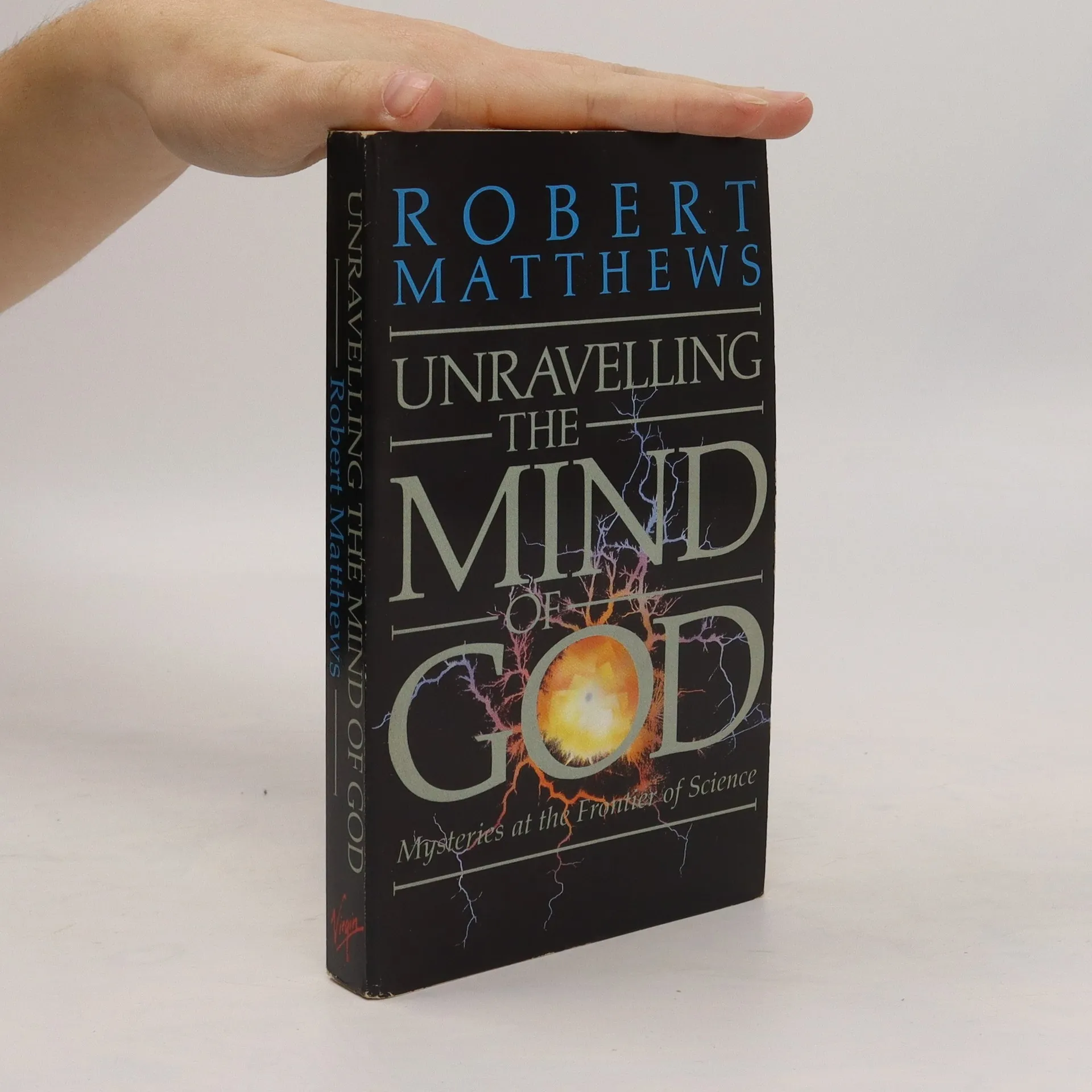


Ein Überblick über den heutigen Stand naturwissenschaftlichen Denkens, die neuesten Entwicklungen und die ungelösten Rätsel des Universums
In the last 10 years scientists have made astounding discoveries about ourselves and the universe we live in. Most of these breakthroughs have remained beyond the reach of the non-expert, but this book aims to present them in an accessible fashion.
Why can't we tickle ourselves? Which properties give you the best chance of winning Monopoly? What would happen if you fell into a black hole? Is it possible to hurt your brain if you think too much? In this entertaining and enlightening tour of day-to-day life, award-winning writer and scientist Robert Matthews tackles everything from the puzzling maths of odd socks to the real 'string theory' mystery: how does string acquire all those unwanted knots?
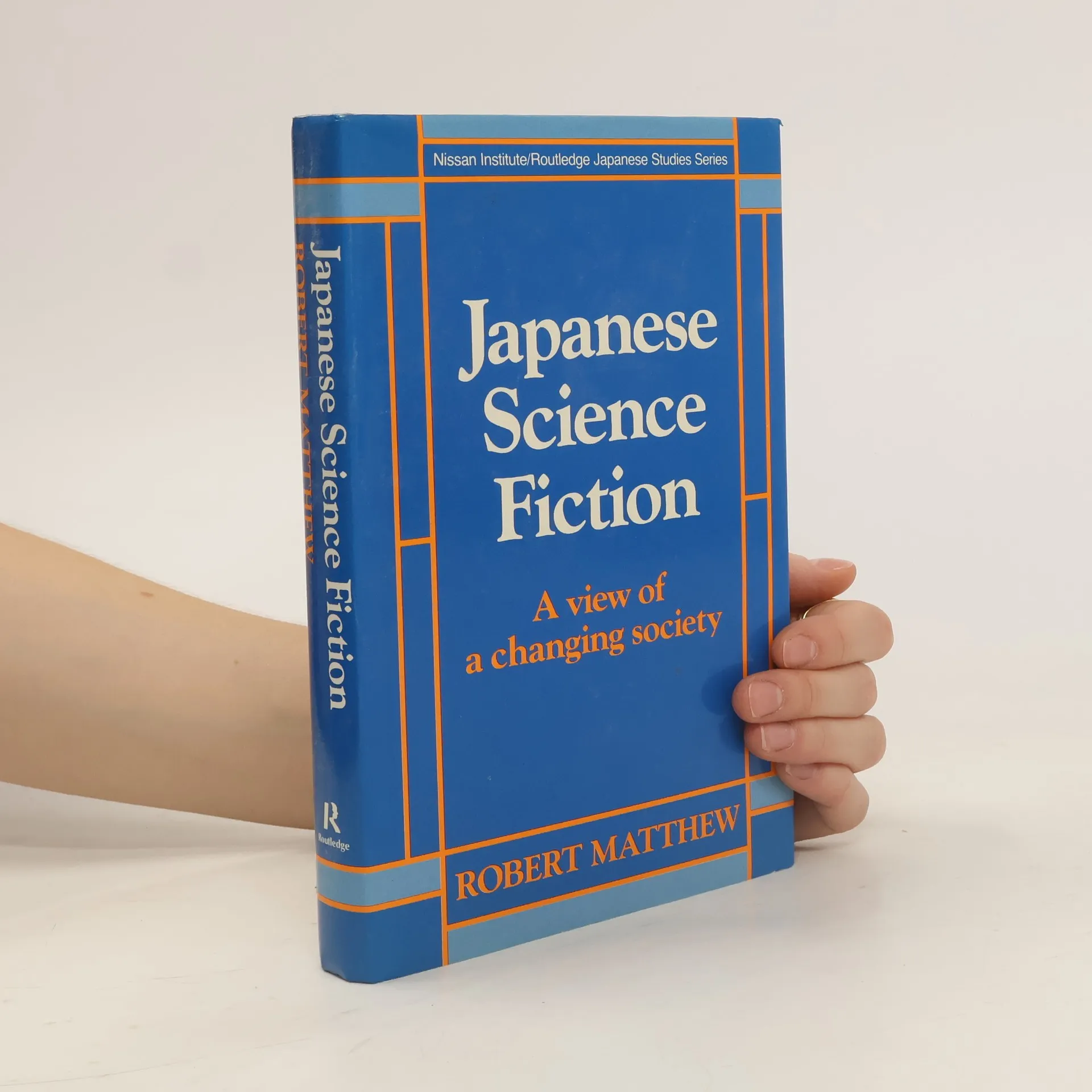
A View of a Changing Society
After the Meiji Restoration of 1868 Japan modernized rapidly, transforming itself perhaps more quickly than any other country in history. However, the change was not without its conflicts, many of them still unresolved as the pleasures of modern society vie with a respect for the traditional Japanese lifestyle. As the literature of change and of the young, science fiction acts as a window to the modern mind and the uneasy alliance of the old and new. This book, filled with detailed reference to numerous stories, traces the origin and development of the genre from the mid-nineteenth century to today, thus exploring unique insights into Japanese attitudes to commercialism, spirituality, the media, war and international relations.
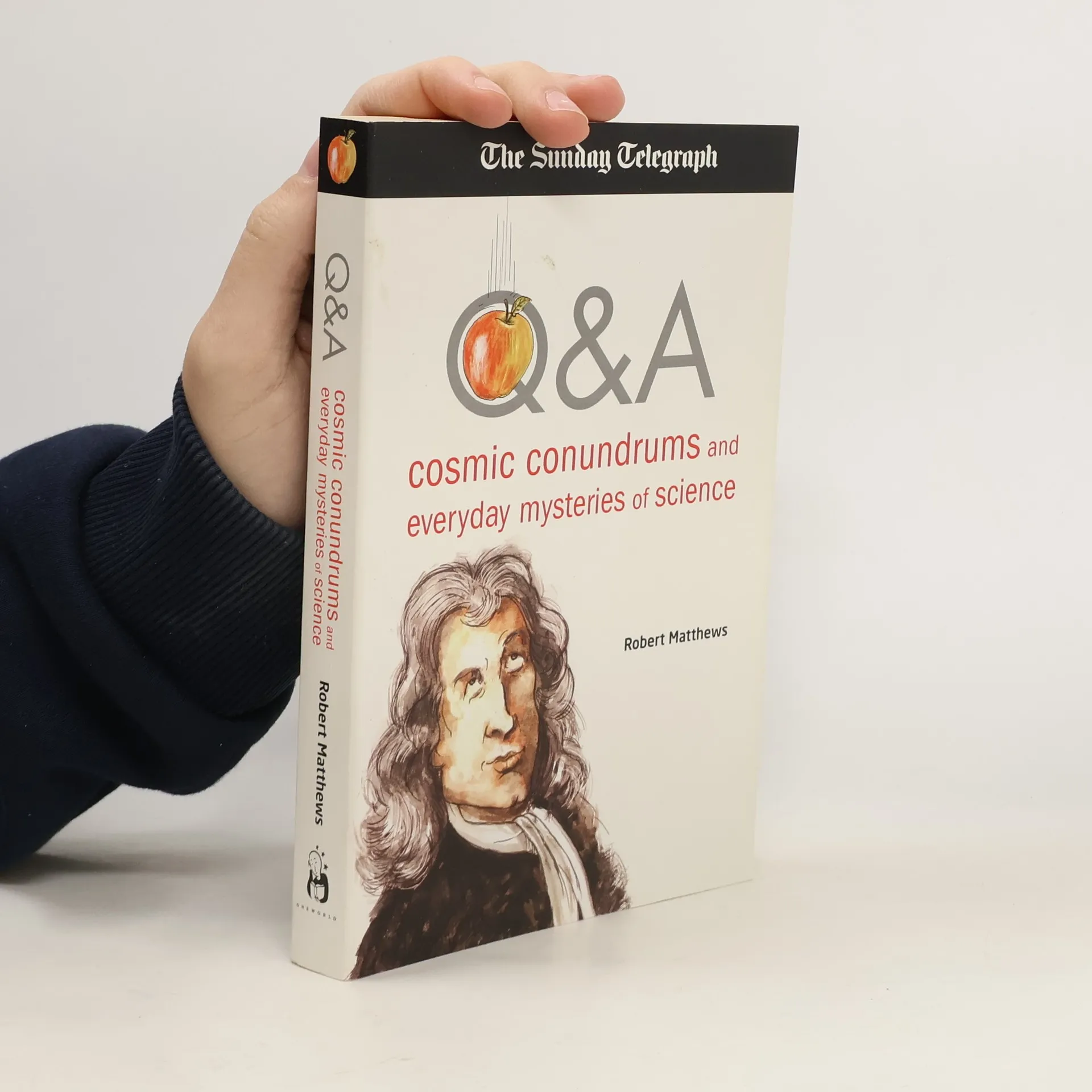
And Other Everyday Mysteries of Science
What happens if you fall into a black hole? Does subliminal advertising work? Why don't spiders stick to their webs? Award-winning science writer Robert Matthews answers the most baffling and intriguing questions sent by members of the general public, with some surprising results. From the edges of the universe to the fate of odd socks, this collection unravels the science that surrounds us, and is a must-read for all inquisitive minds.
What would happen if you fell into a black hole? Which properties give you the best chance of winning at Monopoly? Why is it always difficult to get ketchup to come out of a full bottle? From the farthest reaches of the universe to the mysterious fate of odd socks, this collection of questions and answers unravels the science behind the world.
Robert Matthews i Nick Smith studiowali razem na uniwersytecie w Oxfordzie w początkach lat 80. XX wieku. Robert został fizykiem na Aston University oraz konsultantem naukowym magazynu "Focus". Jego najlepiej znane odkrycie to wyjaśnienie, dlaczego kanapka zawsze spada posmarowana stroną, za które otrzymał w 1996 roku nagrodę Ig Nobel. Nick zaś został najdłużej pracującym redaktorem w redakcji "Focusa". Zdobył kilka nagród dziennikarskich, a obecnie pisze książkę o kubańskich cygarach.