Arshile Gorky Memorial Exhibition
- 56 Seiten
- 2 Lesestunden



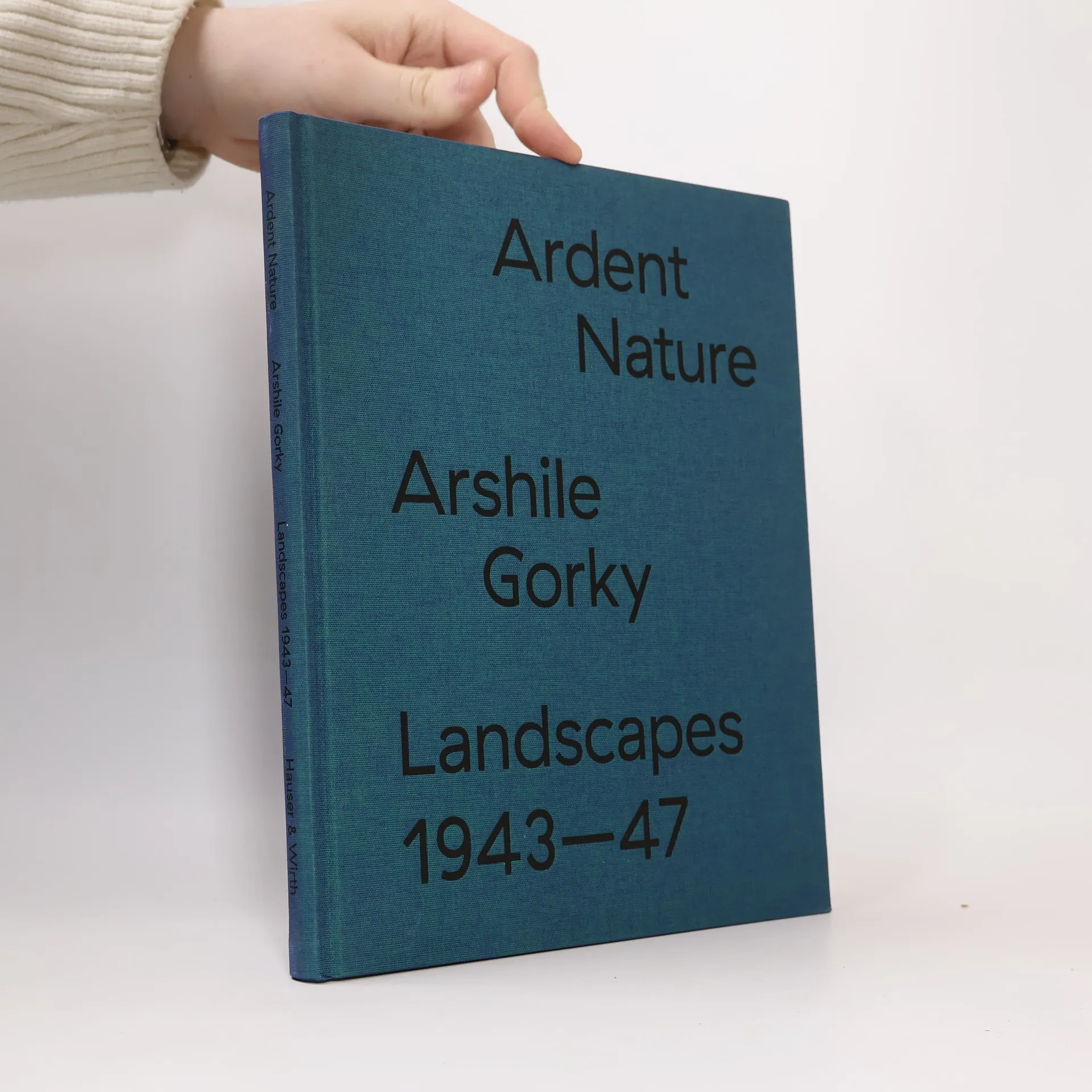

Exploring nature’s central role in establishing the singular voice of a pioneering figure in abstract expressionism Ardent Arshile Gorky Landscapes, 1943–47 is the first book to explore nature’s central role in establishing the singular voice of this truly pioneering figure in abstract expressionism. In the early 1940s, Gorky turned to nature as a primary subject matter, inspired by his summers spent in Connecticut and rural Virginia. The resulting works from this career-defining period, filled with a bold use of color, line and composition, and infused with an explosive expressive freedom, are some of the most evocative works of Gorky’s career. Featuring over 50 landscapes from this period, including paintings and works on paper, the book opens with a personal foreword from the artist’s granddaughter (and the show’s curator). The book continues with an essay from Edith Devaney, curator of the celebrated 2016 Abstract Expressionism show at the Royal Academy of Art in London, which traces the development of the Armenian-American artist’s passion and instinct for art along the arc of his career, highlighting key links to Cubism, Surrealism and Abstract Expressionism.
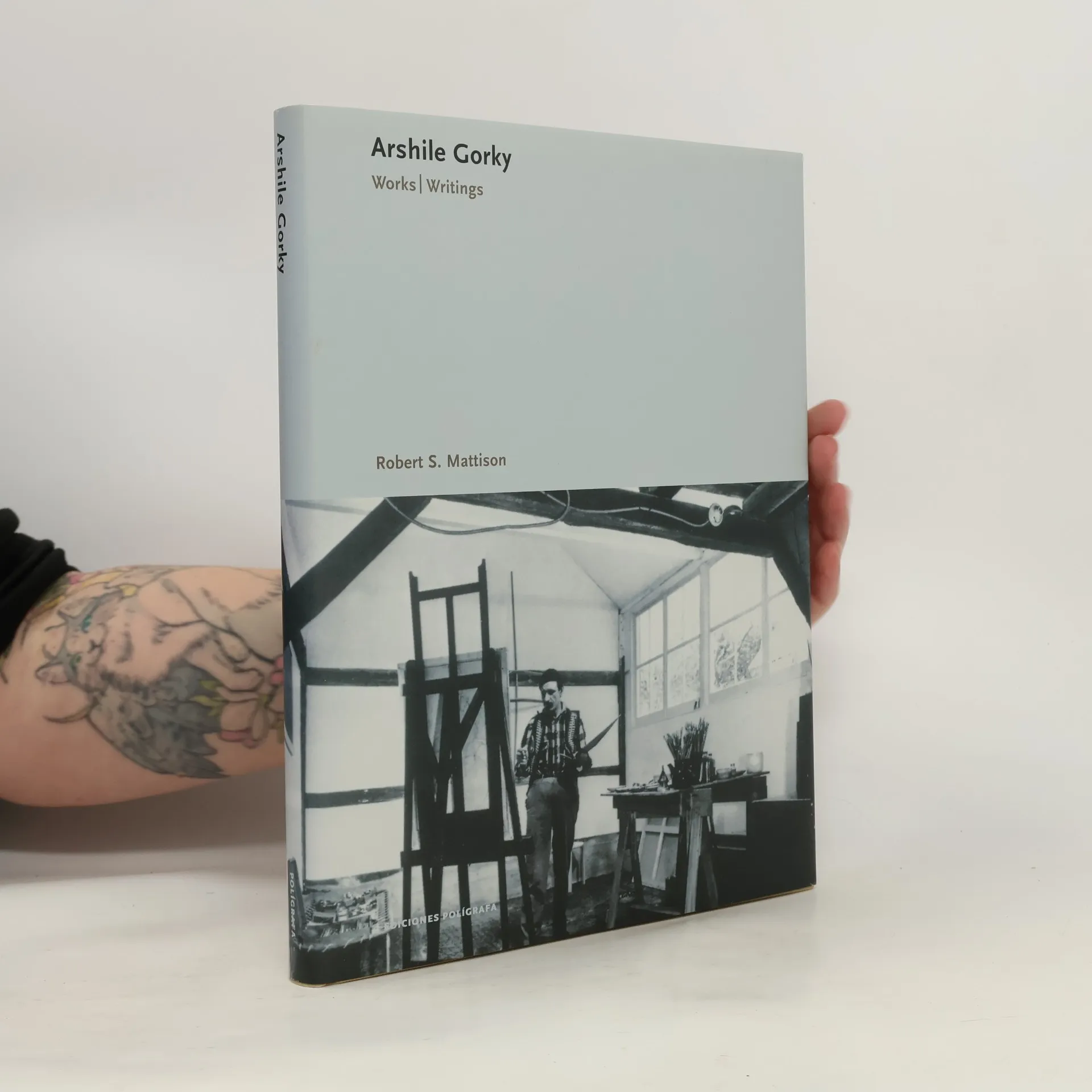
Nacido a orillas del lago Van (Armenia) y emigrado a los Estados Unidos en 1920, Arshile Gorky (ca. 1902-1948) fue uno de los pintores norteamericanos más importantes del siglo XX, así como una figura fundamental del Expresionismo Abstracto. Meyer Schapiro le llamó «ferviente escrutador» de pinturas y, con certeza, esto resultó ser un elemento crucial para el autoaprendizaje de Gorky: su habilidad para mirar el arte y tomar de él aspectos fundamentales de los trabajos de los grandes maestros,lo que queda corroborado por la afirmación de su amigo De Kooning: «por alguna misteriosa razón, sabía mucho más de pintura, y de arte —y lo que sabía lo hacía de la manera más natural—. Hay cosas que yo suponía saber y sentir y entender, pero él lo hacía mucho mejor. Tenía una habilidad extraordinaria para dar en el clavo». Aunque la vida de Gorky fue corta, pues se suicidó en 1948, la impresionante obra que dejó tras de sí le aseguró una reputación como el último gran pintor surrealista y uno de los primeros expresionistas abstractos.
Arshile Gorky (1904-1948) gilt als eine zentrale Figur in der Entwicklung des abstrakten Expressionismus. Er kombinierte Kindheitserinnerungen aus Armenien mit surrealistischen und abstrakten Elementen, was zu einer neuen Vision der Malerei führte und die amerikanische Kunst in eine experimentelle Phase führte. Seine bedeutendsten Werke entstanden zwischen 1940 und 1947, einer Zeit, die als Durchbruch betrachtet wird. Diese Phase steht im Mittelpunkt dieses aufschlussreichen Bandes, der als das umfassendste Buch zu Gorkys Kunst gilt. Michael Auping bietet eine Einführung in Gorkys Leben und Werk sowie eine tiefgehende Analyse des bedeutenden Gemäldes „The Liver is the Cock's Comb“ von 1944, das entscheidend für seine stilistische Entwicklung war. Dore Ashton liefert einen klaren Überblick über Gorkys einzigartigen Platz in der Kunstgeschichte und seine Wertschätzung für moderne Innovatoren wie Miró und Kandinsky. Matthew Spender gibt biografische Einblicke in Gorkys frühe Jahre, während eine Auswahl persönlicher Briefe einen intimen Blick auf den Künstler und seine Errungenschaften bietet.