

Bookbot

The re se Encrenaz

    Current Natural Sciences: The Exoplanets Revolution
    The solar system
    • The solar system

      • 349 Seiten
      • 13 Lesestunden

      Since the first edition appeared in 1990, planetology has experienced numerous discoveries that have enhanced our understanding of the Solar System, thanks to both ground- and space-based observational programs. Even failed space probe missions have contributed valuable information about the planetary environment. The Galileo probe, despite issues with its antenna, has delivered remarkable results, including the first images of asteroids like Gaspra and Ida, along with Ida's satellite, Dactyl. The probe's primary mission to drop an instrumented capsule into Jupiter's atmosphere for in-situ investigation is scheduled for late 1995. Saturn will be explored early next century with the Cassini mission, launching in 1997, which aims to study the planet and land the Huygens probe on Titan's surface. NASA's Magellan mission achieved significant success with detailed radar mapping and atmospheric studies. However, the exploration of Mars faced challenges, with failures in both the Soviet Phobos mission and NASA's Mars Observer probe. Despite these setbacks, plans for future collaborative exploration of Mars are underway, involving surface stations, possibly active rovers, surface penetrators, balloon probes, and orbiters.

      The solar system
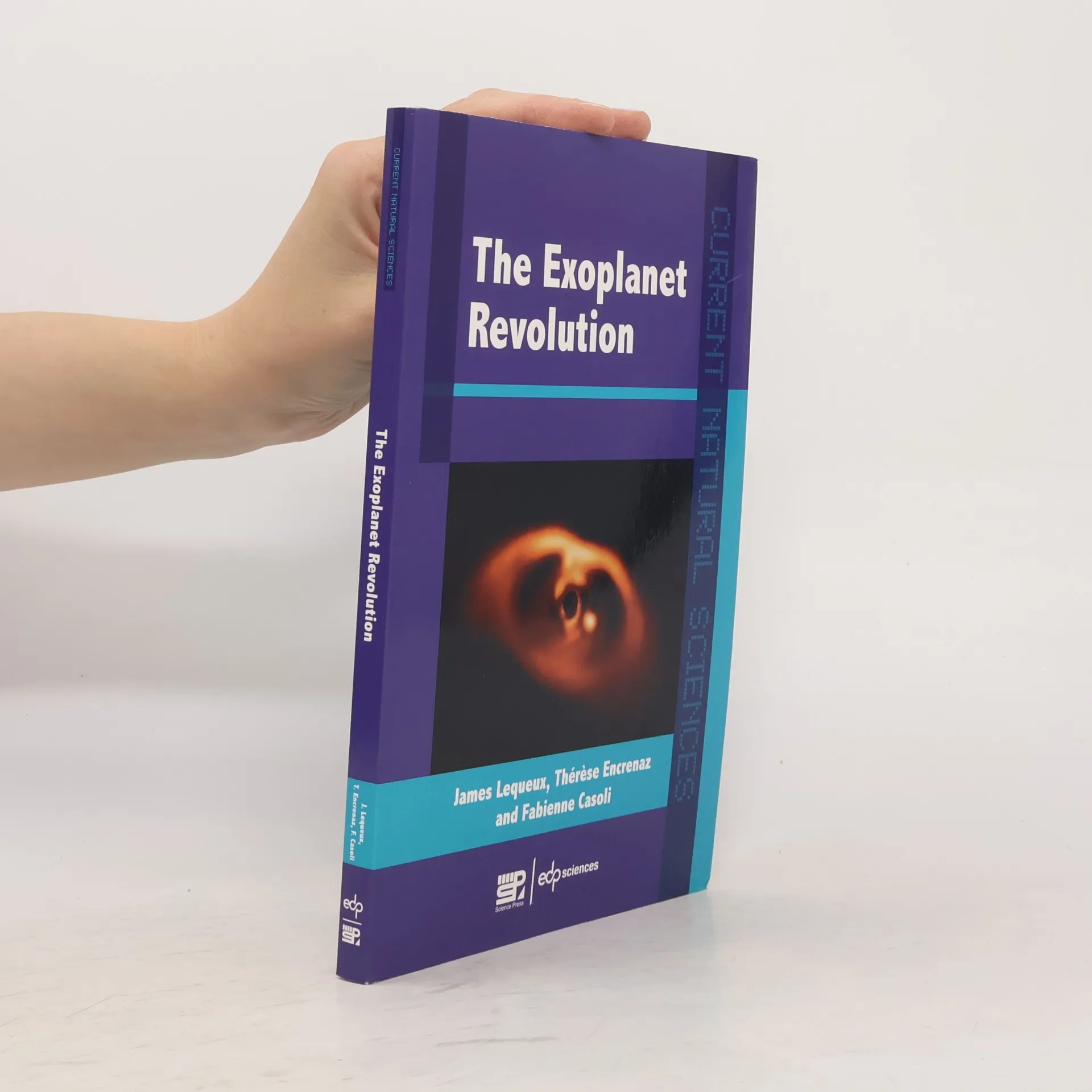
    • More than 4300 planets around nearby stars! Who could have imagined this extraordinary harvest only thirty years ago? As the vast majority of stars are surrounded by planets, we can surmise that there must be more than a hundred billion planets in our Galaxy. The Solar system is therefore very far from unique. However, it looks quite different from most of the external systems that we know today, but the variety of planetary systems is such that it is difficult to conclude that the Solar System is truly particular. Understanding how diverse planet systems were formed and how they evolved, studying the nature of exoplanets and their atmospheres, are challenges that hundreds of researchers around the world are working on. Does any of these planets harbor life? We do not yet have an answer, but the new means of observation and analysis that astronomers have and will soon have at their disposal are so powerful that they could give a first answer in a few decades, and perhaps even in a few years if we are lucky.This book gives a comprehensive vision of this complex and fascinating area of research, presentedin a simple and lively way.

      Current Natural Sciences: The Exoplanets Revolution