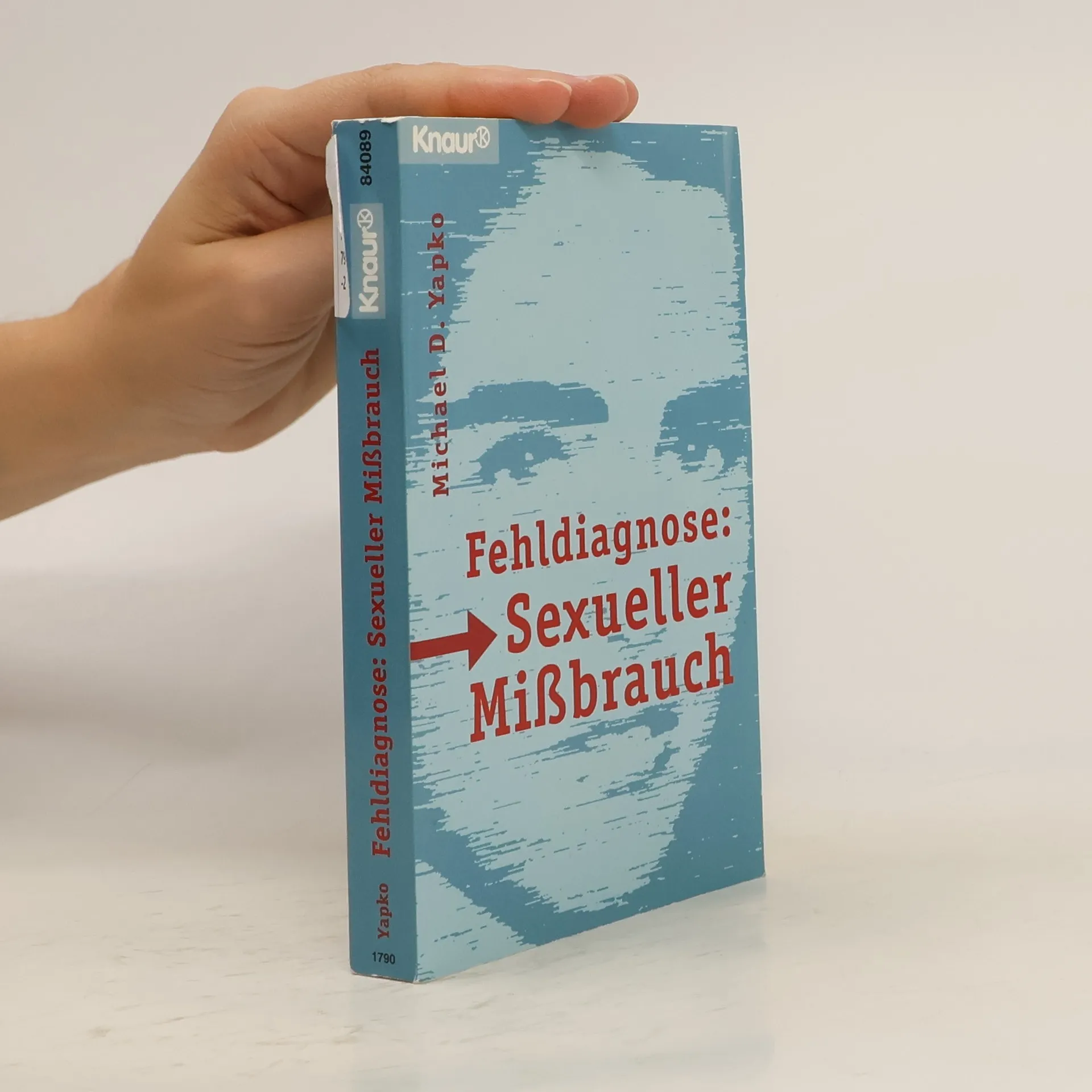
Fehldiagnose: Sexueller Missbrauch
- 365 Seiten
- 13 Lesestunden


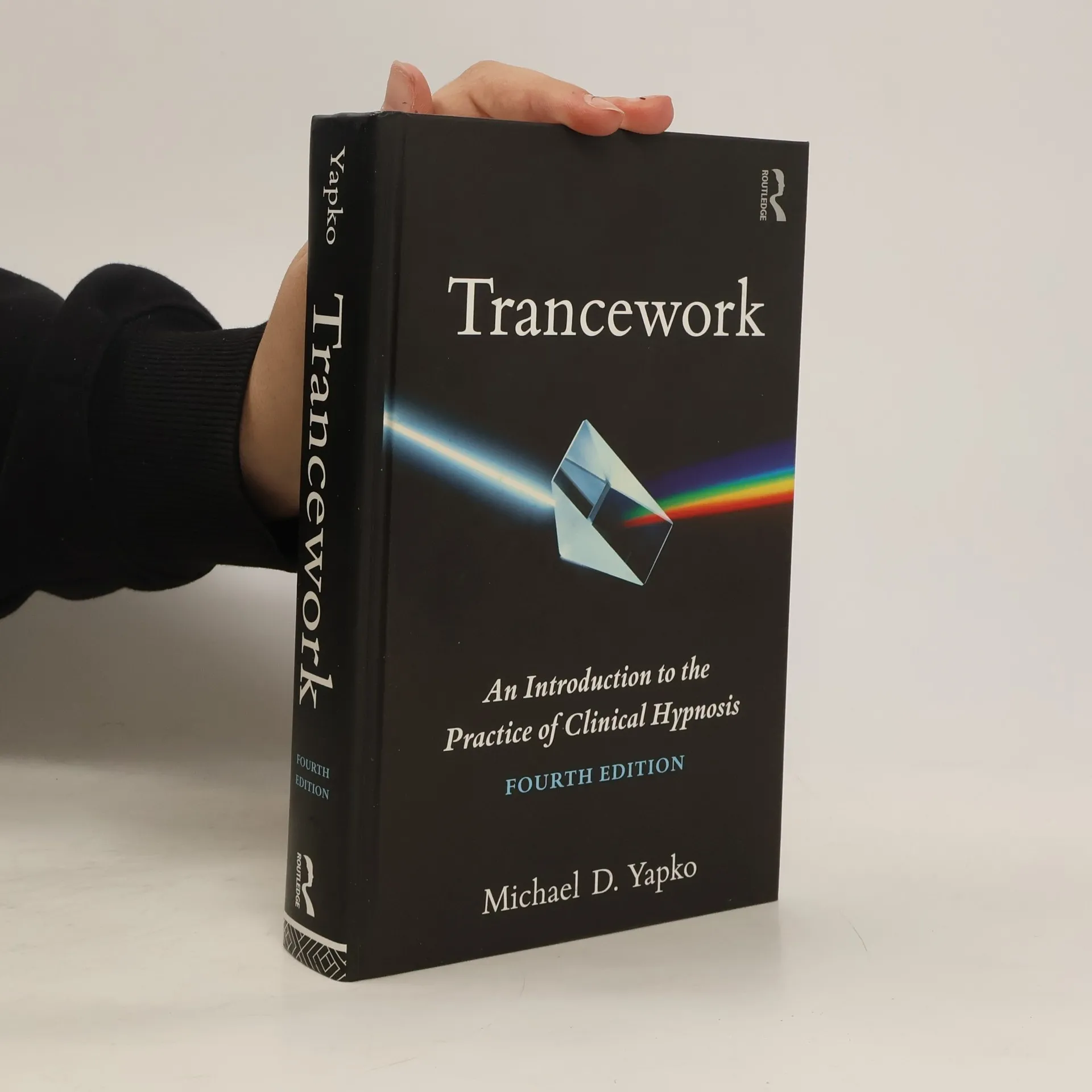
"The fourth edition of Michael Yapko's classic text, Trancework, continues to be the comprehensive guide for learning the fundamental skills of clinical hypnosis. This new edition not only accommodates new studies and topics that have attained a level of importance worthy of their inclusion, but also contains five new chapters on topics such as mind-body therapy, positive psychology, and pediatric hypnosis"--
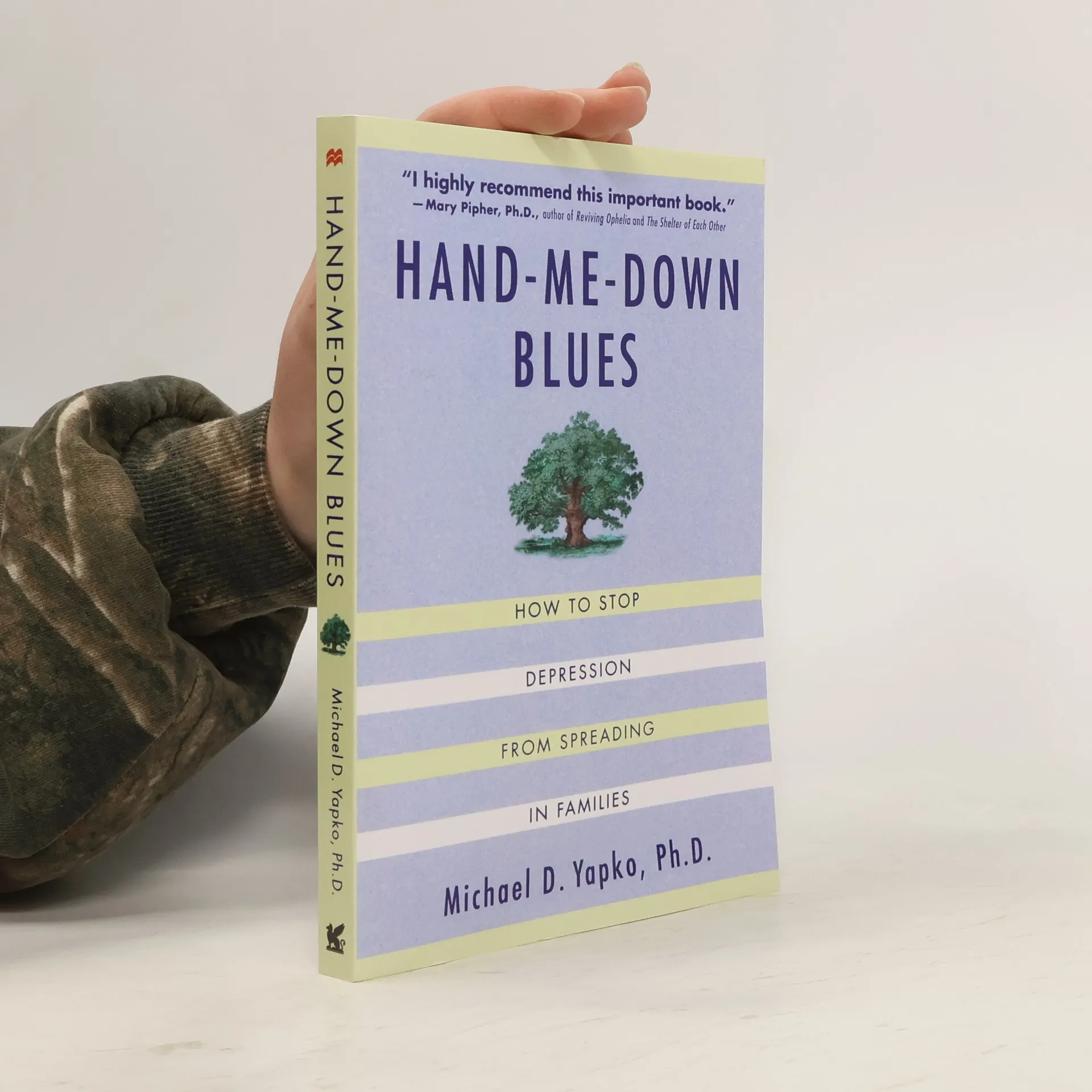
A powerful, family-based approach to understanding and treating depression that goes way beyond ProzacMany people have been led to believe that depression is caused simply by a chemical imbalance in the brain, and as a result they look to science for convenient answers, hoping that "a capsule a day will keep depression away." Unfortunately, this narrow focus on biology and the use of medications has often led people to overlook other important influences, such as how our families can affect emotional health in powerful ways.In Hand-Me-Down Blues, Dr. Michael Yapko carefully describes how the family can play a crucial role in the development of and recovery from depression. Parents introduce their children to various life experiences and inevitably reveal their own values, perspectives, and biases. Children typically learn to interpret life events in the same way their parents do, and their interpretations can be a basis for depression. Once depression strikes, it distorts family relationships, splintering families as it spreads from one person to another like a virus. Thus, children can "inherit" depression less from their parents' genes and more from their parents' attitudes and behaviors.
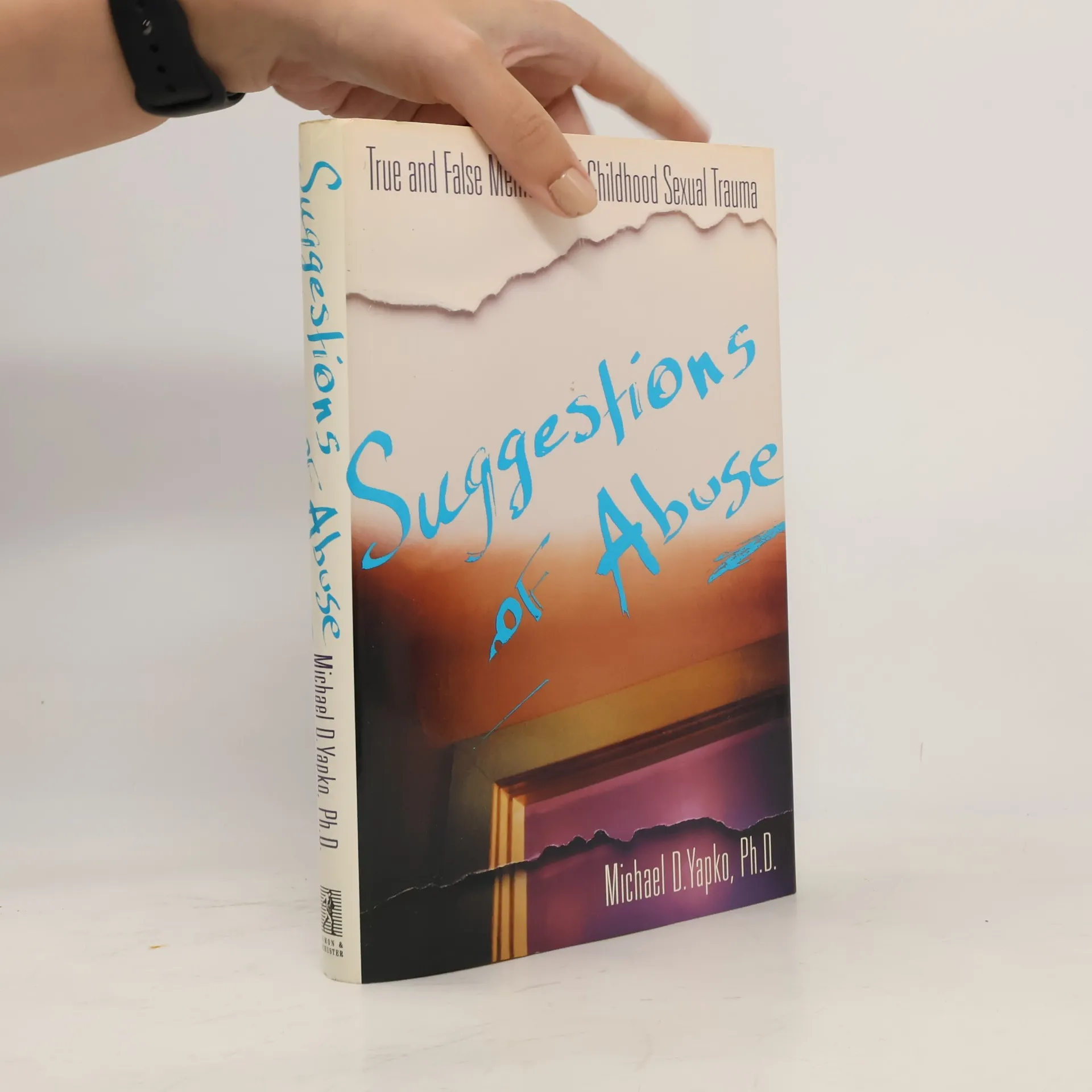
Suggestions of Abuse addresses the controversial subject of false memory and sexual abuse and offers guidance to both the accuser and the accused. Dr. Yapko reveals why a startling proportion of mental health professionals, ignorant about memory, are unwittingly leading their patients to believe they are victims of abuse.