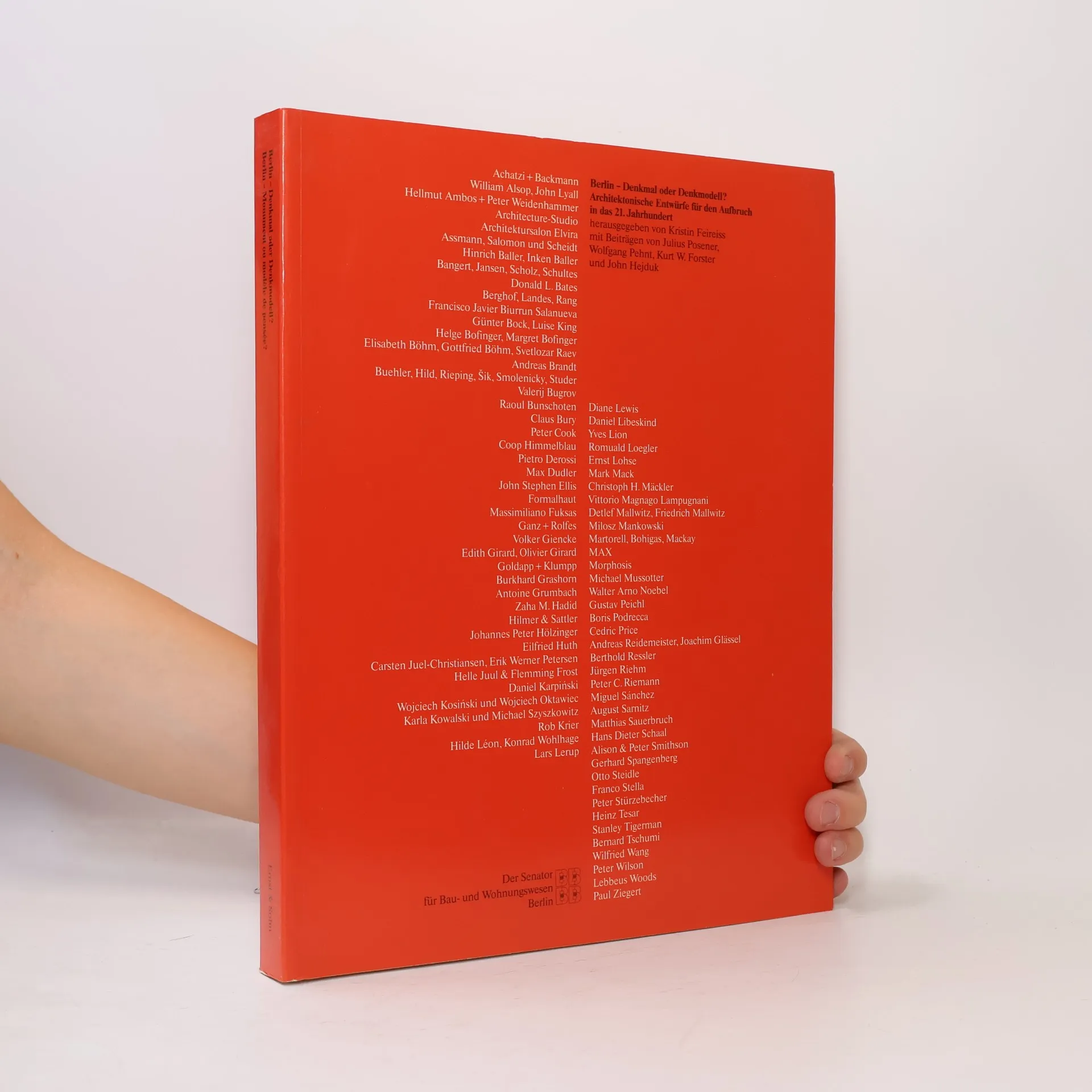
Berlin - Denkmal oder Denkmodell?
Architektonische Entwürfe für den Aufbruch in das 21. Jahrhundert
- 296 Seiten
- 11 Lesestunden


Architektonische Entwürfe für den Aufbruch in das 21. Jahrhundert
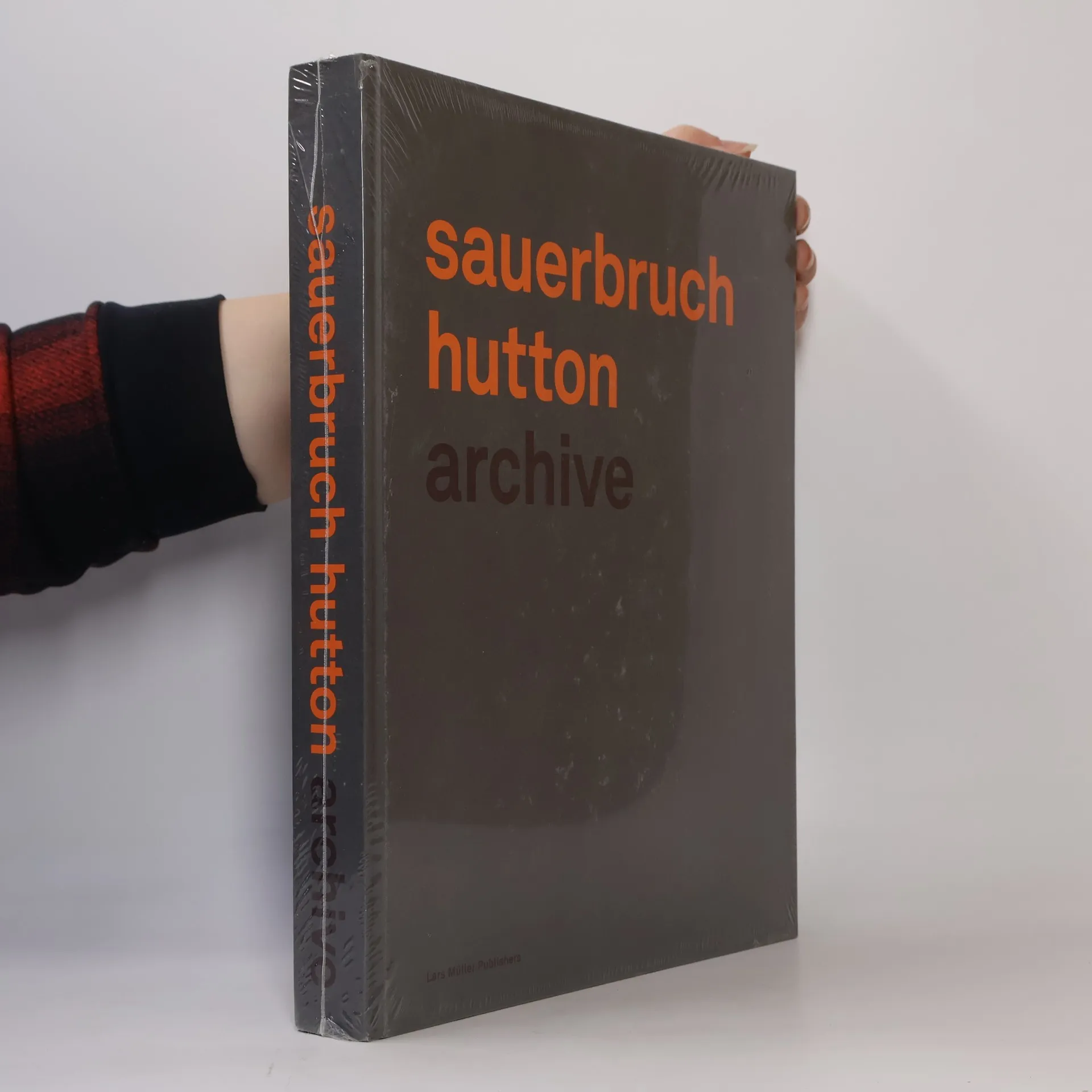
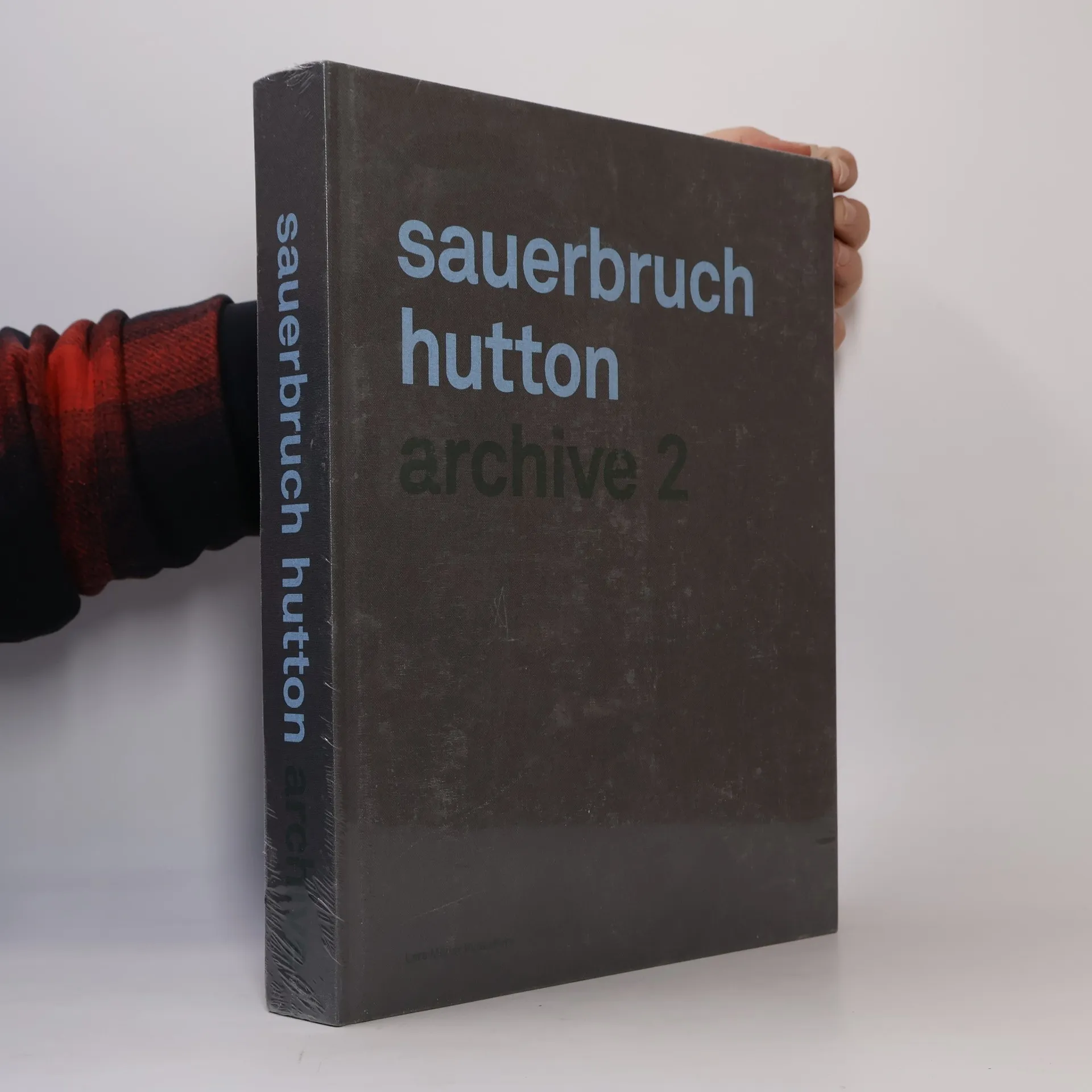
Lars Mueller presents a second major monograph on 'Sauerbruch Hutton, Archive 2', that follows on from the previous Archive that recorded the practice's work from its inception in 1989 to 2006. Archive 2 includes detailed descriptions of 70 works from the period between 2006 and 2015 as well as six essays by the architects and a complete register of all projects. The current compendium traces the development of the office's architectural practice and thinking through a series of completed buildings, works in progress and projects that, as yet, remain unrealised. The book illuminates its strategies of sustainable design, its multiple interventions in the post-industrial cityscapes and the unfolding of an architectural language full of sense and sensuality that reacts to its physical and social context, as well as to functional, technical, spatial, and sculptural considerations. The book reveals Sauerbruch and Hutton's understanding of their profession as an ongoing process of research into presence and future, and is the only comprehensive documentation of their numerous works. Text in English and German AUTHOR: SAUERBRUCH HUTTON was founded in 1989 as an international agency for architecture, urbanism and design. The office has been awarded numerous national and international prizes. Built works range from the Brandhorst Museum in Munich to the Federal Environmental Agency in Dessau. Approx. 1100 illustrations
Dieses Kompendium bietet einen neuen Einblick in das Werk von sauerbruch Die Entwicklung ihres architektonischen Denkes lässt sich lückenlos nachverfolgen anhand von den Texten der Architekten, anhand der beachtlichen Anzahl nicht umgesetzter Entwürfe sowie anhand von realisierten oder im Bau befindlichen Projekten, wie z.B. der GSW Hauptverwaltung in Berlin, dem Umweltbundesamt in Dessau oder dem Museum für die Sammlung Brandhorst in München. Das Buch gibt einerseits einen weitreichenden Überblick, macht aber andererseits auch verständlich, wie jedes Projekt individuell aus dem baulichen und sozialen Kontext heraus entwickelt wurde, und die jeweiligen Formen aus funktionalen, technischen, räumlichen und skulpturalen Überlegungen entstehen. Das Buch lässt erkennen, wie sauerbruch hutton ihre Arbeit als einen Prozess kontinuierlicher Forschung verstehen. Dabei taucht der Schwerpunkt der Nachhaltigkeit im gesamten Buch immer wieder als wesentlicher Bestandteil ihres Interesses auf. Darüberhinaus haben die Architekten eine eigene Sprache entwickelt, die am räumlichen Einsatz von Farbe und Material sowie ihrer organischen Körperlichkeit wieder erkennbar ist.