

Martin Ostwald Bücher


Die Nikomachische Ethik
- 376 Seiten
- 14 Lesestunden
Jedes Handeln und Denken strebt nach dem Guten – das ist die Grundvoraussetzung für die 'Nikomachische Ethik' des Aristoteles. Das ethische Vermögen des sozialen Menschen liegt für ihn im Vermeiden jedes Übermaßes, in jener 'Mitte', die allein Tugend und Glück hervorbringt. Dabei zielt er nicht auf einen starren Moralkodex mit konkreten Handlungsanweisungen, sondern auf das Erreichen des höchsten Gutes im Sinne eines möglichst tugendhaften und somit glücklichen Lebens im menschlichen Miteinander. Die Klarheit und Kraft seiner Gedanken sind bis heute ungebrochen.
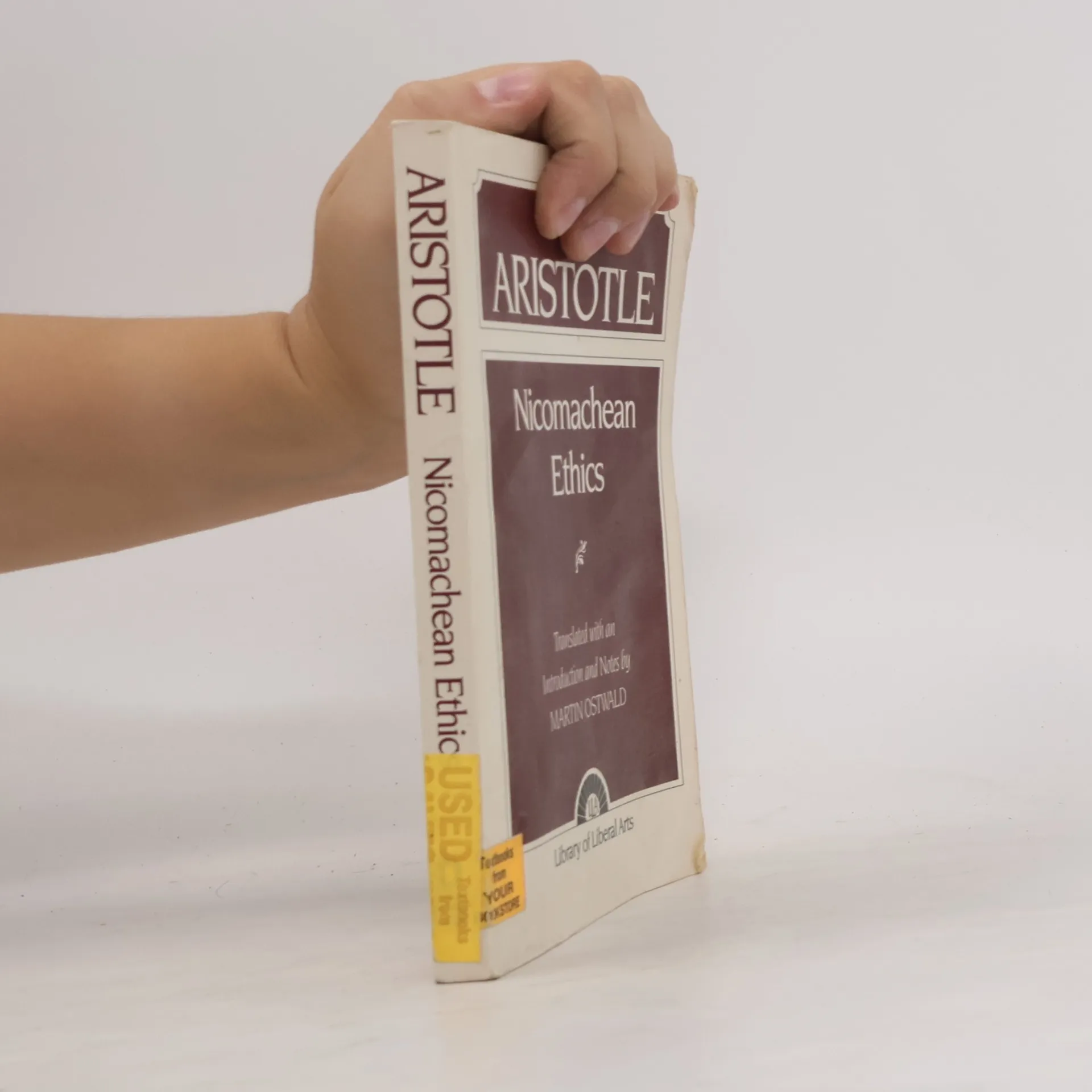
Library of Liberal Arts: Nicomachean Ethics: Translated With An Introduction And Notes
- 316 Seiten
- 12 Lesestunden
Enduringly profound treatise, whose lasting effect on Western philosophy continues to resonate. Aristotle identifies the goal of life as happiness and discusses its attainment through the contemplation of philosophic truth.
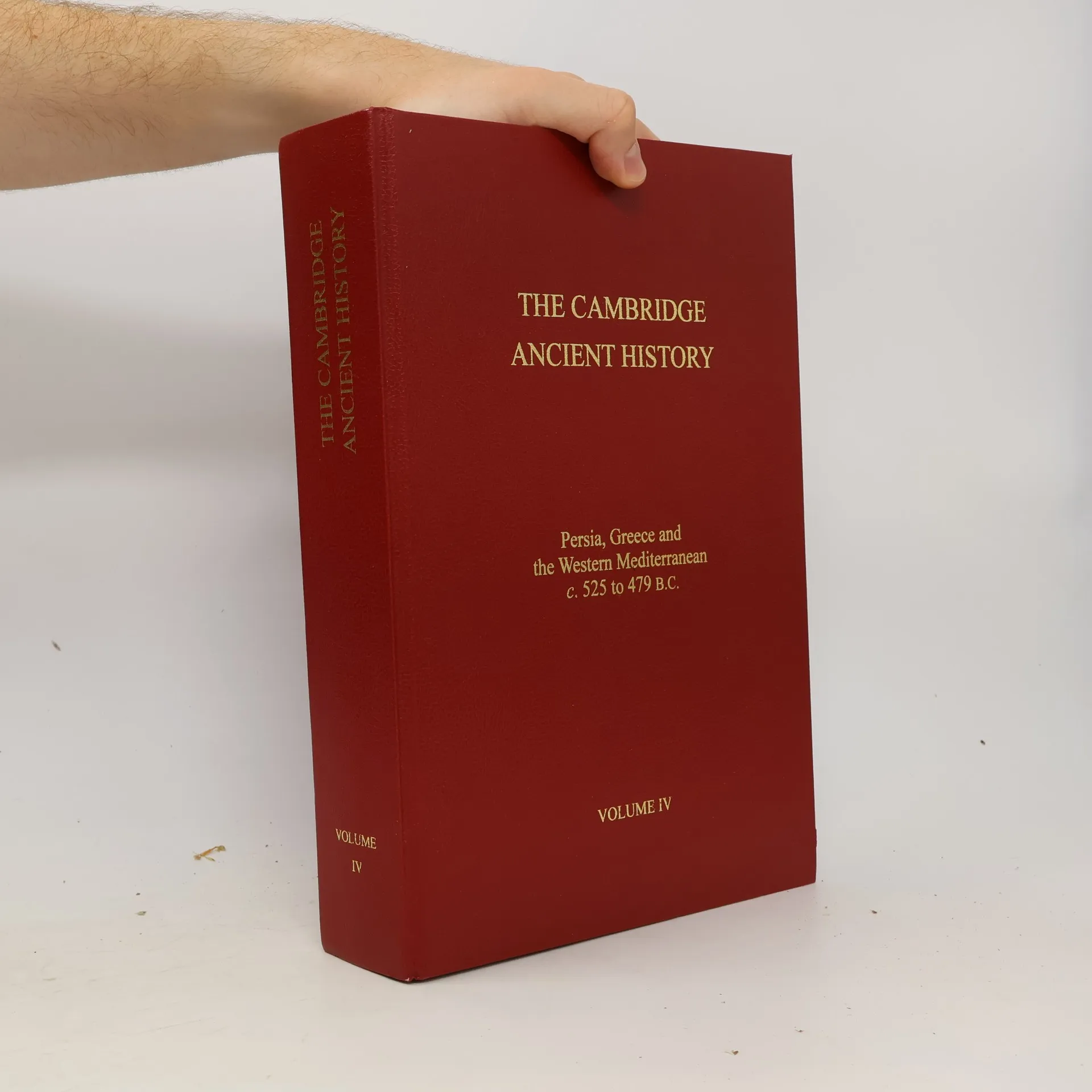
The Cambridge Ancient History, Volume 4
Persia, Greece and the Western Mediterranean, c.525-479 B.C. - 3rd Edition
- 946 Seiten
- 34 Lesestunden
This fourth volume in the Cambridge Ancient History centres on events in Greece and Persia in the sixth and fifth centuries BC, from the creation of the Persian empire to the defeat of the empire's invasion of Greece.The first section of the volume examines the Persian empire, its territories, and its expansion under Cyrus, Darius, and Xerxes. Second, in this era, Sparta attained maturity as the leader of a military coalition and Athens passed through a period of enlightened tyranny to a moderate democracy of dynamic energy and intelligence. Given the contrast between Greek idealism and Persian absolutism a clash between the two empires was inevitable. Important chapters deal with the revolt of Ionian Greeks against the Persians, and the two Persian invasions of Greece, including the epic battles of Marathon, Thermopylae, and Salamis. The third division of the volume turns to the Western Mediterranean: Italy has now become a significant factor in the area's historical development and is explored in terms of its peoples and languages from the Bronze to the Iron Ages.