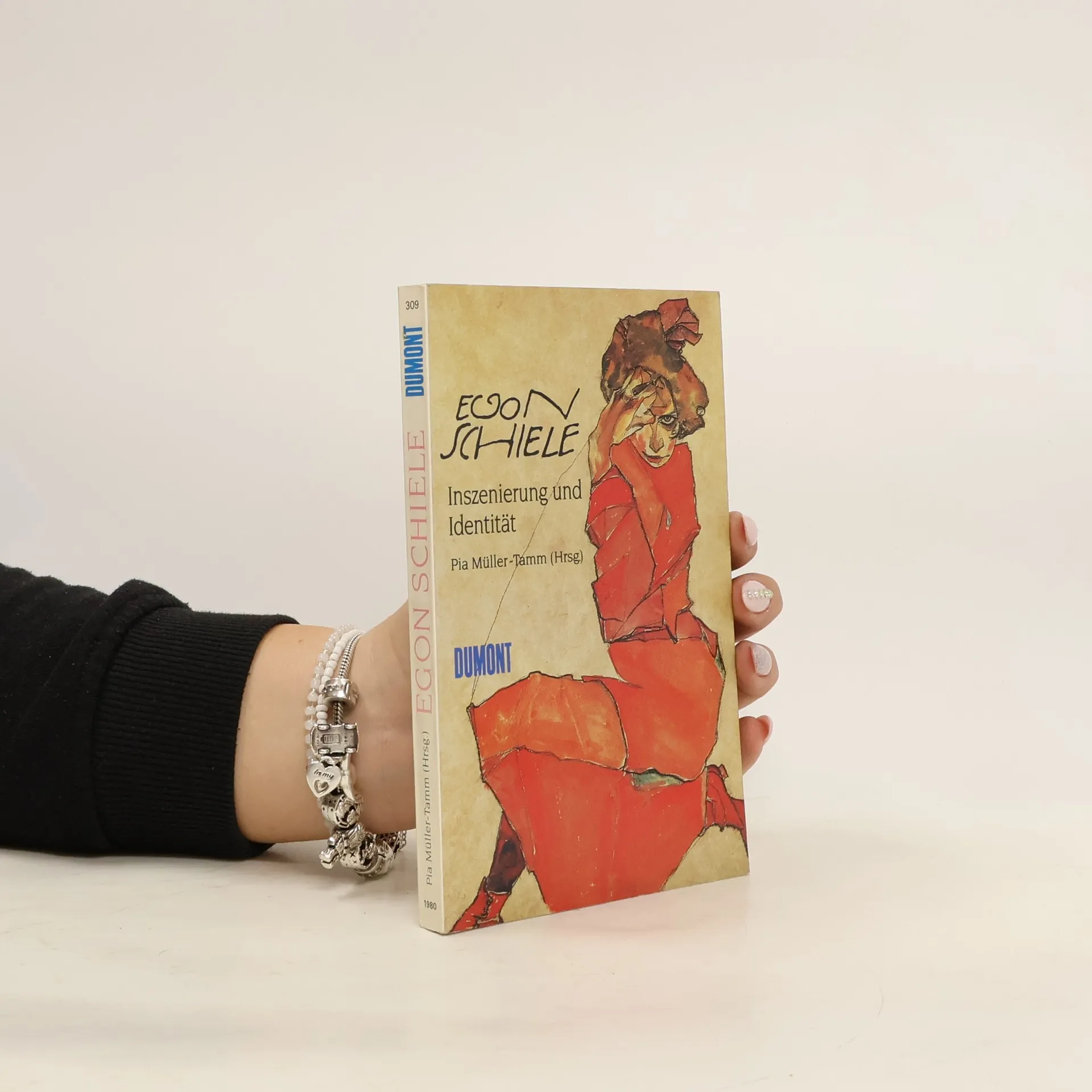
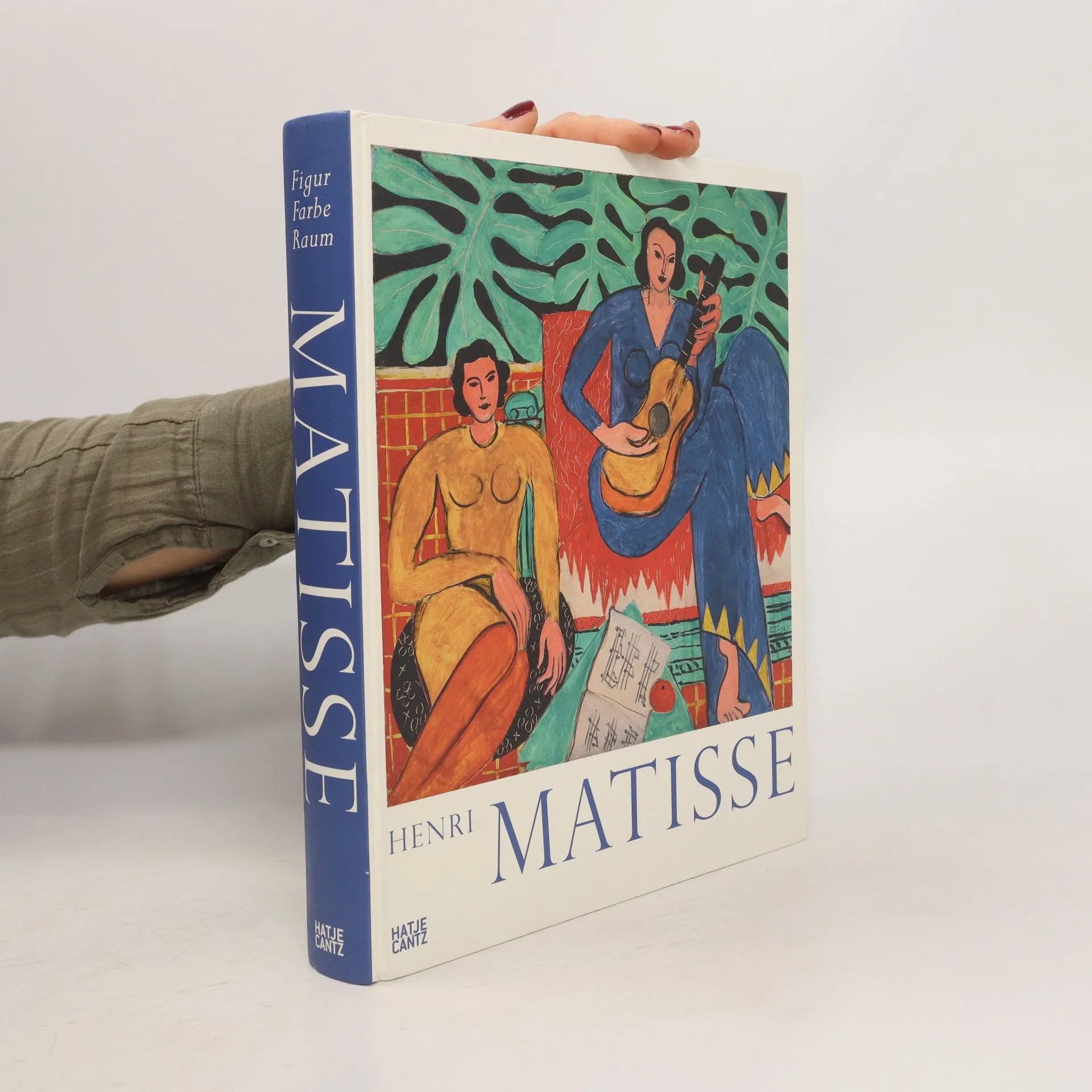
Kein anderes Thema inspirierte Henri Matisse während seiner Karriere so leidenschaftlich wie die weibliche Figur in Innenräumen. Diese umfassende Publikation behandelt das Thema der Frauen in Matisse' Werk und beleuchtet das gesamte Spektrum seiner kreativen Evolution, von den kleinen, düsteren frühen Bildern bis zu den meisterhaften Kompositionen seiner Fauvismus-Phase, den intimen malerischen Erfindungen der Nizza-Periode und schließlich den leuchtenden Papierschnitten seines Spätwerks. Viele der Innenräume zeigen Frauen beim Lesen, Schlafen oder Tagträumen, passive Figuren, die in orientalischen Stoffen gehüllt sind, als Odalisken kostümiert oder auf Liegen ruhend. Weitere Motive sind der Künstler und sein Modell, das Atelier des Künstlers, das Porträt, das Stillleben und der Blick aus einem Fenster. Figure Color Space bietet eine eingehende Untersuchung dieses wichtigen Themas in Matisse' Werk, durch das er sein reiches und einfallsreiches Repertoire an Formen und Farben entwickelte und kontinuierlich erkundete. Neben Gemälden aus allen Perioden umfasst es Skulpturen, Zeichnungen, Papierschnitte und Drucke sowie historische Atelierfotografien von Cartier-Bresson, Brassai, Hal Ne Adant und anderen. Eine reich illustrierte Biografie rundet diese exquisite Präsentation ab.
Pia Müller-Tamm Bücher
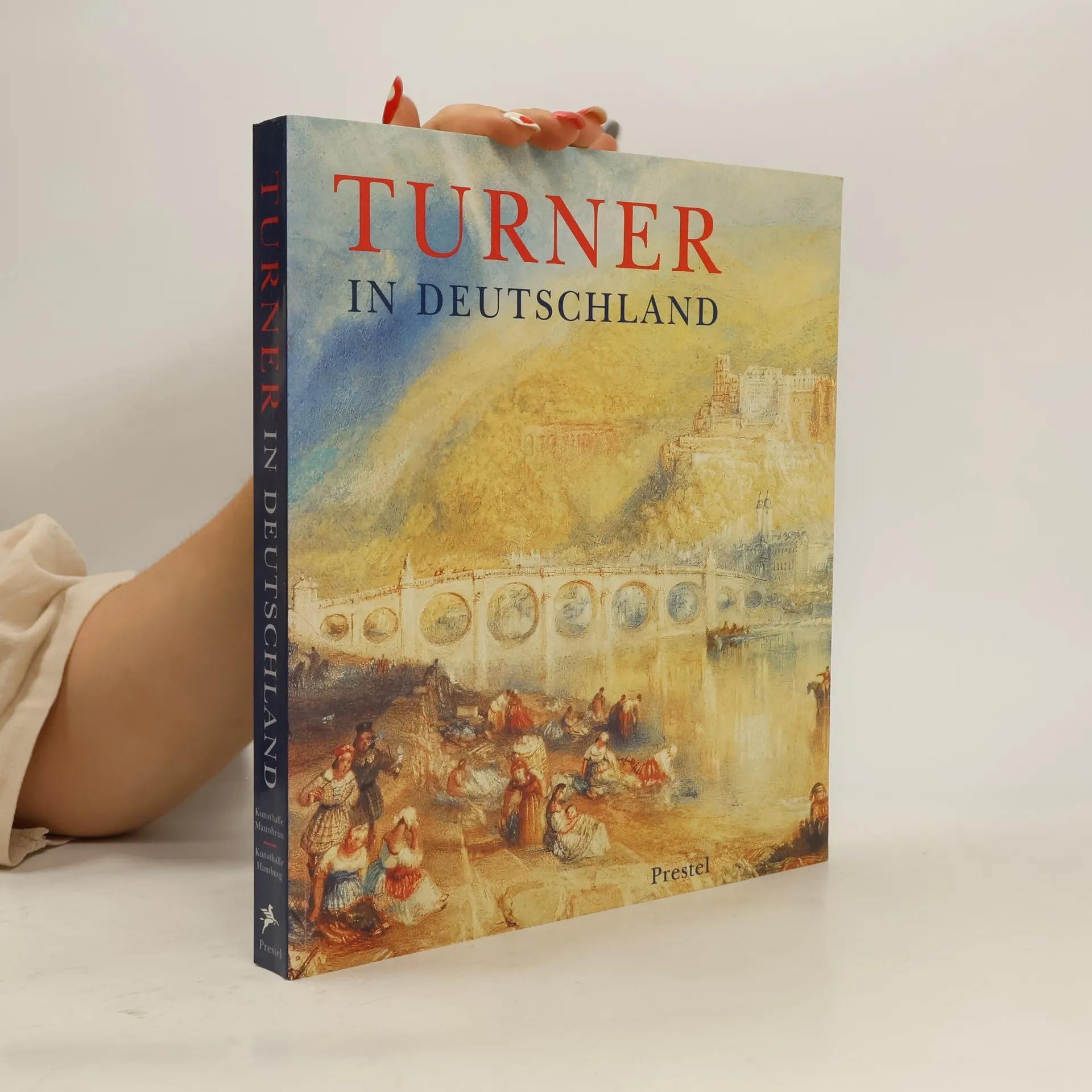
William Turner in Deutschland
- 276 Seiten
- 10 Lesestunden
Der berühmte englische Landschaftsmaler, der den Kontinent oft und gern bereiste, unternahm zwischen 1817 und 1844 allein 7 Reisen durch Deutschland. Der künstlerische Ertrag besteht in einer stattlichen Anzahl Zeichnungen, Skizzen und Aquarelle. Diese erlesenen Blätter sind erstmals Gegenstand einer Ausstellung (Kunsthallen in Mannheim und Hamburg) und der wissenschaftlichen Untersuchung. Das vorliegende, in bewährter Prestel-Art gestaltete Katalogbuch (vor Ort kt. 49,00) ist daher zugleich ein wichtiger Beitrag zur Turner-Forschung. Vorzüglicher Druck, hohe Qualität der zahlreichen Illustrationen, Anmerkungen, Bibliographie, Register. Nach Einführungen in Turners Oeuvre wie Jean Selz (Turner: BA 1/77, 288; Selz: E-ID 27/91) und H. Ohff (BA 6/87) neben, ggf. vor A. Wilton: "Turner und seine Zeit" (ID 5/88)
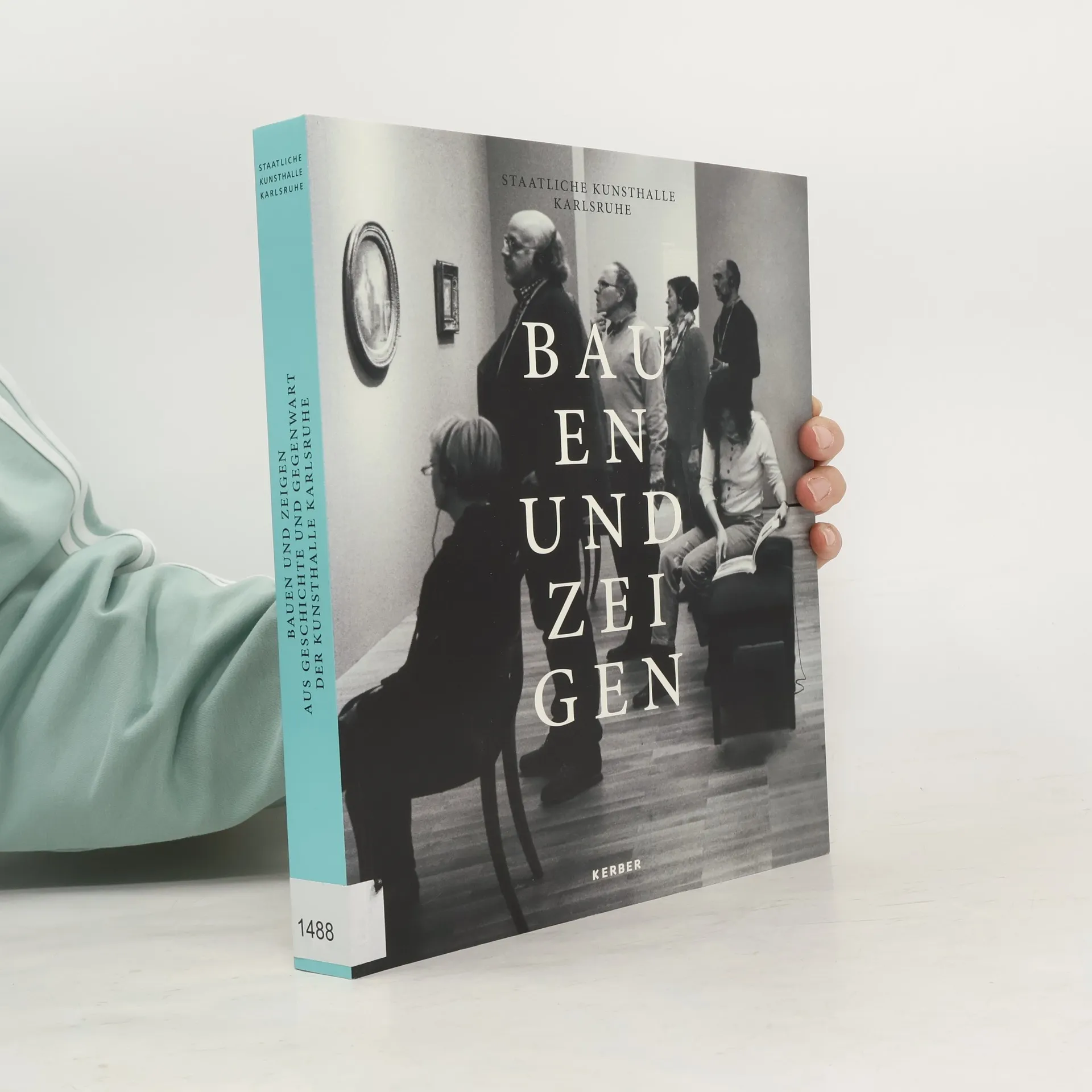
Bauen und Zeigen
- 334 Seiten
- 12 Lesestunden
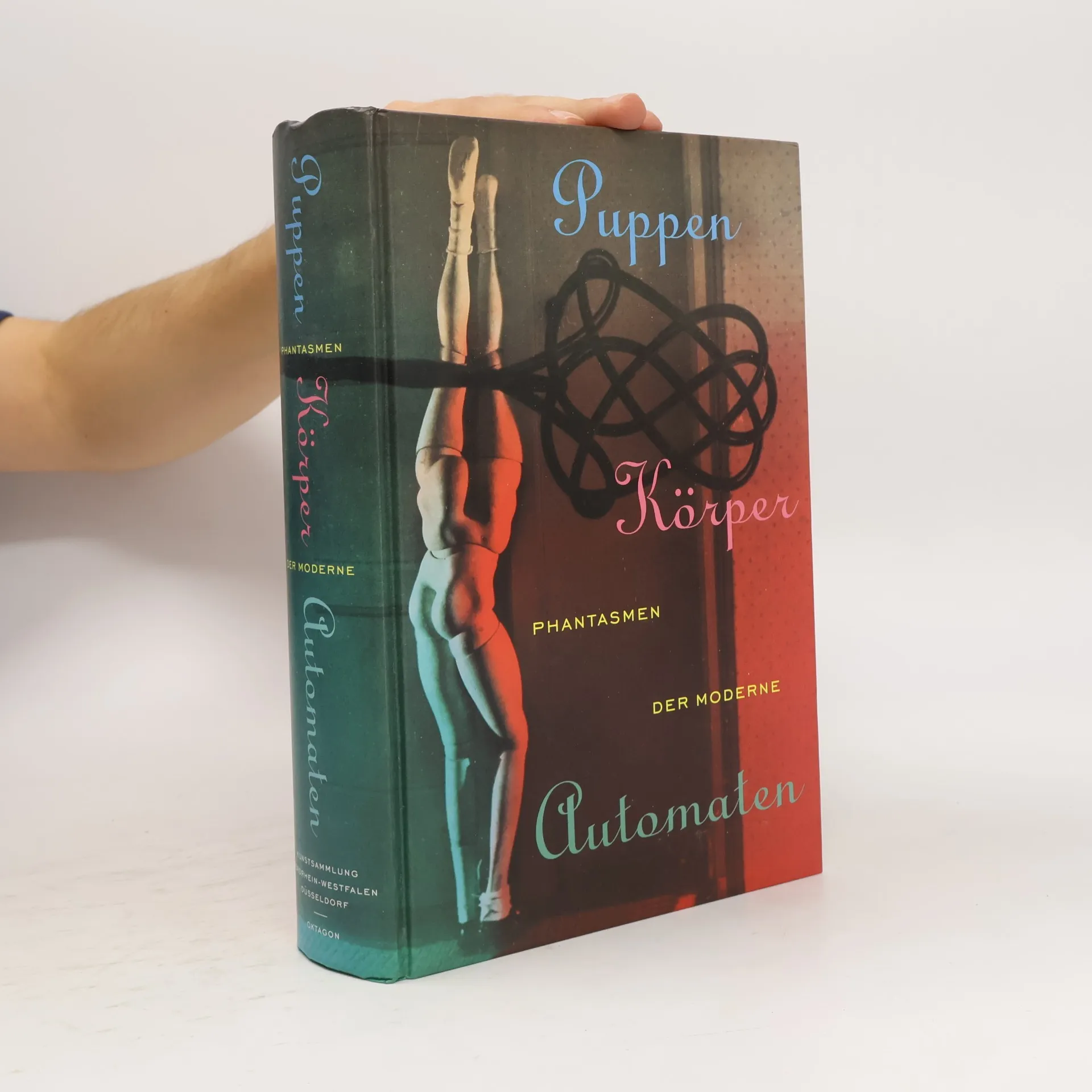
Puppen, Körper, Automaten: Phantasmen der Moderne
- 493 Seiten
- 18 Lesestunden
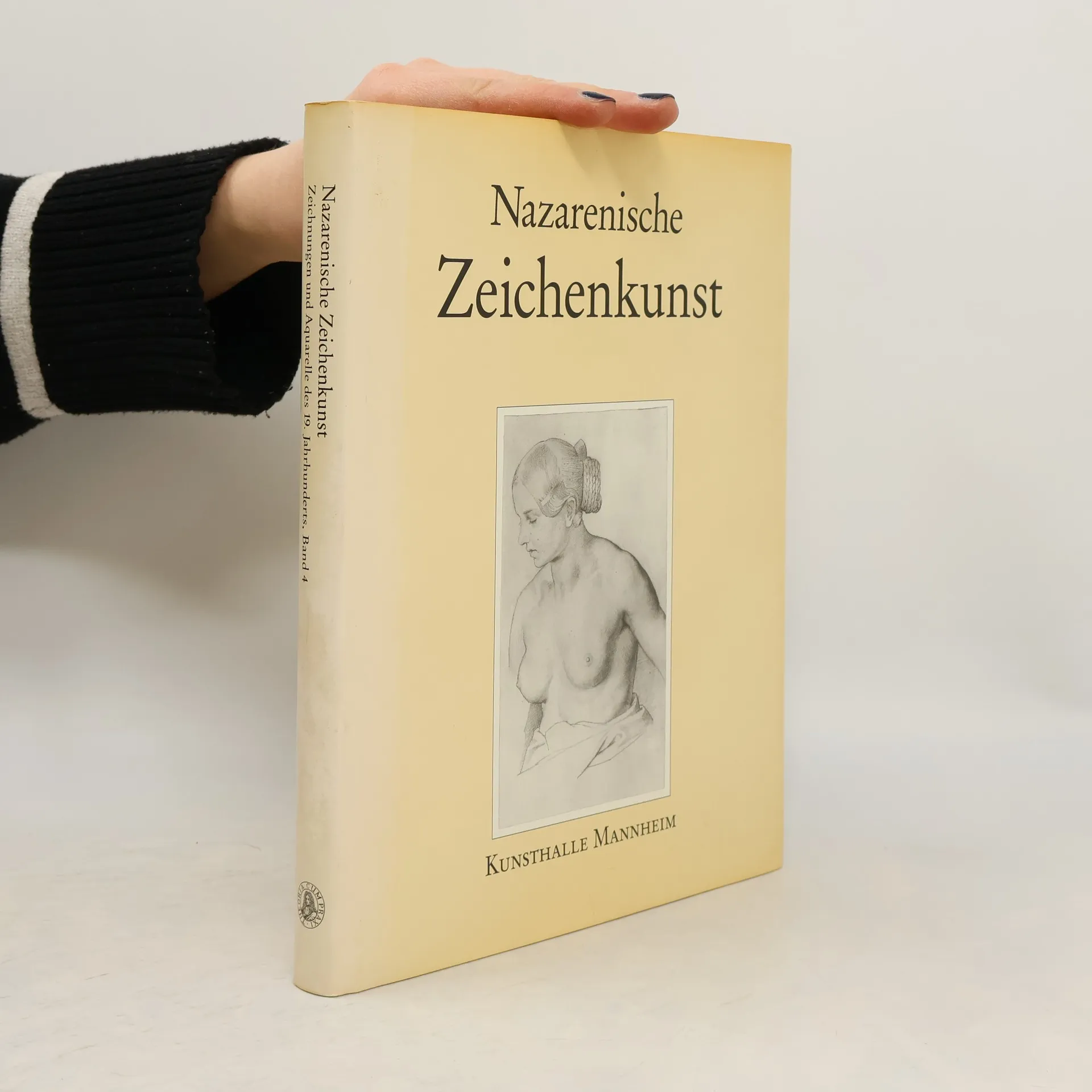
Die Annotation bietet keine detaillierte Beschreibung des Buches "Nazarenische Zeichenkunst".
Katharina Sieverding
- 151 Seiten
- 6 Lesestunden
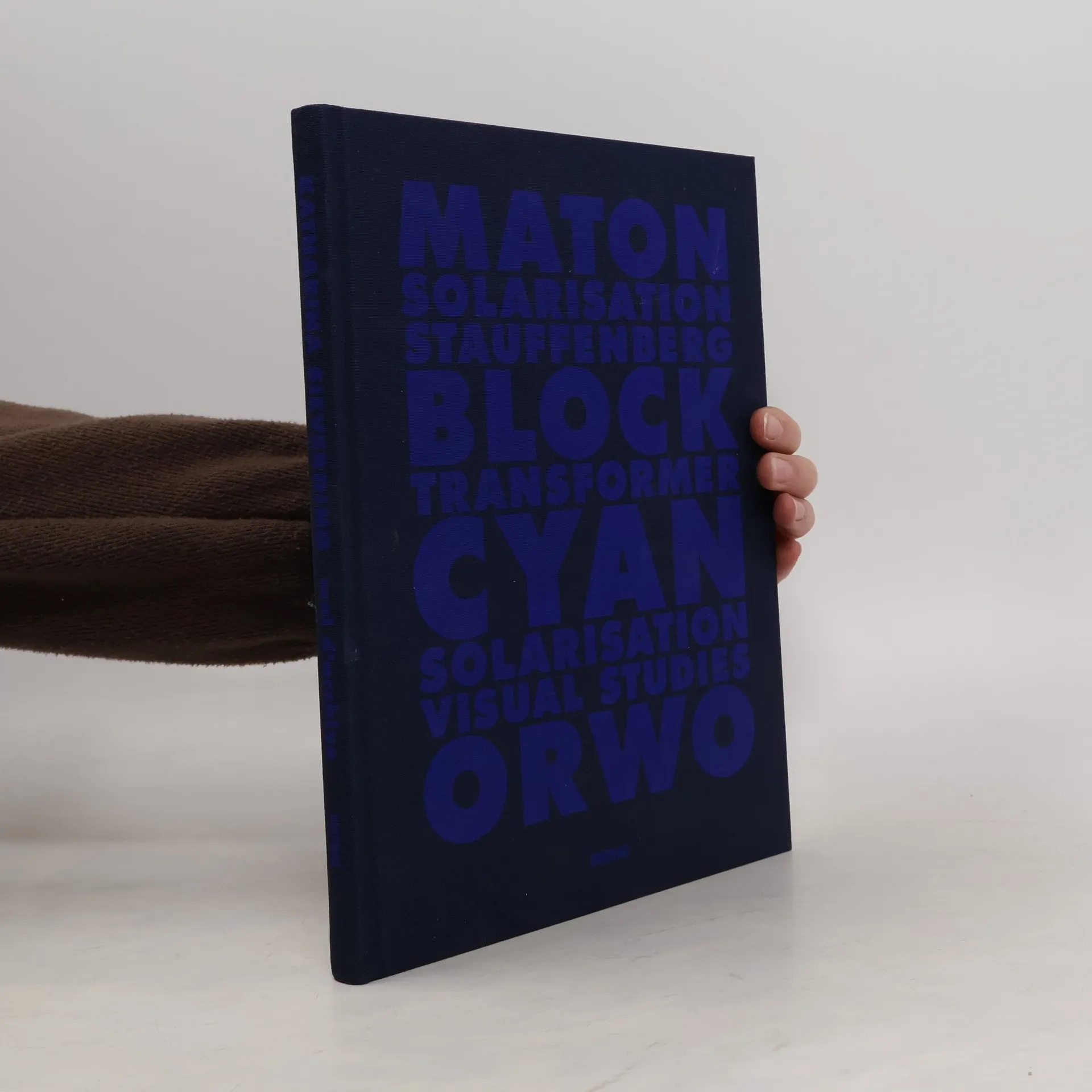
Over the course of more than four decades, Katharina Sieverding (b. Prague, 1944; lives and works in Düsseldorf) has built an oeuvre that has charted a wide terrain between the poles of individuality and society, sentiment and critique, presence and withdrawal. The book, designed by Sieverding and her studio, presents a novel documentation of the work Stauffenberg-Block. Created in 1969, Stauffenberg-Block consists of sixteen large-format color photographs and is dedicated to Claus Stauffenberg, a member of the resistance against Hitler who was executed in 1944 after his failed attempt to assassinate the dictator. The book combines it with the series F (1969) and Transformer-Cyan-Solarisation (1973/74). The three ensembles of works are based on the conceptual use of the artist’s self-portrait. Its serial repetition and continual transformation calls the capacity of the individual portrait to record the subject’s identity in question. Two works from the series Visual Studies (2002) and the archival storage unit ORWO (2014), presented as a spatial object, round out the selection. They hint at the wide-ranging visual archive on which Katharina Sieverding’s work draws. With an introductory essay on feminism, antifascism, and psychedelia by Diedrich Diederichsen.