
Bookbot

Larry L. Peterson Bücher

    Computer Networks
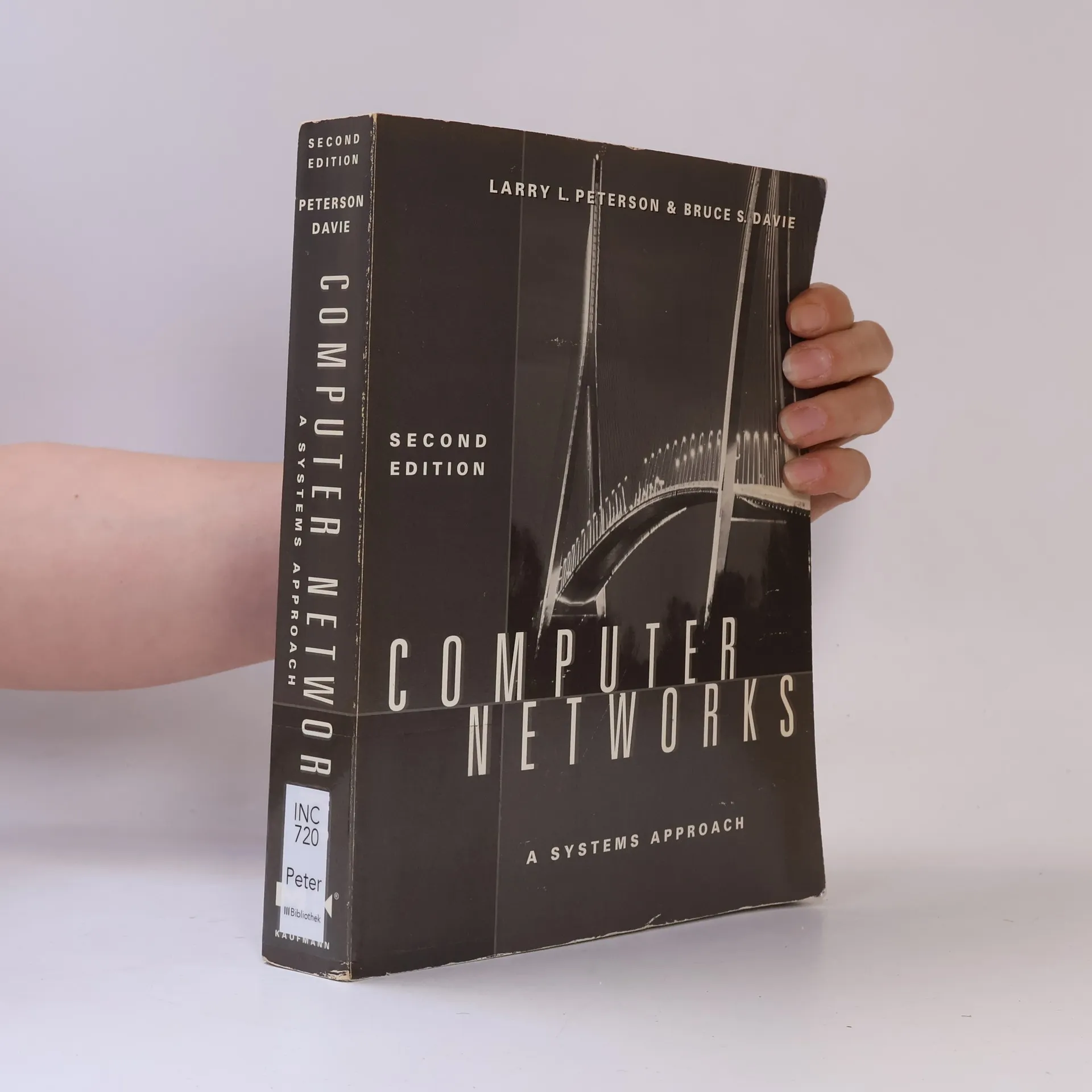
    Computer Networks. A Systems Approach
    Tibetan Shamanism
    Computernetze
    • Computernetze

      Eine systemorientierte Einführung - Deutsche Ausgabe der 3. amerikanischen Auflage

      • 802 Seiten
      • 29 Lesestunden

      In dieser überarbeiteten Neuauflage des Standardlehrbuchs bieten die Autoren eine systemorientierte Perspektive auf Computernetze, mit einem Fokus auf IP-basierte Netze. Sie erklären das Warum beim Netzwerkausbau und fördern ein praktisches Verständnis, indem sie zeigen, wie Technologien und Protokolle zur Lösung spezifischer Probleme eingesetzt werden. Die grundlegenden Designprinzipien und das Ende-zu-Ende-Verhalten von Netzwerken werden transparent gemacht. Code-Beispiele veranschaulichen die Implementierung von Protokollen und Algorithmen. Neue Themen in dieser Auflage umfassen MPLS, Switching, drahtlose Technologien, Peer-to-Peer- und Overlay-Netzwerke, optische Netze, VPNs, SSH sowie Multimedia-Kommunikation und IP-Telefonie (SIP, SDP). Mit über 30 Jahren Erfahrung in Forschung, Entwicklung und Lehre bringen die Autoren einen ausgeprägten pädagogischen Ansatz ein, der zahlreiche Übungen umfasst, die in dieser Ausgabe erweitert wurden. Lösungen zu ausgewählten Aufgaben sind ebenfalls enthalten. Das Buch richtet sich an Studierende im Grundstudium sowie an Fachleute, die ein tieferes Verständnis der Protokolle und ein aktuelles Gesamtbild über Netzwerke suchen. „Diese dritte Auflage stellt ein bedeutendes Upgrade dar, ohne das übergeordnete Ziel aus den Augen zu verlieren, nicht nur die Fakten, sondern auch die Hintergründe zu vermitteln.“ - Aus dem Vorwort von David Clark, MIT.

      Computernetze
    • Tibetan Shamanism

      • 208 Seiten
      • 8 Lesestunden

      Reflecting sixteen years of intensive fieldwork, this book is a rich chronicle of the daily lives, belief systems, and healing rituals of four highly revered Tibetan shamans forced into exile by the Chinese invasion during the 1950s. Larry Peters lived and studied closely with the shamans in Nepal, learning their belief system, observing and participating in their rituals, and introducing many dozens of students to their worldview. Including photographs of the shamans in ecstatic ritual and trance, this book—one of the most extensive ethnographic works ever done on Tibetan shamanism—captures the end of Tibetan shamanism while opening a window onto the culture and traditions that survived centuries of attack in Tibet, only to die out in Nepal. The violent treatment of shamans by the Buddhist lama has a long history in Tibet and neighboring Mongolia. At one point, shamans were burned at the stake. However, in the mountainous Himalayan terrain, especially in the difficult to reach areas geographically distant from the Buddhist monastic urban centers, shamans were respected and their work revered. Peters’s authoritative and meticulous research into the belief systems of these last surviving representatives of the shamanic traditions of the remote Himalayas preserves, in vivid detail, the techniques of ecstasy, described as pathways to the shamanic spiritual world.

      Tibetan Shamanism
      3,7
    • Computer Networks. A Systems Approach

      Second Edition

      • 748 Seiten
      • 27 Lesestunden

      Networking technologies and practices are constantly evolving, and this carefully revised edition equips students with the understanding needed to keep pace. Authors Peterson and Davie emphasize a systems-oriented approach, focusing on the "why" of network design rather than just specifications. This edition covers Quality of Service issues, mobile and wireless networks, VPNs, and more, with over 100 new exercises to help consolidate knowledge. The authors, with over 30 years of experience in networking, provide unparalleled instruction on the principles and practical implementation of computer networks. The second edition includes cutting-edge topics such as security techniques (PGP, IPSEC, secure sockets, and firewalls), application layer protocols (SMTP, HTTP, SNMP, DNS, and RTP), and new material on wireless technology (spread spectrum techniques and 802.11). Expanded discussions on Internet routing, congestion control, and multimedia communications reflect recent changes in the field. Effective pedagogical components enhance understanding, including problem statements, shaded sidebars on advanced topics, highlighted summary paragraphs, guided discussions on controversial issues, and further reading suggestions. With a focus on systems and real-world implementation examples, including operating system-independent C code, this edition prepares students to understand why networks are designed as they are and cultivates

      Computer Networks. A Systems Approach