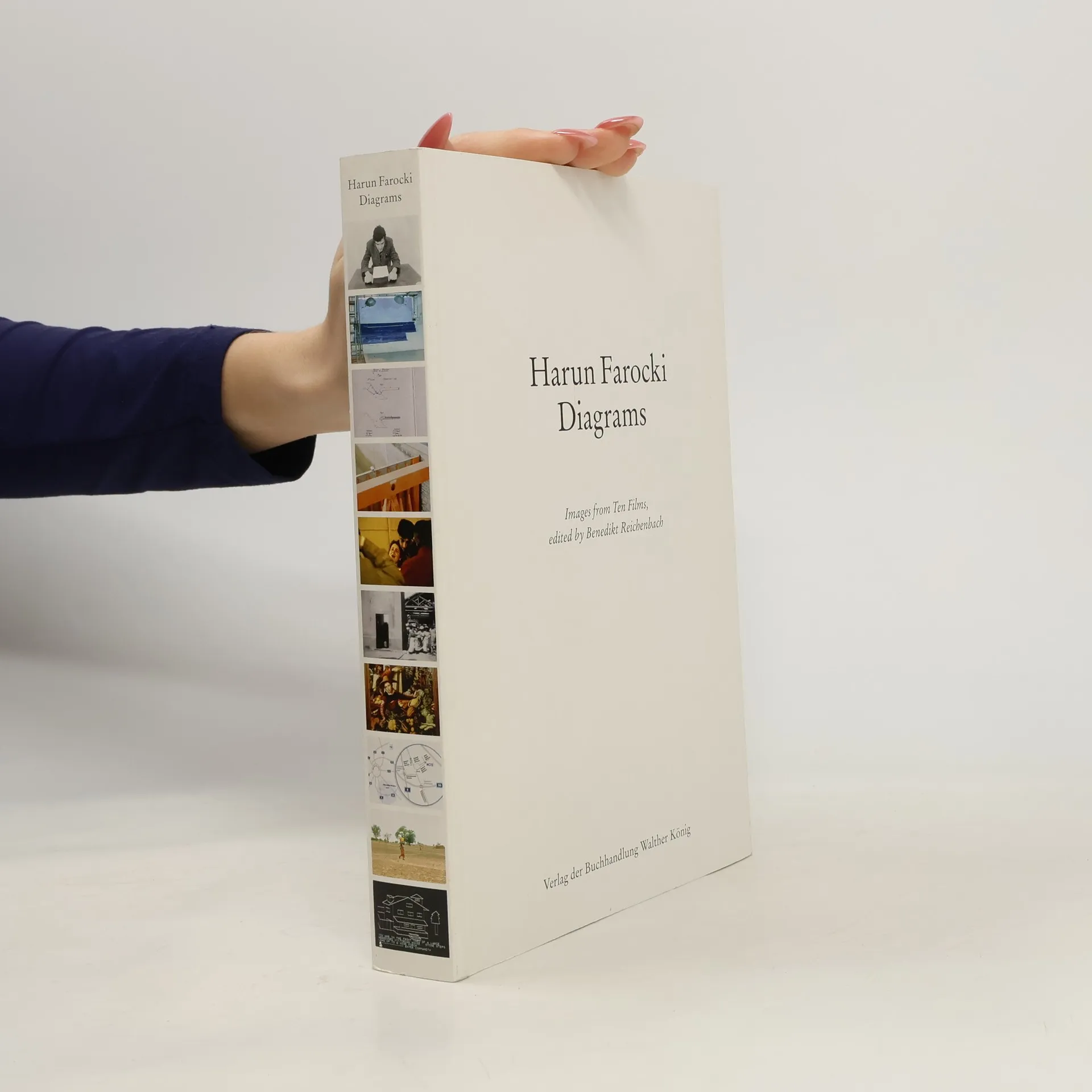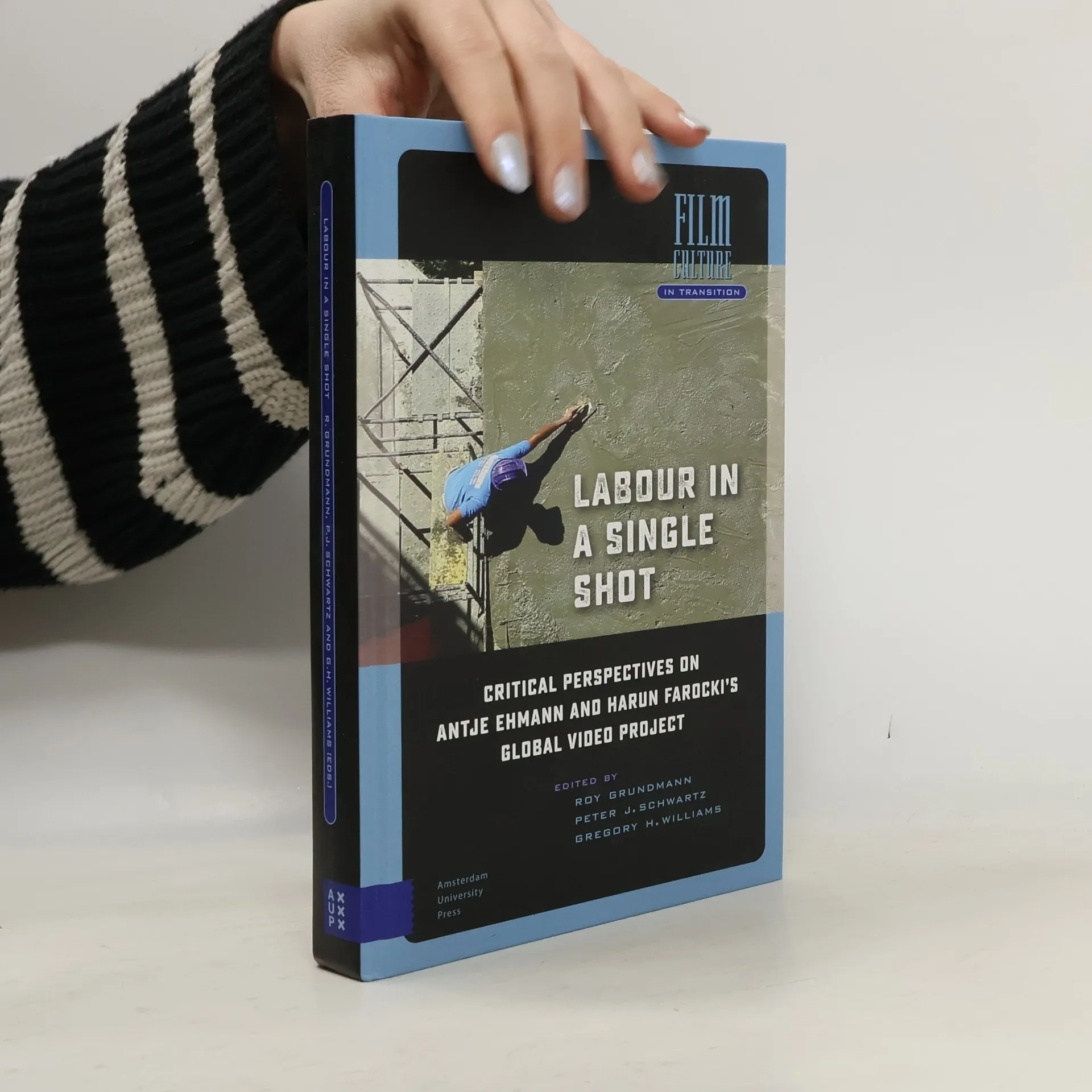
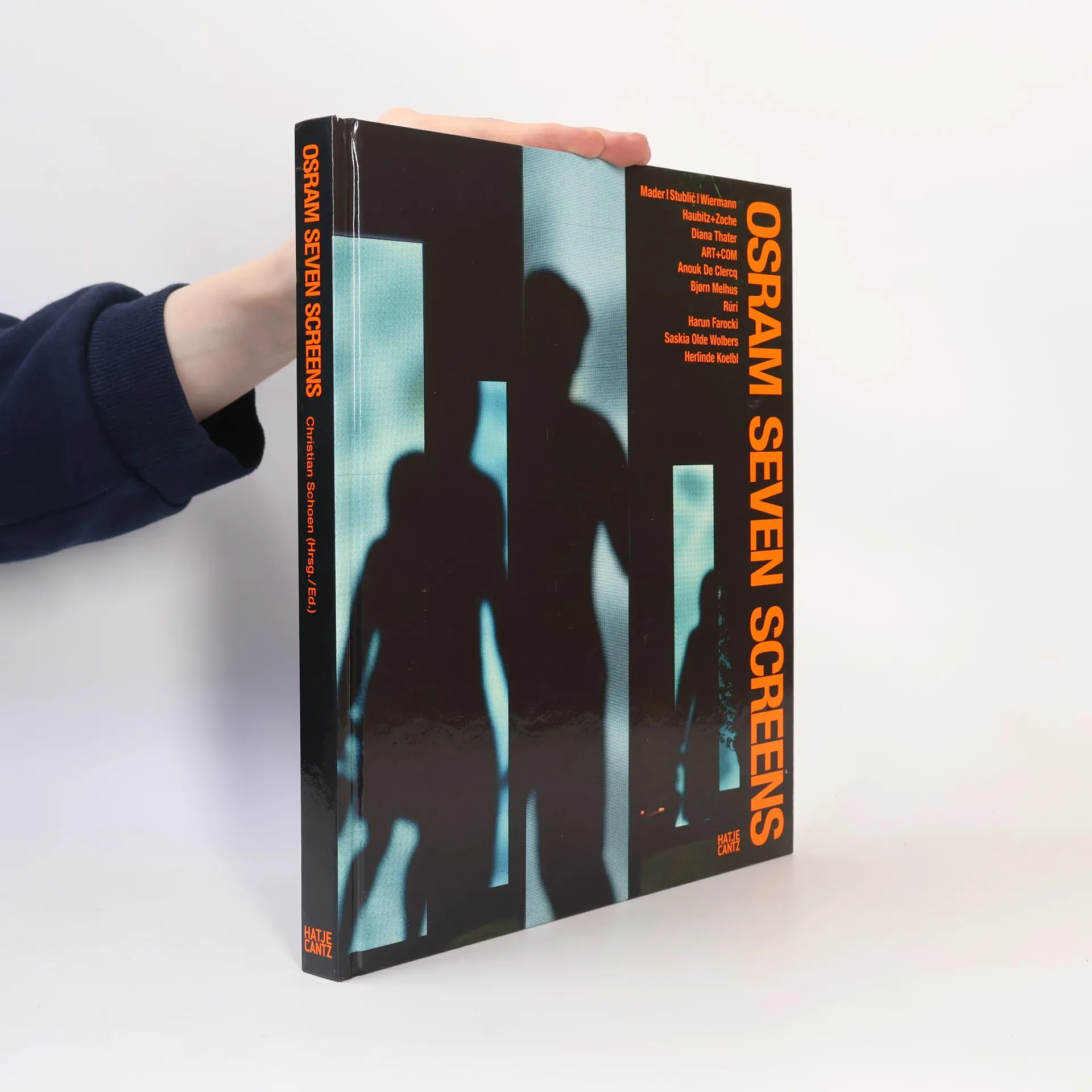
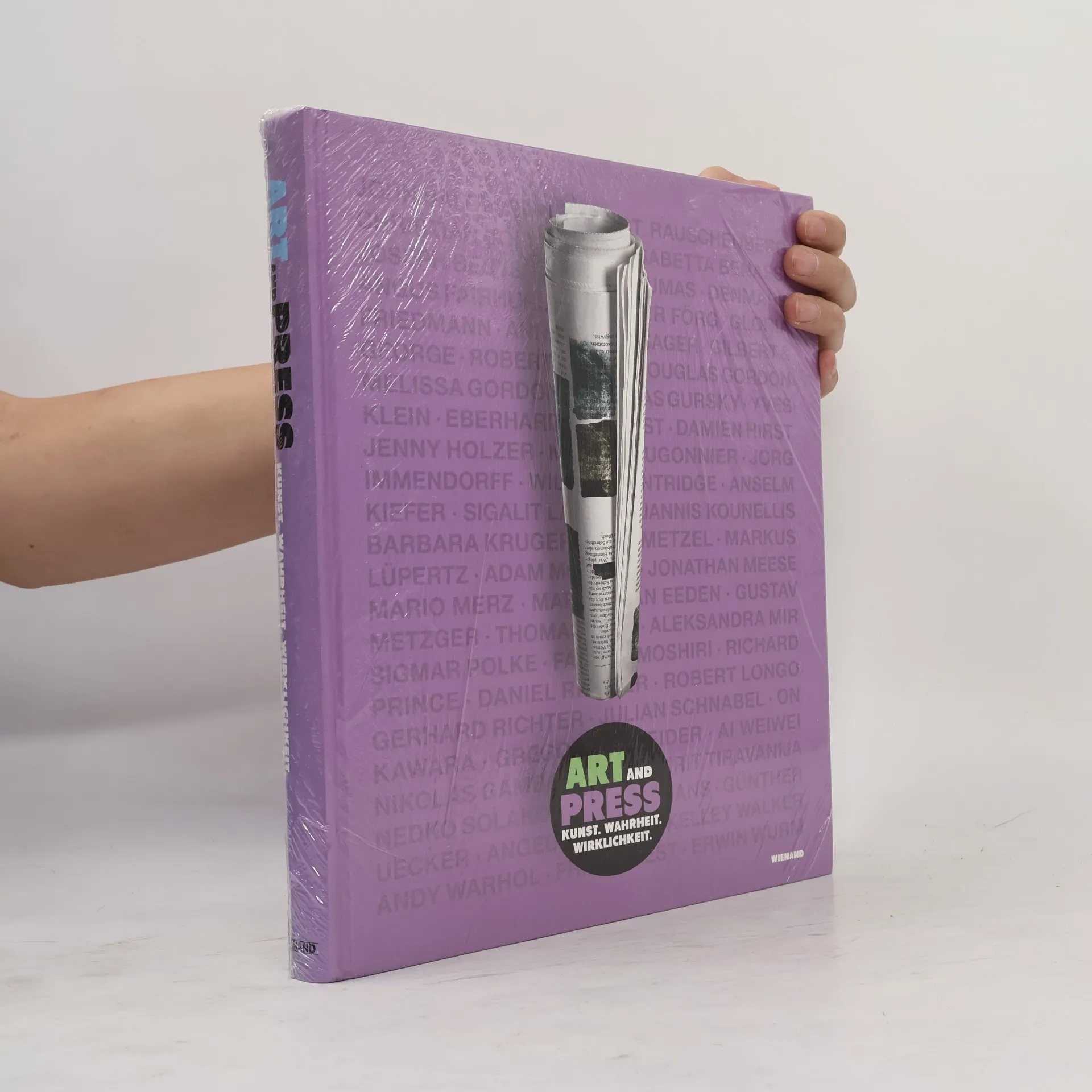

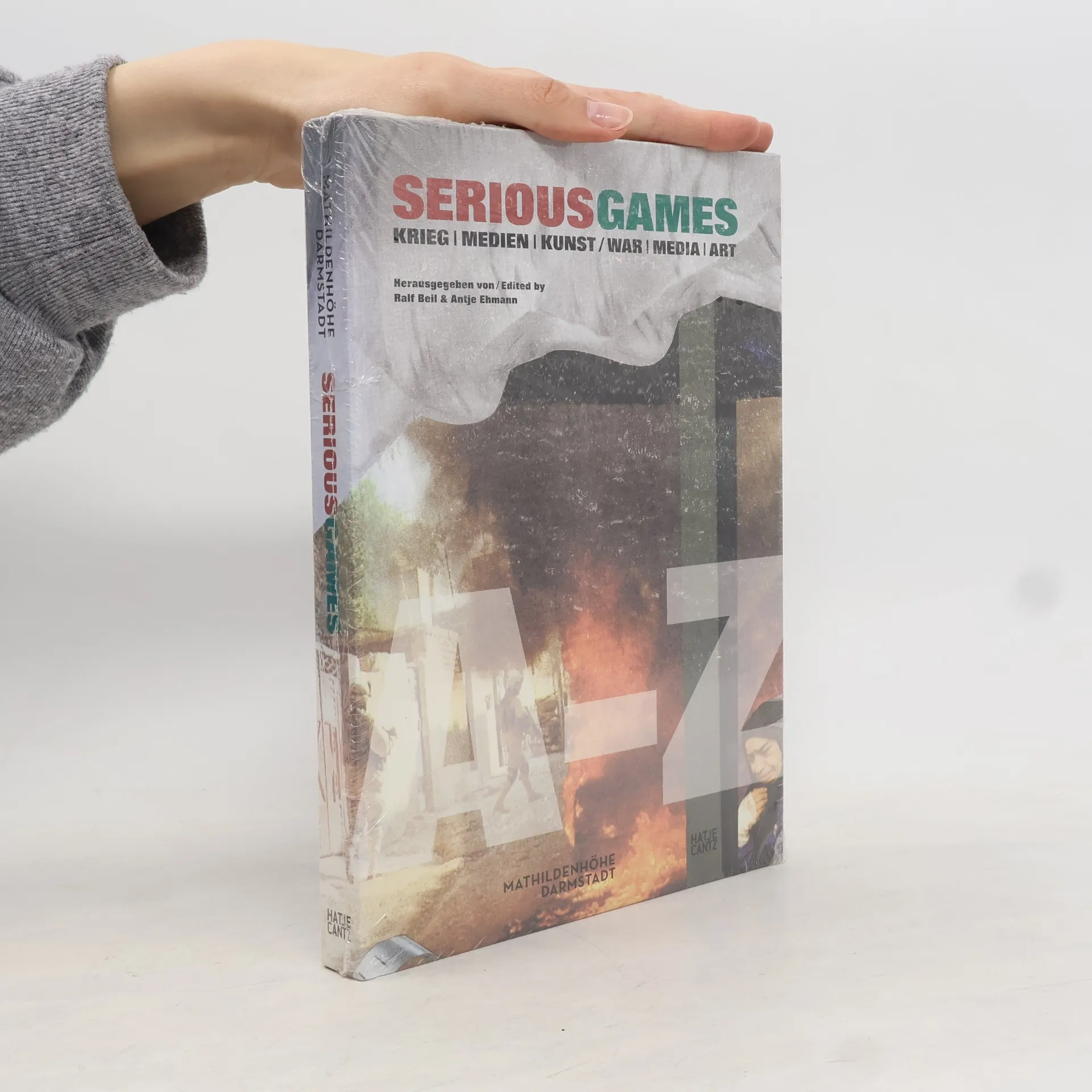
Das Register von Gerti Fietzek bietet eine umfassende Erschließung von Harun Farockis Textproduktion und reflektiert seine Faszination für Wörterbücher und Bildsammlungen. Neben dem Register werden zusätzlich 30 bisher unveröffentlichte Texte präsentiert, darunter Kurztexte zu Farockis Filmen und Filmkritiken aus den Jahren 1980 und 1981. Ein Nachwort von Volker Pantenburg rundet den Band ab und vertieft das Verständnis von Farockis Werk.
Harun Farocki Bücher
Harun Farocki war ein bedeutender Medientheoretiker und Filmemacher, dessen umfangreiches Werk eine kritische Untersuchung der visuellen Kultur darstellt. Seine Filme tauchen tief in das komplexe Zusammenspiel von Bildern, Technologie und Gesellschaft ein und untersuchen, wie unsere Wahrnehmungen durch Medien geformt werden. Farockis Ansatz zeichnet sich durch einen scharfen, analytischen Stil aus, der die Zuschauer dazu anregt, die konstruierte Natur der Realität zu hinterfragen, die durch verschiedene Medien dargestellt wird. Seine intellektuellen Beiträge haben die Diskussionen über Medientheorie und visuelle Kompetenz maßgeblich beeinflusst.


Through a wide-ranging discussion, that extends from Ovid and Leonardo da Vinci to Gerhard Richter, and from philosophy and literature to time-based art, Kaja Silverman shows that the master myth of Western subjectivity is the story of Orpheus and Eurydice, not that of Oedipus, and this Janus-faced myth has the capacity both to destroy and to save us.
Probably the prominent living filmmaker, and one of the foremost directors of the postwar era, Jean Luc-Godard has received astonishingly little critical attention in the United States. This title conveys the sense that we are at the movies with Silverman and Farocki, and that we, as both student and participant, are the ultimate beneficiaries.
Rozmowy o Godardzie - jako że traktują o kilkudziesięciu latach twórczości jednego z najwybitniejszych artystów XX wieku, po latach wciąż budzącego kontrowersje i prowokującego dyskusje nad statusem sztuki współczesnej - są jednocześnie zróżnicowanym i niezwykle interesującym portretem ubiegłego stulecia. Kaja Silverman i Harun Farocki wnikliwie analizując kolejne filmy Godarda, rozmawiają też o kontrkulturze, kapitalizmie, inspiracjach literackich, ale też o miłości, duszy i metafizyce. Obraz Paryża i status prostytucji, związki między literaturą i filmem, miejsce bogów w kulturze współczesnej i tradycyjnej, relacja między znakiem a rzeczywistością, psychoanalityczne aspekty kapitalizmy, filozoficzne i teoriopoznawcze zagadnienia związane z obrazem filmowym, funkcja dźwięku i słowa w filmie - to jeszcze nie wszystkie, a jedynie najważniejsze konteksty i problemy powracające w dyskusjach dwojga znawców kina. Rozmowy o Godardzie są bowiem również świadectwem prawdziwie kinofilskiej pasji, a na tle innych tego rodzaju publikacji wyróżniają się dokładnością i śmiałością analiz, szerokością horyzontów i pięknem języka.