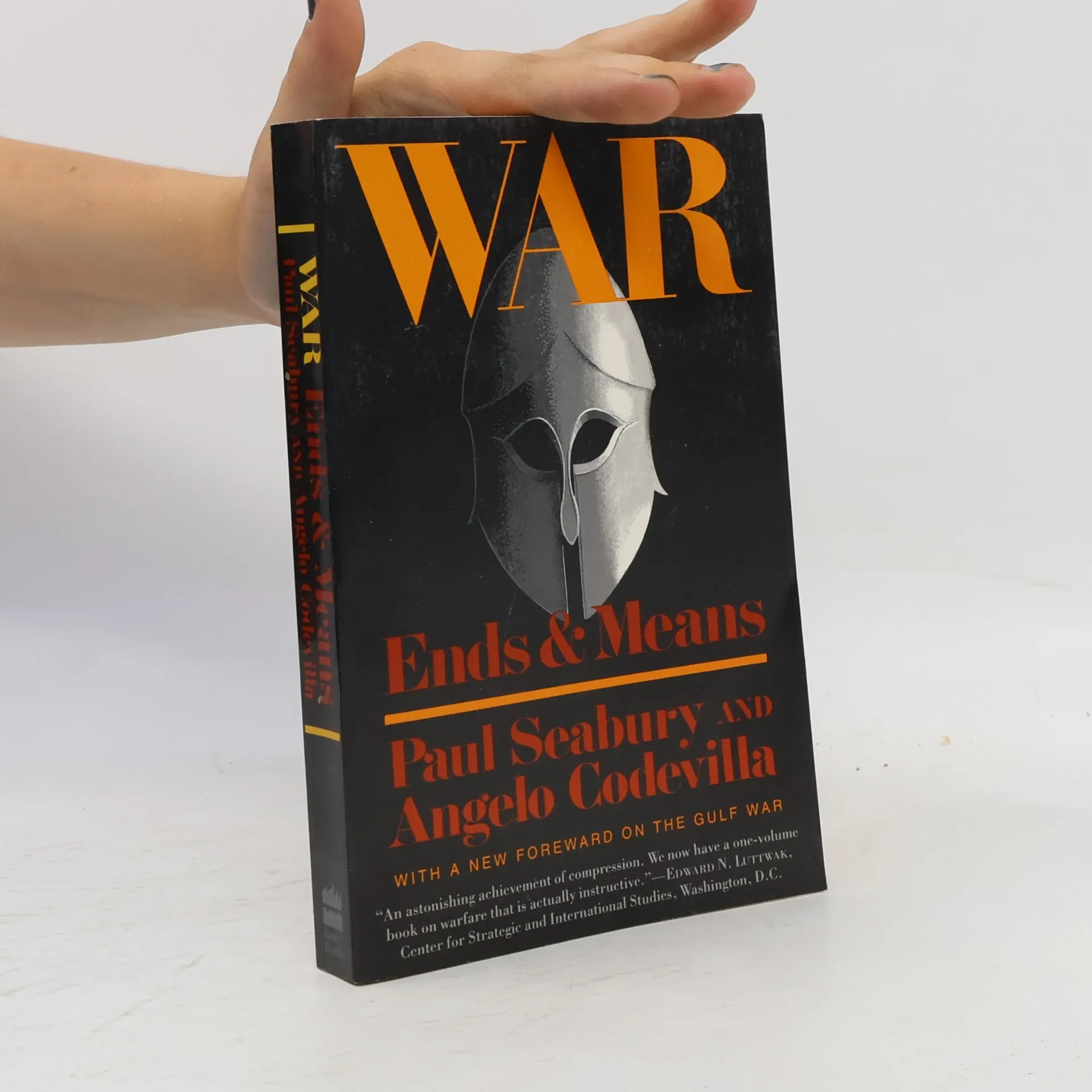
Angelo M. Codevilla war Professor für internationale Beziehungen an der Boston University. Seine Arbeit konzentrierte sich auf internationale Beziehungen aus der Perspektive von Geschichte und nationalem Charakter. Zuvor diente er in der US-Marine, im Auswärtigen Dienst der USA und im Geheimdienstlichen Unterausschuss des US-Senats. Während seiner Zeit am Hoover Institution der Stanford University schrieb er Bücher über Krieg, Nachrichtendienste und den Charakter von Nationen.
Switzerland in World War II and the Rewriting of History
248 Seiten
9 Lesestunden
In Between the Alps and a Hard Place , Professor Angelo M. Codevilla reveals how the true history of the Swiss in World War II has been buried beneath a modern campaign of moral blackmail that has accused Switzerland of secretly supporting Nazi Germany and sharing culpability for the Holocaust.
“War presidents” are a common theme in modern American history, with every president since Wilson engaging in conflicts while striving for peace. Angelo Codevilla argues that this paradox stems from leaders envisioning the world as they desire rather than as it truly is. They treat war as an anomaly rather than a tool of statecraft, assuming that all nations aspire to American ideals. Consequently, these leaders pursue grand objectives while undermining their own goals.
Using examples primarily from the Bush II administration but also covering the past century, Codevilla presents a guide to enduring principles of foreign policy. He emphasizes the importance of focusing on practical aspects like diplomacy, alliances, war, economic statecraft, intelligence, and prestige, rather than relying on vague concepts such as “international community” and “collective security.” Codevilla does not align with realism, neoconservatism, or liberal internationalism; instead, he draws from the insights of historians like Thucydides and Churchill, who examined international relations without imposing misleading frameworks.
The work aims to encourage future presidents to ground their strategies in reality rather than idealism, to avoid perpetuating cycles of violence.