Der Wilde Westen
- 64 Seiten
- 3 Lesestunden
Informiert in Bild und Wort über die Besiedlung des amerikanischen Westens im 19. Jahrhundert: Kämpfe mit den Indianern, Goldrausch, Bau der Eisenbahn u.a. (ab 11).


Stuart Murray Williams ist ein Experte für Kirchengründung und Mission, insbesondere im Kontext des Postchristentums. Seine Schriften untersuchen die theologischen und historischen Grundlagen der Täuferbewegung und bieten praktische Einblicke für zeitgenössische Kirchen. Er arbeitet intensiv als Trainer und Berater und leitet verschiedene Denominationen in Großbritannien und international an, um die Herausforderungen der städtischen Mission und aufkommender Kirchenmodelle zu bewältigen. Sein Ansatz betont die Anpassung etablierter Traditionen an die sich entwickelnde spirituelle Landschaft.



Informiert in Bild und Wort über die Besiedlung des amerikanischen Westens im 19. Jahrhundert: Kämpfe mit den Indianern, Goldrausch, Bau der Eisenbahn u.a. (ab 11).
Jesus folgen in einer Art, die herausfordert, aufstört und inspiriert, hin zu ganzheitlicher Nachfolge und Anbetung. Der Autor beschreibt, was die Überzeugungen der Täuferbewegung für den Glauben heute bedeuten – ganz gleich, in welchem Kontext. Anhand von sieben zentralen Kernüberzeugungen stiftet er an zu einem radikalen Christsein in einer nachchristlichen Welt.
Inspired by FDR's "Four Freedoms" speech, a series of paintings by Rockwell is paired with the full text of the speech, original essays that accompanied the art in the Saturday Evening Post, and patriotic essays.
Exploring the intersection of sport and international relations, this book examines how athletic events and activities influence diplomatic relationships and global politics. It highlights key examples and case studies that illustrate the power of sports in fostering cooperation, cultural exchange, and conflict resolution among nations. With a focus on accessibility, it provides insights into how sports serve as a platform for dialogue and understanding in the complex arena of international affairs.
Exploring the emergence of Anabaptist communities in the UK, the book identifies twelve practices that reflect a modern Anabaptist vision, addressing contemporary issues like consumerism, truth in a post-truth era, and individualism. Author Stuart Murray highlights how these practices can inspire new Christian expressions amidst cultural shifts. The narrative is enriched with real-life accounts from ministry leaders, offering insights into applying Anabaptist principles in diverse contexts. This work serves as a resource for those seeking to engage in radical discipleship today.
Combining medical, historical, and cultural perspectives, this book offers a comprehensive understanding of autism. It explores scientific research, including genetics and neuroscience, and discusses diagnosis and therapy. Additionally, it traces the historical evolution of autism from psychiatric views to the rise of advocacy and neurodiversity. The book also examines contemporary narratives in fiction and media. Written in accessible language, it serves students, medical practitioners, and general readers, aiming to clarify the complexities and misconceptions surrounding autism.
This important report provides a comprehensive look at the health of the Murray River and its surrounding ecosystems, as well as recommendations for how to best manage this vital resource. A must-read for anyone interested in environmental management and policy.
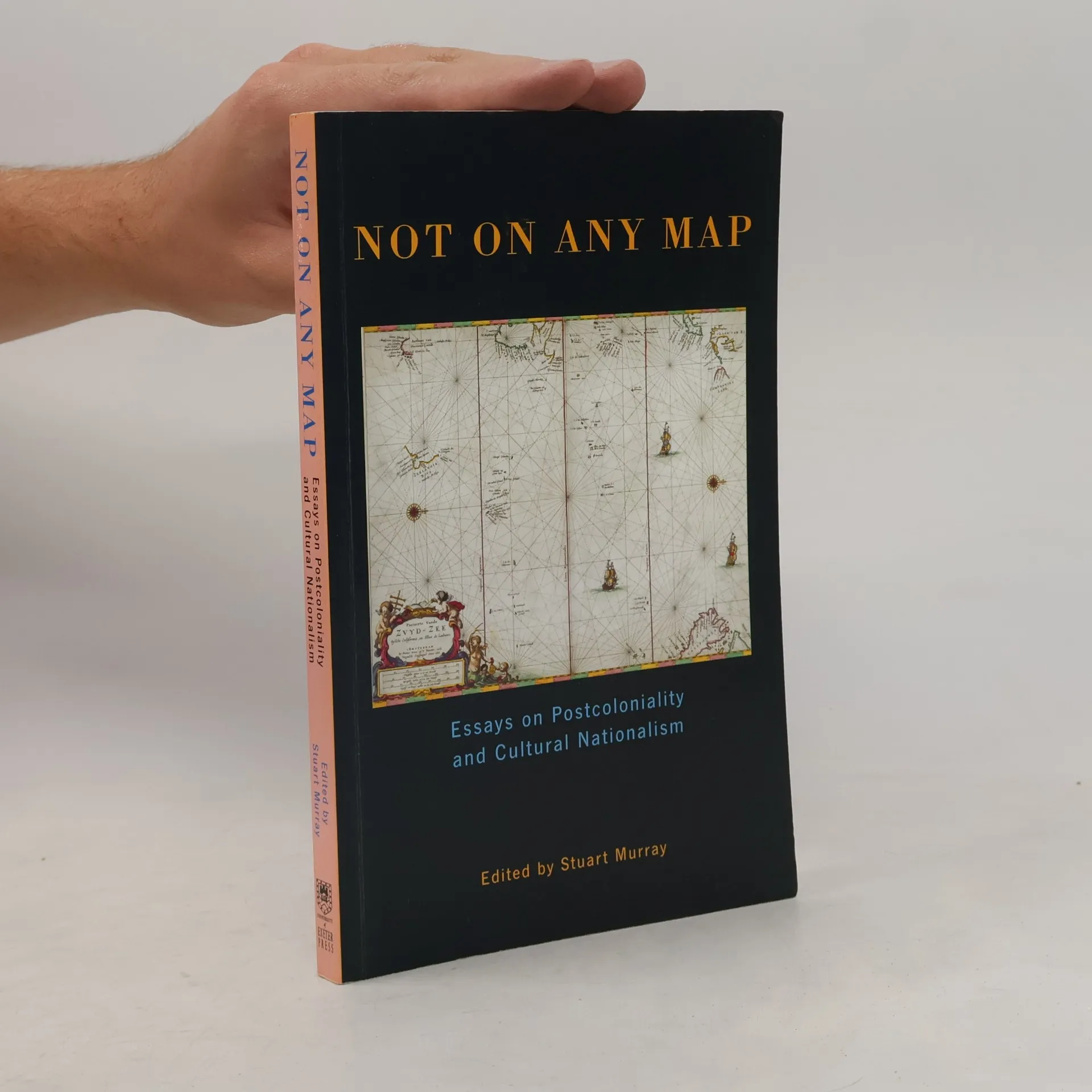
Why is the world in which we live so ruled by the idea of the nation? What effect have the newly independent nations of the last fifty years had on the old world order? Are countries in a post-imperial world the same now as they were in the time of imperialism? Not On Any Map seeks to answer these questions and explores the wide-ranging issues surrounding nationalism and postcoloniality.The collection draws on the work of scholars and creative producers from all over the world who explore the idea of the nation in a variety of postcolonial contexts. These include a piece from Wilson Harris' work-in-progress, as well as other work on literary nationalism, media arts promotion, the use of the indigene in tourism, commercial cinema, immigration, developments in communication and technology, sport and issues affecting nations both in the former colonial centres and the ex-colonies.
A Guide for Those Who Want Fresh Perspectives and New Ideas for Creating Congregations
What does church planting look like in the 21st century? Is the goal to plant more churches or is it to plant new kinds of churches? In Planting Churches in the 21st Century, Stuart Murray suggests that church planting isn't just about numbers--it's about the deep renewal of the church and the development of new ways of being the church that are biblically rooted and contextually appropriate.But don't look here for stereotypical hands-on ideas and ready-made blueprints in this guide; Murray's theological and philosophical approach is open-ended, and leaves ample room for personal reflection and creative responses. With his gift for posing thought-provoking questions while writing in a clear, logical style, Murray provides stimulation and challenge to anyone who wants to see new churches come into being.