

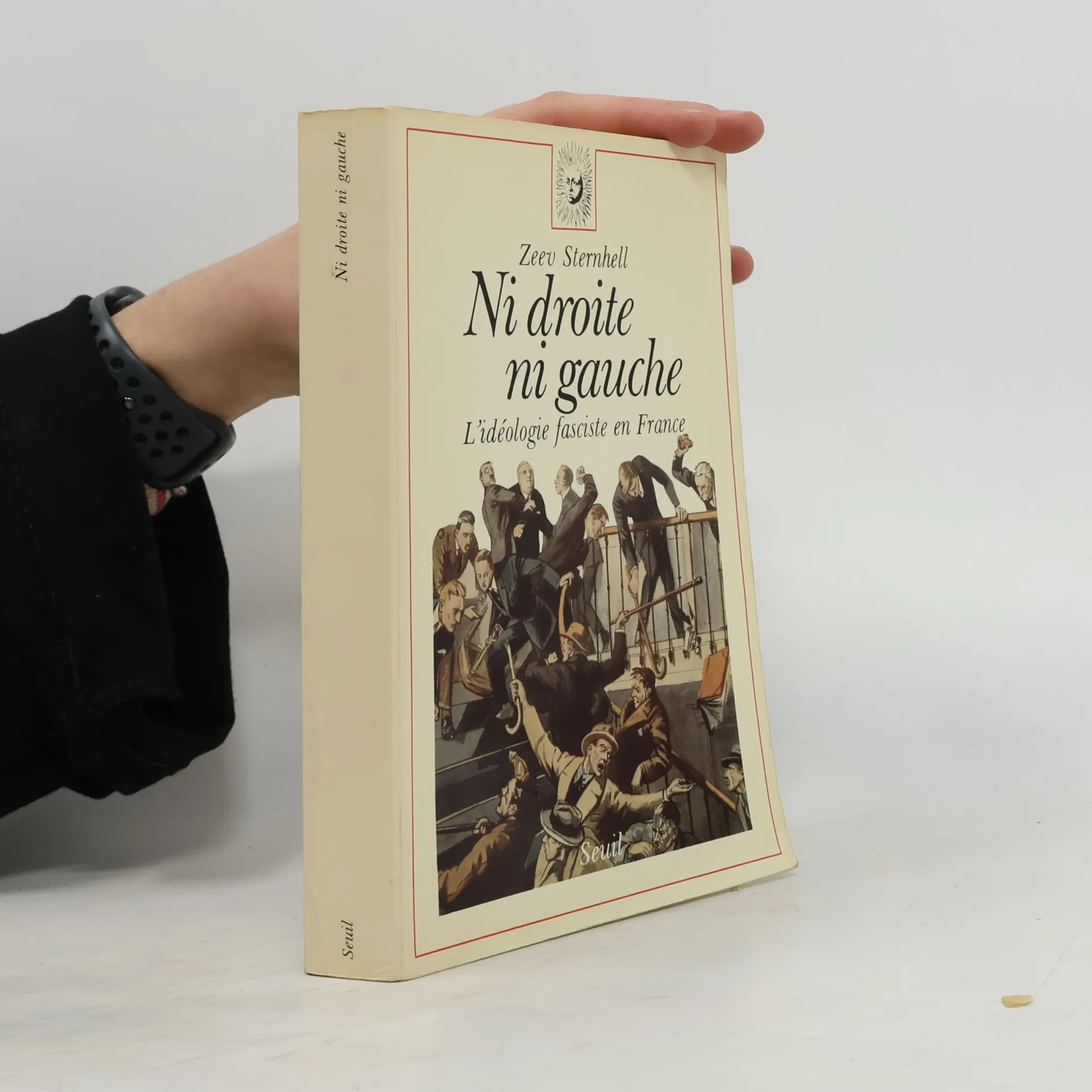


Ni droite, ni gauche
L'idéologie fasciste en France
Autor*innen
Parameter
- 407 Seiten
- 15 Lesestunden
Mehr zum Buch
Few books on European history have sparked such controversy as this one, which asserts that fascism was a significant aspect of European history and French culture, rather than merely a temporary phenomenon in Germany and Italy. The work argues that fascism combined antibourgeois, antiliberal nationalism, and revolutionary syndicalist thought, reflecting the political culture inherited from eighteenth-century France. Sternhell's argument provoked strong reactions from those wishing to forget the Vichy years, especially during the heightened public discourse in 1994, when Paul Touvier was condemned for crimes against humanity and President Mitterrand's Vichy connections were scrutinized. The author's new preface addresses these debates, emphasizing the importance of acknowledging the past, a sentiment echoed by President Chirac on behalf of France. This explosive work was recognized by Le Monde as one of the forty most important books published in France during the 1980s, underscoring its lasting impact on the understanding of fascism's role in European history.
Publikation

Buchkauf
Ni droite, ni gauche, Zeev Sternhell
- Sprache

- Erscheinungsdatum
- 1983
- Einband
- (Paperback),
- Buchzustand
- Gebraucht - Gut
- Preis
- € 7,29
Keiner hat bisher bewertet.
- Titel
- Ni droite, ni gauche
- Untertitel
- L'idéologie fasciste en France
- Sprache
- Französisch
- Autor*innen
- Zeev Sternhell
- Verlag
- Éditions du Seuil
- Erscheinungsdatum
- 1983
- Einband
- Paperback
- Seitenzahl
- 407
- ISBN10
- 2020063409
- ISBN13
- 9782020063401
- Reihe
- Kategorien
- Schlagwörter
- Historisches Thema, Politik, Frankreich, 20. Jahrhundert, Geschichte Europas
- Beschreibung
- Few books on European history have sparked such controversy as this one, which asserts that fascism was a significant aspect of European history and French culture, rather than merely a temporary phenomenon in Germany and Italy. The work argues that fascism combined antibourgeois, antiliberal nationalism, and revolutionary syndicalist thought, reflecting the political culture inherited from eighteenth-century France. Sternhell's argument provoked strong reactions from those wishing to forget the Vichy years, especially during the heightened public discourse in 1994, when Paul Touvier was condemned for crimes against humanity and President Mitterrand's Vichy connections were scrutinized. The author's new preface addresses these debates, emphasizing the importance of acknowledging the past, a sentiment echoed by President Chirac on behalf of France. This explosive work was recognized by Le Monde as one of the forty most important books published in France during the 1980s, underscoring its lasting impact on the understanding of fascism's role in European history.