

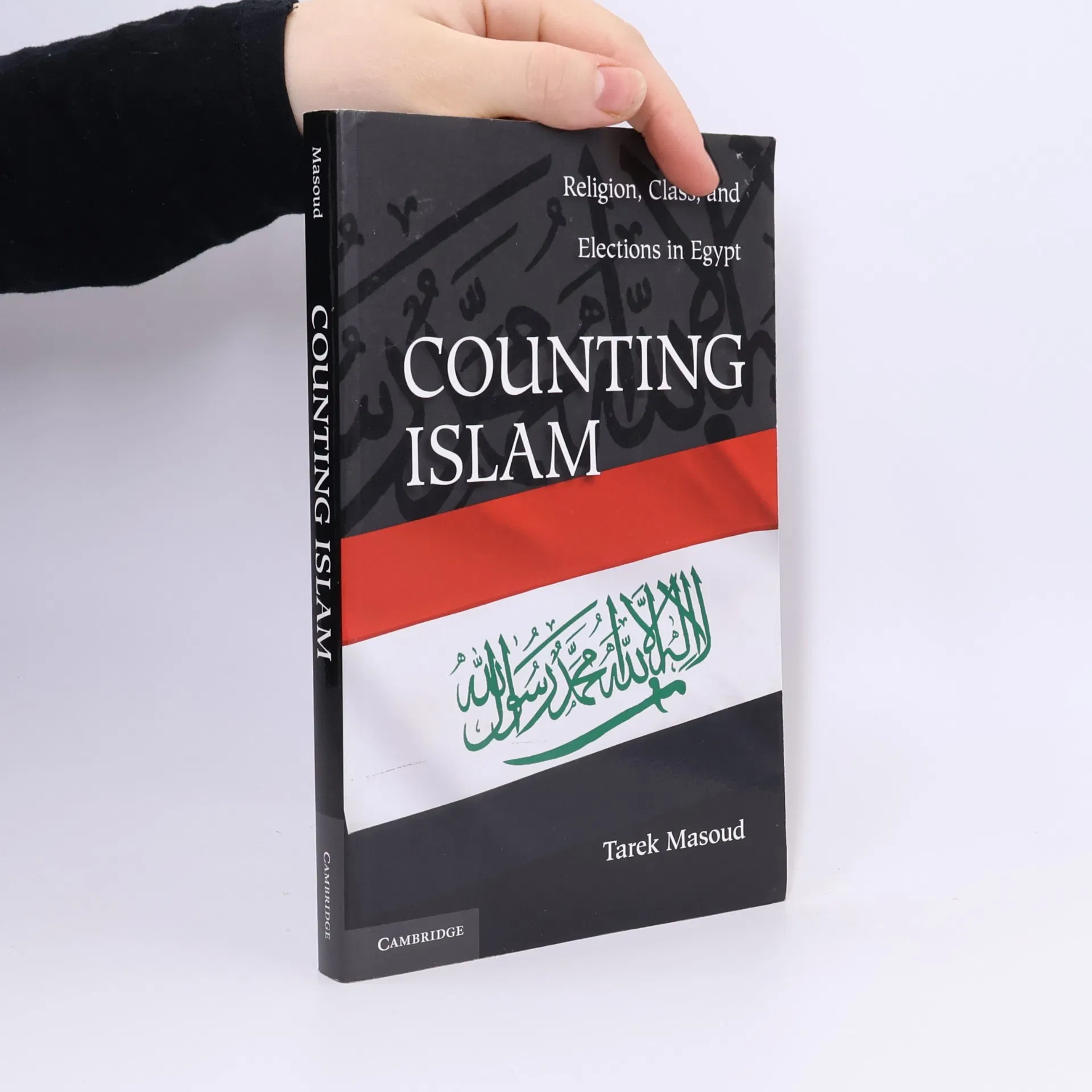
Counting Islam
Religion, Class, and Elections in Egypt
Autor*innen
Parameter
- 276 Seiten
- 10 Lesestunden
Mehr zum Buch
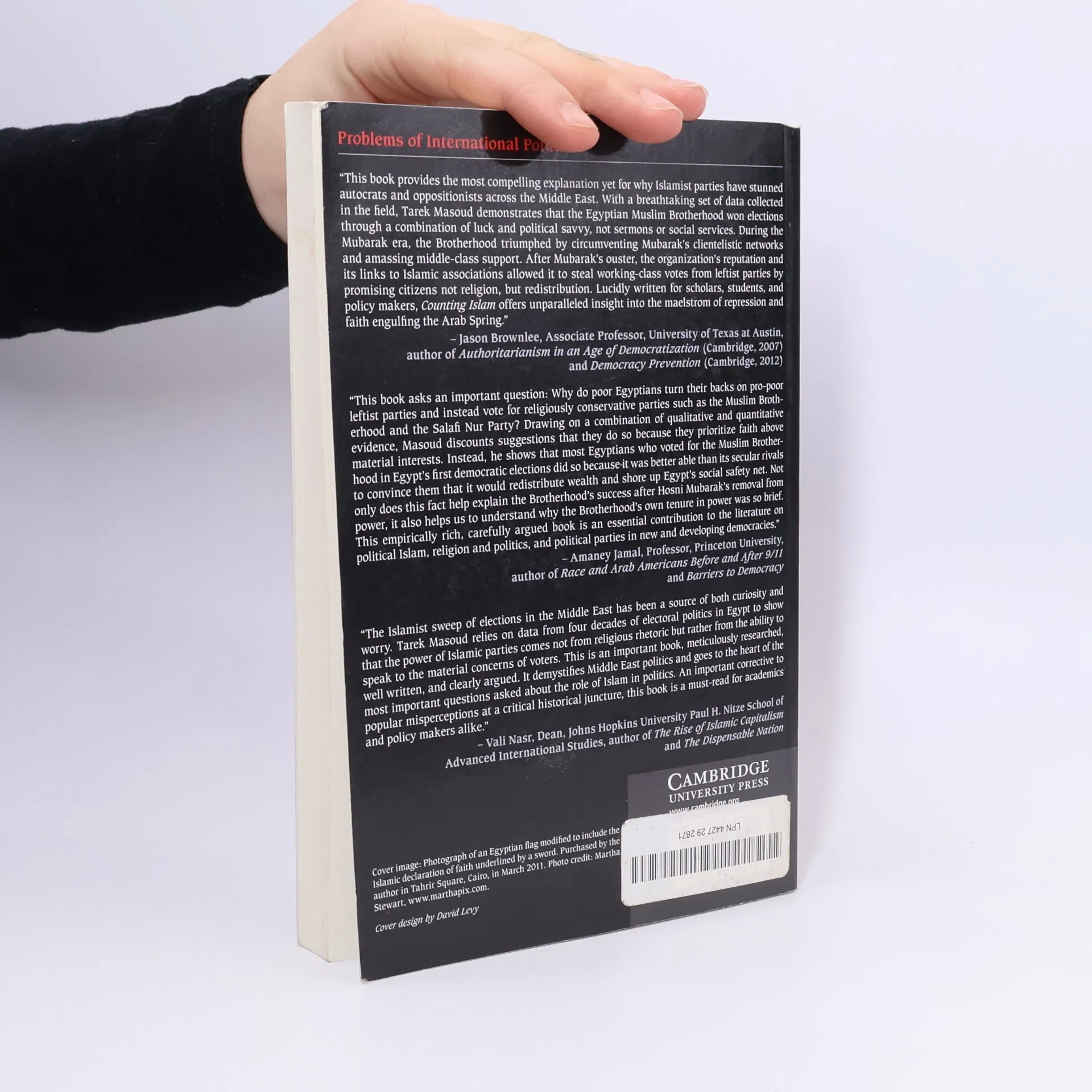
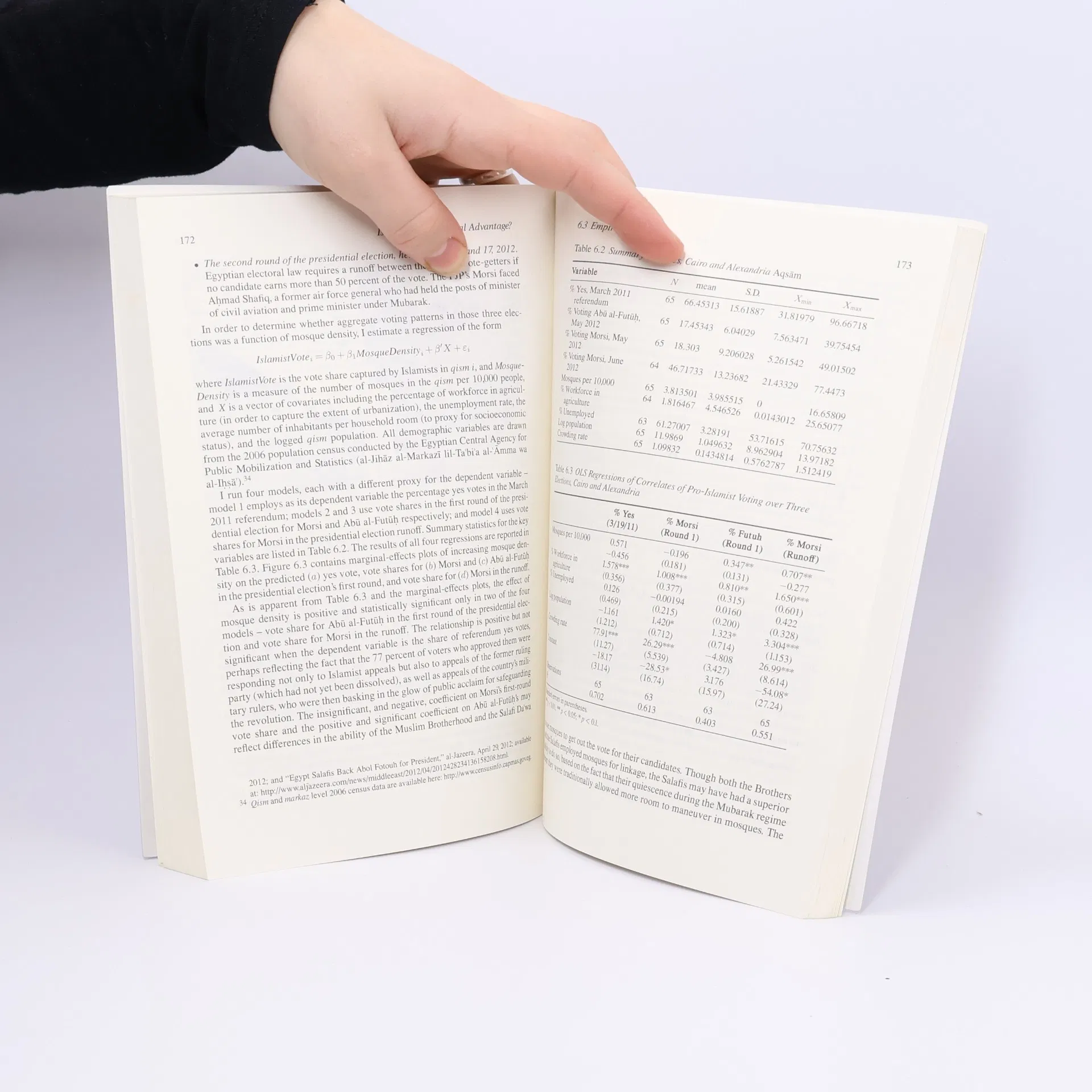
Why does Islam seem to dominate Egyptian politics, especially when the country's endemic poverty and deep economic inequality would seem to render it promising terrain for a politics of radical redistribution rather than one of religious conservativism? This book argues that the answer lies not in the political unsophistication of voters, the subordination of economic interests to spiritual ones, or the ineptitude of secular and leftist politicians, but in organizational and social factors that shape the opportunities of parties in authoritarian and democratizing systems to reach potential voters. Tracing the performance of Islamists and their rivals in Egyptian elections over the course of almost forty years, this book not only explains why Islamists win elections, but illuminates the possibilities for the emergence in Egypt of the kind of political pluralism that is at the heart of what we expect from democracy.
Buchkauf
Counting Islam, Tarek Masoud
- Sprache

- Erscheinungsdatum
- 2014
- Einband
- (Paperback)
Keiner hat bisher bewertet.
- Titel
- Counting Islam
- Untertitel
- Religion, Class, and Elections in Egypt
- Sprache
- Englisch
- Autor*innen
- Tarek Masoud
- Erscheinungsdatum
- 2014
- Einband
- Paperback
- Seitenzahl
- 276
- ISBN10
- 0521279119
- ISBN13
- 9780521279116
- Reihe
- Kategorien
- Schlagwörter
- Politik, USA, Fachliteratur, Inspiration, Ägypten, Naher und Mittlerer Osten, Nordafrika, Wahlen, Islam und Politik
- Beschreibung
- Why does Islam seem to dominate Egyptian politics, especially when the country's endemic poverty and deep economic inequality would seem to render it promising terrain for a politics of radical redistribution rather than one of religious conservativism? This book argues that the answer lies not in the political unsophistication of voters, the subordination of economic interests to spiritual ones, or the ineptitude of secular and leftist politicians, but in organizational and social factors that shape the opportunities of parties in authoritarian and democratizing systems to reach potential voters. Tracing the performance of Islamists and their rivals in Egyptian elections over the course of almost forty years, this book not only explains why Islamists win elections, but illuminates the possibilities for the emergence in Egypt of the kind of political pluralism that is at the heart of what we expect from democracy.