

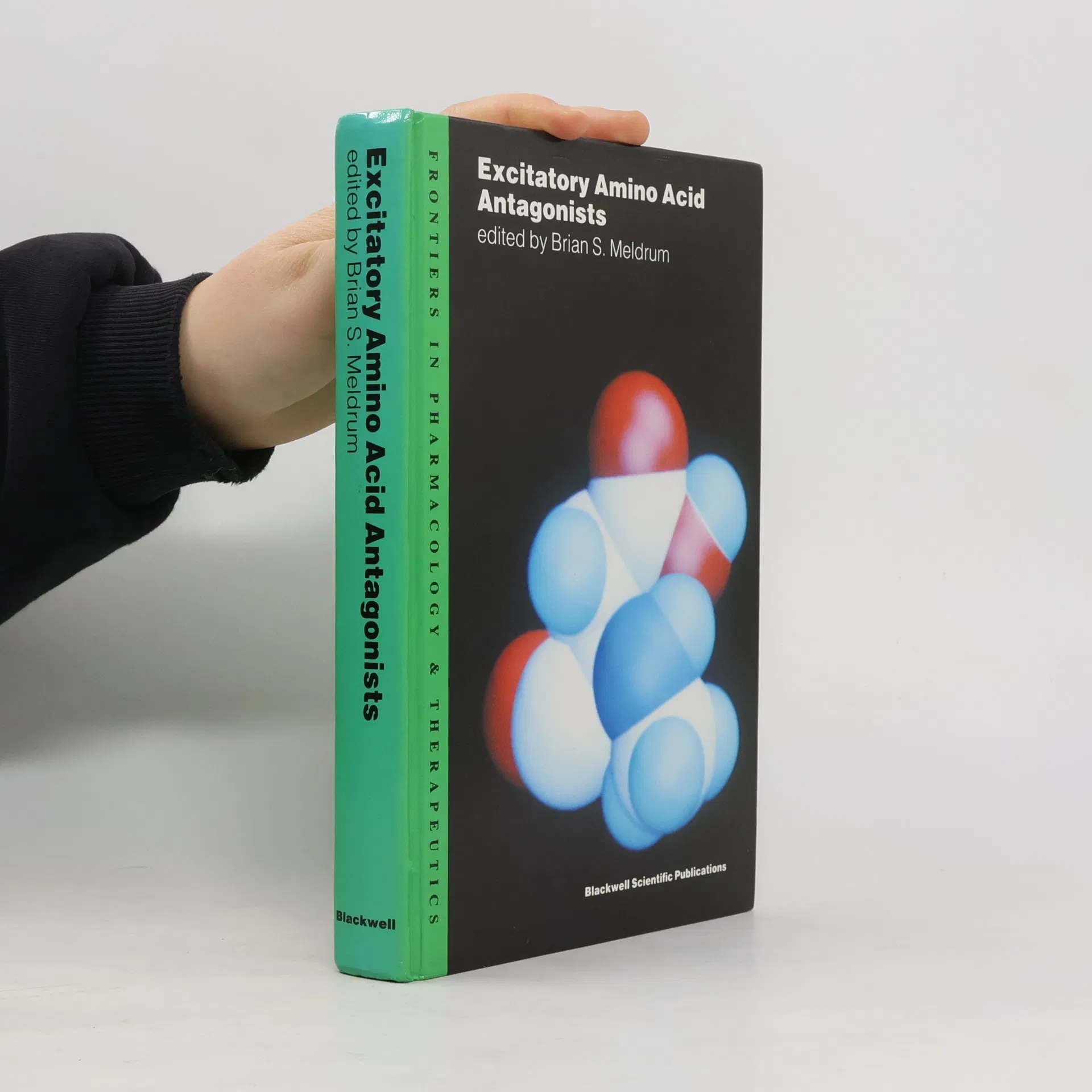



Frontiers in Pharmacology & Therapeutics: Excitatory Amino Acid Antagonists
Autor*innen
Mehr zum Buch
Excitatory amino acids are normal components of the human brain which serve as transmitters of nerve impulses. Recent research has shown that during stroke, when the brain is starved of oxygen, they are released in very large quantities which causes calcium overload and leads to degeneration and death of nerve cells. Such damage gives rise to the paralysis and memory loss occurring after episodes of stroke. Newly developed antagonists to excitatory amino acids when given shortly after stroke are able to dramatically reduce the extent of the resulting neural damage. It is also likely that these drugs will be of significant benefit in the treatment of epilepsy as they attenuate the paroxysmal discharges of hyperexcitable neurones. Estimates of the potential market size for drugs active against neurological disorders have led to a major investment by the pharmaceutical industry in research directed to new antagonists of excitatory amino acids. This is, therefore, an appropriate moment to summarize what is known about these compounds and to try to assess their future prospects. This book gives a scholarly overview of the recent developments in this important field. It is edited by the foremost authority on the subject and has been written by leading neuroscientists from all over the world, all of whom have made significant contributions to the subject. It is the first book in the world to be devoted specifically to excitatory amino acide antagonists and unlike most books in the field of neurochemistry, it is not based on a meeting! As such it will be of interest to all pharmacologists and neurologists engaged in research on the central nervous system and particularly those working on the development of new drugs for combating stroke, epilepsy and neurodegenerative disease
Buchkauf
Frontiers in Pharmacology & Therapeutics: Excitatory Amino Acid Antagonists, Brian S. Meldrum
- Sprache

- Erscheinungsdatum
- 1991
- Einband
- (Hardcover),
- Buchzustand
- Beschädigt
- Preis
- € 52,99
Keiner hat bisher bewertet.
- Titel
- Frontiers in Pharmacology & Therapeutics: Excitatory Amino Acid Antagonists
- Sprache
- Englisch
- Autor*innen
- Brian S. Meldrum
- Verlag
- Wiley-Blackwell
- Erscheinungsdatum
- 1991
- Einband
- Hardcover
- Seitenzahl
- 368
- ISBN10
- 0632027371
- ISBN13
- 9780632027378
- Reihe
- Schlagwörter
- Wissenschaft, Medizin, Biochemie
- Beschreibung
- Excitatory amino acids are normal components of the human brain which serve as transmitters of nerve impulses. Recent research has shown that during stroke, when the brain is starved of oxygen, they are released in very large quantities which causes calcium overload and leads to degeneration and death of nerve cells. Such damage gives rise to the paralysis and memory loss occurring after episodes of stroke. Newly developed antagonists to excitatory amino acids when given shortly after stroke are able to dramatically reduce the extent of the resulting neural damage. It is also likely that these drugs will be of significant benefit in the treatment of epilepsy as they attenuate the paroxysmal discharges of hyperexcitable neurones. Estimates of the potential market size for drugs active against neurological disorders have led to a major investment by the pharmaceutical industry in research directed to new antagonists of excitatory amino acids. This is, therefore, an appropriate moment to summarize what is known about these compounds and to try to assess their future prospects. This book gives a scholarly overview of the recent developments in this important field. It is edited by the foremost authority on the subject and has been written by leading neuroscientists from all over the world, all of whom have made significant contributions to the subject. It is the first book in the world to be devoted specifically to excitatory amino acide antagonists and unlike most books in the field of neurochemistry, it is not based on a meeting! As such it will be of interest to all pharmacologists and neurologists engaged in research on the central nervous system and particularly those working on the development of new drugs for combating stroke, epilepsy and neurodegenerative disease