


Mehr zum Buch
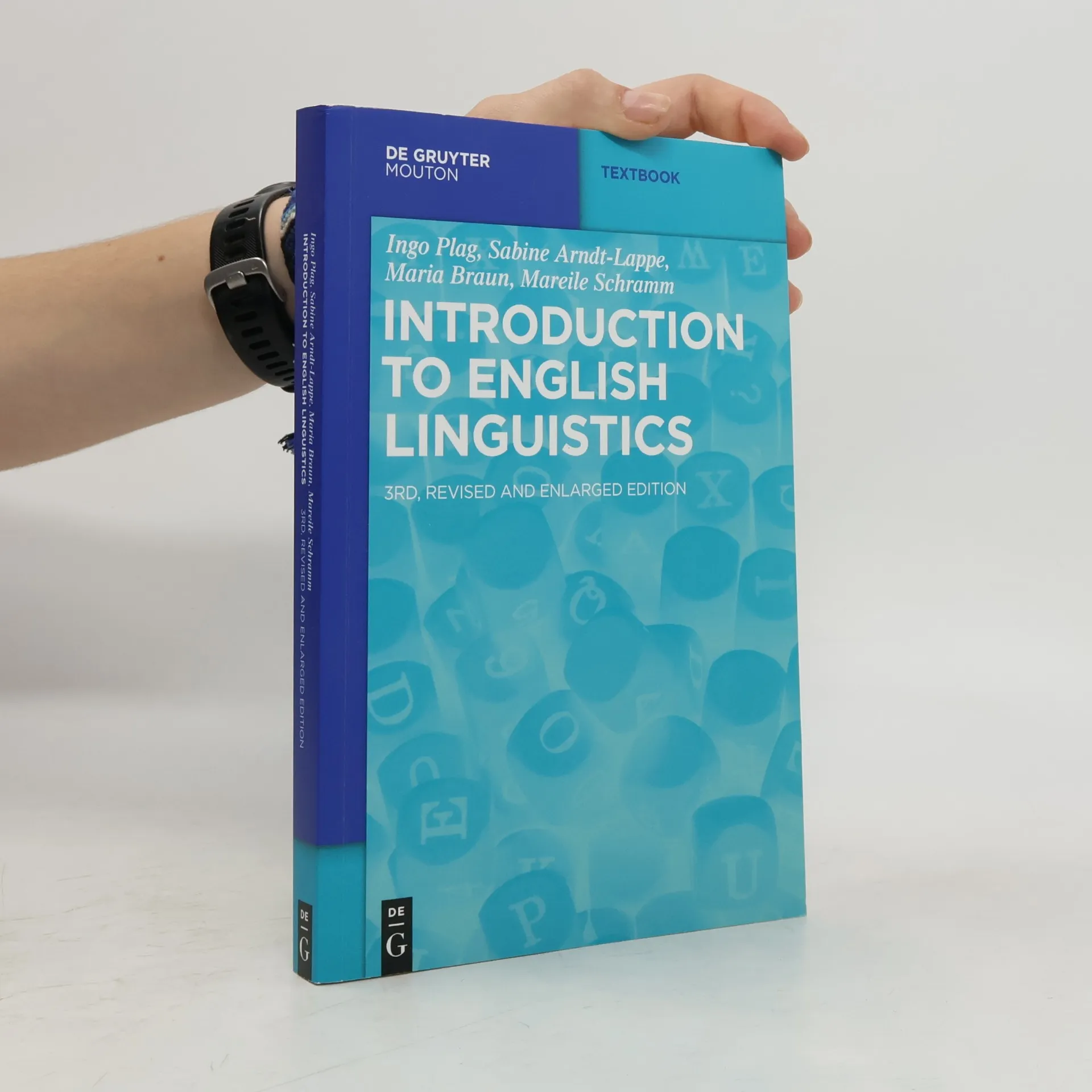
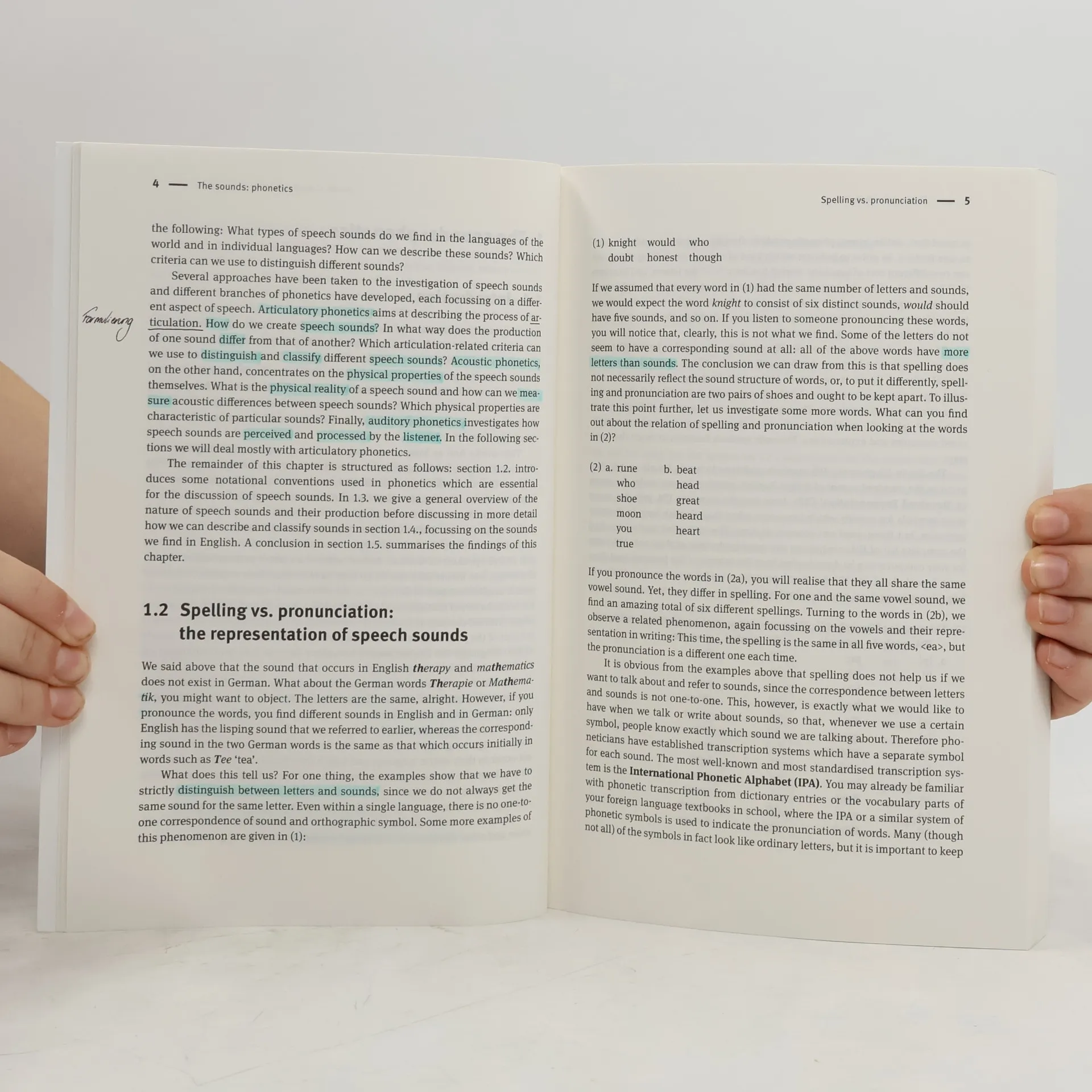
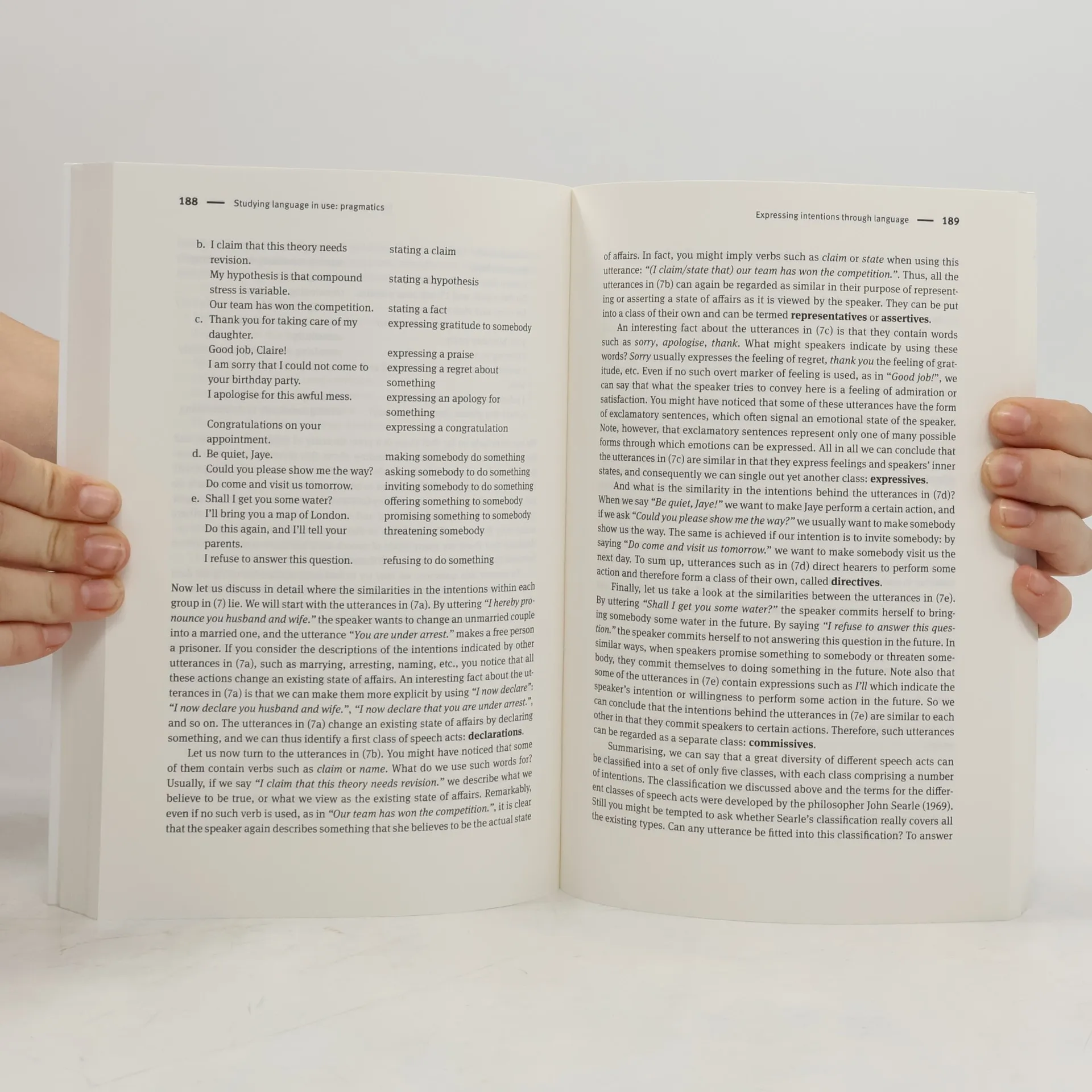
The new third edition of this successful textbook includes an additional chapter on modern empirical research methods through exemplary small-scale studies. Readers are encouraged to formulate and tackle research questions in phonetics/phonology, morphology, and syntax. The book introduces relevant experimental and corpus-linguistic techniques while familiarizing students with essential statistical tools for data analysis. Its hands-on didactic approach distinguishes it from competitors, emphasizing linguistic analysis and argumentation. Language and linguistic theory are examined from an empirical perspective, requiring the resolution of theoretical and methodological issues to analyze data effectively. The text is not confined to a specific theoretical framework, drawing insights from various research traditions. It focuses on developing expertise and analytical skills in core areas of linguistics, including phonology, morphology, syntax, semantics, and pragmatics. Additionally, the chapter on "Extensions and applications" broadens the scope to encompass historical, sociolinguistic, and psycholinguistic research. Each chapter features exercises and suggestions for further reading, while a glossary and index enhance accessibility to terms and topics.


Buchkauf
Introduction to English linguistics, Ingo Plag
- Sprache

- Erscheinungsdatum
- 2015
- Einband
- (Paperback),
- Buchzustand
- Beschädigt
- Preis
- € 8,35
Hier könnte deine Bewertung stehen.
- Titel
- Introduction to English linguistics
- Sprache
- Englisch
- Autor*innen
- Ingo Plag
- Verlag
- De Gruyter Mouton
- Erscheinungsdatum
- 2015
- Einband
- Paperback
- Seitenzahl
- 302
- ISBN10
- 3110376180
- ISBN13
- 9783110376180
- Reihe
- Schlagwörter
- Sprachbücher & -lexika, Schule, Sprachlehrbücher
- Bewertung
- 3,8 von 5 Sternen
- Beschreibung
- The new third edition of this successful textbook includes an additional chapter on modern empirical research methods through exemplary small-scale studies. Readers are encouraged to formulate and tackle research questions in phonetics/phonology, morphology, and syntax. The book introduces relevant experimental and corpus-linguistic techniques while familiarizing students with essential statistical tools for data analysis. Its hands-on didactic approach distinguishes it from competitors, emphasizing linguistic analysis and argumentation. Language and linguistic theory are examined from an empirical perspective, requiring the resolution of theoretical and methodological issues to analyze data effectively. The text is not confined to a specific theoretical framework, drawing insights from various research traditions. It focuses on developing expertise and analytical skills in core areas of linguistics, including phonology, morphology, syntax, semantics, and pragmatics. Additionally, the chapter on "Extensions and applications" broadens the scope to encompass historical, sociolinguistic, and psycholinguistic research. Each chapter features exercises and suggestions for further reading, while a glossary and index enhance accessibility to terms and topics.