

Mehr zum Buch
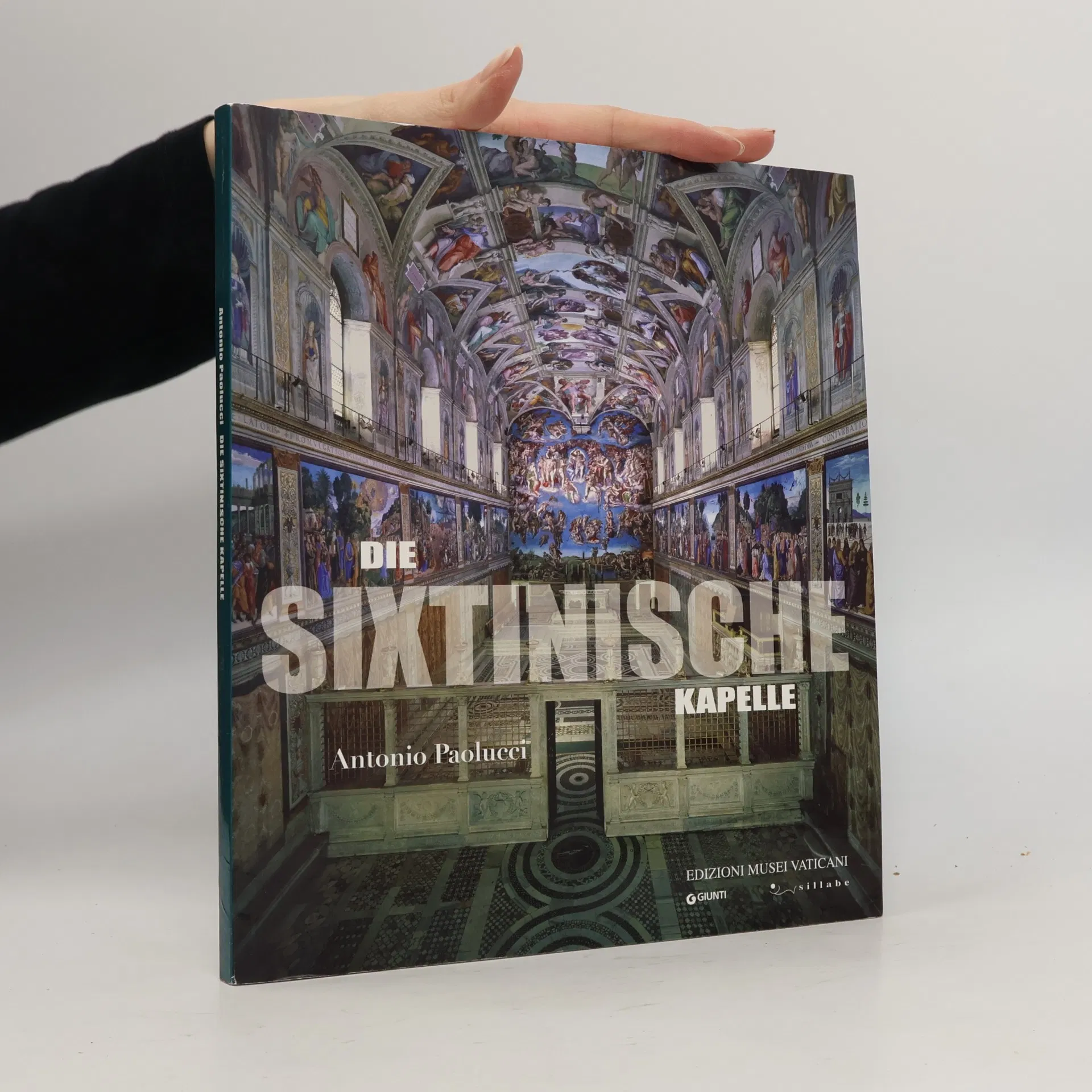
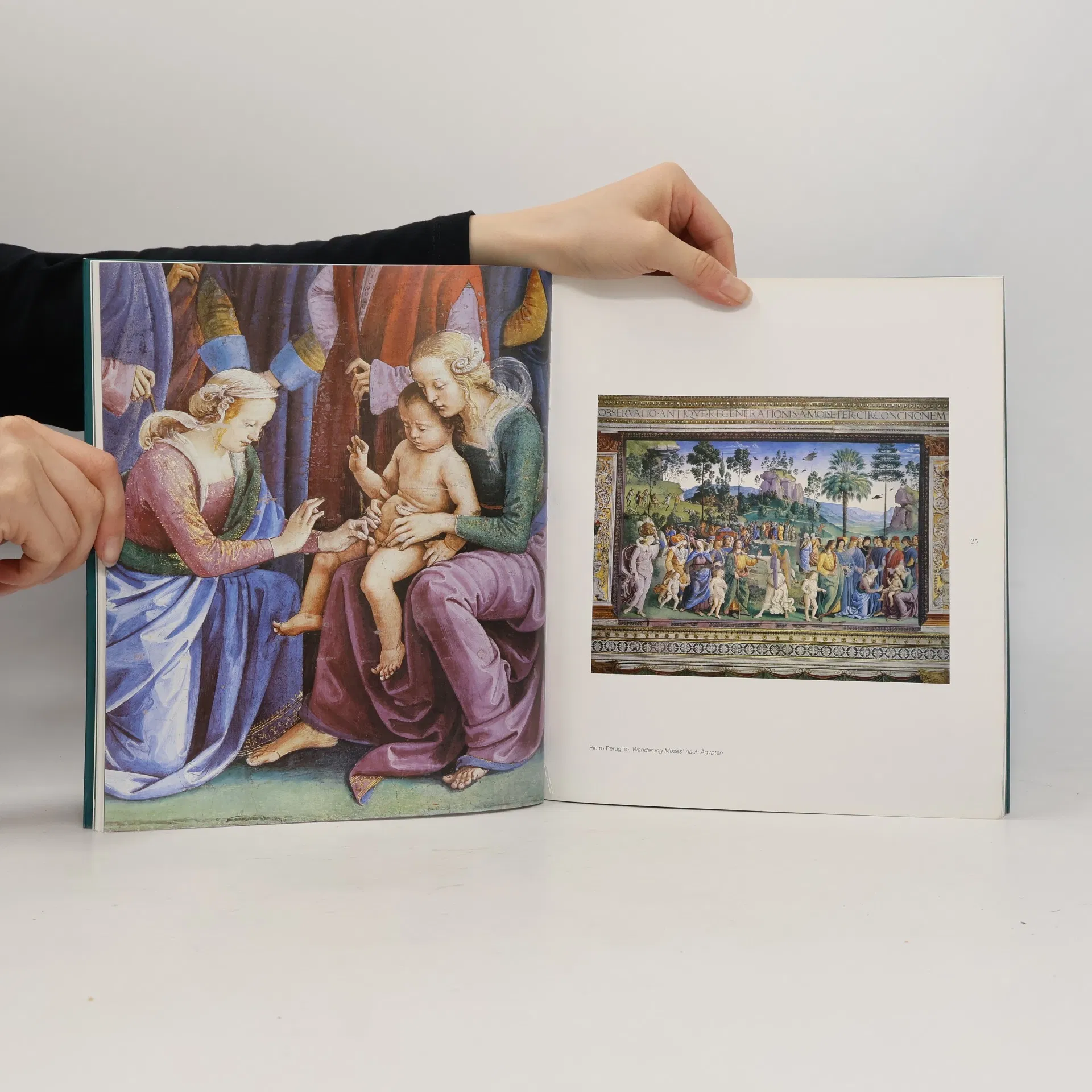
"Almost twenty thousand people a day visit the Sistine Chapel - people of all origins, languages, cultures and religions. The Sistine Chapel is the irresistible attraction, the object of desire of international museum-goers. The Sistine Chapel, however, though part of a museum visit, is not a museum itself. As a consecrated chapel it defines a unique religious space. Moreover the Chapel truly defines the identity of the Roman Catholic Church. "Thus writes Antonio Paolucci, Art Historian and Director of the Vatican Museums, in the opening lines of his book. This book is an essential tool in helping visitors to understand the reasons which, between the fifteenth and the sixteenth century, led to the creation of the Sistine Chapel, "the greatest representation of human art and spirituality."It aspires to enable visitors to understand the extraordinary theological design which governs the space, as well as helping them to appreciate the different styles and artists (Michelangelo, Botticelli, Perugino, Ghirlandaio and Signorelli) who gave form to the message.


Publikation

Buchkauf
Die Sixtinische Kapelle, Antonio Paolucci
- Sprache

- Erscheinungsdatum
- 2013
- Einband
- (Paperback),
- Buchzustand
- Gebraucht - Sehr gut
- Preis
- € 9,39
Hier könnte deine Bewertung stehen.
- Titel
- Die Sixtinische Kapelle
- Sprache
- Deutsch
- Autor*innen
- Antonio Paolucci
- Verlag
- Giunti
- Erscheinungsdatum
- 2013
- Einband
- Paperback
- Seitenzahl
- 128
- ISBN10
- 8882710408
- ISBN13
- 9788882710408
- Reihe
- Kategorien
- Schlagwörter
- Kunst, Südeuropa, Italien, Renaissance, 16. Jahrhundert, 15. Jahrhundert, Vatikan, Michelangelo Buonarroti, 1475-1564
- Erstveröffentlichung
- 2010
- Originaltitel
- The Sistine Chapel
- Bewertung
- 4,3 von 5 Sternen
- Beschreibung
- "Almost twenty thousand people a day visit the Sistine Chapel - people of all origins, languages, cultures and religions. The Sistine Chapel is the irresistible attraction, the object of desire of international museum-goers. The Sistine Chapel, however, though part of a museum visit, is not a museum itself. As a consecrated chapel it defines a unique religious space. Moreover the Chapel truly defines the identity of the Roman Catholic Church. "Thus writes Antonio Paolucci, Art Historian and Director of the Vatican Museums, in the opening lines of his book. This book is an essential tool in helping visitors to understand the reasons which, between the fifteenth and the sixteenth century, led to the creation of the Sistine Chapel, "the greatest representation of human art and spirituality."It aspires to enable visitors to understand the extraordinary theological design which governs the space, as well as helping them to appreciate the different styles and artists (Michelangelo, Botticelli, Perugino, Ghirlandaio and Signorelli) who gave form to the message.