


Mehr zum Buch
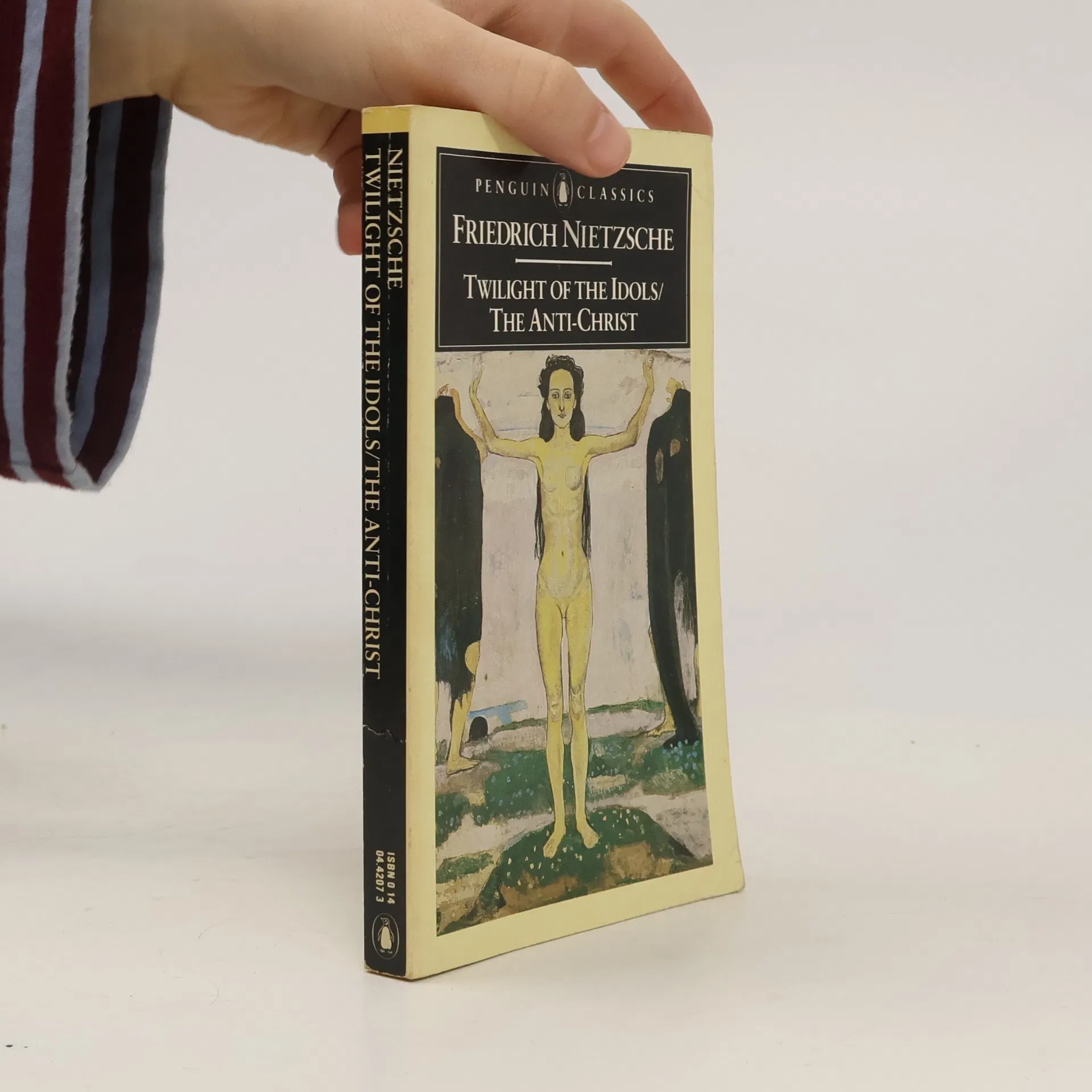
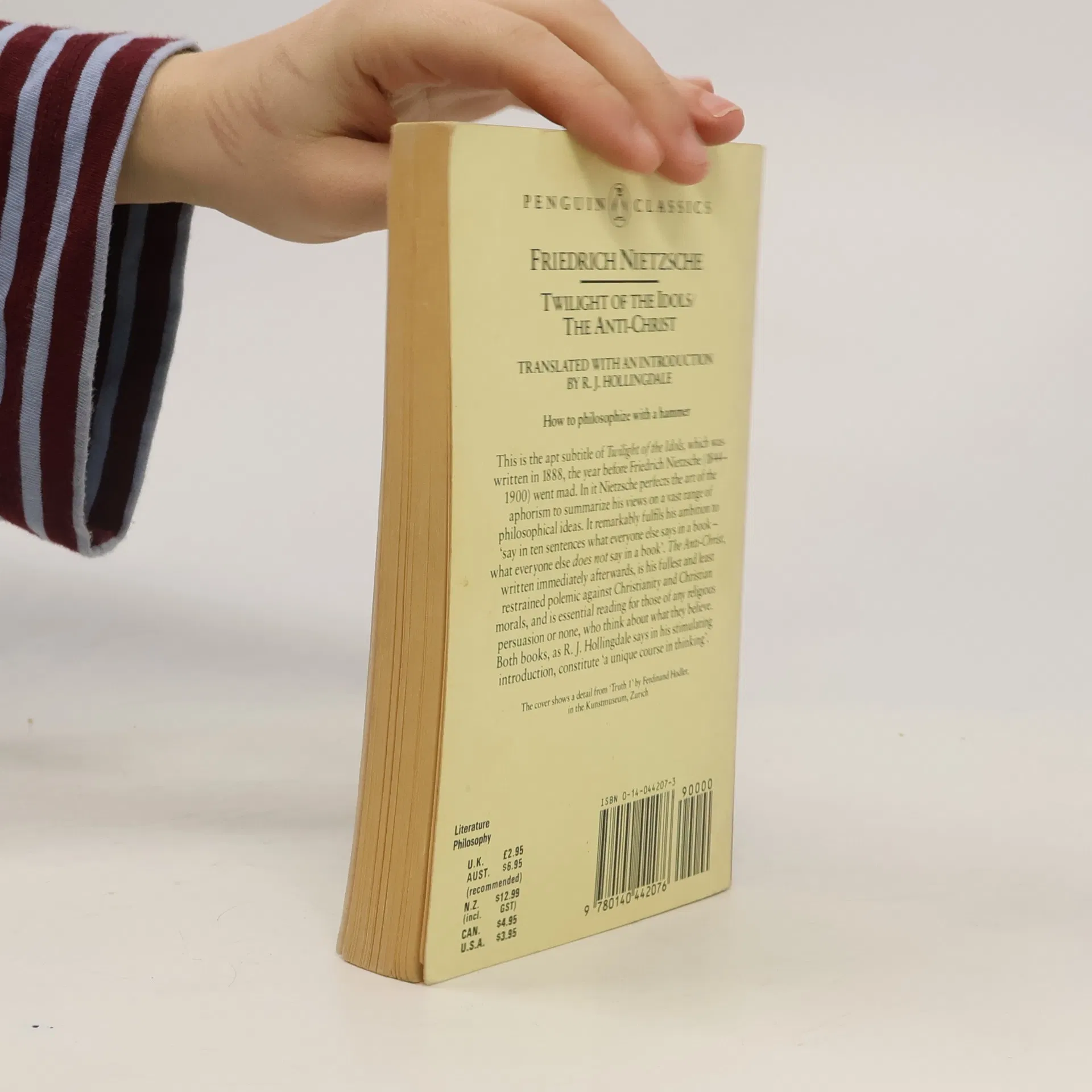
In 1888, the last sane year of his life Nietzsche produced these two brief but devastating books. Twilight of the Idols, 'a grand declaration of war' on all the prevalent ideas of his time, offers a lightning tour of his whole philosophy. It also prepares the way for The Anti-Christ, a final assault on institutional Christianity. Yet although Nietzsche makes a compelling case for the 'Dionysian' artist and celebrates magnificently two of his great heroes, Goethe and Cesare Borgia, he also gives a moving, almost ecstatic portrait of his only worthy opponent: Christ. Both works show Nietsche lashing out at self-deception, astounded at how often morality is based on vengefulness and resentment. Both combine utterly unfair attacks on individuals with amazingly acute surveys of the whole contemporary cultural scene. Both reveal a profound understanding of human mean-spiritedness which still cannot destroy the underlying optimism of Nietzsche, the supreme affirmer among the great philosophers.



Buchkauf
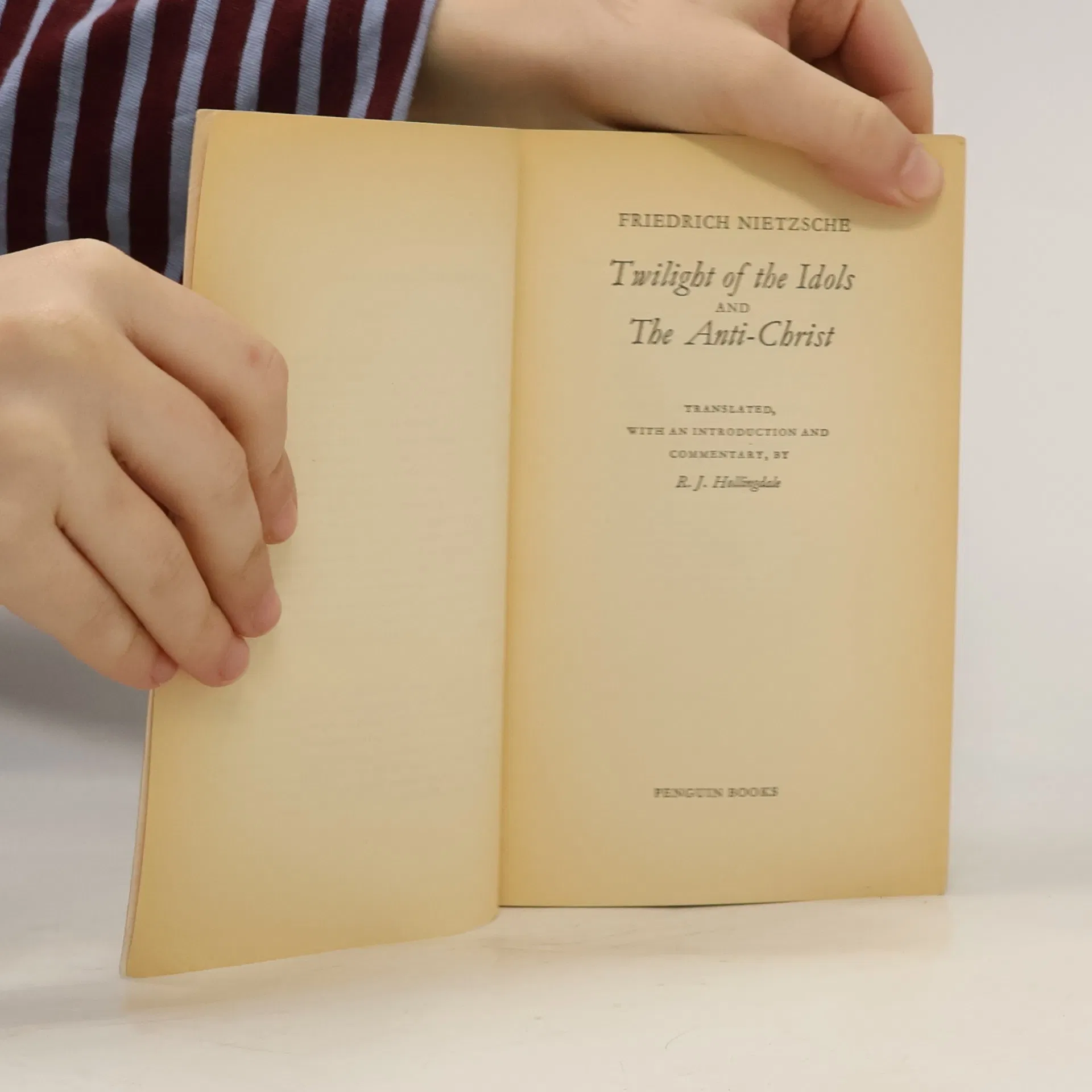
Twilight of the Idols and The Anti-Christ, Friedrich Nietzsche
- Sprache

- Erscheinungsdatum
- 1969
- Einband
- (Paperback)
Hier könnte deine Bewertung stehen.
- Titel
- Twilight of the Idols and The Anti-Christ
- Sprache
- Englisch
- Autor*innen
- Friedrich Nietzsche
- Verlag
- Penguin Books
- Erscheinungsdatum
- 1969
- Einband
- Paperback
- Seitenzahl
- 208
- ISBN10
- 0140442073
- ISBN13
- 9780140442076
- Reihe
- Schlagwörter
- Religiöse Themen, Philosophisches Thema, Deutsche Literatur, 19. Jahrhundert, Kritik der Religion
- Erstveröffentlichung
- 1895
- Originaltitel
- Der Antichrist
- Bewertung
- 3,6 von 5 Sternen
- Beschreibung
- In 1888, the last sane year of his life Nietzsche produced these two brief but devastating books. Twilight of the Idols, 'a grand declaration of war' on all the prevalent ideas of his time, offers a lightning tour of his whole philosophy. It also prepares the way for The Anti-Christ, a final assault on institutional Christianity. Yet although Nietzsche makes a compelling case for the 'Dionysian' artist and celebrates magnificently two of his great heroes, Goethe and Cesare Borgia, he also gives a moving, almost ecstatic portrait of his only worthy opponent: Christ. Both works show Nietsche lashing out at self-deception, astounded at how often morality is based on vengefulness and resentment. Both combine utterly unfair attacks on individuals with amazingly acute surveys of the whole contemporary cultural scene. Both reveal a profound understanding of human mean-spiritedness which still cannot destroy the underlying optimism of Nietzsche, the supreme affirmer among the great philosophers.